
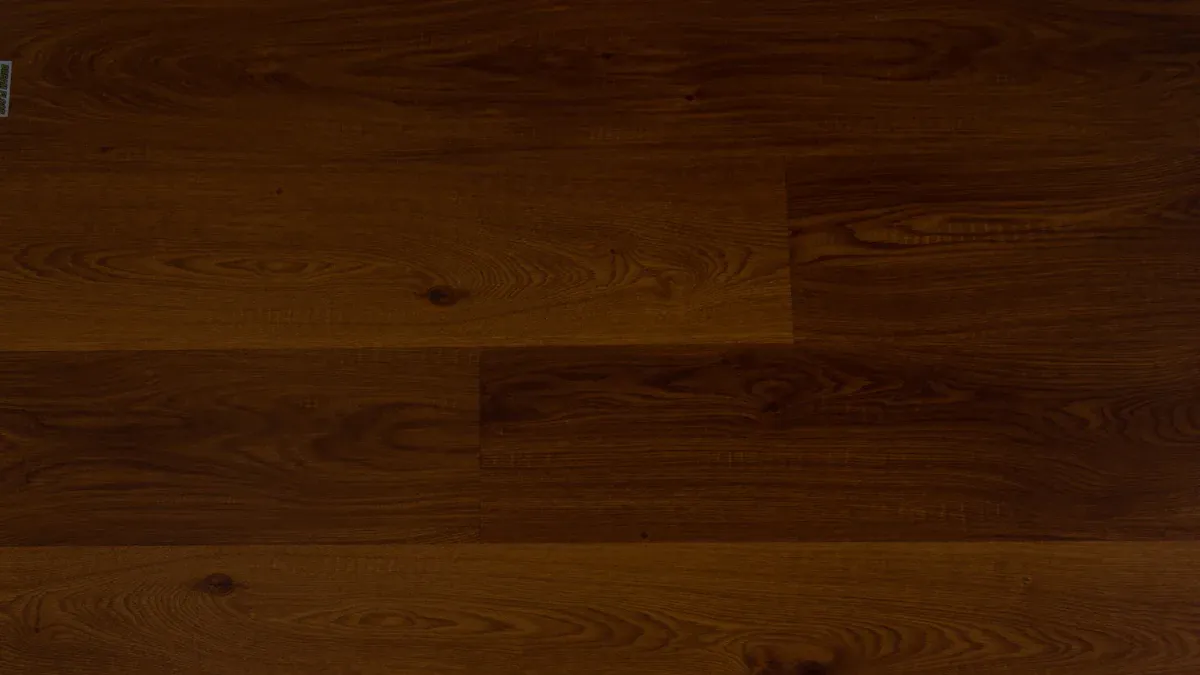
You face a choice between two excellent flooring options. Stone Plastic Composite (SPC) flooring dominates commercial spaces. Its durability makes it perfect for high-traffic offices and stores. For maximum resilience in your home, spc 105 is the superior choice due to its denser core. It handles heavy use with ease. In contrast, SPC 102 offers a great value for low-traffic areas like bedrooms. Your decision depends on your room’s daily activity and your budget.
Key Differences: SPC 105 vs. SPC 102
You see the labels SPC 105 and SPC 102. You know they are different. Understanding these differences helps you pick the perfect floor for your home. The main distinctions are core density, impact resistance, and cost.
Core Density and Composition
The “S” in SPC stands for stone. This gives the flooring its incredible strength. The core of all SPC flooring contains a powerful mix of natural limestone, polyvinyl chloride (PVC), and stabilizers. Manufacturers mix calcium powder (limestone) and resin powder (PVC) to create a dense, rigid plank.
The number—105 or 102—tells you about the core’s density.
- SPC 105 features a higher-density core. It packs more limestone into its composition. This creates a heavier, more substantial plank.
- SPC 102 has a standard-density core. It is still strong and waterproof but contains less mineral content than its counterpart.
Think of it like the difference between a heavy-duty ceramic plate and a standard one. Both work well, but one is clearly built for tougher conditions.
Impact and Dent Resistance
A denser core directly creates stronger flooring. This is where you will feel the biggest difference in performance. The higher density of spc 105 gives it superior resistance to dents and impacts. It stands up better to dropped pots in the kitchen or heavy furniture in the living room. The concentrated limestone core helps distribute force and prevents surface damage.
SPC 102 provides good dent resistance for typical home life. It performs well in rooms with less activity, like bedrooms or a home office. However, it is more likely to dent from a sharp impact compared to the more robust 105 version.
Note: The denser the core, the better the floor will resist dents. For busy areas with heavy foot traffic or children, a higher-density core provides valuable peace of mind.
Typical Cost Difference
Your budget plays a big role in your decision. The difference in density and durability also creates a clear difference in price.
| Feature | SPC 102 | SPC 105 |
|---|---|---|
| Relative Cost | Lower ($) | Higher ($$) |
| Core Density | Standard | High |
| Best For | Low-traffic areas, budget projects | High-traffic areas, maximum durability |
SPC 105 costs more because it uses more raw materials to achieve its high density. The manufacturing process is also more intensive. You pay a premium for its superior toughness and long-term resilience. SPC 102 offers an excellent value. It gives you all the core benefits of SPC flooring at a more accessible price point.
Recommended Use Cases
Choosing the right flooring depends on the room’s function. You need to match the plank’s durability to the area’s daily demands. This ensures your floor looks great for years.
When to Choose SPC 105:
You should select spc 105 for any area that experiences heavy use. Its high-density core provides the ultimate protection against daily wear and tear.
- Busy Family Hubs: Think about your kitchen, entryway, or main hallway. These zones see constant foot traffic, dropped items, and moving furniture. The superior strength of this flooring handles the chaos of a busy home.
- Commercial and Retail Spaces: Business environments need flooring that can withstand intense activity. SPC 105 is an excellent choice for high-traffic commercial settings like hotels, busy offices, and retail stores where durability is essential.
- Homes with Kids and Pets: Children and pets add joy and a lot of extra stress on your floors. This option gives you maximum defense against scratches, spills, and impacts.
When to Choose SPC 102:
You can save money by using SPC 102 in quieter, low-traffic parts of your home. It provides the waterproof and stylish benefits of SPC flooring without the premium cost.
- Bedrooms and Guest Rooms: These rooms have minimal foot traffic. A standard-density core is more than enough to handle the light use.
- Home Offices: Your home office typically sees less activity than a living room. SPC 102 offers a durable and professional look at a great value.
- Closets and Storage Areas: You do not need maximum dent resistance in a space you rarely enter. This makes SPC 102 a smart, budget-friendly choice.
Pro Tip: You can mix and match flooring types in your home. Use the tougher SPC 105 in your high-traffic downstairs areas and the more affordable SPC 102 in your upstairs bedrooms to balance your budget and performance needs.
Detailed Breakdown: Where Each Flooring Excels
You want to know which flooring performs best in specific situations. Each type has clear strengths. One excels in toughness, while the other is a champion for your budget. Let’s break down where each one wins.
Durability Winner: The Case for SPC 105
When it comes to pure strength, spc 105 is the undisputed winner. Its high-density core gives it superior resistance to impacts and heavy loads. This makes it the perfect choice for the most demanding areas of your home or business. The extra limestone in its core provides a solid foundation that prevents dents from dropped objects or heavy furniture.
This toughness is why you see it used in commercial spaces. Businesses trust its long-term performance under constant foot traffic. Manufacturers back this up with strong commercial warranties.
- Some brands offer a 10-year limited warranty for commercial use.
- Others provide a 10-year light commercial warranty.
- You may also find options with a 6-year commercial warranty.
For ultimate peace of mind in a busy environment, you can rely on the superior durability of this flooring.
Budget Winner: The Value of SPC 102
Your project has a budget. SPC 102 helps you stick to it. This flooring is the clear winner for value. It gives you the essential benefits of SPC flooring at a more affordable price. You still get a durable, stylish, and waterproof floor. You simply pay less because it uses fewer raw materials in its standard-density core.
Choosing SPC 102 for low-traffic areas is a smart financial decision. You can install it in bedrooms, closets, or a home office. You get a beautiful, high-performing floor without overspending on durability you do not need.
Water Resistance: A Clear Tie
Here, you have no wrong choice. Both SPC 105 and SPC 102 are 100% waterproof. The stone-plastic composite core repels water completely. Spills, moisture, and humidity will not damage the planks.
This shared feature makes both options an excellent choice for any room prone to moisture. You can confidently install either flooring in your bathroom, kitchen, laundry room, or basement.
Since both offer identical waterproof protection, you can base your decision entirely on durability needs and budget.
Appearance and Style: A Shared Strength
You will find great news in the looks department. Both SPC 105 and SPC 102 offer the exact same range of beautiful designs and styles. The difference between these two floors is entirely in their core composition. The visual appeal comes from a separate high-resolution print layer. This layer sits on top of the core, just beneath the protective wear layer.
This means you do not have to sacrifice style for budget or durability. The same stunning wood grain or elegant stone pattern you love is available in both product lines. You can choose your favorite look first. Then, you can decide if you need the standard core of SPC 102 or the high-density core of SPC 105.
Both flooring types offer an incredible variety of aesthetic options. You can find planks that perfectly mimic:
- Classic hardwoods like oak, hickory, and maple.
- Exotic woods such as acacia or tigerwood.
- Modern stone looks including slate, travertine, and marble.
- Rustic and reclaimed wood textures for a vintage feel.
Key Takeaway: Your choice between SPC 105 and SPC 102 is about performance, not appearance. The visual design layer and the top wear layer are consistent across both types. You get the same great style no matter which core density you select.
Ultimately, the aesthetic quality of your floor depends on the print film and the wear layer’s clarity, not the density of the stone-plastic core. You can focus your decision purely on the practical needs of your space. Find the design you love, then pick the core that matches your room’s traffic and your project’s budget.
Which Flooring Is Right for Your Space?
You need to match your flooring to your lifestyle. A floor that works perfectly in a quiet bedroom might not survive in a busy kitchen. This guide helps you choose the right SPC flooring for different rooms in your home. By understanding each room’s demands, you can make a smart investment that looks great for years.
For a Busy Kitchen or Entryway
Your kitchen and entryway are the command centers of your home. They face constant foot traffic, spills, dropped items, and moving chairs. For these high-action zones, you need the toughest flooring available. The clear choice here is a high-density SPC floor. Its superior construction provides the durability needed to handle daily chaos.
The enhanced core of a high-density floor gives you measurable protection. It excels in key performance areas that matter most in a kitchen.
| Property | Performance Metric | Why It Matters in Your Kitchen |
|---|---|---|
| Impact Resistance | 7.4 Kgf/mm³ | Resists dents from dropped pots and pans. |
| Scratch Resistance | ≥2500g Force | Protects against scratches from pet claws or dragged chairs. |
| Chemical Resistance | Grade 5 | Stands up to spills and common household cleaners. |
| Castor Chair Test | No damage after 25,000 cycles | Your kitchen chairs won’t damage the floor over time. |
| Locking Strength | ≥1200N/50m | Planks stay tightly locked together under heavy traffic. |
Bottom Line: For the most demanding rooms in your house, you want maximum durability. A high-density floor like spc 105 offers peace of mind, ensuring your floor can withstand the rigors of a busy household.
For a Bedroom or Home Office
Bedrooms and home offices are your personal sanctuaries. These spaces see much less foot traffic and activity. You do not need the maximum level of dent resistance here. This makes SPC 102 the perfect, cost-effective choice. You get a beautiful and comfortable floor without paying for durability you won’t use.
SPC 102 offers several benefits ideal for these quieter rooms:
- Comfort Underfoot: The flooring’s backing layer adds a slight cushion, making it more comfortable to walk on.
- Sound Reduction: That same backing also helps absorb sound. This creates a quieter, more peaceful environment in your bedroom or office.
- Endless Style: You can find SPC 102 in any design you want. Whether you prefer a rustic wood look or a modern stone style, you can match your room’s aesthetic perfectly.
Choosing SPC 102 for low-traffic areas is a smart way to manage your budget. You get a durable, waterproof, and stylish floor that will perform beautifully for years.
For a Basement or Bathroom
Basements and bathrooms share one major threat: moisture. From plumbing leaks and high humidity to splashes from the tub, these areas require a 100% waterproof floor. Here, both SPC 105 and SPC 102 are fantastic choices. Their stone-plastic composite core does not swell, warp, or get damaged when exposed to water.
This waterproof quality makes SPC flooring ideal for below-grade installations like basements.
- Total Water Protection: You eliminate worries about water damage from spills or humidity. The planks are completely inert to moisture.
- Easy Maintenance: The non-porous surface is simple to clean. You can easily wipe up spills or mop away mud without any fuss.
- Excellent Stability: SPC flooring does not expand or contract much with temperature changes. The planks will not form gaps, giving you a stable and solid floor year-round.
Since both options are fully waterproof, your choice depends on the room’s expected use. For a high-traffic family bathroom, the extra dent resistance of a denser core might be worth it. For a quiet basement guest room, the standard core of SPC 102 is more than sufficient.
Pro Tip for Wet Rooms: When installing any SPC flooring in a full bathroom, you should seal the deal. Apply a flexible silicone caulk around the entire perimeter of the floor. This prevents water from getting under the planks and reaching your subfloor.
For a Light Commercial Space
You need a floor that works as hard as you do for your business. A light commercial space, like a small boutique, a doctor’s office, or a salon, faces unique challenges. It sees more foot traffic than any home. Customers bring in dirt and moisture. You might use rolling chairs or move display racks. For these reasons, you must prioritize durability.
The clear winner for any business setting is a high-density SPC floor like SPC 105. Its robust core is specifically engineered to handle the demands of commercial use.
Consider these common light commercial environments:
- Small retail stores and boutiques
- Doctor’s or dentist’s offices
- Hair and nail salons
- Small cafes or bistros
- Office breakrooms and hallways
Your business’s floor is a long-term investment. Choosing a less durable option like SPC 102 to save money upfront can lead to costly problems. A damaged floor can disrupt your business, require expensive repairs, and create a poor impression on your customers.
A high-density core provides the commercial-grade toughness you need. It offers superior resistance to dents from dropped items and scratches from constant foot traffic. It also stands up to the concentrated pressure from rolling office chairs or heavy fixtures. You gain peace of mind knowing your floor will maintain its professional appearance under daily stress. For any commercial application, you should always choose the most durable option available.
Why Choose SPC 105 for High-Traffic Zones
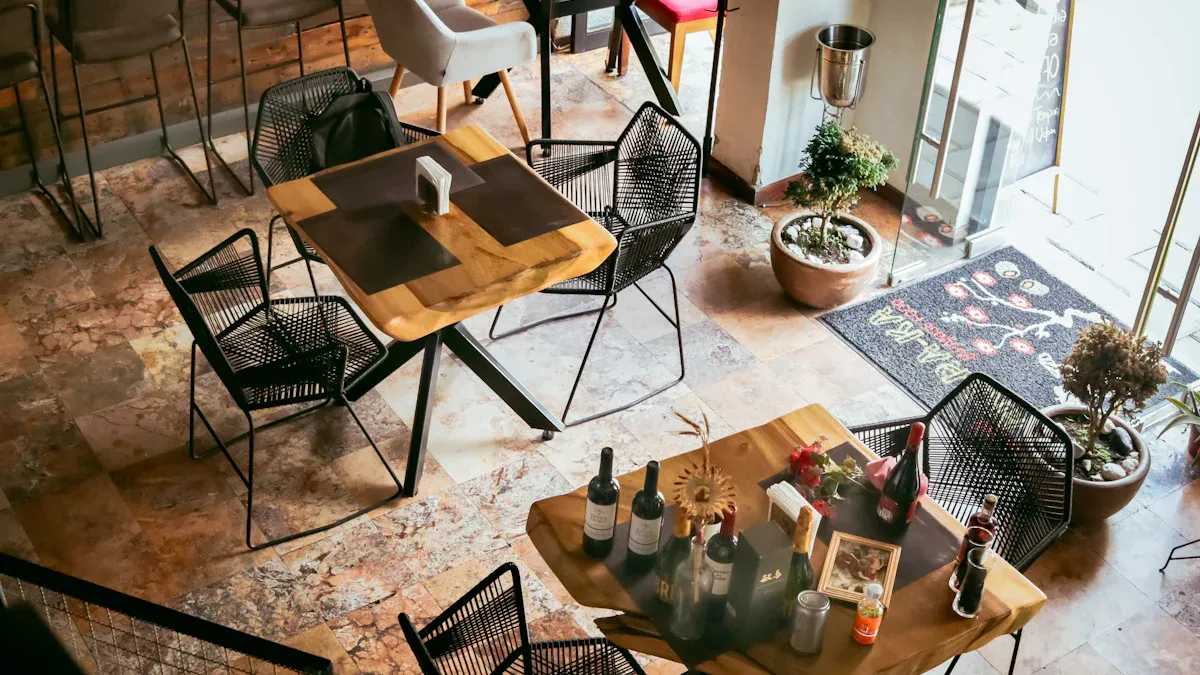
You need a floor that can handle the busiest parts of your life. High-traffic zones demand superior strength and resilience. This is where a high-density floor truly shines. It provides the toughness required for areas that see constant action, from bustling entryways to commercial spaces. Choosing the right floor for these zones protects your investment and keeps your space looking great.
Resisting Dents from Heavy Furniture
You place heavy furniture throughout your home. Sofas, bookcases, and dining tables put constant pressure on your floor. A standard floor can easily get dents from furniture legs. The high-density core of spc 105 solves this problem. It contains a large amount of stone powder, which gives the planks exceptional rigidity. This inherent stiffness is crucial for resisting dents. The floor’s tough structure ensures that heavy furniture or rolling chairs are unlikely to leave a mark.
Handling Commercial Foot Traffic
Your business sees a constant flow of people. Customers and employees walk across your floors all day long. This level of foot traffic can quickly wear down a standard residential floor. You need a product built for this challenge. The robust construction of a high-density SPC floor is engineered for commercial use. It withstands the wear and tear of daily business operations. This makes it a reliable and smart choice for any light commercial environment where durability is key.
Protecting Against Dropped Objects
Accidents happen in busy homes. You might drop a can of soup in the kitchen or a heavy toy in the playroom. These impacts can easily chip or dent many types of flooring. A high-density SPC floor offers superior protection against these mishaps.
The dense core works to distribute the force from a sharp impact. This prevents the energy from concentrating in one spot, significantly reducing the chance of a dent or crack.
This feature gives you valuable peace of mind. You know your floor is built to withstand the unexpected drops and bumps of everyday life.
Installation and Long-Term Considerations
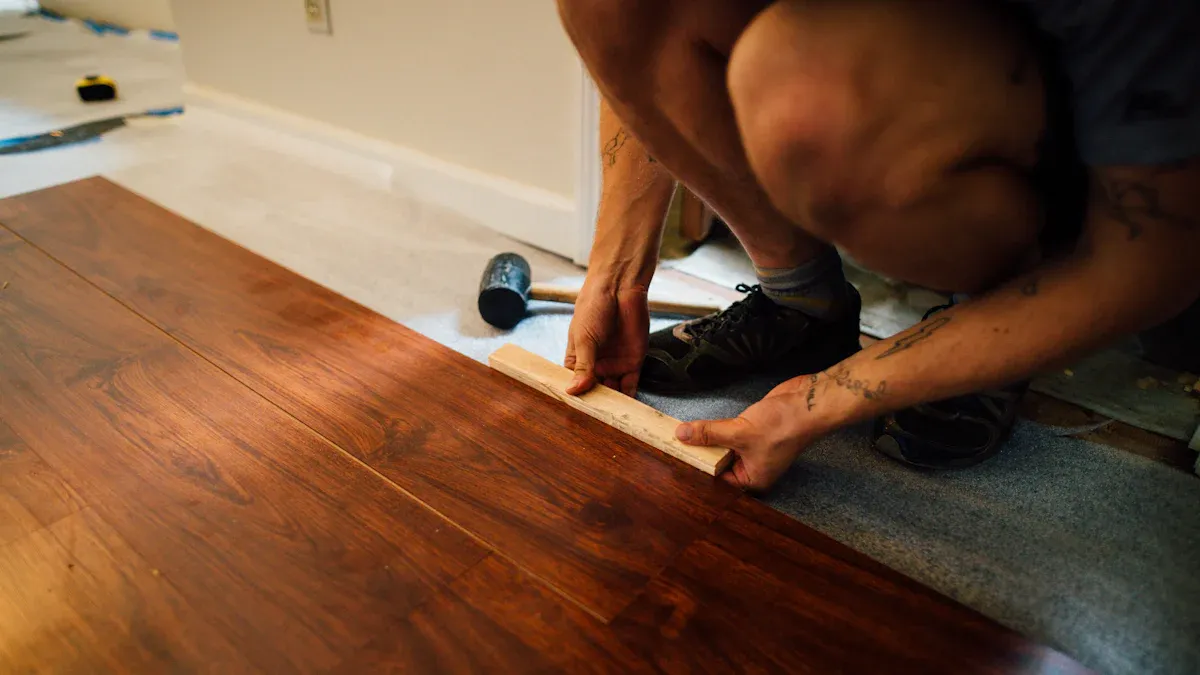
You have chosen your flooring. Now you need to think about installation and future value. The good news is that the installation process for SPC 105 and SPC 102 is the same. Your long-term satisfaction depends on proper installation and choosing the right product for your space.
The Installation Process
A successful installation starts with a well-prepared subfloor. You must ensure your subfloor is clean, flat, and dry to comply with the warranty. Proper preparation prevents issues later on.
- For Concrete Subfloors: You need to let new concrete cure for at least 60 days. The subfloor must be level and free of debris. You can use a patching compound to fill any low spots.
- For Wood Subfloors: You should add an extra layer of plywood if needed. Make sure you secure it properly with deck screws and fill any gaps or screw heads with a floor patch.
- For Tile Subfloors: You can install SPC over existing ceramic or terrazzo tile. The tiles must be in good condition. You will need to use a leveling compound to smooth out the grout lines.
Underlayment Requirements
Many SPC planks come with a pre-attached underlayment pad. This feature simplifies installation and reduces labor costs. You need to check the manufacturer’s guidelines before adding another layer.
- Some SPC planks have a built-in pad made of cork or foam.
- You should not add a separate underlayment if your planks already have one. Doing so can damage the locking system and may even void your warranty.
- Always check the manufacturer’s rules to see which underlayment types are compatible.
- A separate, thicker underlayment can help smooth out an uneven subfloor, but you must ensure it is approved for use with your specific flooring.
Comparing Long-Term Value
Your floor is a long-term investment. The best value comes from matching the floor’s durability to the room’s needs.
Choosing SPC 105 for a high-traffic kitchen provides excellent long-term value. Its superior dent resistance means you will not have to worry about damage from dropped items or heavy furniture. This durability protects your investment for years.
In contrast, SPC 102 offers great value for a quiet bedroom. You get a beautiful, waterproof floor at a lower cost. You avoid paying for extreme durability that you do not need. The smartest choice gives you the performance you require without overspending.
Your decision between these floors is a direct choice between maximum durability and your budget. You must match the floor’s strength to your room’s needs.
For high-impact, high-traffic zones where long-term performance is most important, you should choose the tougher, high-density option. For standard home use in quieter rooms, the more affordable floor provides excellent value. Your final choice balances your room’s daily demands against your project’s budget.
FAQ
Is SPC 105 harder to install than SPC 102?
No, the installation process is identical for both floors. You install both SPC 105 and SPC 102 using the same click-lock method. The main difference you might notice is that SPC 105 planks are heavier due to their denser core.
Can I use a steam mop on my SPC floor?
You should avoid using a steam mop on any SPC flooring. The high heat and moisture from a steam cleaner can damage the wear layer and the locking system. This could also void your floor’s warranty. Stick to a damp mop for cleaning.
Which floor is better for a home with large dogs?
You should choose SPC 105 for a home with large dogs. Its high-density core provides superior scratch and dent resistance. This protects your floor from active pets, their claws, and dropped toys, ensuring it stays beautiful for longer.
Do I need underlayment for SPC 105 or 102?
Most SPC planks, including both 105 and 102, come with a pre-attached underlayment pad.
Important: You should not add a second layer of underlayment. Doing so can damage the locking mechanism and may void your warranty. Always follow the manufacturer’s specific instructions.




