
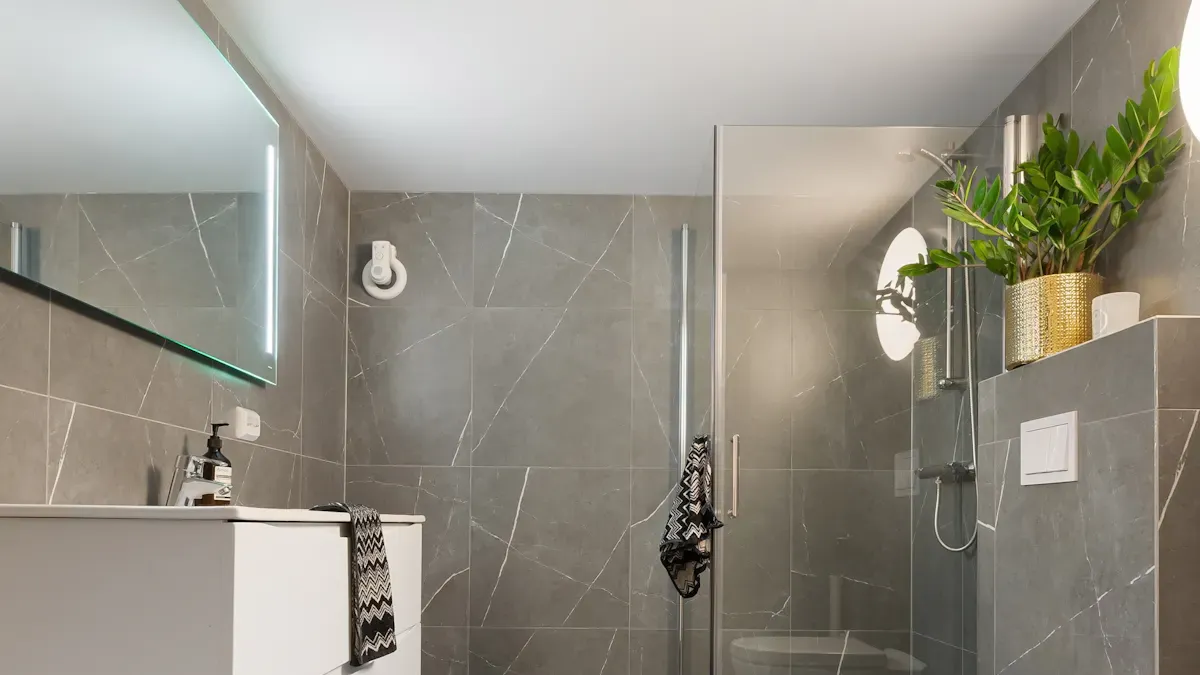
You might notice small dents under your bathroom furniture. These dents often appear on vinyl flooring in bathroom spaces. Heavy furniture can leave marks, but you do not have to worry. You can manage this problem with a few easy steps. Your bathroom floor can look smooth and new when you take simple actions to protect it.
Why Vinyl Flooring in Bathroom Gets Dents
Vinyl Flooring Material Properties
You may notice that vinyl flooring feels soft and comfortable under your feet. This comfort comes from the materials used to make it. Many types of vinyl flooring are made from softer materials. These materials make the floor flexible and easy to install. However, they also make the floor sensitive to dents and scratches.
- Dents often appear in high-traffic areas or under heavy objects.
- Heavy furniture and sharp items can leave marks that change how your floor looks.
- Using furniture pads can help reduce the risk of denting.
- Even though resilient vinyl flooring is durable, it still has limits.
- Understanding these limits helps you care for your floor better.
The thickness of your vinyl flooring also matters. Thicker floors give you more comfort and better insulation. A thicker wear layer protects against scratches and dents. Some floors, like those with SPC (Stone Plastic Composite) cores, are denser and more rigid. These types resist dents better than softer floors.
Weight and Pressure from Bathroom Furniture
The weight of bathroom furniture plays a big role in dent formation. When you place heavy furniture on vinyl flooring, the pressure can cause dents over time.
- Wide felt protectors help spread out the weight of heavy furniture.
- This practice prevents permanent dents and lets the floor expand and contract naturally.
- Moving furniture from time to time also helps avoid dents in one spot.
Bathroom Environment and Moisture Factors
Bathrooms have high humidity and moisture. These conditions can make vinyl flooring in bathroom spaces more likely to get dents.
- Keep indoor humidity between 35-55% to protect your floor.
- Maintain a steady room temperature between 65-80°F.
- Use good ventilation to reduce condensation and moisture buildup.
By controlling moisture and temperature, you help your vinyl flooring stay strong and smooth. You also lower the risk of dents and other damage.
How Bathroom Furniture Causes Dents in Vinyl Flooring
Types of Bathroom Furniture Most Likely to Cause Dents
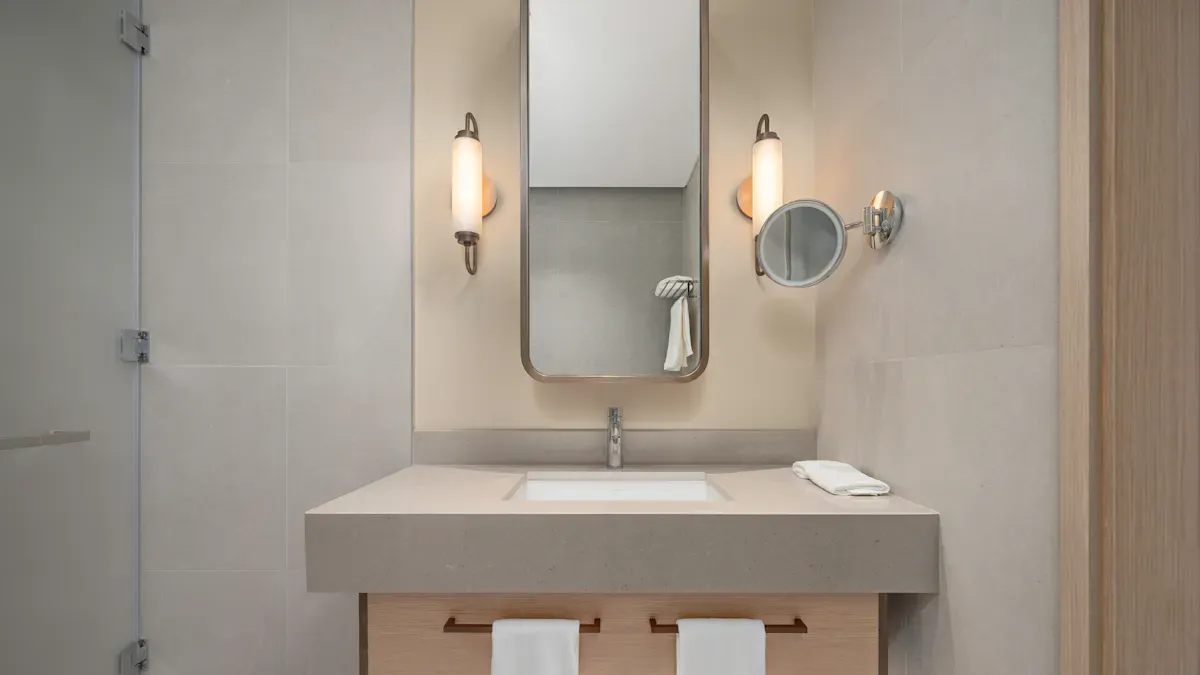
You may notice that some bathroom furniture puts more pressure on your floor than others. Certain pieces can leave marks or dents if you do not protect your floor. Here are some types of bathroom furniture that are most likely to cause problems:
- Tall cabinets with narrow legs often focus weight on small spots.
- Freestanding vanities can be very heavy and may press down on the same area for a long time.
- Metal towel racks with thin feet can dig into the floor.
- Storage shelves with small bases may leave marks if you place many items on them.
- Laundry baskets with hard plastic feet can also cause dents if you keep them in one place.
You should pay attention to these items. They can damage your vinyl flooring if you do not use pads or protectors.
Tip: Choose furniture with wide, flat bases. These spread out the weight and help prevent dents.
Placement, Movement, and Weight Distribution Issues
Where you put your bathroom furniture matters. If you place all your items in one corner, you may see dents form over time. Uneven weight distribution can make the problem worse. When you put more weight on one part of the floor, it increases the chance of damage. This happens because the pressure from the furniture pushes down on a small area.
Moving your furniture can also affect your floor. If you drag a cabinet or shelf, you may scratch or dent the surface. You should always lift furniture instead of dragging it. Using broad-surface floor protectors under each leg helps spread out the pressure. Non-staining felt pads or wide plastic protectors work best. Floor mats can also help, especially in areas where you move things often.
Keeping your floor clean is important. Dirt and grit can scratch the surface when you move furniture. Regular cleaning helps prevent this kind of damage.
Note: Always check the feet of your bathroom furniture. Make sure they are smooth and clean before placing them on your vinyl flooring in bathroom spaces.
Preventing Scratches and Dents from Bathroom Furniture
You want your vinyl flooring in bathroom spaces to look new for years. Preventing scratches and dents is important for keeping your floor smooth and beautiful. You can use simple tools and smart habits to protect your floor from damage.
Use Furniture Pads and Floor Protectors
Furniture pads and floor protectors give you a strong line of defense. These tools help with preventing scratches and dents by creating a soft barrier between your furniture and the floor. You can choose from different types of pads and protectors. Each type works best for certain furniture and situations.
Here is a table to help you pick the right surface protection for your needs:
| Type of Protector | Best For |
|---|---|
| Felt Pads | Great for vinyl flooring, hardwood, and laminate. Use them for chairs and items you move often. |
| Rubber or Silicone Caps | Best for heavy furniture or metal legs. They grip well and stop slipping. |
| Plastic Glides | Good for carpeted areas. They help furniture move without catching fibers. |
| Adhesive Sliders | Use these for heavy furniture that you move sometimes, like sofas or tables. |
You should check your furniture pads often. Replace them if they wear out. Clean the bottom of your furniture before adding new pads. This step keeps dirt from scratching your floor. You can also use area rugs under large pieces for extra surface protection. Rugs spread out the weight and help prevent scratches and dents.
Choose Lightweight or Wide-Based Bathroom Furniture
You can prevent scratches and dents by choosing the right bathroom furniture. Lightweight pieces put less pressure on your floor. Wide-based furniture spreads out the weight, which helps with surface protection. You should look for vanities, cabinets, and shelves with broad legs or bases.
If you need to use heavy furniture, place it on area rugs or use wide rubber caps. This method gives you better protection and keeps your floor safe. Quality furniture with smooth, rounded feet also helps prevent dents. You can ask your supplier about furniture made for use on vinyl flooring.
Regularly Move and Rotate Bathroom Furniture
You can prevent scratches and dents by moving your bathroom furniture from time to time. When you leave heavy items in one spot, they can press down and cause dents. Rotating your furniture helps spread out the pressure. This habit keeps your floor looking even and smooth.
You should lift your furniture instead of dragging it. Dragging can cause scratches and damage the surface. Clean the floor before moving anything. Dirt and grit can scratch your vinyl flooring if you slide furniture over them.
You can also use area rugs in spots where you move things often. Rugs add another layer of surface protection. They help with preventing scratches and dents, especially in busy bathrooms.
Tip: Make a schedule to check and move your bathroom furniture every few months. This simple habit helps you spot problems early and keeps your floor in top shape.
Maintain Proper Floor Care with skspcflooring Tips
You want your bathroom vinyl flooring to last for years. Good floor care starts with simple habits and the right tools. SK-Floor recommends a few easy steps that help you keep your floors looking their best.
- Place felt or rubber pads under the legs of your bathroom furniture. These pads stop scratches when you move items.
- Use area rugs or runners in places where people walk the most. Rugs add extra protection and help your floor stay smooth.
- Put quality doormats at the entrance to your bathroom. Mats catch dirt and debris before they reach your vinyl flooring.
- Sweep or vacuum your floor often. Use a soft broom or a vacuum made for hard surfaces. Avoid vacuums with rotating brushes because they can damage the floor.
- Clean up spills right away. Blot the area with a dry cloth, then use a cleaner approved by the manufacturer.
- Mop your floor with a damp microfiber mop. Rinse the mop often so you do not spread dirt around.
- Choose pH-neutral cleaning products. Harsh chemicals can harm your floor’s finish.
- Keep pet nails trimmed. Pets can scratch the surface, so use rugs in areas where they play or run.
- Try a no-shoes policy in your bathroom. Shoes, especially high heels or cleats, can dent or scratch your floor.
- Protect your floor from direct sunlight. Use blinds or window film to stop fading.
Tip: Make a cleaning schedule. Sweep or dust mop every few days. Deep clean once a month in quiet bathrooms and every week or two in busy ones.
You can keep your vinyl flooring in top shape by following these steps. Regular care gives your floor the protection it needs. You also show your commitment to quality by choosing the right products and routines. When you care for your floor, you prevent scratches and dents before they start.
How to Protect Your Vinyl Flooring in Bathroom
Cleaning and Maintenance Best Practices
You can keep your vinyl flooring looking new with regular cleaning and smart habits. Use a soft-bristle broom or a vacuum with a soft floor setting to remove dust and dirt. This step helps prevent scratches. Mop your floor with a damp mop, but do not use too much water. Too much water can cause warping. Clean up spills right away with a soft cloth. Always check the manufacturer’s instructions for the best cleaning products. Use gentle, pH-neutral cleaners and avoid harsh chemicals. Soft microfiber mops work well for everyday cleaning. Do not use wax or steam cleaners, as these can dull the finish and lower the quality of your floor.
Tip: Sweep or vacuum often to keep dirt and grit from scratching your floor.
Avoiding Water Damage and Warping
Water can damage vinyl flooring if you do not take steps to protect it. Leaks from toilets, bathtubs, or showers can cause warping and uneven surfaces. Excess moisture may lead to bubbling, edge curling, or even mold growth. Poor installation can let water seep under the floor. Plumbing leaks can also cause slow water damage.
| Cause of Water Damage | Effect on Vinyl Flooring |
|---|---|
| Leaks from toilets, bathtubs, or showers | Warping, sponginess, and uneven surfaces |
| Excessive moisture accumulation | Bubbling, cupping, edge curling, and mold growth |
| Poor installation | Gaps allowing moisture to seep in |
| Plumbing leaks and pipe breaks | Slow migration of water into the subfloor |
You can prevent these problems by sealing seams, using silicone caulk around edges, and adding a protective coating. Install vapor barriers in bathrooms and keep indoor humidity between 35-55 percent.
Long-Term Strategies to Prevent Scratches and Dents
You can protect your floor for years by using a few simple strategies. Place protective mats in entryways and high-traffic areas to catch dirt and moisture. Clean your floor often to stop micro-scratches from forming. Use felt pads under furniture legs and never drag heavy items. Lift furniture when you need to move it. Rugs or runners add extra protection in busy spots. Manage moisture by cleaning spills right away and using dehumidifiers if needed. These habits help your vinyl flooring in bathroom spaces stay strong and beautiful.
What to Do If Dents Already Exist in Vinyl Flooring
Assessing the Severity of Dents
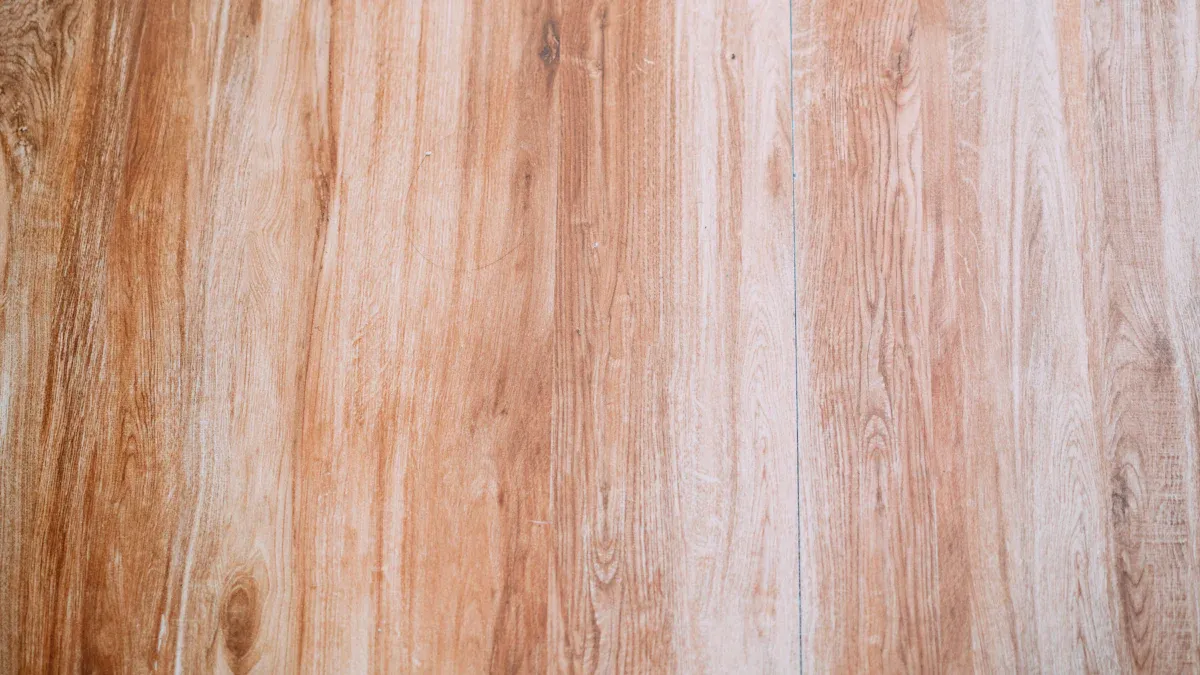
You may notice dents in your vinyl flooring after moving bathroom furniture. Start by checking the surface with your hand. Feel for any indentations or uneven spots. Look closely at the floor to see if the surface is not level. Check under heavy furniture, as pressure often causes dents in these areas. You can also compare your floor against a flat object, like a ruler, to spot any irregularities.
Tip: Good lighting helps you see dents more clearly. Move a lamp or use a flashlight to check the floor from different angles.
DIY Repair Methods for Minor Dents
You can fix small dents in vinyl flooring with simple tools. Use gentle heat to soften the vinyl. A hair dryer or a heat gun on a low setting works well. Hold the heat source a few inches above the dent for a short time. Next, use a clean cloth or the back of a spoon to press down and reshape the plank. Let the area cool and check if the dent has improved. Repeat the process if needed, but do not overheat the vinyl.
- Use gentle heat to soften the vinyl.
- Apply light pressure with a cloth or spoon to reshape the area.
- Allow the spot to cool and check the result.
Note: Always test the heat on a small, hidden area first to avoid damaging the floor.
When to Consult a Professional or skspcflooring Expert
Some dents need more than a simple fix. If you see deep dents or gouges, you should clean the area and use a vinyl filler compound. Level the surface and let it cure before using the floor again. If the dent affects the core of the plank or causes structural problems, you may need to replace the damaged plank. In these cases, contact a flooring professional or reach out to a skspcflooring expert for advice and repair services. They can help you restore your floor and keep it looking its best.
For expert help, you can contact skspcflooring for guidance on repairs and replacement options.
You can keep your bathroom vinyl flooring looking great. Use furniture pads and choose wide-based or lightweight furniture. Move your bathroom items from time to time. Clean your floor often and fix dents as soon as you see them.
Tip: Stay proactive. Small steps today help you avoid big repairs tomorrow. Your bathroom floor will thank you for the care.
FAQ
Can bathroom furniture cause permanent dents in vinyl flooring?
You can see permanent dents if you leave heavy furniture in one spot for a long time. Using pads or moving furniture helps prevent this problem. Choose wide-based items for better protection.
How do I fix minor dents in my bathroom vinyl flooring?
You can use gentle heat from a hair dryer to soften the dent. Press the area with a cloth or spoon. Let it cool and check the result. Repeat if needed.
What is the best way to prevent scratches from bathroom furniture?
You can place felt pads under furniture legs. Clean your floor often to remove dirt. Lift furniture instead of dragging it. Rugs add extra protection in busy spots.
Will water damage affect the quality vinyl product in my bathroom?
Water damage can cause warping or bubbling. You should clean spills quickly and seal edges. A quality vinyl product resists moisture better, but you must still protect it from leaks.
When should I contact a flooring expert for repairs?
You should contact a flooring expert if you see deep dents, structural damage, or large areas affected. Professionals can replace damaged planks and restore your floor.




