
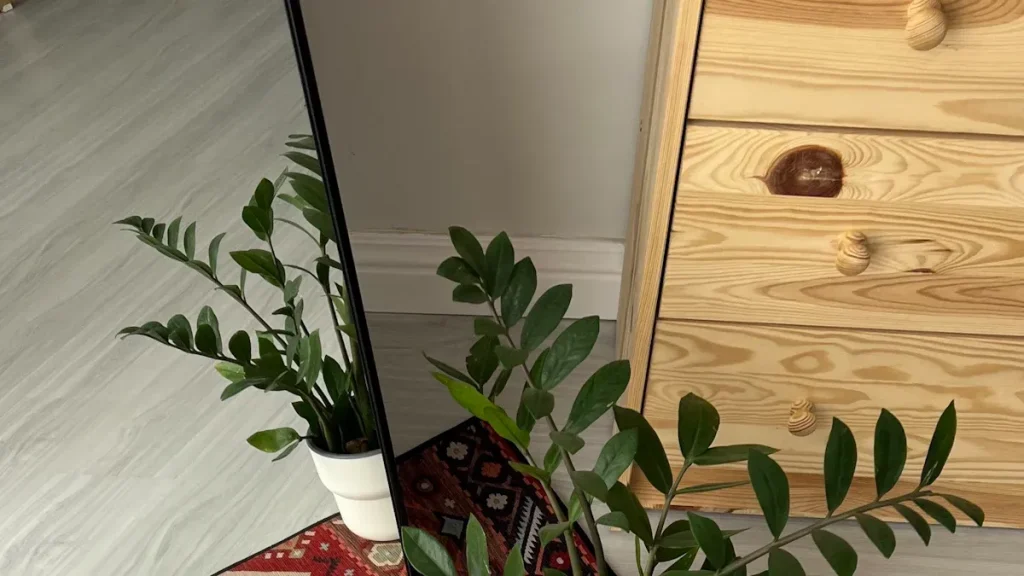
If you’re searching for a flooring option that’s tough, water-resistant, and easy on your wallet, SPC flooring might just check all your boxes. Short for Stone Plastic Composite, this type of flooring is built to last. In fact, it’s completely waterproof, making it perfect for areas like kitchens or bathrooms. Plus, with a lifespan of 20 to 25 years—and even up to 30 years for premium options—you won’t have to worry about replacing it anytime soon.
What’s more, SPC flooring offers great value for money. With prices ranging from $3 to $8 per square foot, it’s a budget-friendly alternative to hardwood or tile. Its durability also means fewer repair or replacement costs down the line. Whether you’re renovating your home or upgrading a commercial space, SPC flooring combines practicality with style.
Key Takeaways
- SPC flooring is very strong and lasts 20 to 30 years. It is a good long-term choice for your home.
- It is completely waterproof, so it works well in wet places. Use it in kitchens or bathrooms without worrying about damage.
- SPC flooring is affordable, costing $3 to $8 per square foot. It needs little care, which saves you money over time.
- Though SPC flooring is sturdy, it can feel hard to walk on. Add rugs in spots where you stand a lot for comfort.
- SPC flooring comes in many styles. You can get the look of natural materials without spending too much or needing extra care.
Pros of SPC Flooring
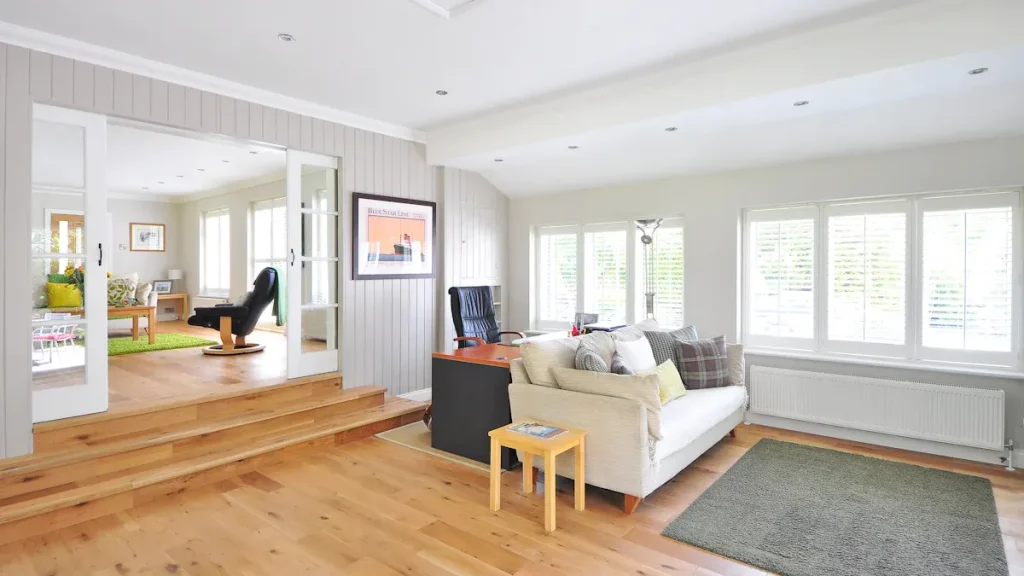
Durability
Scratch resistance
SPC flooring is built to handle the wear and tear of daily life. Its rigid core, made from a mix of limestone and stabilizers, ensures exceptional stability and resistance to scratches. Whether you have pets running around or kids playing with toys, this flooring can take it. The multi-layer composition, including a protective wear layer with PU coating, keeps the surface looking fresh for years. You won’t have to worry about scuffs or marks ruining its aesthetic appeal.
Longevity in high-traffic areas
If you’re looking for a flooring option that can handle heavy foot traffic, SPC flooring is a top contender. Thanks to its durable construction, it’s perfect for busy households or commercial spaces. With proper care, it can last over 20 years without losing its charm. Its ability to resist impacts and temperature changes makes it a reliable choice for any environment.
Water Resistance
100% waterproof properties
One of the standout features of SPC flooring is its complete water resistance. Unlike traditional wood or laminate, it doesn’t warp or swell when exposed to moisture. This makes it an excellent choice for kitchens, bathrooms, and even basements. Whether it’s a spill, a leak, or even flooding, SPC flooring holds up without a hitch.
Ideal for moisture-prone areas
SPC flooring’s water resistance isn’t just a claim—it’s been tested and proven in various settings. According to industry experts, it’s becoming the go-to option for areas exposed to moisture. You can confidently install it in spaces where other flooring types might fail, knowing it will maintain its integrity and design options.
Cost-Effectiveness
Affordable compared to hardwood or tile
SPC flooring offers a budget-friendly alternative to pricier options like hardwood or tile. Its lower initial cost makes it accessible for homeowners and businesses alike. Plus, the click-lock system simplifies installation, saving you even more money if you choose to go the DIY route.
Long-term savings due to low maintenance
When it comes to maintenance, SPC flooring is a winner. It requires minimal upkeep, which translates to long-term savings. Unlike hardwood, which needs regular refinishing, or tile, which may require grout repairs, SPC flooring stays in great shape with just basic cleaning. Its durability also means fewer replacements, making it a smart investment for the future.
Easy Maintenance
Simple cleaning requirements
Keeping SPC flooring clean is a breeze. You don’t need any fancy tools or expensive cleaning products. A simple broom or vacuum will handle everyday dust and debris. For deeper cleaning, a damp mop with a mild detergent works wonders. Unlike carpets that trap dirt or hardwood that needs special care, SPC flooring stays fresh with minimal effort. This makes it a great choice if you’re looking for a low-maintenance option that saves you time.
Tip: Avoid using abrasive cleaners or steam mops. These can damage the protective wear layer and reduce the flooring’s lifespan.
Stain and scratch resistance
SPC flooring doesn’t just look good—it’s tough too. Its protective top layer resists stains from spills and scratches from daily wear. Whether it’s a dropped coffee mug or your pet’s claws, this flooring holds up without losing its aesthetic appeal. You’ll love how easy it is to maintain its polished look, even in busy households.
Versatility
Wide range of styles and designs
SPC flooring offers endless design options to match your taste. Whether you prefer the classic look of wood, the elegance of stone, or something more modern, you’ll find a style that fits. Manufacturers use advanced printing technology to create realistic patterns and textures. This means you can enjoy the beauty of natural materials without the high cost or maintenance.
Suitable for residential and commercial spaces
One of the biggest pros of SPC flooring is its adaptability. It works just as well in a cozy living room as it does in a bustling office. Its durability and water resistance make it ideal for high-traffic areas, while its stylish designs enhance any space. Whether you’re upgrading your home or outfitting a commercial property, SPC flooring delivers both functionality and aesthetic appeal.
Cons of SPC Flooring
Hardness Underfoot
Less comfortable compared to softer flooring options
While SPC flooring is durable and tough, it’s not the most comfortable option underfoot. Its rigid core, which makes it so strong, also means it lacks the softness of other flooring types like laminate or WPC. If you spend a lot of time standing in areas like the kitchen, you might notice some discomfort. Softer flooring options provide a more cushioned feel, making them better suited for spaces where comfort is a priority.
Note: If comfort is a concern, consider adding rugs or mats in areas where you stand frequently.
May require additional underlayment for cushioning
To improve comfort, you might need to install an underlayment beneath SPC flooring. This adds a layer of cushioning, but it also increases the overall cost and effort of installation. Without it, the flooring can feel hard and unforgiving, especially in rooms where people walk barefoot or stand for long periods.
Environmental Concerns
Made from synthetic materials
SPC flooring is made from a combination of limestone and synthetic materials like PVC. While this gives it strength and water resistance, it also raises environmental concerns. Unlike natural materials such as wood, SPC flooring isn’t biodegradable. If sustainability is important to you, this might be a drawback to consider.
Limited recyclability
Another downside is its limited recyclability. Once SPC flooring reaches the end of its lifespan, it often ends up in landfills. This makes it less eco-friendly compared to other options like bamboo or cork flooring, which are renewable and biodegradable.
Installation Challenges
Requires a level subfloor for proper installation
For SPC flooring to perform well, the subfloor must be perfectly flat and smooth. Any unevenness can cause issues like gaps or buckling over time. Preparing the subfloor can take extra time and effort, especially if it needs repairs or replacement.
| Requirement | Description |
|---|---|
| Subfloor Condition | Must be completely flat and smooth for proper installation. |
| Preparation Efforts | May require checking for flatness, cleaning, and possibly replacing parts. |
| Cost Implications | Additional costs and time may arise from necessary subfloor preparation. |
DIY installation may be tricky for beginners
Although SPC flooring often features a click-lock system, installing it yourself can still be challenging if you’re new to DIY projects. Ensuring the subfloor is level and aligning the planks correctly takes precision. Mistakes during installation can lead to uneven surfaces or gaps, which might require professional help to fix.
Aesthetic Limitations
May not replicate the natural look of wood or stone perfectly
SPC flooring does a great job of mimicking wood and stone, but it’s not quite the real deal. If you’re after that authentic feel, you might notice the difference. Natural materials like hardwood have unique grains and textures that SPC can’t fully capture. Stone, with its cool and uneven surface, also has a charm that synthetic flooring struggles to replicate.
Another thing to keep in mind is longevity. Unlike hardwood, SPC flooring can’t be refinished. Once it starts to show wear, you’ll need to replace it entirely. Hardwood, on the other hand, can be sanded and restored multiple times, giving it a much longer lifespan. Plus, natural wood or stone often adds more resale value to your home. SPC flooring, while stylish, doesn’t carry the same premium appeal.
Tip: If you love the look of natural materials but want something more budget-friendly, SPC flooring can still be a great compromise. Just know it won’t have the same timeless quality as the real thing.
Limited texture options compared to other flooring types
When it comes to texture, SPC flooring has its limits. Manufacturers use advanced printing technology to create realistic designs, but the surface still feels synthetic. If you run your hand over SPC flooring, you won’t get the same tactile experience as you would with real wood or stone.
The variety of textures is also narrower compared to other flooring types. While you’ll find plenty of styles to choose from, the options might feel limited if you’re looking for something truly unique. This can be a drawback if you’re aiming for a specific aesthetic appeal in your space.
Note: If texture is important to you, consider exploring other flooring options like engineered wood or natural stone. These materials offer a richer, more authentic feel underfoot.
SPC Flooring vs. Other Flooring Types
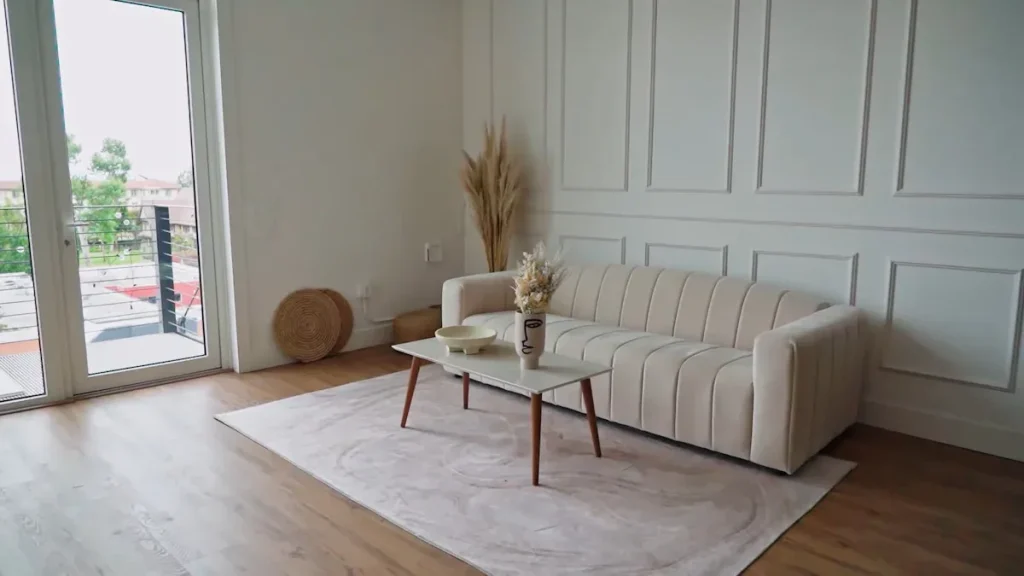
SPC vs. WPC Flooring
Differences in core material and comfort
When comparing SPC and WPC flooring, the core material makes all the difference. SPC flooring has a stone-based core, making it denser and more rigid. This gives it unmatched durability, especially in high-traffic or moisture-prone areas. On the other hand, WPC flooring features a wood-based core with a foaming agent. This makes it softer underfoot and better at absorbing sound. If comfort is a priority, WPC might feel more forgiving, especially in living spaces where you spend a lot of time standing or walking.
Comparison of durability and water resistance
SPC flooring stands out for its toughness. Its dense core resists dents and scratches, making it ideal for busy households or commercial spaces. WPC flooring, while durable, doesn’t quite match SPC’s resilience. Both options are waterproof, but SPC’s stone-based core gives it an edge in areas like kitchens or bathrooms where water exposure is constant.
SPC vs. Laminate Flooring
Differences in water resistance and maintenance
Water resistance is where SPC flooring truly shines. It’s 100% waterproof, so you don’t have to worry about spills or moisture causing damage. Laminate flooring, however, can swell or warp when exposed to water. This makes SPC a better choice for areas like bathrooms or basements. Maintenance is also easier with SPC flooring. Regular sweeping and occasional mopping keep it looking great, while laminate requires more care to avoid moisture damage.
| Feature | SPC Flooring | Laminate Flooring |
|---|---|---|
| Water Resistance | 100% waterproof | Swells and warps when exposed to moisture |
| Maintenance | Low maintenance, regular sweeping and occasional mopping | Requires more care to prevent moisture damage |
Cost and aesthetic comparison
SPC flooring and laminate are both budget-friendly, but SPC offers better long-term value due to its durability and water resistance. Aesthetically, laminate often mimics wood more convincingly, but SPC’s advanced printing technology still delivers impressive designs. If you’re looking for a balance between style and practicality, SPC flooring is a solid choice.
SPC vs. Hardwood Flooring
Durability and cost differences
SPC flooring outperforms hardwood in durability. It resists scratches, dents, and moisture, making it a low-maintenance option. Hardwood, while beautiful, requires regular refinishing and is prone to damage in high-traffic or wet areas. Cost-wise, SPC flooring is more affordable upfront and easier to install, saving you money on labor.
Environmental impact comparison
If sustainability matters to you, consider this: SPC flooring often uses recycled materials, reducing its environmental footprint. It’s also long-lasting, which means fewer replacements and less waste. Hardwood, while natural, involves tree cutting and can be less eco-friendly. However, hardwood is biodegradable, whereas SPC’s PVC composition limits its recyclability.
Tip: If you want the look of hardwood without the high cost or maintenance, SPC flooring offers a great alternative.
Practical Considerations for SPC Flooring
Maintenance Tips
Best practices for cleaning and upkeep
Keeping your SPC flooring in top shape doesn’t require much effort. Regular cleaning is key to maintaining its appearance and durability. Start by sweeping or vacuuming daily to remove dirt and debris. For a deeper clean, use a damp mop with a mild cleaner. Avoid harsh chemicals or abrasive tools, as they can damage the protective layer.
Preventative measures also go a long way. Place doormats at entrances to reduce dirt being tracked onto the floor. Felt pads under furniture legs can prevent scratches and scuffs. If you spill something, clean it up quickly to avoid slip hazards. These simple steps will help your flooring last longer and look great.
| Maintenance Tip | Description |
|---|---|
| Regular Cleaning | Sweep or vacuum regularly to remove dirt and debris. |
| Deep Cleaning | Use a damp mop with a mild cleaner for deeper cleaning. Avoid harsh chemicals. |
| Preventative Measures | Use felt pads under furniture to prevent scratches and scuffs. |
| Entrance Mats | Place doormats at entrances to reduce dirt tracked onto the floor. |
| Water Resistance | Clean spills promptly to avoid slip hazards. |
Tip: Stick to mild cleaning products and avoid steam mops to protect the floor’s surface.
Avoiding damage from heavy furniture or sharp objects
Heavy furniture and sharp objects can harm your SPC flooring if you’re not careful. Always lift furniture when moving it instead of dragging it across the floor. Adding felt pads or furniture sliders can further protect against scratches. For areas with heavy traffic or furniture, consider using rugs to add an extra layer of protection.
Daily habits also matter. Avoid wearing high heels or shoes with sharp edges indoors, as they can dent or scratch the surface. By taking these precautions, you’ll keep your flooring looking as good as new.
Installation Tips
Importance of subfloor preparation
A smooth and level subfloor is essential for a successful SPC flooring installation. Any unevenness can cause gaps, buckling, or other issues over time. Before starting, inspect the subfloor for cracks, debris, or moisture. Clean it thoroughly and make any necessary repairs to ensure it’s flat and dry.
Proper preparation not only makes the installation easier but also improves the flooring’s long-term performance. Skipping this step can lead to costly problems down the road, so it’s worth taking the time to do it right.
Professional installation vs. DIY
SPC flooring features a click-lock system, making it an easy installation process for many homeowners. If you’re confident in your DIY skills, you can save money by installing it yourself. However, beginners might find it tricky to align the planks perfectly or prepare the subfloor properly.
Professional installation ensures a flawless finish and saves you time. Experts know how to handle subfloor issues and can complete the job efficiently. While it costs more upfront, it can prevent mistakes that might require expensive fixes later. Whether you choose DIY or hire a pro, weigh the pros and cons based on your budget and confidence level.
Note: If you’re new to DIY, start with a small room to practice before tackling larger spaces.
SPC flooring offers a mix of durability, water resistance, and affordability, making it a practical choice for many spaces. It’s perfect for high-traffic areas or rooms prone to moisture, like kitchens and bathrooms. However, it’s not without drawbacks, such as its hardness underfoot and limited recyclability.
Here’s a quick overview to help you weigh the pros and cons of SPC flooring:
| Pros of SPC Flooring | Cons of SPC Flooring |
|---|---|
| Highly durable | Hardness underfoot |
| Versatile designs | Potential scratching |
| Eco-friendly | Comfort underfoot |
| Hypoallergenic | Replication of natural materials |
| Suitable for underfloor heating | Price considerations |
| Wide design options | VOC emissions |
When deciding, think about your priorities. Do you need something tough for a busy household? Or are you looking for a stylish, low-maintenance option? Visiting a showroom or consulting a flooring expert can help you make the best choice for your space.
FAQ
What is SPC flooring made of?
SPC flooring consists of a stone-plastic composite core, made from limestone and PVC. This combination makes it durable, waterproof, and stable. The core is topped with a printed design layer and a protective wear layer for added strength and style.
What makes SPC flooring different from laminate?
SPC flooring is 100% waterproof, while laminate can warp when exposed to moisture. SPC also has a rigid stone-based core, making it more durable. Laminate, however, often feels softer underfoot and may offer more realistic wood-like textures.
Can you install SPC flooring in bathrooms?
Yes! SPC flooring is completely waterproof, making it perfect for bathrooms, kitchens, and basements. It won’t swell or warp when exposed to water, so you can confidently use it in moisture-prone areas.
How do you clean SPC flooring?
Cleaning SPC flooring is simple. Sweep or vacuum regularly to remove dirt. For deeper cleaning, use a damp mop with a mild detergent. Avoid abrasive cleaners or steam mops to protect the wear layer.
Is SPC flooring safe for pets?
Absolutely! SPC flooring resists scratches and stains, making it a pet-friendly option. Its waterproof surface also handles accidents well. You won’t have to worry about your furry friends damaging the floor.
Tip: Place rugs in high-traffic areas to add extra protection and comfort for your pets.




