
You might ask, do i need underlayment for vinyl flooring on concrete in rooms with lots of sunlight. The answer depends on how much you want to protect your floor. Sunlight can cause UV staining, which changes the color of vinyl flooring and cannot be fixed by cleaning or maintenance. You should consider underlayment to help protect your flooring and keep it looking new for many years.
Sunlight and Vinyl Flooring on Concrete
Fading and Discoloration from Sunlight
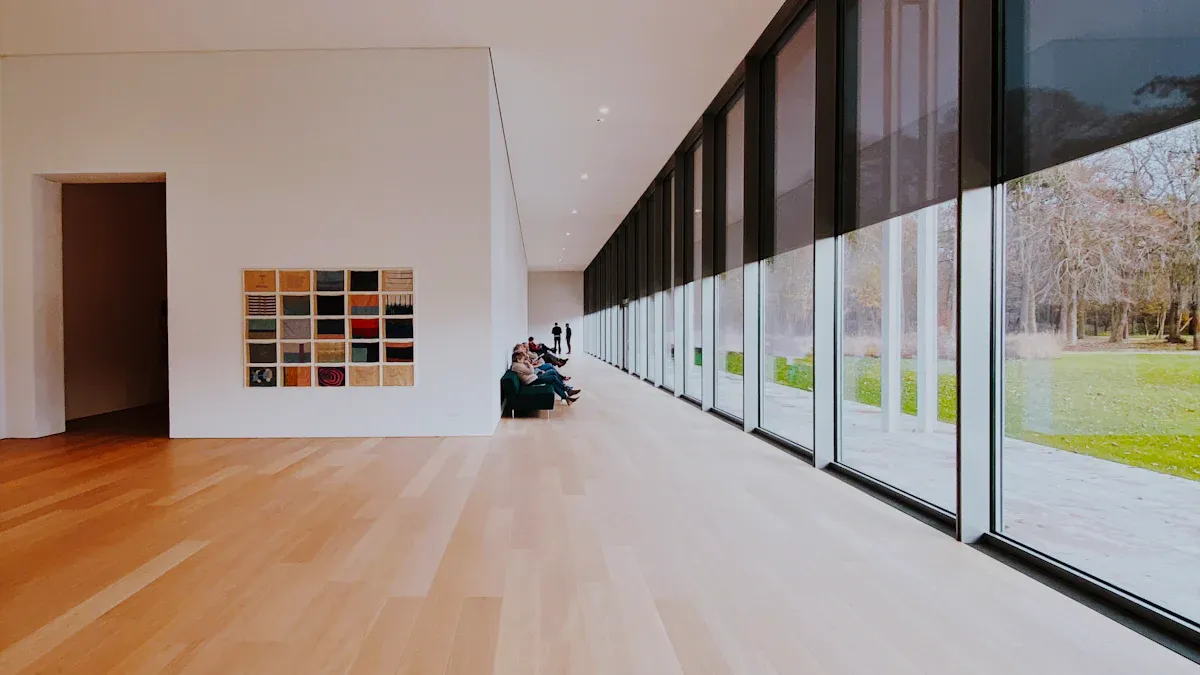
You may notice that sunlight can change the look of your vinyl flooring over time. Sunlight causes fading and discoloration, especially in rooms with large windows or glass doors. When you install vinyl flooring, you want it to keep its color and shine. However, direct sunlight can make your vinyl lose its brightness. You might see dull spots or lighter patches where sunlight hits the floor every day.
Here are some common causes of fading and discoloration in vinyl flooring:
- Direct sunlight can cause your vinyl to fade.
- Chemical spills may stain or dull the surface.
- Improper cleaning techniques can lead to discoloration.
- Continuous exposure to sunlight leads to fading and discoloration over time.
- Using harsh cleaning agents or the wrong products can leave marks or spots.
You should always check for these signs if your vinyl flooring sits in a sunny room.
Heat Buildup and Floor Damage
Sunlight does more than just cause fading. It also heats up your vinyl flooring. When sunlight shines through windows, the temperature on your vinyl can rise quickly. Vinyl flooring starts to expand at 85°F. At 95-100°F, you may notice changes in the size of the planks or tiles. If the temperature reaches 110°F or higher, your vinyl flooring faces a high risk of permanent damage. Over 120°F, most vinyl will suffer guaranteed damage.
Prolonged exposure to heat can lead to warping, expansion, or contraction of vinyl planks and tiles, especially in areas receiving direct sunlight.
The table below shows how heat from sunlight can affect your vinyl flooring:
| Temperature (°F) | Effect on Vinyl Flooring |
|---|---|
| 85+ | Expansion begins |
| 95-100 | Dimensional changes, softening |
| 110+ | Permanent damage, deformation |
| 120+ | Guaranteed damage |
Sunlight Exposure in Different Rooms
Not all rooms get the same amount of sunlight. Sunrooms receive the most sunlight in a home. These rooms have large windows that let in sunlight all day. Vinyl flooring in sunrooms must handle UV rays, temperature changes, and humidity. Living rooms with big windows and kitchens with glass doors also get a lot of sunlight. In these spaces, sunlight can cause fading, warping, and other problems for your vinyl flooring.
- Sunrooms are designed to maximize natural light, making them the rooms with the highest sunlight exposure in residential buildings.
- The intense sunlight in sunrooms creates challenges for vinyl flooring, including UV damage, temperature changes, and moisture.
- Flooring in sunrooms must resist fading, warping, and deterioration caused by these factors.
You should always think about sunlight when choosing vinyl flooring for any room.
Fading Risks and Underlayment for Vinyl Flooring
Why Vinyl Flooring Fades in Sunlight
You may wonder why vinyl flooring changes color when exposed to sunlight. Sunlight contains UV rays that break down the surface of vinyl. Over time, this process leads to fading and discoloration. The main reasons for fading in vinyl flooring come from both chemical and physical changes. The table below shows how these mechanisms work:
| Mechanism | Description |
|---|---|
| Absorption Conversion | Benzotriazole compounds absorb UV photons and convert them into harmless thermal energy. |
| Radical Interception | HALS capture peroxy radicals to halt oxidative chain reactions. |
| Surface Reflection | Micro-roughened textures scatter a significant portion of incoming UV light. |
Luxury vinyl flooring, especially luxury vinyl plank, resists fading better than many other types. This is because it has a strong wear layer and UV inhibitors. These features help keep your vinyl flooring looking bright, even in rooms with lots of sunlight.
Signs of Fading and Discoloration
You can spot early signs of fading in your vinyl flooring if you know what to look for. Watch for these changes:
- Stains or discoloration that persist despite cleaning
- Dullness in appearance
- Presence of dark spots
If you see these signs, your vinyl flooring may already have damage from sunlight. Fading can happen quickly in areas with direct sunlight, such as near sliding glass doors or large windows. Over time, sunlight can make vinyl look burned or worn out.
How Underlayment Can Help Prevent Fading
Underlayment acts as a protective layer between your vinyl flooring and the concrete below. While underlayment cannot block all sunlight, it helps reduce heat buildup. This keeps your vinyl cooler and less likely to suffer from fading. Underlayment also adds stability, which helps prevent warping and other damage caused by temperature changes. If you install vinyl flooring in a room with lots of sunlight, underlayment gives you extra protection. You help your vinyl flooring last longer and keep its color bright. Remember, without any protective measures, sunlight will speed up fading and damage your vinyl.
Do I Need Underlayment for Vinyl Flooring on Concrete?
When Underlayment Is Necessary
You need to ask yourself, do i need underlayment for vinyl flooring on concrete, especially in rooms with sunlight. You want your vinyl flooring to last and look good. Underlayment becomes necessary when you install vinyl flooring over concrete that does not meet certain standards. Concrete must be smooth, dry, and clean. If you see adhesive residue or rough spots, you should use underlayment for vinyl flooring. Sunlight can heat up the floor, so underlayment helps with protection against temperature changes.
You must check if your concrete subfloor follows building codes. Concrete should comply with ACI 302 and ASTM F 710 standards. The floor needs a minimum compressive strength of 3000 PSI. Concrete must cure for at least 60 days before you install vinyl. Moisture testing is important. If moisture levels are high, you need a 6 mil plastic moisture barrier. The pH of the floor should be between 5 and 9. If your concrete does not meet these requirements, underlayment gives extra protection.
Here are some situations where you need underlayment for vinyl flooring:
- Installing vinyl flooring over concrete with moisture issues.
- Rooms with sunlight exposure that cause heat buildup.
- Concrete floors that feel cold or uncomfortable.
- Spaces where you want more soundproofing.
- Concrete that does not meet strength or curing standards.
Benefits of Underlayment in Sun-Exposed Areas
Sunlight can cause fading and damage to vinyl flooring. You want to keep your vinyl looking new. Underlayment provides protection by reducing heat transfer from sunlight. It acts as a barrier, keeping your vinyl cooler and preventing warping. You also get extra comfort when you walk on vinyl flooring. Underlayment helps block moisture from concrete, which is important for protection in sun-exposed rooms.
Look at the table below to see common scenarios where underlayment is recommended for vinyl flooring on concrete:
| Scenario | Benefit |
|---|---|
| Installing over concrete | Provides a moisture barrier to prevent water vapor damage. |
| Cold concrete subfloors | Enhances comfort by making floors warmer and reducing cold transfer. |
| Noisy environments | Improves soundproofing and insulation for a quieter space. |
Sunlight makes rooms warmer. Underlayment helps regulate temperature and protects vinyl flooring from expansion and fading. You get a quieter and more comfortable space. You also protect your vinyl from moisture and damage.
Tip: Always consider underlayment for vinyl flooring in rooms with direct sunlight. You add protection and extend the life of your flooring.
Types of Underlayment for Vinyl Flooring
You have several choices when you ask, do i need underlayment for vinyl flooring on concrete. Each type offers different protection and comfort. Sunlight affects your decision because you want the best protection for your vinyl flooring.
Here is a table showing the main types of underlayment for vinyl flooring and their features:
| Underlayment Type | Key Features | Recommended Use |
|---|---|---|
| High-density foam | Lightweight cushioning, minor sound reduction. | Living rooms, bedrooms |
| Cork | Mold-resistant, excellent sound absorption. | Upper-level installations |
| Rubber | Durable, outstanding for soundproofing. | Noise-sensitive environments |
| Hybrid underlayments | Combines foam with moisture layer or sound-damping technology. | Multi-function performance |
You want to choose underlayment that gives the right protection for your vinyl flooring. High-density foam works well in bedrooms and living rooms. Cork is good for sound and mold resistance. Rubber is best for noise control. Hybrid underlayments offer moisture protection and sound reduction.
You should also know why underlayment matters:
- Concrete is porous and lets moisture pass through, which can damage vinyl flooring.
- Direct installation on concrete feels hard and uncomfortable. Underlayment adds cushioning.
- Underlayment helps insulate against cold from concrete.
- Moisture barrier prevents mold and damage from moisture.
- Comfort improves when you walk on vinyl flooring.
- Thermal insulation keeps your home warm and protects vinyl from sunlight.
You need to think about sunlight, moisture, and comfort when you ask, do i need underlayment for vinyl flooring on concrete. Underlayment gives you the protection you need for long-lasting vinyl flooring.
When You Can Skip Underlayment
You might wonder if you always need underlayment when installing vinyl flooring on concrete. In some cases, you can skip underlayment and still get great results. You need to check a few important things before you decide.
First, look at your vinyl flooring product. Some types of vinyl come with a built-in foam or acoustic backing. This special layer acts like underlayment. If your vinyl flooring has this feature, you do not need to add another underlayment. The built-in layer gives you comfort and sound reduction.
Next, check your concrete subfloor. The concrete must be smooth, dry, and level. You should not see any bumps or dips. The floor should not have more than 3/16 inch difference in height over a space of 10 feet. If your concrete meets this standard, you can install vinyl flooring without extra underlayment.
You also need to think about where you are installing the vinyl flooring. You can skip underlayment if you install on-grade or above-grade concrete. These locations usually have less moisture than below-grade spaces like basements.
Here is a quick checklist to help you decide if you can skip underlayment:
- Your vinyl flooring has an integrated foam or acoustic backing.
- The concrete subfloor is level, dry, and smooth.
- The installation is on-grade or above-grade, not in a basement.
Tip: Always read the instructions from your vinyl flooring manufacturer. Some products require underlayment, even if the floor looks perfect.
You should know the risks if you skip underlayment when it is needed. Without underlayment, moisture can move up from the concrete. This can cause damage to your vinyl flooring. You might notice bubbles, separation, or even a moldy smell under your floor. If you do not leave an expansion gap, your vinyl can buckle when it gets hot from sunlight. High moisture can also weaken the glue, making the planks move out of place.
Here are some problems you might face if you skip underlayment:
- Moisture damage to your vinyl flooring.
- Buckling or warping from heat and sunlight.
- Adhesive failure, causing planks to shift.
- Moldy smells under the vinyl.
- Bubbles or separation in the flooring.
You want your vinyl flooring to last a long time. Always check your product and your subfloor before you skip underlayment. If you are not sure, use underlayment for extra protection. This helps your vinyl stay strong and look good, even in rooms with lots of sunlight.
Choosing the Right Vinyl Flooring with skspcflooring
UV-Resistant Vinyl Flooring Options
When you choose vinyl flooring for rooms with lots of sunlight, you need sunlight-resistant flooring. Many manufacturers offer special products that protect against uv rays. These products help keep your vinyl looking new, even after years of sunlight exposure. For example, Empire Today makes fade-resistant vinyl flooring with a surface coating that blocks uv rays. You can find these in luxury vinyl plank, tile, and sheet styles. Other brands offer luxury vinyl plank with layers that include uv inhibitors. These layers absorb harmful rays and stop fading. The table below shows some options you might see:
| Manufacturer | Product Type | Features |
|---|---|---|
| Empire Today | Fade-Resistant Vinyl Floors | Special surface coating to withstand uv rays, available in luxury vinyl plank, tile, and sheet categories. |
| Various | Luxury Vinyl Plank (LVP) | Multi-layer construction with uv inhibitors, designed to resist fading and wear from sunlight. |
You want sunlight resistance in every part of your vinyl flooring installation. This helps your floor last longer and look better.
Features of skspcflooring Products
skspcflooring gives you sunlight-resistant flooring that stands up to daily use. Each vinyl flooring product uses advanced technology for sunlight resistance. You get a strong wear layer that blocks uv rays and keeps colors bright. The luxury vinyl plank options from skspcflooring have multi-layer construction. These layers add durability and resistance to fading. You also get water resistance and easy cleaning. The installation process is simple, so you save time and effort. You can trust skspcflooring for vinyl flooring installation in any room with sunlight.
Why Quality Matters for Sun-Exposed Spaces
Quality makes a big difference when you install vinyl flooring in rooms with sunlight. High-quality sunlight-resistant flooring gives you better sunlight resistance and longer life. Brands like Proximity Mills and Doma offer strong warranties and thick wear layers. For example, Proximity Mills gives a lifetime limited warranty and a wear layer up to 22 mils thick. This means your vinyl flooring can handle uv rays and daily wear. You want luxury vinyl plank with proven sunlight resistance for the best results. Good installation and the right product protect your investment. Choose skspcflooring for vinyl flooring that offers durability and resistance in every installation.
Extra Tips for Sun-Exposed Vinyl Flooring
Window Treatments and UV Protection
You can protect your vinyl flooring from sunlight by choosing the right window treatments. Sunlight enters through windows and can cause fading in your flooring. Solar screen fabrics work well for blocking UV rays. These shades let you see outside but filter out harmful sunlight. You lower the risk of fading when you use these window treatments. Solar screen fabrics also help reduce heat gain, which keeps your flooring cooler. This is important in rooms with large windows or glass doors. You can use these shades in living rooms, sunrooms, or high traffic areas where sunlight is strong. Quality window treatments help your flooring last longer and keep its color bright.
Maintenance Tips to Reduce Fading
You can follow simple steps to keep your vinyl flooring looking new. Use blinds, curtains, or UV-protective window treatments to limit sunlight. Move rugs and furniture from time to time. This helps sunlight reach different spots and prevents uneven fading. Clean your flooring with a soft mop and gentle cleaner. Avoid harsh chemicals that can damage the surface. Check your flooring often for signs of fading or discoloration. If you see dull spots, act quickly to protect those areas from more sunlight. Regular care helps your flooring stay strong, even in rooms with lots of sunlight.
You should remember three things: sunlight can fade vinyl flooring, heat from sunlight can cause damage, and underlayment helps protect your floor. You need underlayment if your concrete is not perfect or your room gets lots of sun.
Use this checklist before you decide:
- Does your room get strong sunlight?
- Is your concrete smooth and dry?
- Does your vinyl have built-in underlayment?
Choose wisely to keep your floor looking new.
FAQ
What is a subfloor, and why does it matter for vinyl flooring?
A subfloor is the base layer under your flooring. You need a strong subfloor to support vinyl. If your subfloor is uneven or weak, your vinyl may not last. Always check your subfloor before installing new flooring.
How does moisture affect my subfloor and vinyl flooring?
Moisture can damage both your subfloor and vinyl flooring. If moisture gets trapped under vinyl, it can cause mold or warping. You should test for moisture before installing vinyl. A dry subfloor keeps your floor safe.
Do I need to prepare my subfloor before installing vinyl flooring?
Yes, you must prepare your subfloor. Clean the subfloor and remove dust or debris. Make sure the subfloor is dry and level. Fix any cracks or holes. A smooth subfloor helps your vinyl flooring last longer.
Can I install vinyl flooring over any subfloor?
You can install vinyl over many subfloor types, such as concrete or plywood. The subfloor must be clean, dry, and flat. If your subfloor has high moisture, use a moisture barrier. Always follow the manufacturer’s instructions for your subfloor.
What should I do if my subfloor has high moisture?
If your subfloor has high moisture, use a moisture barrier before installing vinyl. This barrier protects your vinyl from damage. You can also use a dehumidifier to lower moisture. Always check moisture levels in your subfloor before starting.




