
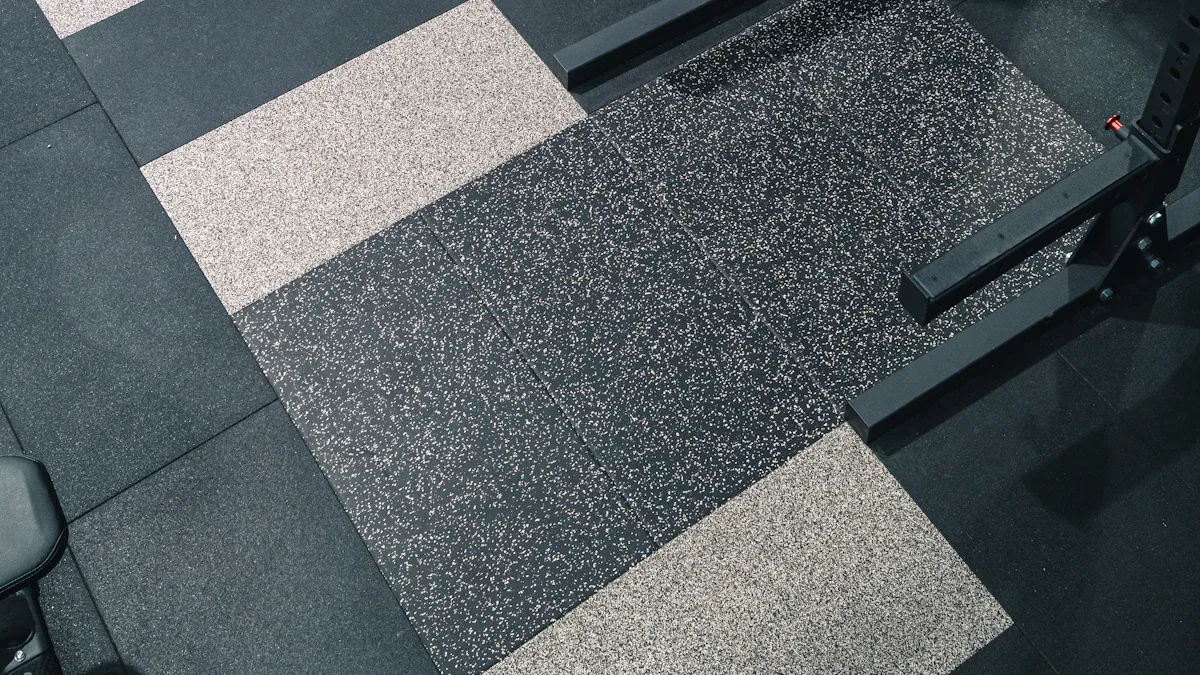
You may wonder if click floor tiles can really handle heavy furniture without dents. In most cases, you do not need to worry. High-quality flooring, like the options from skspcflooring, stands up well to pressure from sofas, tables, or beds. The strong construction and advanced materials used in each floor give you peace of mind for daily living.
Can Click Floor Tiles Withstand Heavy Furniture?

What to Expect from skspcflooring Products
You want your floor to last. When you choose skspcflooring, you get products that meet strict international standards. The company uses advanced technology and high-quality materials. This means your click floor tiles can handle daily life and the weight of heavy furniture. You do not need to worry about the floor losing its shape or strength.
skspcflooring tests its flooring for durability. The factory uses modern machines to check each batch. These tests make sure the tiles can support a lot of weight. Compressive strength is important. Most high-quality tiles can handle thousands of pounds per square inch. This shows that your floor will not crack or break under normal use.
You also benefit from careful installation. A flat and even surface helps the tiles stay strong. If you install the tiles correctly, you get the best performance. You can trust that your flooring will look good and last for years.
Tip: Always follow the installation guide from skspcflooring. This helps you get the most out of your floor.
Common Concerns About Dents
Many people worry about dents when they place heavy furniture on click floor tiles. You want your floor to stay smooth and beautiful. High-quality tiles from skspcflooring resist dents because of their strong core and tough surface. The wear layer adds extra protection. This layer keeps the floor looking new, even with daily use.
You may wonder if the shape of your furniture legs matters. Wide or padded legs spread out the weight. This helps prevent dents. Thin or sharp legs can focus pressure on a small spot. You can use furniture pads to protect your floor.
Here are some facts about click floor tiles and dents:
- Most tiles have a strong core that resists pressure.
- The wear layer protects against scratches and dents.
- Proper installation keeps the floor stable and strong.
- Using furniture pads or coasters helps spread the weight.
You can feel confident when you choose skspcflooring. The company designs its products for durability and quality. Your floor will stand up to daily life and keep its good looks.
Why Dents Happen on Click Floor Tiles
Material and Construction Factors
You may notice that the core material in click floor tiles plays a big role in how well your floor stands up to pressure. Most high-quality tiles use a stone-plastic composite (SPC) or wood-plastic composite (WPC) core. These materials create a dense and stable base. SPC cores give you extra strength, which helps your floor resist dents from heavy furniture. WPC cores add a bit of cushioning but still keep the floor strong. The multi-layer design of rigid core flooring spreads out the force from furniture. This makes it less likely for dents to form, even in busy rooms.
- SPC cores work well in both homes and commercial spaces.
- WPC cores offer comfort and stability for daily use.
- The strong core layer helps your floor handle impacts and weight.
Wear Layer Thickness and Durability
You should pay attention to wear layer thickness when choosing your floor. A thicker wear layer gives your floor better protection against scratches and stains. It also helps prevent dents from forming. Some top-quality floors have a wear layer so strong that they do not rip or dent easily. This means your floor can look new for a long time, even if you move furniture or have a busy household.
Tip: Choose a floor with a thicker wear layer if you want extra durability.
Subfloor and Installation Quality
You need a smooth, flat, and clean subfloor for the best results. If the surface under your tiles is uneven, your floor may not perform well. Hollow spots can form, and the tiles might shift or buckle under heavy furniture. Careful installation helps your floor stay strong and stable. When you follow the installation guide and use protective pads under furniture, you lower the risk of dents. Paying attention to these details keeps your floor looking its best.
Furniture Leg Shape and Weight Distribution
When you place furniture on your click floor tiles, the shape and size of the furniture legs matter a lot. Wide, flat legs spread the weight over a larger area. This helps protect your floor. Small or pointed legs focus the weight on a tiny spot. This can press down hard on the tiles.
You should look at the bottom of your chairs, tables, and sofas. If the legs are thin or have sharp edges, they can leave marks. Heavy furniture with small legs puts more pressure on the floor. Over time, this can cause dents. You want to avoid this by choosing furniture with wider legs or by adding glides.
Glides are small pads that you attach to the bottom of furniture legs. They help spread out the weight. You can find glides made of felt, rubber, or plastic. These materials are gentle on your floor. When you use glides, you lower the risk of damage.
Tip: Always check your furniture before placing it on your new floor. If you see sharp or narrow legs, add protective pads or glides.
Here is a simple table to show how different leg shapes affect your floor:
| Leg Shape | Weight Distribution | Floor Protection |
|---|---|---|
| Wide/Flat | Good | High |
| Round/Medium | Fair | Medium |
| Thin/Pointed | Poor | Low |
You can see that wide and flat legs are best for your click floor tiles. They keep your floor looking smooth and new. By paying attention to the shape and size of your furniture legs, you make your floor last longer.
Preventing Scratches and Dents on Click Floor Tiles
Using Furniture Pads and Protectors
You want your click floor tiles to look new for years. Furniture pads and protectors help you achieve this goal. These pads use soft, sturdy rubber that acts as a shield between your furniture and the floor. The unique design of many pads includes convex lines that grip furniture legs of any shape. The bottom side of the pad prevents sliding, which keeps your furniture stable and your floor safe.
When you use furniture pads, you reduce the risk of dents and scratches. Pads work well with many types of flooring, including vinyl and tile. You can trust them to provide reliable protection for your home. They also help with preventing scratches and dents by spreading out the weight of heavy items. This simple step gives you peace of mind and keeps your floor looking its best.
Tip: Check your furniture regularly. Replace worn pads to keep your protection strong.
Placing Area Rugs and Mats
Area rugs and mats do more than add style to your room. They serve as a barrier that helps with preventing scratches and dents. You can place rugs under heavy furniture to protect your floor from damage. Rugs and mats distribute the weight of furniture, which lowers the chance of dents forming.
- Area rugs act as a shield against scratches and dents.
- Mats provide an extra layer of protection for your flooring.
- Rugs help spread out the weight of heavy items.
- Rug pads made from felt or natural rubber add even more protection.
You can use floor protectors and rugs together for the best results. This combination gives your floor double the defense. You will notice fewer marks and less wear over time. Rugs also make your space feel cozy and inviting.
Moving Furniture Safely
Moving furniture can cause dents and scratches if you do not use the right techniques. You should always use furniture sliders. These small disks fit under the legs of your furniture and let you glide items across the floor without causing damage. Wrapping your furniture in padding or blankets adds another layer of protection. This step keeps both your furniture and your flooring safe.
You can also lay down cardboard to create a smooth surface. This makes moving heavy items easier and helps with preventing scratches and dents. Avoid dragging furniture across the floor. Lifting or sliding with protection works best for preventing damage.
Note: Most scratches and dents happen when you drag heavy items. Take your time and use the right tools for moving furniture.
You want your home to look great. By focusing on preventing scratches and dents, you protect your investment and keep your floor in top condition. Quality products and smart habits make a big difference in the life of your flooring.
Regular Cleaning and Maintenance Tips
You want your flooring to stay beautiful and strong for years. Regular cleaning and smart maintenance help you achieve this goal. Dirt and dust can scratch the surface if you leave them too long. You should sweep or vacuum your flooring every few days. Use a soft broom or a vacuum with a gentle brush. This keeps the surface clear and prevents tiny particles from causing damage.
Water and spills can harm your flooring if you do not clean them quickly. Wipe up any spills right away. Use a damp mop for deeper cleaning. Avoid soaking the floor with too much water. Choose a mild cleaner that does not leave residue. Harsh chemicals can dull the finish and weaken the protective layer.
Heavy furniture can leave marks if you do not protect your flooring. You can use several methods to keep your floor safe:
- Place furniture pads under the legs. These pads spread out the weight and stop dents from forming.
- Lay area rugs in high-traffic spots. Rugs protect the flooring and add color to your room.
- Attach furniture glides to the bottom of chairs and tables. Glides make moving furniture easier and prevent scratches.
You can also create a cleaning schedule. Mark your calendar for weekly sweeping and monthly deep cleaning. This routine keeps your flooring in top shape. You should check the pads and glides often. Replace them if they look worn or damaged.
Here is a simple table to help you remember the best maintenance steps:
| Task | Frequency | Purpose |
|---|---|---|
| Sweep/Vacuum | Every 2-3 days | Remove dust and debris |
| Damp Mop | Weekly | Clean surface and stains |
| Check Pads/Glides | Monthly | Prevent dents and scratches |
| Area Rugs | As needed | Protect and decorate |
Tip: Always use gentle tools and cleaners. This keeps your flooring looking new and prevents damage.
You can enjoy a clean and sturdy floor when you follow these easy steps. Good habits and regular care help your flooring last longer and stay beautiful.
Protecting Luxury Vinyl Tile from Heavy Furniture
Choosing the Right Furniture Accessories
You can protect luxury vinyl tile by choosing the right accessories for your home. Self-adhesive felt pads work well on furniture bases. These pads come in different sizes and thicknesses, so you can match them to your furniture. High-quality felt or rubber pads help distribute the weight of heavy furniture. This prevents dents and keeps your floor looking smooth. You can place sturdy plywood under appliances like fridges or washers. This spreads their weight and stops marks from forming. Bed sheets, wooden boards, or carpets also act as protective layers. Lift heavy furniture instead of dragging it to avoid scuffing your luxury vinyl tile.
- Self-adhesive felt pads prevent scratches and dents.
- Rubber pads help distribute weight evenly.
- Plywood under appliances protects the floor.
- Carpets and boards add extra protection.
Best Practices for Long-Term Protection
You want your luxury vinyl tile to last for years. Start by cleaning the floor before placing furniture. Dust and debris can cause scratches. Always lift heavy items into place. Dragging furniture can damage your flooring. Use glides or furniture pads when moving heavy items. These accessories make moving easier and safer for your luxury vinyl tile. Adjust furniture placement as temperatures change. This prevents buckling and keeps your floor stable. Avoid using furniture dollies without a mat. Dollies can concentrate weight and cause damage. Place a mat under the dolly if you need to move furniture.
| Practice | Benefit |
|---|---|
| Clean floor before furniture | Prevents scratches |
| Lift heavy items | Avoids scuffing |
| Use glides or pads | Protects luxury vinyl tile |
| Adjust placement seasonally | Prevents buckling |
| Use mats with dollies | Stops concentrated damage |
Tip: Check your accessories often. Replace worn pads or glides to keep your luxury vinyl tile safe.
How skspcflooring Ensures Durability
You can trust skspcflooring to deliver luxury vinyl tile with outstanding durability. The brand uses advanced materials and strict quality control. Each tile meets international standards for strength and safety. The factory tests every batch for compressive strength. This ensures your luxury vinyl tile can handle heavy furniture without losing shape. The wear layer protects against scratches and dents. You get a floor that stays beautiful and strong. skspcflooring also offers guidance for installation and care. You receive support to maximize the durability of your flooring.
Note: skspcflooring combines modern design with proven durability. You enjoy a luxury vinyl tile floor that stands up to daily life and heavy furniture.
What to Do If Dents Occur in Click Floor Tiles
Assessing and Identifying Damage
You may notice a mark or dip in your flooring and wonder if it is serious. Start by checking the area closely. Look under heavy furniture and in places where people walk often. You want to spot any damage early. Clean the spot with a soft cloth to remove dust and dirt. This helps you see the damage clearly. If you find a dent, decide if it is small or deep. Small dents often need simple fixes. Deep damage may need more attention.
Here is a simple way to assess and identify damage:
- Inspect the area for dents or marks.
- Clean the spot to see the damage better.
- Check if the damage is minor or severe.
- Decide if you need a repair kit or a replacement tile.
Tip: Regular checks help you catch damage before it gets worse.
Simple Fixes for Minor Dents
You can fix many small dents yourself. Start by cleaning the damaged area well. Use a gentle cleaner and a soft cloth. For tiny dents, use a repair kit. These kits often come with a filler and a tool to smooth the surface. Apply the filler, let it dry, and buff the spot gently. If the dent is in vinyl flooring, you can use a hair dryer to warm the area. This softens the material. Press the dent flat with a smooth tool, then let it cool. Repeat if needed until the damage blends in.
Here are the steps for minor repairs:
- Clean the damaged spot.
- Use a repair kit or heat to fix the dent.
- Let the area dry or cool.
- Buff the spot to match the rest of the flooring.
When to Replace Damaged Tiles
Sometimes, damage is too deep for a simple fix. If you see cracks, large dents, or broken edges, you may need to replace the tile. Start by removing the damaged tile carefully. Clean the space before you put in a new tile. Follow the instructions from your flooring manufacturer. This keeps your floor looking even and strong. You can ask a professional for help if you are not sure how to replace a tile.
Note: Replacing a damaged tile keeps your flooring safe and beautiful for years.
You can trust click floor tiles to handle heavy furniture and daily activity. To keep your floor free from dents, use furniture pads, avoid dragging items, and place rugs in busy spots. If you notice dents, simple repair methods like heat or filler help restore your flooring. Regularly check and replace felt pads, use sliders when moving heavy items, and place furniture on cups or plywood for extra protection.
| Tip Type | Description |
|---|---|
| Preventive | Use furniture pads, avoid dragging heavy furniture, trim high heels and pets’ claws, and consider rugs in high-traffic areas. |
| Repair Method | Heat softens the vinyl, making it easier to restore its shape. Use a hairdryer or a low-heat setting on a heat gun. |
| Repair Method | Adding moisture can help vinyl return to its original form. Place a damp cloth over the dent and apply heat. |
| Repair Method | For stubborn dents, apply a color-matched vinyl filler or putty from a repair kit and smooth it with a putty knife. |
| Preventive | After repairing, protect your flooring by placing furniture pads under heavy items and avoiding dragging furniture. |
- Use furniture sliders or dollies when moving heavy items.
- Place furniture on cups or plywood to distribute weight.
- Regularly inspect and replace felt pads to prevent scratches and dents.
You protect your investment and keep your flooring looking great when you follow these simple steps.
FAQ
Can click floor tiles handle heavy furniture?
You can place heavy furniture on click floor tiles. The strong core and wear layer protect your floor. You do not need to worry about dents if you use furniture pads and follow proper installation steps.
How do I prevent dents from heavy or sharp objects?
You can use felt pads or glides under furniture legs. Area rugs and mats also help. Avoid dragging heavy or sharp objects across the floor. Lift items when moving them to keep your floor safe.
What makes a quality vinyl product durable?
A quality vinyl product uses advanced materials and a thick wear layer. The strong core resists pressure and impacts. You get a floor that stands up to daily use and heavy furniture without losing its shape.
Can I fix minor dents myself?
You can repair small dents with a vinyl repair kit or gentle heat. Clean the area first. Use the kit or a hair dryer to smooth the dent. Buff the spot to match the rest of your floor.
Should I replace a tile if it has deep damage?
You should replace a tile if you see cracks or deep dents. Remove the damaged tile and clean the area. Install a new tile following the manufacturer’s instructions. This keeps your floor strong and beautiful.




