
You might wonder, is vinyl plank flooring toxic? Many homeowners ask this question because they care about their family’s health. Some types of vinyl can release chemicals like phthalates, VOCs, or even traces of lead and cadmium. These chemicals can cause headaches, dizziness, or skin irritation, especially with long-term exposure. You also see how color fades with exposure to sunlight. Sunlight can change the look of your vinyl flooring over time. Before you install vinyl in your home, you should know how safe and durable it is.
Is Vinyl Plank Flooring Toxic? Safety and Materials

What Is Vinyl Flooring Made Of?
You may wonder what goes into making vinyl flooring. Manufacturers use several main components to create luxury vinyl flooring and luxury vinyl plank products. The table below shows the most important materials:
| Component | Description |
|---|---|
| Polyvinyl chloride (PVC) | The primary component, a polymer synthesized from salt and petroleum or natural gas, ensuring durability and strength. |
| Plasticizers | Added to enhance flexibility and durability during the manufacturing process. |
| Limestone fillers | Incorporated for stability and dimensional strength, impacting performance and longevity. |
You see that polyvinyl chloride forms the base of most vinyl flooring. Plasticizers make luxury vinyl plank flexible and comfortable underfoot. Limestone fillers add strength and help the planks last longer. These materials work together to give you a durable and attractive floor.
Toxic Chemicals and Indoor Air Quality
You may ask, is vinyl plank flooring toxic? This question matters because you want a safe home. Vinyl flooring can release toxic chemicals into the air. These emissions can affect indoor air quality, especially right after installation.
When you install luxury vinyl flooring, you may notice a strong smell. This comes from volatile organic compounds, or VOCs, and other toxic fumes. Some of the most common chemicals found in indoor air after installing vinyl flooring include:
- DPGME
- Phenol
- TMPD-MIB
- n-tridecane
- n-tetradecane
- n-pentadecane
- n-hexadecane
Vinyl flooring can also contain phthalates, which are known as endocrine disruptors. These chemicals can enter the air through a process called off-gassing. You may also find dioxins and other toxic chemicals in some types of vinyl. These substances can lower indoor air quality and may cause headaches or breathing problems.
Luxury vinyl flooring can emit VOCs and other toxic chemicals. Continuous exposure to these substances can pose health risks, especially for children and the elderly. You should always ask, is vinyl plank flooring toxic, before choosing a product for your home.
When you compare vinyl flooring to other options, you see some differences:
- Vinyl flooring is made from polyvinyl chloride, which can release VOCs and other toxic chemicals.
- Hardwood flooring is generally safer and more environmentally friendly. It releases fewer VOCs and comes from renewable resources.
You should always consider indoor air quality when choosing luxury vinyl plank or any other flooring.
skspcflooring Certifications and Safety Standards
You want to know that your luxury vinyl flooring meets high safety standards. SK-Floor, also known as skspcflooring, follows strict international guidelines to protect your indoor air quality. The company’s products meet several important certifications:
| Certification Name | Impact on Indoor Air Quality |
|---|---|
| Asthma & Allergy Friendly® Certification | Tests for VOC emissions and allergen removal, ensuring flooring contributes to a healthier indoor environment. |
| VOC Emissions Testing | Measures VOCs emitted by flooring, ensuring they meet strict safety limits during installation and over time. |
| Allergen Removal Testing | Ensures flooring is easy to clean, reducing allergens and preventing them from being released into the air. |
SK-Floor also holds GREENGUARD Gold Certification. This certification ensures low VOC emissions and supports healthier indoor air quality. Regular testing helps SK-Floor maintain compliance with strict health criteria. International organizations recognize these certifications, so you can trust the safety of your luxury vinyl plank flooring from skspcflooring.
Tip: Always look for certified luxury vinyl flooring to protect your family’s health and improve indoor air quality.
By understanding what goes into vinyl flooring and how it affects your home, you can make a safer choice for your family.
Color Fades with Exposure: Sunlight and Vinyl Flooring
How Sunlight Affects Vinyl Flooring Appearance
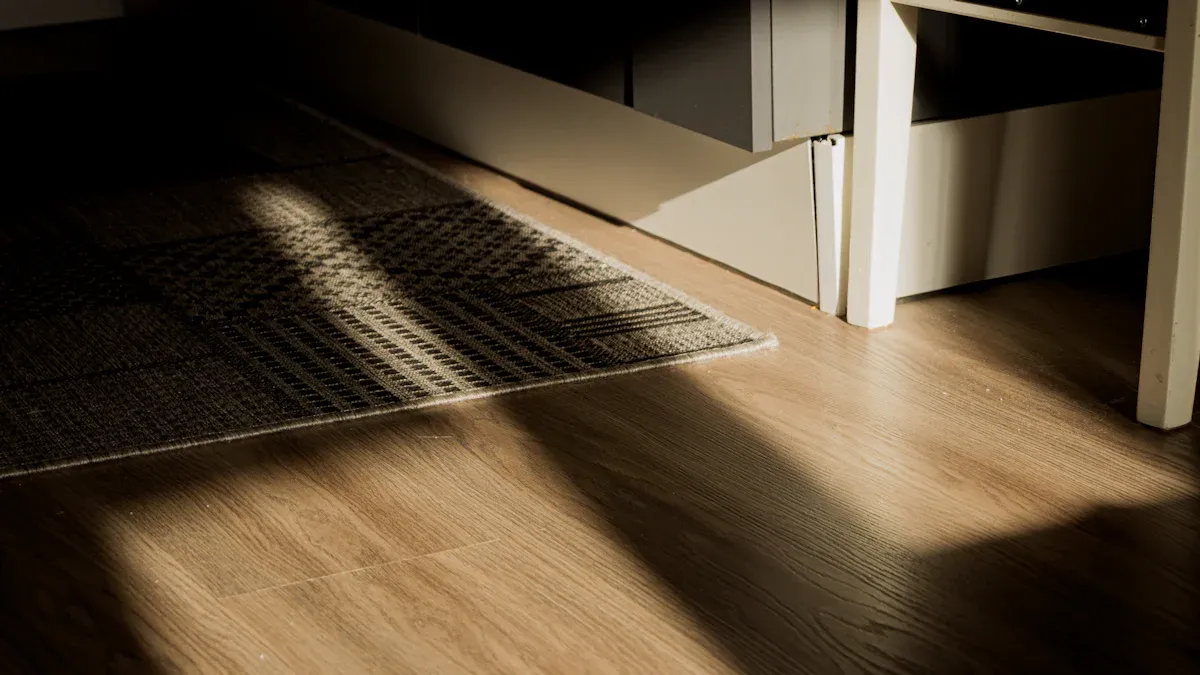
You notice changes in vinyl flooring when sunlight shines on it for a long time. The color can fade, and the surface may lose its shine. You see discoloration in areas that get more sunlight. The wear layer becomes less vibrant, and the floor looks dull. High temperatures from direct sunlight can cause curling or peaking. These changes affect how your floor looks and can make it less safe to walk on. You want to keep your vinyl flooring looking new, so you need to understand how sunlight changes its appearance.
Note: If you place vinyl flooring in a room with lots of windows, you may see fading and discoloration faster than in shaded rooms.
UV Rays and Fading Timelines
UV rays from sunlight cause most of the fading in vinyl plank flooring. You see the effects over time, especially with long exposure to sunlight. Manufacturers use UV inhibitors to protect the color and texture of vinyl. High-quality vinyl flooring, like Wood Texture Vinyl SPC Flooring, includes these UV inhibitors. The SPC core stays stable even when temperatures rise. The top layer resists brittleness and rough texture, so your floor stays smooth.
| Aspect | Effect of UV Rays |
|---|---|
| Colorfastness | High-quality Wood Texture Vinyl SPC Flooring is designed with UV inhibitors to prevent fading. |
| Heat Resistance | The SPC core remains stable under high temperatures, preventing warping or expansion. |
| Surface Integrity | The top layer is tough and resistant, minimizing brittleness or rough texture over time due to sunlight. |
Luxury vinyl plank flooring uses layered UV inhibitors and a strong wear layer. These features help prevent fading. Laminate flooring can fade under sunlight, but higher-quality versions resist UV damage. You see that the best vinyl flooring keeps its color and texture longer, even in sunlit rooms.
Durability in Sunlit Spaces
You want your vinyl flooring to last, even in rooms with lots of sunlight. Vinyl is strong, but long exposure to sunlight can reduce its lifespan. You may notice fading of the design layer in areas with direct sunlight. Rooms with less sunlight help vinyl flooring stay vibrant and last longer.
- Vinyl flooring is not recommended for spaces with heavy direct sunlight because fading can happen quickly.
- Long exposure to sunlight leads to fading of vinyl flooring’s color, which means the floor may not last as long in sunlit rooms as in shaded rooms.
You can choose high-quality vinyl with UV protection to improve durability. You also protect your floor by using window treatments or placing rugs in sunlit spots. You keep your vinyl flooring looking good and lasting longer when you manage sunlight exposure.
Tip: If you want vinyl flooring in a sunlit room, select products with UV inhibitors and a tough wear layer. This helps prevent fading and keeps your floor safe and beautiful.
Preventing Fading and Toxic Risks in Vinyl Plank Flooring
Choosing UV-Resistant Vinyl Flooring from skspcflooring
When you select vinyl flooring for your home, you want it to last and keep its color. UV-resistant vinyl from skspcflooring offers strong protection against sunlight. You should look at several features before you choose. The table below helps you compare important qualities:
| Feature | Description |
|---|---|
| Quality of the Vinyl Flooring | Higher-quality materials lead to more durable and fade-resistant products. |
| Thickness of the Wear Layer | A thicker wear layer (20-30 mils) provides better protection against UV damage. |
| Intensity and Duration of Sunlight Exposure | Direct sunlight exposure increases fading risk; consider window treatments to minimize this. |
| Type of Pigments Used | UV-resistant pigments enhance color longevity and reduce fading. |
You can also ask about specialized UV-resistant coatings. These coatings create an invisible barrier that helps prevent sun damage to your vinyl. Choosing the right product from skspcflooring means your floors will look new for years.
Window Treatments and UV Protection Solutions
You can protect your vinyl flooring by using window treatments that block UV rays. Some window films, like 3M Window Films, block up to 99% of UV rays. These films let in natural light but reflect heat, making your home more comfortable. They also have the Skin Cancer Foundation’s Seal of Recommendation, showing they work well for UV protection.
- Clear UV window film blocks about 99% of UV rays, which cause around 40% of fading.
- Window films do not stop all fading because visible light and heat also play a role, but they greatly reduce UV-induced fading.
You can also use automated blinds during peak sunlight hours for extra protection.
Furniture, Rug Placement, and Floor Protection
You can keep your vinyl flooring looking its best by placing area rugs in high-traffic or sunlit spots. Rugs protect your floor from scratches and heavy use. If you position rugs away from direct sunlight, you help reduce fading and keep colors bright.
- Regular vacuuming removes dirt that can wear down the flooring under rugs.
- Rotating rugs every 6-12 months ensures even exposure to light and prevents uneven fading.
- Moving furniture from time to time also helps avoid patches of faded vinyl.
Luxury vinyl flooring often comes with built-in UV resistance, which helps minimize sunlight damage over time. Using these simple steps, you can enjoy beautiful, long-lasting floors in every room.
Cleaning and Maintenance for Longevity
You want your vinyl flooring to look great and last for years. Regular cleaning and smart maintenance help you protect your investment. Dirt and grit can scratch the surface, so you should sweep or vacuum daily or every other day. Weekly, use a damp mop with a pH-neutral cleaner. This keeps your vinyl clean without harming the finish.
Tip: Always clean up spills right away. Quick action prevents slippery spots and keeps your vinyl flooring safe.
You should avoid harsh chemicals and abrasive pads. These products can stain or damage the surface. Using the wrong cleaner may leave marks and weaken the flooring. Stick to vinyl-specific cleaners and never use wax-based products. Vinyl does not need waxing, and wax can attract dirt.
Here are some simple steps to follow:
- Sweep or vacuum high-traffic areas every day.
- Mop weekly with a microfiber mop and a neutral pH cleaner.
- Place mats at entryways to trap dirt and moisture.
- Attach felt pads to furniture legs to prevent scratches.
- Rotate area rugs every few months to avoid uneven fading.
- Use window coverings to manage sunlight and reduce fading.
You should never use steam mops unless the manufacturer says it is safe. Excess moisture can cause warping or mold. If you use abrasive pads, you risk scratching the surface and making your vinyl flooring wear out faster.
| Maintenance Task | Frequency | Purpose |
|---|---|---|
| Sweeping/Vacuuming | Daily/Every other day | Removes dirt and grit |
| Damp Mopping | Weekly | Cleans without damaging finish |
| Spill Cleanup | Immediate | Prevents stains and slips |
| Mat Placement | Entryways | Traps dirt and moisture |
| Furniture Protection | As needed | Prevents scratches |
You keep your vinyl flooring looking new when you follow these routines. Regular care helps you avoid costly repairs and keeps your home safe.
Installation Tips for Sunlit Rooms
Assessing Sunlight Levels Before Installation
You should check how much sunlight enters your room before you install vinyl. Walk through the space at different times of the day. Notice where the sun shines the brightest. Rooms with large windows or glass doors get more sunlight. You can use a simple light meter or even your phone to measure brightness. Mark the spots that get the most sun. This helps you plan where to place your vinyl flooring and where you might need extra protection.
Tip: Rooms facing south or west usually get the strongest sunlight. You may want to use window coverings in these areas.
Subfloor and Underlayment Choices for Vinyl Flooring
You need a strong base for your vinyl. The subfloor must be clean and dry. If you skip this step, your floor may not last as long. The underlayment adds comfort and protects your vinyl from damage. You should choose the right underlayment for sunlit rooms. The table below shows some good options:
| Underlayment Type | Benefits | Suitability |
|---|---|---|
| Foam | Cost-effective, provides cushioning | Good for plywood subfloors |
| Cork | Excellent sound insulation, mold resistant | Suitable for areas with moisture |
| Felt | Good sound insulation, eco-friendly | Best for dry areas |
| Rubber | Moisture protection, superior insulation | Ideal for moisture-prone areas |
| Plywood | Strong, moisture-resistant | Good for many conditions |
| OSB | Durable alternative to plywood | Handles moisture well |
When you install underlayment, lay it in the opposite direction of your vinyl planks. Keep the shiny side up. Leave a two-inch gap around the edges. Seal the seams with clear packing tape. In rooms with lots of sunlight, glue the underlayment to the subfloor for extra stability.
Following Manufacturer and skspcflooring Recommendations
You should always read the instructions from the manufacturer before you start. Each brand may have special steps for installing vinyl in sunlit rooms. SK-Floor, also known as skspcflooring, provides clear guidelines for their products. Follow their advice on acclimating the planks, using the right tools, and spacing the boards. This helps your vinyl flooring last longer and look better. If you have questions, contact skspcflooring for support.
Note: Careful installation protects your investment and keeps your vinyl looking new, even in bright rooms.
You want to know is vinyl plank flooring toxic and how sunlight affects your floors. Here are the most important things to remember:
- Sunlight can fade vinyl and cause discoloration over time.
- To prevent fading, use window treatments, UV-blocking films, or area rugs.
- Choose vinyl with high UV resistance and protective coatings.
- Clean your vinyl gently with non-abrasive products.
- Rotate furniture to avoid uneven fading.
You should always ask is vinyl plank flooring toxic before you buy. Make smart choices to keep your vinyl flooring safe, beautiful, and long-lasting.
FAQ
What makes skspcflooring vinyl plank flooring safe for homes?
You get flooring that meets strict international standards. SK-Floor uses low-VOC materials and holds certifications like ISO9001 and GREENGUARD Gold. These features help protect your indoor air quality and keep your family safe.
How can you prevent fading in sunlit rooms?
You can use window films, blinds, or curtains to block UV rays. Place rugs in sunny spots. Choose UV-resistant vinyl flooring from skspcflooring for extra protection.
Is vinyl plank flooring waterproof?
Yes, vinyl plank flooring resists water. You can install it in kitchens, bathrooms, or basements. Spills clean up easily, and the floor stays strong.
How often should you clean vinyl plank flooring?
You should sweep or vacuum daily. Mop with a damp cloth and pH-neutral cleaner once a week. Quick cleanup of spills keeps your floor looking new.




