
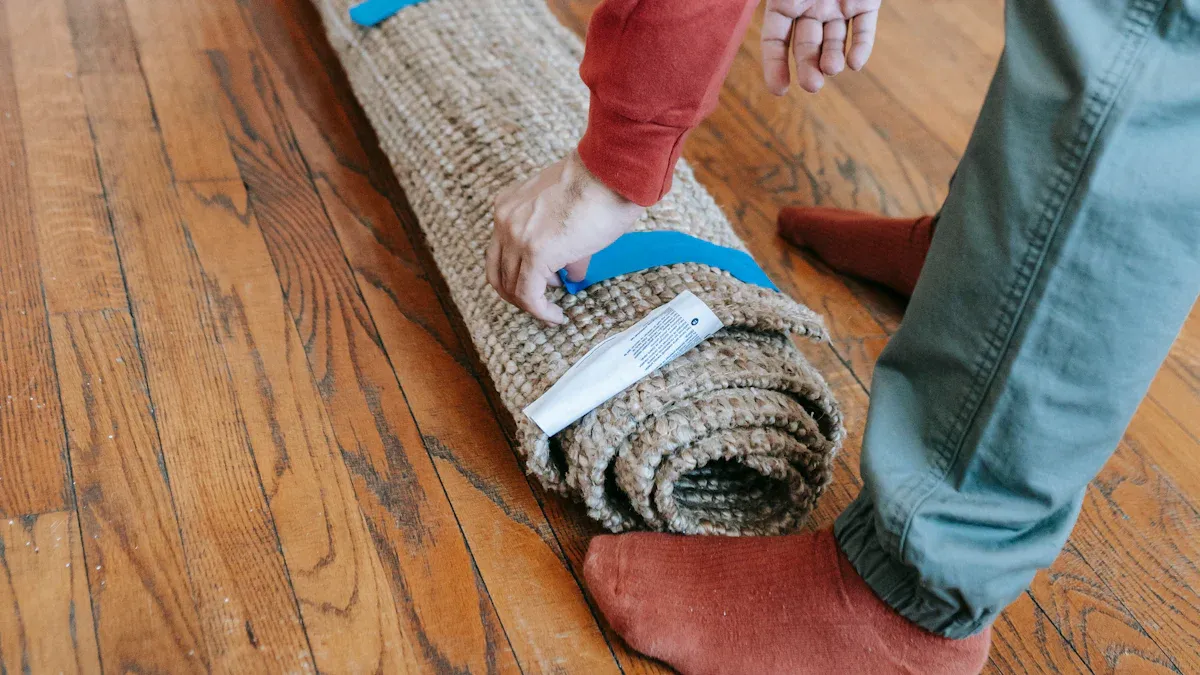
When you choose what underlayment for vinyl plank flooring, you need to pay attention to underlayment thickness. Most vinyl flooring works best with 1mm or 2mm underlayment. You can use 1mm for rooms with attached pads or low foot traffic. For added comfort and sound reduction, pick 2mm, especially over concrete subfloors. Always check if your vinyl planks have an attached pad before you add underlayment. If you want the best underlayment for vinyl flooring, make sure to match the underlayment for vinyl to your room’s needs. This will help you answer how thick should underlayment be for your installation.
Quick Reference for What Underlayment for Vinyl Plank Flooring

Concrete Subfloor Recommendations
When you install vinyl plank flooring over a concrete subfloor, you need to choose the right underlayment for vinyl. Concrete can feel cold and hard. It can also let moisture rise up. You should use an underlayment that is 1mm to 1.5mm thick. This thickness gives you a good balance of comfort and protection. Many people use cork or foam underlayment for vinyl plank flooring on concrete. These materials help block moisture and add a soft feel under your feet. If you want extra moisture protection, look for underlayment with a built-in vapor barrier.
Tip: Always check if your concrete subfloor is dry before you lay down any underlayment. Moisture can damage your vinyl flooring over time.
Wood Subfloor Recommendations
Wood subfloors are common in many homes. When you install vinyl flooring over wood, you should use an underlayment that includes a Class II moisture retardant. This type of underlayment helps protect your wood subfloor from small amounts of moisture. It also adds a bit of cushion and reduces noise. You do not need a very thick underlayment for vinyl on wood. A 1mm to 2mm underlayment works well in most cases. Make sure your wood subfloor is clean and level before you start.
- Use a Class II moisture retardant underlayment for vinyl plank flooring over wood.
- Choose 1mm to 2mm thickness for comfort and sound reduction.
Rooms with Attached Underlayment
Some vinyl plank flooring comes with an attached underlayment. If your planks have this feature, you usually do not need to add another layer. The attached pad gives you basic comfort and sound reduction. However, these pads do not connect between planks, so they do not form a full moisture barrier. If you want better sound control, insulation, or moisture protection, you can add a thin underlayment for vinyl under your flooring. Always check the manufacturer’s instructions before adding extra underlayment.
- Attached pads do not create a complete moisture barrier.
- Adding an extra underlayment can improve sound, insulation, and moisture protection.
High-Moisture Area Solutions
You may want to install vinyl plank flooring in places like bathrooms, kitchens, or basements. These rooms often have high moisture. You need to protect your floor from water damage. Choose an underlayment with a built-in vapor barrier. This barrier helps stop water from reaching your subfloor. A 1.5mm to 2mm underlayment works well in these areas. It gives you extra protection and comfort.
Tip: Always check the moisture level of your subfloor before you start. You can use a moisture meter for this step.
Here is a quick table to help you pick the right underlayment for high-moisture rooms:
| Room Type | Recommended Underlayment | Thickness | Special Feature |
|---|---|---|---|
| Bathroom | Foam with vapor barrier | 1.5-2mm | Moisture protection |
| Kitchen | Foam with vapor barrier | 1.5-2mm | Moisture protection |
| Basement | Cork or foam, vapor barrier | 2mm | Extra insulation |
If you use the right underlayment, you can keep your vinyl plank flooring safe and long-lasting.
High-Traffic Area Choices
Some rooms get a lot of foot traffic. Hallways, entryways, and living rooms are good examples. You want your floor to last and feel comfortable. Pick an underlayment that is 2mm thick for these spaces. Thicker underlayment helps reduce noise and adds cushion. It also protects your floor from wear.
You can use this checklist when you choose underlayment for high-traffic areas:
- Look for 2mm thickness.
- Pick a dense material like foam or cork.
- Make sure the underlayment supports heavy use.
- Check if your flooring has an attached pad.
If you wonder what underlayment for vinyl plank flooring works best in busy rooms, remember that thicker and denser options give you better results. You can enjoy a quieter and more comfortable home.
Key Factors Affecting Underlayment Thickness
Subfloor Type and Its Impact
You need to look at your subfloor before you pick the right underlayment for vinyl flooring. The subfloor type changes what underlayment for vinyl plank flooring works best. Each subfloor brings its own challenges. Here are some important points to remember:
- The subfloor affects moisture control, sound insulation, and support for your floor.
- A smooth and level subfloor helps your vinyl flooring last longer and prevents creaking.
- The wrong underlayment can cause problems and may even void your warranty.
If you have a concrete subfloor, you should use an underlayment with a moisture barrier. Concrete lets moisture rise, so a Class I moisture barrier is important. In basements, a 6-mil vapor barrier under the underlayment gives extra protection. For wood subfloors, you need a Class II moisture retardant. This keeps small amounts of moisture away from the wood. Always check that your subfloor is clean and flat before you start.
Room Usage Considerations
The way you use a room changes the underlayment you need. Bedrooms do not get much foot traffic. You can use a thinner underlayment in these rooms. Kitchens and entryways see more use and spills. You need a thicker underlayment for these spaces. This helps with durability and moisture protection.
Underlayment does more than just add comfort. It controls moisture, reduces noise, and keeps your floor from moving too much. In high-traffic areas like kitchens, thicker underlayment protects your vinyl flooring from wear and water. In bedrooms, a thinner underlayment is enough because the floor does not get as much use.
Tip: Always match the underlayment thickness to the room’s needs for the best results.
Sound and Comfort Needs
You want your home to feel quiet and comfortable. The right underlayment can help. Some types of underlayment block sound better than others. Here are some options:
- Duraquiet 3mm underlayment gives the best sound dampening. It works well in busy rooms.
- Rubber underlayment is great for blocking noise.
- Cork underlayment controls sound and hides small bumps in the subfloor.
- Felt underlayment is better for sound than foam and is a popular choice.
When you look at sound ratings, you will see IIC and STC numbers. IIC measures how well the underlayment blocks impact noise like footsteps. STC shows how well it stops airborne noise like voices. If you want a quiet room, pick underlayment with high IIC and STC ratings.
You can see the advantages of installing underlayment in this table:
| Types of Underlayment | Sound Absorption | Comfort | Moisture Protection |
|---|---|---|---|
| Foam | Moderate | Good | Good (with barrier) |
| Cork | Good | Good | Moderate |
| Rubber | Excellent | Good | Good |
| Felt | Good | Good | Moderate |
You should always choose the types of underlayment that match your needs for sound, comfort, and moisture control. This will help your vinyl flooring last longer and feel better underfoot.
Moisture Protection Essentials
You need to protect your vinyl flooring from moisture. Water can come up from the subfloor or spill on top of your floor. If you do not use the right underlayment, water can damage your vinyl. You might see warping, mold, or even loose planks. Moisture protection helps you keep your floor strong and beautiful for many years.
You should always check the moisture level in your subfloor before you start. You can use a simple moisture meter for this step. If you see high moisture, you need to fix the problem before you install your vinyl. This step keeps your floor safe.
There are different types of underlayment that give you moisture protection. Some underlayment has a built-in vapor barrier. This barrier stops water from moving up into your vinyl flooring. You can find foam underlayment with a plastic layer or cork underlayment with a moisture-proof backing. These options work well in kitchens, bathrooms, and basements.
Here is a table to help you compare underlayment choices for moisture protection:
| Underlayment Type | Moisture Barrier | Best For | Extra Benefit |
|---|---|---|---|
| Foam (with barrier) | Yes | Basements, kitchens | Soft underfoot |
| Cork (with backing) | Yes | Living rooms | Sound absorption |
| Rubber | Yes | Laundry rooms | Mold resistance |
Tip: Always overlap the seams of your underlayment for vinyl and seal them with tape. This step gives you the best moisture protection.
You should also look for underlayment that meets the needs of your room. If you install vinyl in a high-moisture area, pick an underlayment with a strong vapor barrier. If you use vinyl flooring in a dry room, you can use a basic underlayment. You need to match the underlayment for vinyl to your room’s moisture level.
You can follow these steps for better moisture protection:
- Test your subfloor for moisture.
- Choose underlayment with a vapor barrier if needed.
- Overlap and tape all seams.
- Check manufacturer instructions for your vinyl flooring.
You can keep your floor safe if you use the right underlayment and follow these steps. Good moisture protection means your vinyl will last longer and look better.
Manufacturer and Warranty Requirements for Right Underlayment
Importance of Following Manufacturer Guidelines
You need to pay close attention to manufacturer guidelines when you choose the right underlayment for vinyl plank flooring. These instructions help you avoid problems and keep your warranty safe. If you use the wrong underlayment, you might see issues with your floor. You could lose your warranty if you do not follow the rules. The importance of underlayment goes beyond comfort and sound—it protects your investment.
- Using the incorrect underlayment can cause damage to your flooring.
- Manufacturer specifications help you keep your warranty.
- If you ignore the guidelines, you risk voiding your warranty.
You should always read the instructions from your flooring brand before you start. Many brands, like skspcflooring, offer clear advice on what underlayment works best with their products. This step helps you avoid costly mistakes and ensures your floor lasts for years.
How to Check Manufacturer Recommendations
You can find manufacturer recommendations in several places. Look at the product packaging or visit the official website. Brands often list the best underlayment thickness for each type of flooring. You may also see tables that show what thickness works for different materials. Here is a simple guide:
| Type | Thickness (mm) |
|---|---|
| Foam | 2-3 |
| Cork | 3-6 |
| Felt | 3-5 |
You should match the underlayment thickness to the type of flooring you have. If you use foam, stick to 2-3mm. Cork works best at 3-6mm. Felt gives good results at 3-5mm. Always check if your vinyl planks have an attached pad before you add more underlayment for vinyl. You can contact your flooring supplier or check their website for more details.
If you follow these steps, you will choose the right underlayment and keep your warranty safe. You protect your floor and make sure it performs well in every room.
Common Mistakes to Avoid When Choosing Underlayment for Vinyl
Risks of Using Underlayment That’s Too Thick
You might think that a thicker underlayment gives you more comfort. This is not always true for vinyl plank flooring. If you use underlayment that is too thick, you can create problems for your floor. Here are some risks you should know:
- Too much thickness puts stress on the joints of your floating floor. This can cause cracks or buckling over time.
- A thick underlayment can make the surface uneven. You may see bumps or dips in your floor. This can lead to uneven wear and a floor that does not last as long.
You should always check the recommended thickness before you buy underlayment. This helps your floor stay strong and smooth.
Problems with Underlayment That’s Too Thin
Choosing underlayment that is too thin can also cause trouble. Thin underlayment may not give enough support or comfort. You might hear more noise when you walk. Your floor can feel hard and cold. Thin underlayment may not block moisture well, which can damage your vinyl planks. Always pick the right thickness for your room and subfloor. This keeps your floor safe and comfortable.
Overlooking Attached Underlayment
Some vinyl planks come with attached underlayment. If you add another layer without checking, you can make the floor too thick. This can lead to the same problems as using thick underlayment. You should always read the instructions from the manufacturer. If you skip this step, you might void your warranty or shorten the life of your floor.
You should also avoid these common mistakes when installing underlayment for vinyl:
- Skipping moisture testing can lead to warping or adhesive failure.
- Using the wrong moisture barrier lets vapor reach your flooring.
- Not cleaning or leveling the subfloor can cause uneven planks.
- Forgetting to leave expansion gaps can make the floor buckle.
- Ignoring manufacturer guidelines can void your warranty and reduce the life of your floor.
Tip: Always follow the instructions and test your subfloor before you install underlayment. This helps you avoid costly mistakes and keeps your floor looking great.
Neglecting Moisture Barriers
You might think that all underlayment is the same, but moisture barriers make a big difference. If you skip the moisture barrier, you put your vinyl plank flooring at risk. Water can come up from the subfloor and damage your floor. You may see warping, mold, or even loose planks. You need to choose the right underlayment to protect your investment.
Many homeowners forget about moisture when they pick underlayment. This mistake can lead to expensive repairs. You should always check if your room needs a moisture barrier. Basements, kitchens, and bathrooms often have higher moisture levels. You need an underlayment with a built-in vapor barrier in these spaces.
Tip: Use a moisture meter to test your subfloor before you install underlayment. This step helps you avoid surprises later.
Here are some signs that you need an underlayment with a moisture barrier:
- You see water stains or damp spots on the subfloor.
- The room feels humid or musty.
- The space is below ground level, like a basement.
You can find underlayment with different types of moisture barriers. Foam underlayment often comes with a plastic layer that blocks water. Cork underlayment may have a moisture-proof backing. These features help keep your vinyl plank flooring safe.
Check this table to see which underlayment works best for each room:
| Room Type | Recommended Underlayment | Moisture Barrier Needed? |
|---|---|---|
| Basement | Foam or cork with vapor barrier | Yes |
| Kitchen | Foam with vapor barrier | Yes |
| Living Room | Basic foam or cork | Sometimes |
| Bedroom | Basic foam | No |
If you neglect the moisture barrier, you risk damaging your floor. Always read the instructions from your flooring manufacturer. The right underlayment keeps your vinyl plank flooring looking great for years.
Step-by-Step Guide to Choosing the Best Underlayment for Vinyl Flooring by skspcflooring
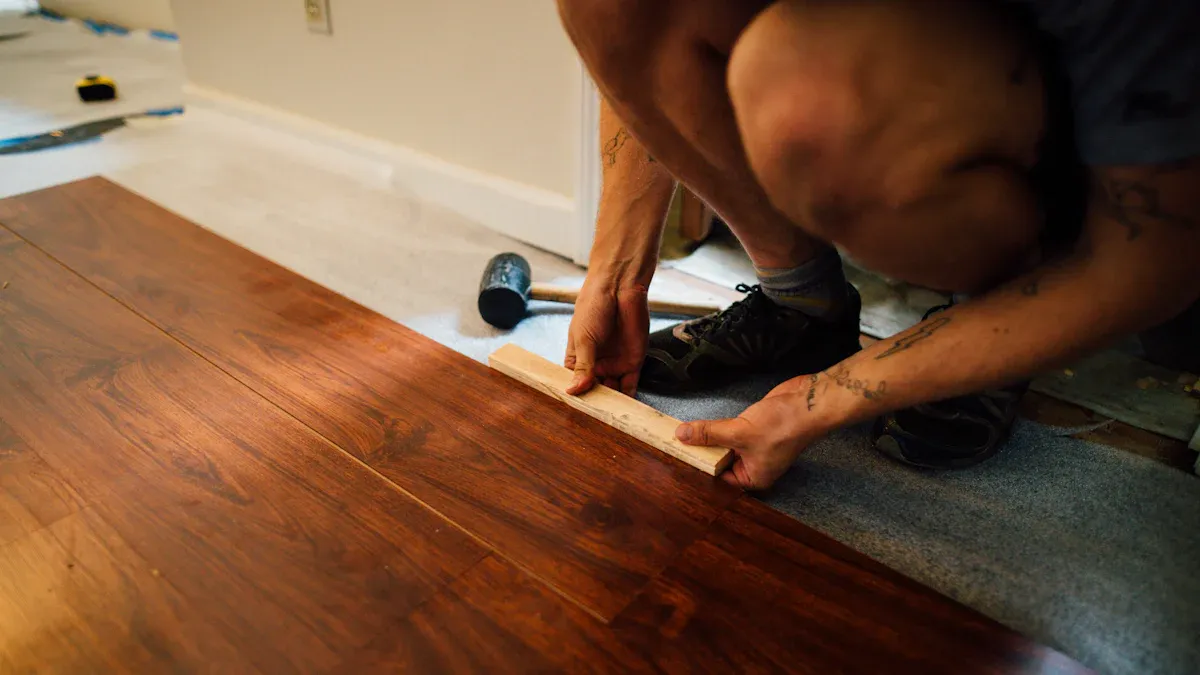
Checklist for Selecting Underlayment Thickness
You want your vinyl plank flooring to last and look great. You need to choose the right underlayment for your space. Use this checklist to help you make the best choice for your home.
-
Identify Your Room Type
Each room has different needs. Kitchens and entryways need strong floors. Bedrooms need comfort. Basements need moisture protection. -
Check Subfloor Material
Concrete subfloors need moisture barriers. Wood subfloors need a moisture retardant. Make sure your subfloor is clean and level before you start. -
Consider Foot Traffic
High-traffic areas need thicker underlayment. Low-traffic rooms can use thinner options. -
Look for Attached Pads
Some vinyl planks come with attached underlayment. If your planks have this, you may not need extra layers. -
Think About Sound and Comfort
If you want a quiet room, pick underlayment with good sound ratings. Thicker underlayment adds comfort underfoot. -
Check for Moisture Issues
Use a moisture meter to test your subfloor. If you find moisture, choose underlayment with a vapor barrier. -
Follow Manufacturer Guidelines
Always read the instructions from your flooring brand. This keeps your warranty safe.
Here is a table to help you match your room type with the best underlayment features:
| Room Type | Priority | Recommended Wear Layer | Recommended Plank Thickness |
|---|---|---|---|
| Kitchens & Entryways | Maximum scratch and dent resistance | 20 mil | 5mm+ SPC core |
| Living Rooms & Hallways | Balance of durability and comfort | 12 to 20 mil | 5mm+ plank |
| Bedrooms & Home Offices | Comfort and cost-effectiveness | 12 mil | 4mm or more |
| Basements | Moisture resistance and stability | 12 mil or higher | 5mm+ SPC core |
Tip: Selecting the proper underlayment helps you get the best results for each room.
Decision Flowchart for Homeowners
You can use this simple flowchart to decide which underlayment works best for your vinyl plank flooring. Follow each step to find the right answer for your home.
-
Does your vinyl plank flooring have an attached pad?
- Yes → Go to Step 2
- No → Go to Step 3
-
Do you need extra sound or moisture protection?
- Yes → Add a thin (1mm) underlayment with a vapor barrier.
- No → You do not need extra underlayment. Start installation.
-
What is your subfloor type?
- Concrete → Use underlayment with a vapor barrier (1.5mm to 2mm).
- Wood → Use underlayment with a moisture retardant (1mm to 2mm).
-
Is the room a high-moisture area (kitchen, bathroom, basement)?
- Yes → Choose underlayment with a strong vapor barrier (1.5mm to 2mm).
- No → Standard underlayment (1mm to 2mm) is enough.
-
Is the room high-traffic (hallway, entryway, living room)?
- Yes → Pick a thicker underlayment (2mm) for extra comfort and noise reduction.
- No → Thinner underlayment (1mm) works well.
-
Have you checked the manufacturer’s instructions?
- Yes → Follow their recommendations for underlayment and installation.
- No → Visit the skspcflooring website or contact your supplier for advice.
Note: Installing underlayment under vinyl plank flooring is an important step. It protects your floor and makes your home more comfortable.
You can use this guide to make smart choices for your flooring project. When you follow these steps, you get a floor that looks good, feels good, and lasts a long time.
You now know what underlayment for vinyl plank flooring works best. Most homeowners need 1mm to 2mm underlayment for vinyl flooring. Always check your subfloor and room type before you choose underlayment. Think about how you use each space. Read the manufacturer’s instructions for your vinyl flooring. Contact a trusted supplier like skspcflooring if you have questions. The right underlayment helps your vinyl last longer and look great.
Tip: Double-check your underlayment for vinyl plank flooring to keep your warranty safe.
FAQ
What is the best underlayment thickness for most vinyl plank flooring?
You should use 1mm to 2mm underlayment for most vinyl plank flooring. This range gives you comfort, sound reduction, and moisture protection. Always check your flooring manufacturer’s recommendations before you decide.
Can you install vinyl plank flooring without underlayment?
You can install some vinyl planks without underlayment if they have an attached pad. Always check your product details. If your floor does not have an attached pad, you need underlayment for support and moisture control.
How do you know if your vinyl plank flooring has an attached underlayment?
Check the product packaging or ask your supplier. You can also look at the bottom of the plank. If you see a thin foam or felt layer, your flooring has an attached underlayment.
Do you need a moisture barrier under vinyl plank flooring?
Tip: Always use a moisture barrier over concrete or in high-moisture rooms like basements and kitchens. This step protects your floor from water damage and mold.
What happens if you use the wrong underlayment thickness?
If you use underlayment that is too thick, your floor may feel unstable or develop gaps. If it is too thin, you may hear more noise and feel less comfort. Always follow the manufacturer’s guidelines for best results.




