
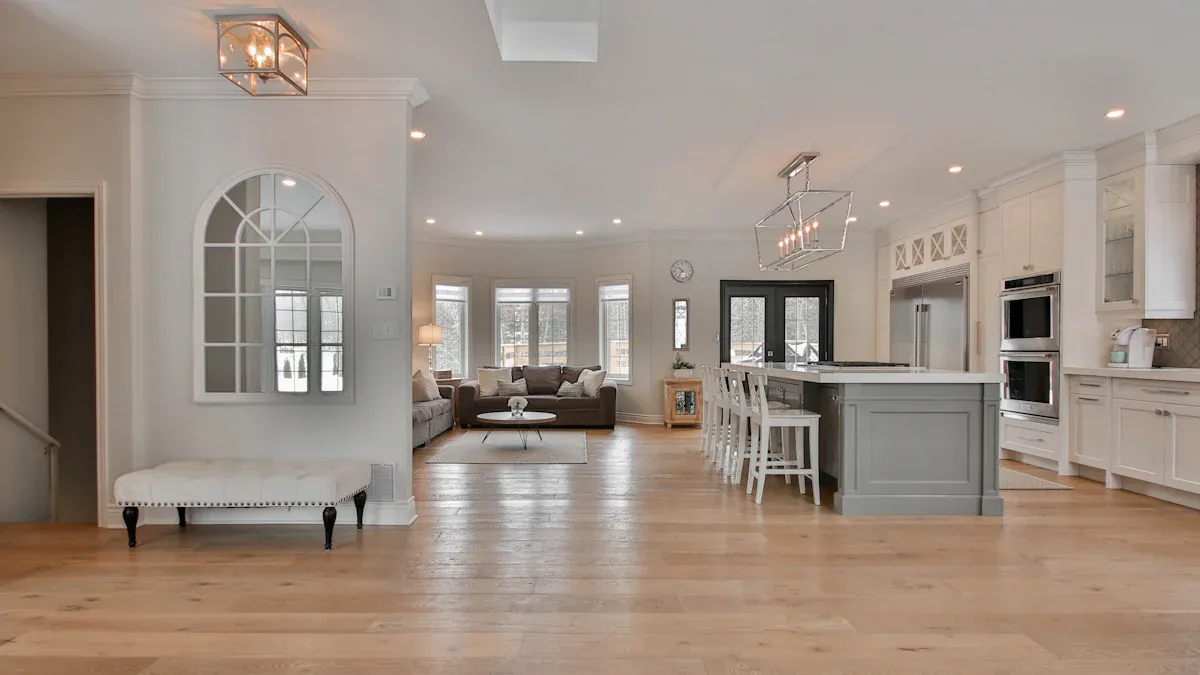
You may wonder, does vinyl plank flooring require underlayment for busy homes? The answer often depends on your subfloor, the type of vinyl plank flooring you choose, and the needs of your household. Many busy homes benefit from underlayment because it can help with moisture control, reduce noise, add warmth, and keep floors even.
| Factor | How Underlayment Helps in Busy Homes |
|---|---|
| Moisture Control | Protects flooring from moisture seeping through the subfloor |
| Sound Deadening | Reduces noise from footsteps and furniture |
| Added Warmth | Makes floors feel warmer |
| Minimizing Deflection | Prevents sagging under heavy use |
Why Underlayment Matters in Busy Homes
High Traffic and Wear
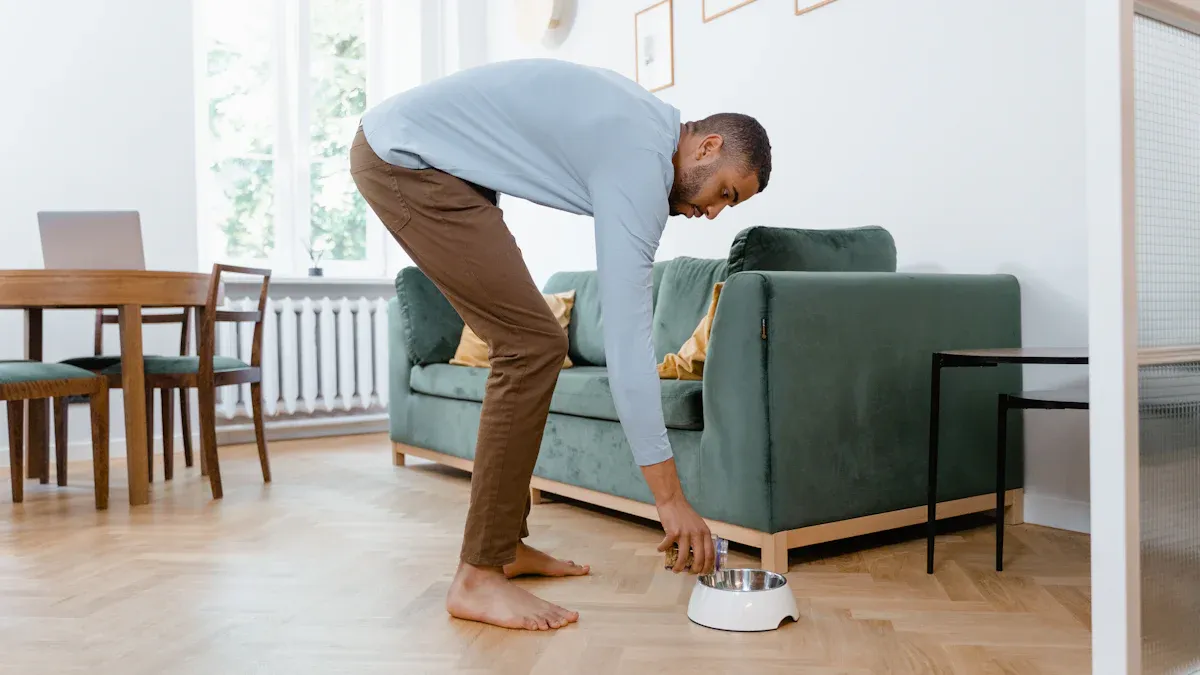
Busy homes see a lot of movement every day. You might have kids running, pets playing, or guests visiting often. In high traffic areas, vinyl plank flooring faces constant pressure and impact. Underlayment, made from materials like cork or foam, adds a layer of cushioning beneath your floor. This extra layer absorbs shock and helps protect both the flooring and the subfloor. You increase the durability of your vinyl plank flooring by reducing wear and tear. The floor stays looking new for longer, even in high-traffic areas. You also help prevent dents and scratches that can happen from heavy use.
Noise and Sound Control
Noise can become a problem in busy homes, especially if you live in a multi-level house. Footsteps, dropped items, and moving furniture all create sound that travels through the floor. Underlayment helps reduce this noise by acting as a sound barrier. You will notice a quieter environment, which makes daily life more comfortable. This is important for families who want to keep noise levels down, especially in bedrooms or upstairs rooms. Good sound control improves the performance of your vinyl plank flooring and creates a peaceful home.
Comfort Underfoot
Walking on hard floors all day can feel tiring. Underlayment provides a softer surface under your feet, making each step more comfortable. Studies show that underlayment not only improves soundproofing but also adds stability and comfort. According to flooring experts, a high-quality underlayment boosts the performance of your vinyl plank flooring by making it more pleasant to walk on. You will feel the difference, especially in rooms where you stand for long periods, like kitchens or living rooms. Underlayment also helps with moisture protection, which is important for busy homes where spills can happen.
Moisture and Spills
Busy homes often face spills, wet shoes, and even pet accidents. You know how quickly water can find its way onto your floors. If you do not protect your vinyl plank flooring, moisture can seep through the seams and reach the subfloor. This can cause damage over time. Underlayment acts as a barrier that helps keep moisture away from the subfloor.
You might wonder why this matters. Water that sits under your flooring can lead to mold, mildew, and even warping. These problems can cost a lot to fix. With underlayment, you add an extra layer of protection. This is especially important in kitchens, bathrooms, entryways, and basements. These areas see the most spills and humidity.
Tip: Choose an underlayment with a built-in moisture barrier for rooms that get wet often. This type of underlayment helps prevent water from soaking into the subfloor.
Here are some ways underlayment helps with moisture and spills:
- Blocks water from reaching the subfloor
- Reduces the risk of mold and mildew
- Makes cleaning up spills easier
- Extends the life of your vinyl plank flooring
You can see the difference when you use underlayment in busy homes. Floors stay in better shape, and you worry less about accidents. If you have kids or pets, you know spills happen often. Underlayment gives you peace of mind and helps your floors last longer.
If you want the best results, always check the manufacturer’s recommendations. Some vinyl plank flooring products need a specific type of underlayment for moisture protection. This step ensures you get the most out of your investment.
Does Vinyl Plank Flooring Require Underlayment? Key Scenarios
Subfloor Type and Its Impact
You need to think about your subfloor before you decide if underlayment is necessary. The type of subfloor can change how your vinyl plank flooring performs. Concrete subfloors often have moisture, so you may want a moisture barrier. Wood subfloors can be uneven or noisy, which means you might need extra cushioning. If your subfloor is smooth, clean, and dry, you may not need much extra support.
Many people ask, does vinyl plank flooring require underlayment for every subfloor? The answer depends on the condition and material of your subfloor. If you want the best lvp flooring experience, you should check for bumps, cracks, or moisture. Luxury vinyl plank flooring works best when the subfloor is flat and stable. You get better performance and longer-lasting floors when you match the right underlayment to your subfloor.
Manufacturer’s Installation Requirements
Manufacturers set rules for installation to help you get the best results. You should always read the instructions before you start. Some brands require specific underlayment types, while others focus on subfloor preparation. The table below shows how two popular brands guide you:
| Manufacturer | Underlayment Requirements |
|---|---|
| COREtec | Must be clean, flat, dry, and structurally sound. No acclimation required, but installation should be in a climate-controlled environment. |
| Armstrong | Should be structurally sound, minimum thickness of 1/4″, smooth to prevent texture showing through, and free from substances that may stain vinyl. |
You see that each brand has its own rules. If you want the best lvp flooring, you should follow these guidelines. This helps you avoid problems and keeps your warranty safe. You also improve the performance of your luxury vinyl plank flooring by meeting these standards. If you skip steps, you may face issues with noise, moisture, or uneven floors.
Noise Concerns in Multi-Level Homes
Living in a multi-level home brings special challenges. You hear footsteps, voices, and moving furniture from other floors. Airborne and impact noise can make your home less peaceful. You want a quiet space, especially in bedrooms or shared living areas.
You can solve these problems with high-performance acoustical underlayment. This layer helps block both impact noise and airborne sound. You get better sound insulation and a more comfortable home. Here are some ways underlayment helps with noise:
- Reduces impact noise, like footsteps and dropped items
- Blocks airborne noise, such as voices and music
- Improves comfort in shared spaces
- Adds moisture protection and cushioning
You should look for underlayment with high Impact Insulation Class (IIC) and Sound Transmission Class (STC) ratings. Higher numbers mean better sound control. If you want luxury vinyl plank flooring that feels quiet and cozy, choose an underlayment designed for noise reduction. This is important for busy homes with kids, pets, or lots of activity.
You may wonder, does vinyl plank flooring require underlayment for noise control? In multi-level homes, underlayment makes a big difference. You get better performance and a more peaceful environment. Waterproof vinyl plank flooring also benefits from underlayment, especially in rooms with heavy use.
Moisture Protection for Busy Households
You face many challenges when you have a busy household. One of the biggest threats to your floors is moisture. Water from spills, wet shoes, or even humidity can damage your vinyl plank flooring if you do not take the right steps. Moisture can seep through the seams and reach the subfloor. Over time, this can cause warping, mold, or mildew. You want to avoid these problems to keep your home safe and your floors looking great.
Does vinyl plank flooring require underlayment for moisture protection? In most cases, yes. Underlayment acts as a barrier between your luxury vinyl plank flooring and the subfloor. This extra layer blocks water and keeps it from reaching the surface below. You get better performance from your floors when you use the right underlayment. Many homeowners choose waterproof vinyl plank flooring for kitchens, bathrooms, and basements. These areas see the most spills and humidity. Even the best lvp flooring needs extra protection in these rooms.
You should always check the manufacturer’s instructions before installing your floors. Some brands require a specific type of underlayment for moisture protection. If you skip this step, you risk voiding your warranty and reducing the performance of your luxury vinyl plank flooring. You want your investment to last as long as possible.
Tip: Choose an underlayment with a built-in moisture barrier for rooms that get wet often. This type of underlayment gives you peace of mind and helps your floors last longer.
Here is a quick guide to help you decide if you need moisture protection:
| Room Type | Moisture Risk | Recommended Action |
|---|---|---|
| Kitchen | High | Use moisture barrier underlayment |
| Bathroom | High | Use waterproof vinyl plank flooring |
| Basement | High | Use luxury vinyl plank flooring with moisture protection |
| Living Room | Medium | Check subfloor, consider underlayment |
| Bedroom | Low | Standard underlayment may be enough |
You want the best lvp flooring for your home. Moisture protection is a key part of that decision. When you use the right underlayment, you improve the performance of your floors. You also make cleaning up spills easier and reduce the risk of long-term damage. Luxury vinyl plank flooring gives you style and durability, but only if you protect it from water.
Does vinyl plank flooring require underlayment in every situation? Not always, but in a busy household, moisture protection should be a top priority. You get the best results when you follow expert advice and choose products designed for your needs. Your floors will look better, last longer, and give you fewer problems over time.
When Underlayment Is Not Needed for Vinyl Plank Flooring
Vinyl Plank Flooring with Attached Underlayment
You may find that some vinyl plank flooring comes with an attached underlayment. This built-in layer makes installation easier and faster. You do not need to add another layer in most cases. The attached underlayment provides basic cushioning and some sound absorption. It works well for many homes, especially if you do not have high moisture or noise concerns. However, if you want extra moisture protection or better sound control, you might still consider additional underlayment.
Here is a quick comparison to help you understand the difference:
| Feature | Attached Underlayment | Separate Underlayment |
|---|---|---|
| Moisture Protection | Basic, may not cover all seams | Full coverage, better barrier |
| Sound Absorption | Minimal | Higher performance |
| Comfort | Firm feel | Softer, more cushioned |
| Installation | Quick and easy | Takes more time |
| Cost | Lower upfront | Higher, but may offer more benefits |
Suitable Subfloors (Smooth, Clean, Dry)
You can skip underlayment if your subfloor is in excellent condition. A smooth, level, and clean subfloor gives you the best base for vinyl plank flooring. You should check for bumps, cracks, or moisture before you start. If you have a concrete or plywood subfloor that is dry and free of imperfections, you do not need extra layers. This helps keep your floor stable and prevents problems later.
- Smooth and level surface
- No cracks or bumps
- Dry and free from moisture
- Clean and dust-free
Low Noise or Moisture Concerns
You may not need underlayment if your home stays quiet and dry. In rooms where you do not worry about loud footsteps or water spills, the floor can perform well without extra layers. Bedrooms, closets, or upper floors with little traffic often do not need additional underlayment. You save time and money by skipping this step when your space does not face heavy use or moisture.
Tip: Always check the manufacturer’s instructions before you install. Some products have special requirements for best results.
Pros and Cons of Using Underlayment in Busy Homes
Benefits for High-Traffic Households
You want your floors to last, especially in high traffic areas. Using underlayment brings many advantages to busy homes. Here are some key benefits:
- Sound reduction: Underlayment absorbs noise from footsteps and moving furniture. This makes your home quieter, even when kids or pets are active.
- Improved comfort: You will notice a softer feel underfoot. Standing or walking for long periods becomes easier, which is important in rooms like kitchens or living rooms.
- Moisture protection: Underlayment acts as a barrier against spills and humidity. This helps protect your subfloor and keeps mold from growing.
- Insulation against cold: You get an extra layer that keeps floors warmer during cold weather. This adds to your comfort, especially in winter.
You can see how these benefits improve the performance of your vinyl plank flooring. In high traffic areas, these features help your floors stay in good shape and feel better every day.
Considerations Before Skipping Underlayment
You might think about skipping underlayment to save time or money. However, you should consider what you might lose. Without underlayment, your floors may face more problems in busy homes.
- Potential moisture damage: Floors without a barrier can let water reach the subfloor. Over time, this can cause damage that is expensive to fix.
- Increased noise levels: Hard floors without underlayment can make every step sound louder. This is a bigger issue in homes with lots of activity.
- Reduced comfort: Walking on hard surfaces without cushioning can feel tiring. You may notice this most in rooms where you spend a lot of time.
Note: Skipping underlayment can lower the overall performance of your flooring. You may face more noise, less comfort, and a higher risk of damage in high traffic areas.
Choosing the right approach helps you get the best results for your home and lifestyle.
How to Choose the Right Underlayment for Vinyl Plank Flooring

Assessing Your Subfloor
You need to start by looking at your subfloor before you begin installation. The type and condition of your subfloor affect how your vinyl plank flooring performs. Concrete subfloors often need a moisture barrier, while wood subfloors may require extra cushioning. You should check for bumps, cracks, or uneven spots. A smooth and dry surface helps prevent problems like warping or creaking after installation.
Consider these important factors when choosing underlayment for busy homes:
- Match the thickness of the underlayment to the vinyl planks and subfloor material.
- Use a wear layer of at least 20 mil for high-traffic areas to boost durability.
- Thicker planks help with sound insulation, which is useful in homes with lots of activity.
Matching Underlayment to Household Needs
Every home is different. You should think about your daily routine and the rooms where you plan to install vinyl plank flooring. If you have kids or pets, you may want extra sound insulation and moisture protection. Kitchens and bathrooms need a barrier against spills. Living rooms and bedrooms benefit from added comfort underfoot.
Tip: Choose underlayment that fits your lifestyle. Busy homes need solutions that handle noise, moisture, and heavy use.
Checking Manufacturer Recommendations
Manufacturers provide underlayment recommendations to help you get the best results. You should always read these guidelines before installation. Some brands suggest specific materials for better performance. Others focus on preparing the subfloor.
Here is a table showing common types of underlayment and their benefits:
| Type of Underlayment | Benefits |
|---|---|
| Cork | Dense, hides imperfections, enhances sound insulation |
| Foam | Cost-effective, provides cushioning, average sound dampening |
| Felt | Better sound control than foam |
| Rubber | Absorbs sound, adds warmth, protects against water damage |
| Plywood/OSB | Provides a level base, no warmth or cushioning |
You can see that each type offers unique advantages. You should select the one that matches your needs and follows the manufacturer’s installation instructions. This step helps your vinyl plank flooring last longer and perform better in busy homes.
Popular Underlayment Types for Vinyl Plank Flooring
You have many choices when it comes to underlayment for vinyl plank flooring. Each type offers unique benefits. Understanding these options helps you pick the best one for your busy home.
1. Foam Underlayment
Foam is one of the most common types. You will find it lightweight and easy to install. Foam provides basic cushioning and some sound absorption. It works well in rooms with low moisture and average foot traffic.
2. Cork Underlayment
Cork stands out for its natural soundproofing abilities. You can use cork if you want a quieter home. It also resists mold and mildew. Cork works best in dry areas like bedrooms or living rooms.
3. Rubber Underlayment
Rubber gives you excellent sound reduction and moisture protection. You might choose rubber for basements or kitchens. It also adds comfort underfoot. Rubber is heavier than foam or cork, but it lasts longer.
4. Felt Underlayment
Felt offers strong sound control and a soft feel. You can use felt in high-traffic areas. It helps reduce noise from footsteps and moving furniture. Felt also provides some insulation against cold.
5. Combination Underlayment
Some products combine foam with a built-in moisture barrier. You get the benefits of both cushioning and water resistance. This type is great for bathrooms, laundry rooms, or basements.
Tip: Always check if your vinyl plank flooring already has attached underlayment. If it does, you may not need an extra layer.
Here is a quick comparison to help you decide:
| Underlayment Type | Sound Control | Moisture Protection | Comfort | Best For |
|---|---|---|---|---|
| Foam | Moderate | Low | Good | Bedrooms, living rooms |
| Cork | High | Low | Good | Dry, quiet spaces |
| Rubber | High | High | Excellent | Kitchens, basements |
| Felt | High | Moderate | Excellent | High-traffic areas |
| Combo (Foam+Barrier) | Moderate | High | Good | Wet areas, basements |
You can see that each type has its strengths. Choose the one that matches your room’s needs and your family’s lifestyle.
Why Choose skspcflooring for Your Vinyl Plank Flooring Needs
Quality and Durability for Busy Homes
You want floors that can handle your busy life. skspcflooring offers vinyl plank flooring that stands up to daily wear and tear. The planks come in thicker options, from 5 mm to 6 mm. This thickness gives your floor extra strength and helps it last longer. You do not have to worry about dents or scratches from heavy foot traffic. The click-lock installation system keeps each plank tight and secure. This reduces gaps and stops creaking, even in rooms where people walk all day. You get peace of mind knowing your floors will look great for years.
Here is a quick look at what makes skspcflooring a smart choice:
| Feature | Benefit |
|---|---|
| Waterproof | Handles spills and lets you clean with a wet mop. |
| Durability | Thicker planks protect against impacts and increase lifespan. |
| Sound-dampening | Lowers noise and adds comfort underfoot. |
| Click-lock installation | Prevents gaps and creaks in high-traffic areas. |
| Ease of maintenance | Simple cleaning fits busy schedules. |
Eco-Friendly and Certified Flooring Solutions
You care about your family’s health and the planet. skspcflooring uses eco-friendly materials in every product. The company meets strict international standards like ISO9001 and ISO14001. These certifications show that the flooring is safe and made with the environment in mind. You can trust that your vinyl plank flooring does not release harmful chemicals. This makes your home safer for kids and pets. Choosing skspcflooring means you support a brand that values both quality and sustainability.
Expert Support and Tailored Advice
You may have questions about which flooring works best for your home. The team at skspcflooring offers expert support to help you make the right choice. You get advice based on your needs, whether you want more durability or easy maintenance. The company listens to your concerns and helps you find the perfect solution. You can count on friendly service and clear answers every step of the way.
Tip: If you want floors that last, look good, and are easy to care for, skspcflooring gives you everything you need for a busy home.
You make a smart choice when you use underlayment in busy homes. It adds comfort, reduces noise, and protects against moisture. Experts recommend underlayment because it acts as a moisture barrier, conceals subfloor imperfections, provides cushioning, and absorbs sound. Always consider your subfloor type, household needs, and manufacturer guidelines. If you want the best results, consult with flooring experts like skspcflooring. Their team helps you select durable, waterproof vinyl plank flooring that fits your lifestyle and keeps your home looking great.
FAQ
Do you always need underlayment for vinyl plank flooring?
You do not always need underlayment. If your vinyl plank flooring has attached underlayment or your subfloor is smooth and dry, you can skip it. Always check the manufacturer’s instructions before you install.
What type of underlayment works best for busy homes?
Foam, cork, and rubber underlayments work well in busy homes. Rubber gives you the best sound and moisture protection. Cork helps with noise. Foam is easy to install and adds comfort.
Can underlayment help reduce noise in multi-level homes?
Yes, underlayment can lower noise from footsteps and moving furniture. Choose underlayment with high sound ratings for the best results. This makes your home quieter and more comfortable.
Does underlayment protect against moisture and spills?
Underlayment with a moisture barrier helps block water from reaching the subfloor. This protects your floor from damage caused by spills, wet shoes, or pet accidents. Use it in kitchens, bathrooms, and basements.




