
You will notice a clear difference when you walk on vinyl plank and laminate flooring. The main reason is the way each floor is built. Vinyl plank uses a flexible core with a dense underlayment for vinyl plank flooring. This gives you a firmer, warmer, and quieter surface. Laminate flooring is usually thicker and sits on a softer underlayment, which can make it feel hollow or rigid.
| Aspect | Laminate Flooring | Vinyl Flooring (WPC) |
|---|---|---|
| Comfort | Thick and cushioned feel | Similar comfort in WPC variants |
| Sound Insulation | Foam reduces sound impact | Underlayment helps with sound |
| Thermal Properties | Acts as a thermal insulator | Good warmth with WPC construction |
Your choice of flooring and underlayment changes how your home feels, sounds, and stays warm.
Construction and Material Differences in Luxury Vinyl Flooring and Laminate
Luxury Vinyl Planks: Core and Surface Properties
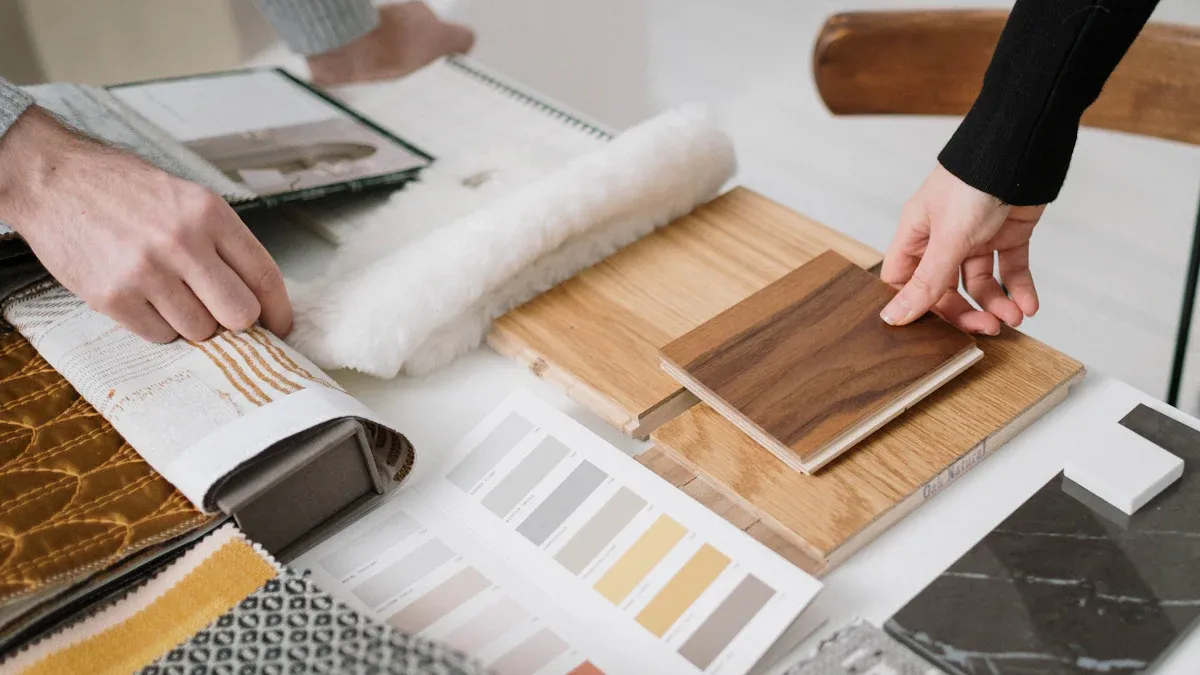
You will find that luxury vinyl planks have a unique construction. The core usually contains a rigid material, such as stone plastic composite (SPC), wood plastic composite (WPC), or enhanced SPC (ESPC). This core gives luxury vinyl flooring its strength and stability. The top layer features a 3-D printed design that looks like real wood. You can see and feel the texture, which makes luxury vinyl planks very realistic.
The surface of luxury vinyl flooring includes a wear layer. This layer protects against scratches and stains. The core layers add flexibility and help the floor stay flat on uneven surfaces. You will notice that luxury vinyl flooring does not feel exactly like hardwood, but it offers a comfortable and durable surface.
Here is a table that shows the main features:
| Feature | Luxury Vinyl Plank |
|---|---|
| Core Material | Rigid core (SPC, WPC, ESPC) |
| Design Layer | Enhanced 3-D printed texture replicating wood |
| Wear Layer | Aluminum oxide wear layer |
Luxury vinyl flooring stands out because it resists water and handles daily wear well. You can use it in kitchens, bathrooms, and basements without worry. The construction also helps luxury vinyl planks work well with different types of underlayment, which improves comfort and sound control.
Laminate Flooring: Core and Surface Properties
Laminate flooring uses a different structure. The core is made from high-density fiberboard (HDF). This material comes from compressed wood fibers, resin, and wax. The process creates a strong and stable base. You will find that laminate flooring has a digital print layer on top. This layer gives the look of wood or stone.
The top surface of laminate flooring has a protective layer. This layer uses aluminum oxide or melamine resin. It helps prevent scratches and stains. The HDF core gives laminate flooring strength and impact resistance. You will notice that laminate flooring feels solid underfoot, but it can sound hollow if you do not use the right underlayment.
Here is a table that compares laminate flooring with luxury vinyl planks:
| Feature | Water-Resilient Laminate | Luxury Vinyl Plank |
|---|---|---|
| Core Material | High-density fiberboard (HDF) | Rigid core (SPC, WPC, ESPC) |
| Design Layer | High-resolution digital print | Enhanced 3-D printed texture replicating wood |
| Wear Layer | Aluminum oxide or melamine resin | Aluminum oxide wear layer |
Laminate flooring offers durability and moisture resistance. The HDF core keeps the floor from warping. You get a surface that lasts longer than solid hardwood. You should know that laminate flooring still needs protection from water, especially at the seams.
How Material Composition Impacts Underfoot Feel
The materials inside luxury vinyl flooring and laminate flooring change how each one feels when you walk on it. Luxury vinyl planks use a rigid core that adds stability and flexibility. The wear layer protects the surface and makes it easy to clean. You will feel a firm but slightly cushioned step. The floor feels warmer and quieter, especially with the right underlayment.
Laminate flooring uses a wood-based HDF core. This core gives strength and a solid feel. The surface layer protects against scratches. You may notice that laminate flooring feels harder and sometimes more hollow. The underlayment you choose can make a big difference in comfort and sound.
Here are some key points about how the materials affect your experience:
- Luxury vinyl flooring feels softer and warmer underfoot, especially with a quality underlayment.
- Laminate flooring feels solid and durable, but can sound hollow without the right underlayment.
- The core material in luxury vinyl planks resists water, making it a good choice for damp areas.
- The HDF core in laminate flooring gives strength and stability, but you need to protect it from water.
Tip: Always match your underlayment to your flooring type. This step improves comfort, reduces noise, and helps your floor last longer.
Luxury vinyl flooring gives you a modern, comfortable surface that works well in many rooms. Laminate flooring offers a classic look and strong performance. Your choice will affect how your home feels every day.
Underlayment for Vinyl Plank Flooring vs Laminate
Common Vinyl Plank Underlayment Materials
When you choose underlayment for vinyl plank flooring, you have several options. Each material offers different benefits for your home. You want to pick the right one for comfort, sound, and moisture protection. Here is a table that shows the most common types of vinyl plank underlayment and their features:
| Underlayment Type | Advantages | Disadvantages |
|---|---|---|
| Foam | Cost-effective, basic cushioning and insulation | Not a moisture barrier, can trap water |
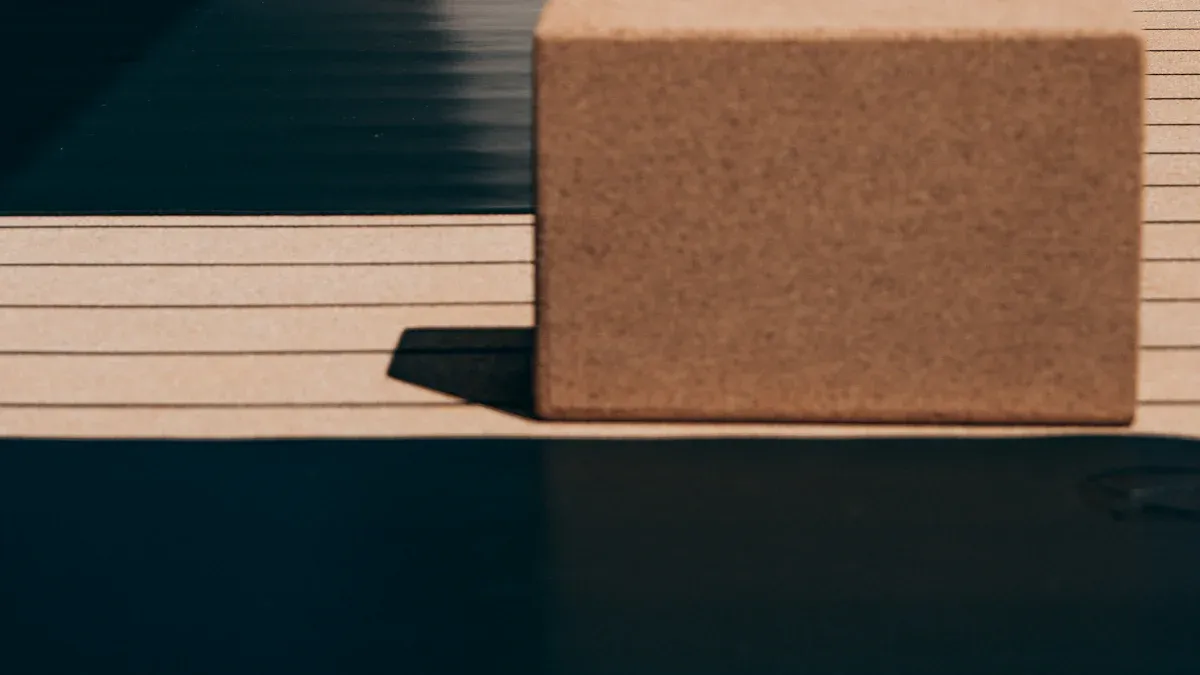
| Cork | Superior sound absorption, eco-friendly | No moisture protection, can retain moisture |
| Felt | Better sound control and insulation | Thicker, may not suit all subfloors |
| Rubber | Durable, effective sound absorption, moisture protection | Higher cost compared to others |
| Plywood | Provides a level surface | No insulation or soundproofing, mainly for uneven subfloors |
You will find that foam underlayment for vinyl plank flooring gives you basic comfort and insulation. Cork works well if you want to reduce noise, but it does not block moisture. Felt offers better sound control and warmth. Rubber stands out for its durability and moisture protection. Plywood helps level uneven subfloors but does not add comfort or soundproofing.
Tip: Always check the manufacturer’s recommendations before you install vinyl plank underlayment. Some floors come with attached underlayment, so you may not need an extra layer.
Underlayment Thickness and Density Effects
The thickness and density of underlayment for vinyl plank flooring change how your floor feels and sounds. Thicker underlayment adds more cushioning. You will notice a softer step when you walk. Dense underlayment blocks more noise, making your home quieter.
If you use a thin vinyl plank underlayment, you get a firmer feel underfoot. This works well in high-traffic areas. Thicker underlayment gives you more comfort, but it may not fit every room. You need to match the thickness to your subfloor and the type of vinyl plank you choose.
For laminate flooring, underlayment is often thicker and softer. This can make the floor feel bouncy or hollow. Vinyl plank underlayment is usually denser and thinner. This gives you a solid, stable feel. You will also notice better sound control with dense underlayment.
- Foam underlayment: Soft, adds basic comfort, but not much soundproofing.
- Cork underlayment: Dense, great for noise reduction, but can hold moisture.
- Felt underlayment: Thicker, improves warmth and sound control.
- Rubber underlayment: Dense and durable, blocks sound and moisture.
You should always balance comfort, sound, and moisture needs when you pick underlayment for vinyl plank flooring.
Interaction with Subfloor and Flooring Type
The subfloor under your vinyl plank or laminate flooring changes how underlayment works. Concrete and plywood are the most common subfloors. Each one interacts with underlayment in a unique way.
If you have a concrete subfloor, you need a moisture barrier. Vinyl plank underlayment with moisture protection keeps your floor safe from water damage. Rubber and some foam underlayments work well here. On plywood subfloors, you can focus more on sound and comfort. Cork or felt underlayment for vinyl plank flooring helps reduce noise and adds warmth.
You will see that thicker and denser underlayment blocks more sound. This makes your living space quieter. If you live in an apartment or have rooms above each other, soundproofing matters. The right vinyl plank underlayment can make a big difference.
Note: Always match your underlayment to both your subfloor and your flooring type. This step ensures you get the best comfort and performance.
When you install underlayment for vinyl plank flooring, you improve comfort, reduce noise, and protect your floor. You also make your home warmer and more enjoyable. The right choice depends on your subfloor, your room, and your needs.
Comfort, Sound, and Insulation with Luxury Vinyl Flooring
Walking Comfort and Cushioning
You want your home to feel comfortable underfoot. Luxury vinyl flooring gives you a soft and supportive surface. When you walk on luxury vinyl planks, you notice the difference right away. The multi-layered design adds gentle cushioning. The surface feels smooth and warm, even if you do not wear shoes. Many luxury vinyl flooring products include a foam backing. This layer works with the underlayment to add extra comfort. You can use luxury vinyl planks in bedrooms, living rooms, or kitchens. Your feet will thank you for the comfort every day.
Sound Absorption and Noise Reduction
Luxury vinyl flooring helps you create a quiet space. The structure of luxury vinyl planks blocks sound vibrations. You will hear less noise when people walk or move furniture. The underlayment under luxury vinyl flooring adds another layer of sound control. High-quality luxury vinyl flooring can reach an IIC rating of 64 to 68. This means it controls impact noise very well. You can see how luxury vinyl flooring compares to laminate flooring in the table below:
| Flooring Type | Sound Absorption Features |
|---|---|
| Laminate Flooring | Offers sound-absorbing qualities with a good underlayment, reducing hollow echoes and providing warmth. |
| Luxury Vinyl Flooring | Designed with foam backing for sound absorption; high-quality options provide excellent ratings. |
Luxury vinyl planks use a flexible core and foam layers for sound dampening. You will notice a quieter home, especially in busy areas.
Thermal Insulation and Warmth
Luxury vinyl flooring keeps your home warm and cozy. The surface warms up quickly when you walk on it. You will feel the difference in cold weather. Luxury vinyl planks resist moisture and stay stable even in extreme temperatures. The underlayment helps trap heat, making your floors feel warmer. Many homeowners say luxury vinyl flooring feels better against their feet than laminate. You can see the difference in warmth and comfort in this table:
| Flooring Type | Warmth in Cold Climates | Insulating Properties | Comfort Level |
|---|---|---|---|
| Luxury Vinyl | Warmer | Good | High |
| Laminate | Less Warm | Moderate | Moderate |
You can use luxury vinyl planks with radiant heating systems. The underlayment improves insulation and comfort. Your home will stay warm and inviting all year.
Practical Walking Experience: What to Expect
Walking on Luxury Vinyl Planks
When you walk on luxury vinyl planks, you notice a unique feel. The surface feels soft and comfortable. Many people enjoy the gentle cushioning under their feet. The right underlayment adds to this comfort, making each step quieter and warmer. You may hear a slight sound as you walk, but it is usually less noisy than other hard floors. Some users say luxury vinyl planks feel softer than wood, while others prefer a firmer surface. The matte finish can show dirt or spills, so you may need to clean more often.
- You might notice:
- A soft, cushioned step
- Less noise compared to harder floors
- Occasional sounds when walking
- A surface that feels warm, especially with quality underlayment
Walking on Laminate Flooring
Laminate flooring gives you a different experience. The surface feels harder and less forgiving. You may hear more noise with each step, especially if the underlayment is thin. The floor can sound hollow in some rooms. Many people notice that laminate flooring does not have the same warmth as luxury vinyl planks. The right underlayment can help reduce noise and add a bit of comfort, but the overall feel stays firm.
| Flooring Type | Underfoot Feel |
|---|---|
| Vinyl Plank | Softer, more comfortable, less noisy |
| Laminate Flooring | Harder, noisier, less forgiving |
How Underlayment Choices Change the Feel
Underlayment plays a big role in how your floor feels. A thick, dense underlayment under luxury vinyl planks makes the floor softer and quieter. You feel more warmth and less impact with each step. If you choose a thinner underlayment, the floor feels firmer and may sound louder. For laminate flooring, underlayment can help reduce the hollow sound and add a touch of softness. You should always match the underlayment to your flooring type for the best results. The right underlayment improves comfort, reduces noise, and helps your floor last longer.
Tip: Always check the manufacturer’s advice before choosing underlayment. This step ensures you get the best walking experience for your home.
Choosing the Right Flooring and Underlayment with skspcflooring
Factors to Consider for Comfort and Performance
You want your home to feel comfortable and quiet. When you choose between luxury vinyl flooring and laminate, you should look at comfort, water resistance, and durability. The table below helps you compare these options:
| Flooring Type | Comfort | Water Resistance | Durability |
|---|---|---|---|
| Vinyl Flooring | Softer and warmer | Waterproof | Highly durable |
| Laminate Flooring | Firmer underfoot | Water-resistant, not waterproof | Scratch-resistant but vulnerable to moisture |
Luxury vinyl flooring gives you a soft, warm feel. It works well in kitchens, bathrooms, and basements because it is waterproof. Laminate flooring feels firmer and can handle scratches, but it does not like moisture. You should also think about sound insulation. High-quality vinyl plank underlayment can make your home quieter. Rubber underlayments block more noise than foam. If you want a peaceful space, look for an IIC rating of 65 or higher.
Matching Underlayment to Flooring Type
You need to match the right underlayment to your flooring. Underlayment helps with moisture control, sound deadening, and warmth. Many luxury vinyl flooring products come with built-in underlayment, but you can add more for extra comfort. For luxury vinyl plank flooring, you may need additional vinyl plank underlayment for moisture protection, especially in basements. Laminate floors need a separate underlayment to reduce sound and block moisture. The table below shows the best matches:
| Flooring Type | Recommended Underlayment Type |
|---|---|
| Laminate (HDF or MDF) | Separate underlayment for sound, moisture, and surface flaws |
| Vinyl plank flooring | Integrated underlayment is common; add more for moisture |
| Water-resistant laminate | Vapor barrier underlayment for humid areas |
Premium underlayment keeps your floors warm and helps them last longer. Value-grade options may not give you enough insulation or protection.
Tips for Homeowners and DIY Enthusiasts
You can avoid common mistakes by following these tips:
- Choose the right vinyl plank underlayment for your floor type.
- Do not skip underlayment. It keeps your floor even and quiet.
- Seal all edges and seams to stop sound and moisture.
- Use high-density foam for living rooms, cork for upstairs, and rubber for noisy spaces.
- Floating floors can reduce noise because the gap acts as a sound barrier.
Tip: Always check if your luxury vinyl tile or luxury vinyl plank flooring needs extra underlayment. Some products already include it, but adding more can boost comfort and sound control.
Luxury vinyl flooring and luxury vinyl tile both benefit from the right underlayment. You get a warmer, quieter, and more durable floor. If you want expert advice, skspcflooring can help you choose the best solution for your home.
You will notice the underfoot difference between vinyl plank and laminate flooring because of their unique material construction and the type of underlayment you choose. Vinyl flooring uses a flexible core and often includes a built-in layer that adds cushion and improves sound control. You get more underlayment benefits, such as warmth and quiet, especially with quality products. Trusted brands like skspcflooring help you find the right solution for comfort, sound, and insulation in your home.
FAQ
What makes vinyl plank flooring feel softer than laminate?
You feel more softness with vinyl plank flooring because it uses a flexible core and often includes a cushioned backing. This design gives your feet a gentle, comfortable surface when you walk.
Can I use the same underlayment for both vinyl plank and laminate flooring?
You should not use the same underlayment for both types. Vinyl plank flooring needs a thinner, denser underlayment. Laminate flooring works best with a thicker, softer underlayment for extra comfort and support.
How does underlayment affect noise in my home?
Underlayment helps reduce noise by absorbing sound from footsteps and movement. If you want a quieter room, choose a sound absorbing underlayment. This type of underlayment blocks more noise and makes your space feel peaceful.
Is luxury vinyl flooring good for rooms with moisture?
You can use luxury vinyl flooring in kitchens, bathrooms, and basements. It resists water and does not swell or warp. This makes it a smart choice for areas where spills or moisture are common.
Will my floor feel warmer with vinyl plank or laminate?
You will notice more warmth with vinyl plank flooring. The material and underlayment help trap heat, so your floor feels cozy. Laminate flooring can feel cooler, especially in winter.




