
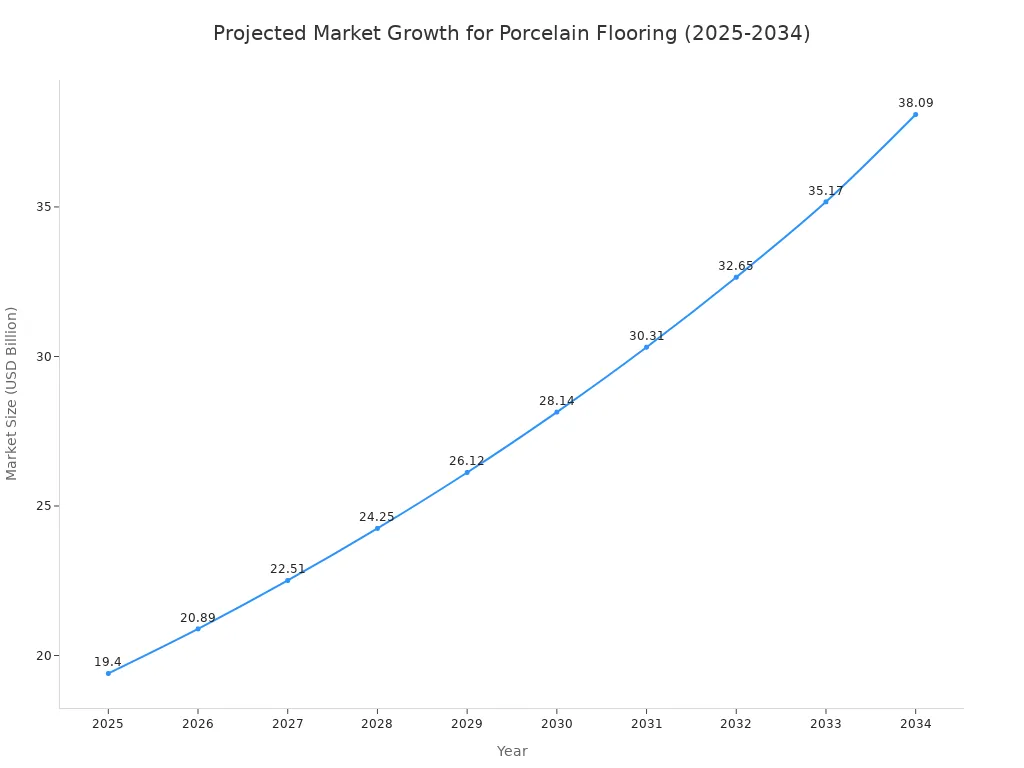
You can choose porcelain flooring for a solution that is beautiful and highly durable. These strong tiles offer the stunning look of natural stone or wood without the difficult upkeep. Their strength makes porcelain floor tiles a smart, long-term investment for any busy area in your home. Homeowners are increasingly choosing porcelain tiles, with the market for ceramic and porcelain tiles projected to grow from USD 19.40 Billion in 2025 to USD 38.09 Billion by 2034.
Thinking about new tiles? It is important to weigh the porcelain flooring pros and cons before you decide.
The Good: Unpacking the Porcelain Flooring Pros and Cons
When you explore the world of flooring, you will find many options. Understanding the porcelain flooring pros and cons helps you make a confident choice. The benefits of porcelain tiles often outweigh the drawbacks for many homeowners. Let’s look at the pros that make this material a top contender.
Unmatched Durability for High-Traffic Areas
Porcelain flooring offers incredible durability. It is made from refined clay fired at very high temperatures. This process creates dense, hard tiles. These tiles resist scratches, chips, and wear from daily life. This makes porcelain best for high traffic areas like kitchens, entryways, and hallways. The durability of porcelain ensures your floors look new for years. Properly installed porcelain tiles can last for 50 years or more, making them a fantastic long-term investment.
The Porcelain Enamel Institute (PEI) rating measures how well a tile’s glaze resists abrasion from foot traffic. A higher rating means the tile is more durable and suitable for heavier traffic.
You can choose the right tile for any room using this scale. The PEI rating system helps you match the tile’s strength to the room’s needs. For example, a tile with a PEI rating of 4 is great for a busy entryway.
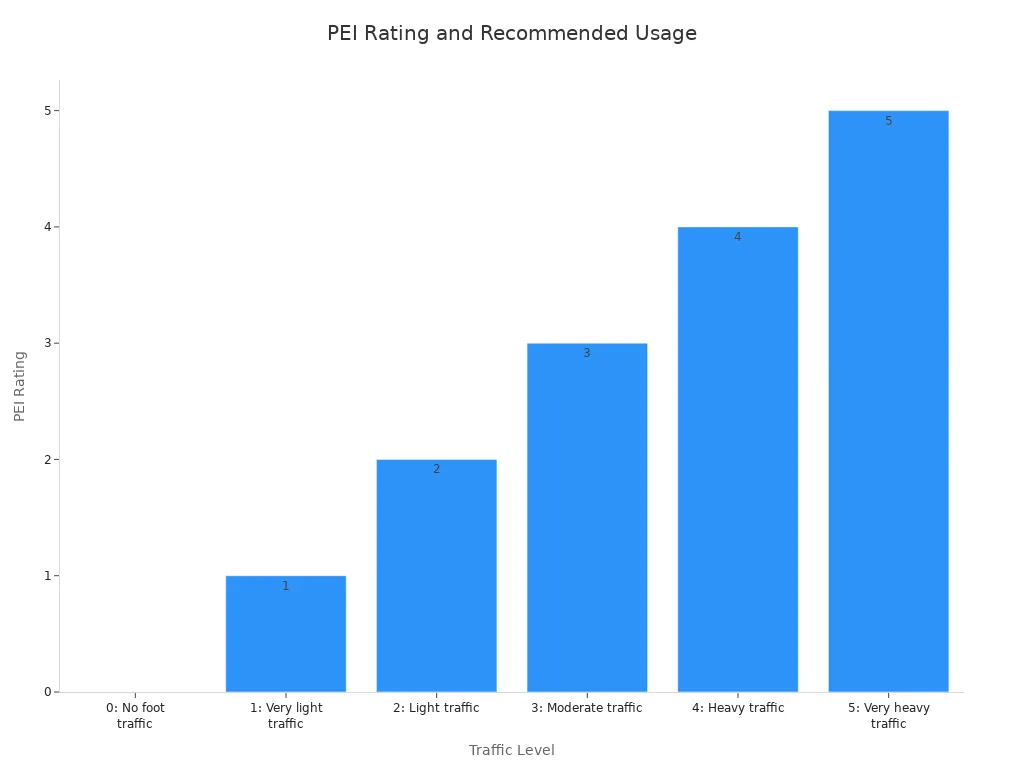
| PEI Rating | Where It’s Used | Example |
|---|---|---|
| 0 | No foot traffic | Walls only (e.g., shower walls, backsplashes) |
| 1 | Very light traffic | Guest bathroom floors (rare) |
| 2 | Light traffic | Powder rooms, residential bathrooms |
| 3 | Moderate traffic | Kitchens, living rooms, hallways (residential) |
| 4 | Heavy traffic | Entryways, busy kitchens, light commercial |
| 5 | Very heavy traffic | Commercial lobbies, restaurants, airports |
Superior Water-Resistant Properties
One of the biggest pros of porcelain is its water resistance. The dense body of porcelain tiles absorbs very little moisture. Industry standards require porcelain to have a water absorption rate of 0.5% or less. This makes it a nearly waterproof surface. These water-resistant properties protect your subfloor from damage. This is a key reason why people choose porcelain tiles for bathrooms, kitchens, laundry rooms, and basements. You will not worry about spills or humidity.
| Tile Type | Water Absorption Rate |
|---|---|
| Non-Vitreous Tiles | > 7% |
| Semi-Vitreous Tiles | 3% to 7% |
| Vitreous Tiles | 0.5% to 3% |
| Porcelain Tiles | < 0.5% |
Low Maintenance and Effortless Cleaning
You will love the easy maintenance of porcelain flooring. Its hard, non-porous surface prevents dirt and stains from setting in. This makes for easy cleaning. A simple routine of sweeping and mopping keeps your tiles looking pristine. This is one of the major benefits of this flooring. The long-term maintenance costs are also lower compared to materials like hardwood, which may need refinishing every 5-10 years. The durability and simple care routine offer excellent value over the floor’s lifetime. These are significant pros to consider when weighing the porcelain flooring pros and cons.
Here are some simple tips for keeping your porcelain tiles clean:
- Daily Care: Sweep or vacuum the tiles regularly to remove loose dirt and dust.
- Weekly Cleaning: Mop the floor with warm water. You can also use a pH-neutral cleaner designed for tiles.
- Deep Cleaning: For tough grime, use a specialized tile cleaner. A paste of baking soda and water can also lift stubborn stains.
The benefits of easy care make porcelain a practical choice for busy households. This is one of the most attractive pros when evaluating the porcelain flooring pros and cons.
Excellent Heat and Fire Resistance
You can feel secure with porcelain flooring’s excellent heat and fire resistance. Manufacturers create porcelain tiles by firing refined clay at extremely high temperatures. This process makes the tiles incredibly dense and non-combustible. The tiles will not burn, melt, or produce toxic fumes when exposed to fire. This inherent fire resistance adds a layer of safety to your home. You can confidently install these tiles around a fireplace or behind a wood-burning stove.
The heat resistance of porcelain also makes it a perfect partner for radiant in-floor heating systems. The tiles conduct heat efficiently and evenly. This creates a warm, comfortable surface underfoot during colder months. The durability of the material ensures it can handle the temperature changes without cracking. These are significant pros for any homeowner.
🔥 Safety Tip: While the tiles themselves are fireproof, the grout and subfloor may not be. Always follow local building codes and use proper installation methods for areas near heat sources.
A Healthier, Allergen-Friendly Surface
You can create a healthier living space with porcelain tiles. The flooring you choose directly impacts your home’s indoor air quality. Porcelain offers major benefits for your family’s well-being. Its hard, solid surface does not trap irritants like carpet does. This is one of the most important pros of this material. The health benefits are clear.
This flooring provides a healthier surface in several ways:
- Low VOC Emissions: The high-temperature firing process makes porcelain tiles inert. They do not release harmful volatile organic compounds (VOCs) into the air.
- Hypoallergenic Surface: The non-porous nature of these tiles means they do not harbor dust mites, mold, pet dander, or pollen. This makes the air cleaner and is a huge plus for anyone with allergies or asthma.
- Easy to Clean: The smooth surface is easy to clean with simple, non-toxic agents like water. You will not need harsh chemicals to maintain your beautiful tiles.
Research highlights that porcelain tiles are a superior choice for preventing mold. A study found that when exposed to mold spores, some flooring materials supported mold growth. Porcelain, however, did not. It lacks the organic compounds that mold needs to thrive. This makes porcelain tiles an excellent choice for kitchens, bathrooms, and basements where moisture can be a concern.
Furthermore, you can rest easy knowing what your floor is made of. Porcelain is composed of natural materials like clay and sand. Modern porcelain tiles are free from harmful substances known as Red List chemicals. Many other flooring types, like vinyl or carpet, are made from plastics that can release VOCs over time. Because porcelain contains no plastics or petrochemicals, it does not degrade your indoor air quality. Choosing these tiles is one of the best pros for a safe and healthy home environment.
The Bad: Considerations Before Choosing Porcelain
While porcelain flooring has many strengths, you should also understand its potential drawbacks. A complete view of the porcelain flooring pros and cons helps you make the best decision for your home and budget. These cons are important factors to weigh before you commit to this durable material.
Higher Upfront Material Cost
You will notice that porcelain often has a higher price tag than other flooring options. The complex manufacturing process and high-quality raw materials contribute to this cost. When you compare porcelain to its close relative, ceramic, the price difference becomes clear. While some basic tiles are similarly priced, high-end porcelain tiles can be significantly more expensive.
This is one of the main cons for budget-conscious homeowners. The initial investment for porcelain tiles is a key consideration.
| Tile Type | Material Cost per Square Foot | Installed Cost per Square Foot |
|---|---|---|
| Porcelain | $2 – $30 | $9 – $50 |
| Ceramic | $2 – $20 | $7 – $40 |
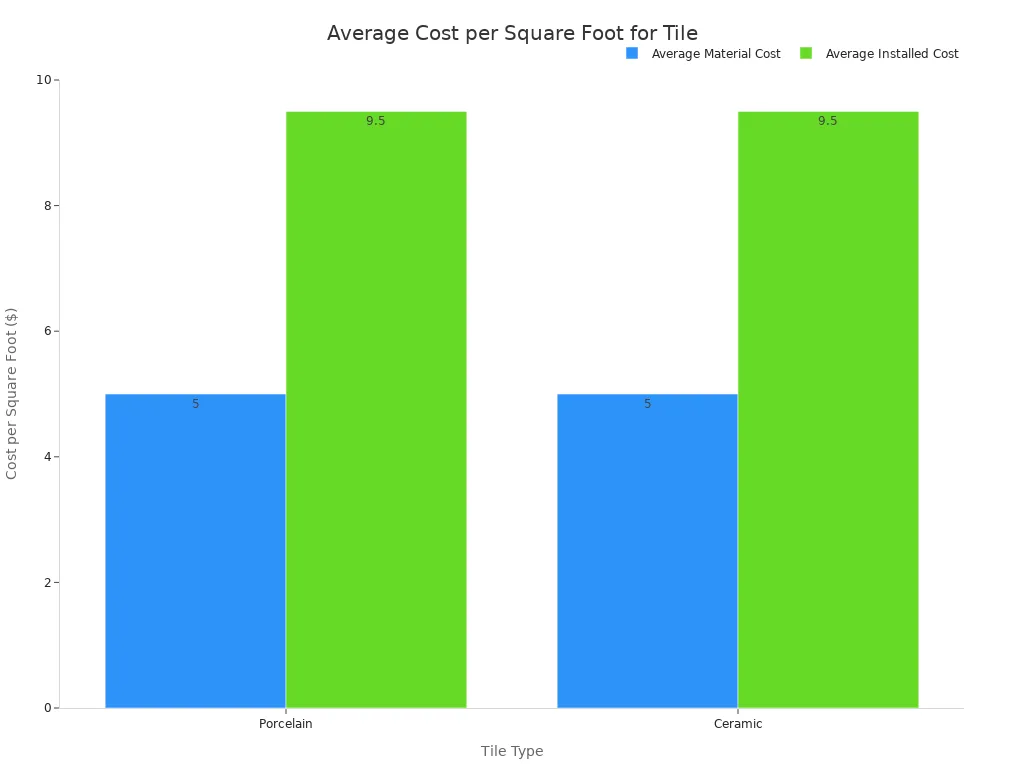
The cost reflects the quality and durability you receive. However, you must be prepared for the higher initial expense for both the tiles and the installation.
The Challenge of a Difficult Installation
You should know that installing porcelain tiles is not a simple DIY project. The same density that makes porcelain so durable also makes it very difficult to cut and drill. A standard tile cutter may not be strong enough. You or your installer will need specialized, professional-grade tools to get clean cuts and avoid breaking the expensive tiles.
⚠️ Heads Up! Attempting to install porcelain without the right equipment can lead to wasted material, a messy finish, and extra costs.
Here are some of the specialized tools required for a successful installation:
- Electric Wet Saw with a Diamond Blade: Essential for making precise, clean cuts through the hard porcelain.
- Diamond Drill Bits: Needed to drill holes for plumbing or fixtures without cracking the tiles.
- Electric Mixers: Ensure the mortar adhesive is mixed to the perfect consistency for a strong bond.
- Tile Leveling System: Helps you achieve a perfectly flat surface and prevents “lippage,” where one tile sits higher than another.
Because of this complexity, most homeowners hire a professional. The labor cost to install porcelain tiles can range from $4 to $25 per square foot. This professional fee adds a significant amount to your total project budget.
Hard and Unforgiving Underfoot
You will feel the hardness of porcelain flooring under your feet. While its solid surface is great for high-traffic areas, it offers no flexibility. This is one of the physical cons you should consider. If you spend a lot of time standing in the kitchen or laundry room, this hard surface can cause discomfort in your feet, back, and joints.
This hardness also means that dropped items are more likely to break. A dropped glass or ceramic dish will almost certainly shatter on impact with porcelain tiles. This is a practical point to remember for busy family kitchens. When you evaluate the porcelain flooring pros and cons, your lifestyle and comfort should be part of the equation. You can soften high-traffic standing areas with area rugs or anti-fatigue mats to reduce strain.
The Cold Feel of Porcelain Tiles
You will notice that porcelain tiles feel cold underfoot, especially during winter mornings. This coldness is one of the most common cons people mention. The material’s density and thermal-conducting properties cause it to draw heat away from your feet quickly. While this can be refreshing in a hot climate, it is often a source of discomfort in cooler regions.
You can, however, turn this issue into a luxurious feature with radiant in-floor heating. This system is installed right under your tiles and warms the floor directly. It uses infrared heat radiation, much like the warmth you feel from the sun. This method makes a room feel cozy even at a lower air temperature. Modern systems heat the floor to a comfortable 80-85 degrees Fahrenheit.
Radiant heating offers several benefits when paired with porcelain tiles:
- The system warms the room from the floor up, which is more effective than forced-air systems that leave your feet cold.
- The heat conducts through the tiles and radiates into the room, creating a consistent warmth.
- Porcelain tiles are excellent thermal conductors, meaning they transfer and hold heat very well with less wasted energy.
- Electric radiant heat mats are thin, affordable, and easy to install under your new tiles.
- You can even use these systems in wet areas like showers, as they are approved for such applications.
You have two main types of systems to consider. The choice depends on your project’s scale and budget.
| System Type | Mechanism | Installation Considerations | Benefits/Drawbacks |
|---|---|---|---|
| Hydronic | Hot water is piped through plastic tubes beneath the tiles, heated by a boiler. | This system requires a connection to natural gas or propane. The tubes can raise the floor level. It is best for new homes or major renovations. | It is more efficient for heating an entire home. The system takes a while to heat up and is often left on continuously. |
| Electric | Electric heating elements are woven into a mat and placed directly under the tiles. | The mats roll out easily and add very little height to the floor. This can be a DIY-friendly project. | It is better for heating single rooms. The system heats up quickly, allowing you to use it on demand. |
While the cold feel is one of the cons of porcelain, adding a heating system is an effective but costly solution.
Repairing a Damaged Porcelain Tile
You will find that repairing a single damaged porcelain tile is a major challenge. This is one of the practical drawbacks of such a strong material. If a tile cracks or chips, you cannot simply patch it up. The entire tile must be replaced, and the process is difficult. The hardness of porcelain makes it tough to remove one tile without cracking the neighboring tiles.
💡 Pro Tip: Always buy and save at least 10% extra tiles from your original purchase. Store them in a safe place. This ensures you have a perfect match if you ever need a replacement.
Finding a matching replacement tile later can be nearly impossible. Manufacturers produce tiles in batches, or “dye lots.” The color and texture can vary slightly from one batch to another. A new tile, even if it is the same product, may not match your existing floor perfectly. This is why keeping extra tiles is so important.
The repair process itself requires skill and patience:
- Remove the Grout: You must carefully grind or scrape out all the grout surrounding the damaged tile.
- Break the Tile: The damaged tile is then broken into smaller pieces from the center outward for easier removal.
- Clean the Subfloor: You need to scrape away all the old adhesive to create a clean, level surface.
- Install the New Tile: Finally, you can set the new tile with fresh adhesive and apply new grout.
Because of this complexity, you will likely need to hire a professional. This adds another potential cost to the long-term ownership of your porcelain floor. These repair difficulties are significant cons to consider.
The Beautiful: Design Versatility of Porcelain Tile
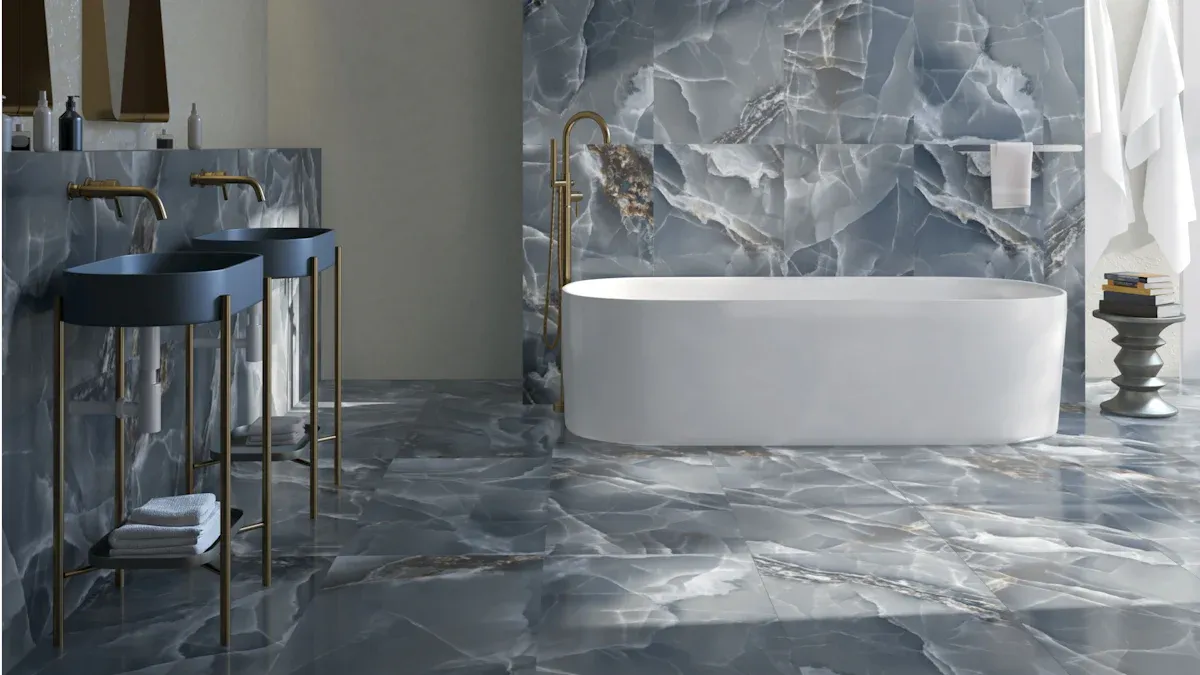
You can unlock endless design possibilities with porcelain flooring. The beauty of this material lies in its incredible versatility. You can find a porcelain tile to match any aesthetic, from modern minimalism to rustic charm. This adaptability allows you to create a truly personalized space that reflects your unique style.
A World of Styles, Finishes, and Textures
You will discover a huge range of styles when you shop for porcelain tiles. Manufacturers now offer tiles with stunning textural realism. You can choose from many finishes, including glossy, matte, and textured surfaces. Current trends embrace natural elements, giving you even more options.
- Terra Tones: These tiles bring warm, earthy clay shades into your home.
- Colors of Sand: You can create a calm atmosphere with tiles in sandy hues from ivory to camel.
- Glossy Finishes: High-gloss tiles add a vibrant sheen to liven up any room.
These varied styles allow you to find the perfect tiles for your design vision.
Realistic Looks of Wood, Stone, and More
You can get the high-end look of natural materials without the difficult maintenance. Modern digital printing has revolutionized the industry. Inkjet technology allows manufacturers to create porcelain tiles with hyper-realistic wood, stone, and marble designs. This process can even replicate the physical texture of these materials. A process called DigiTouch printing perfectly aligns the printed design with a structured surface on the tile. This creates a deeply authentic look and feel. The result is a durable porcelain tile that convincingly mimics natural grain and texture.
Cohesive Designs for Walls and Backsplashes
You can create a seamless, unified look throughout your home with porcelain tiles. This material is not just for floors. You can use porcelain tiles on walls, backsplashes, and even countertops. Using the same tiles on both the floor and walls of a bathroom can make the space feel larger and more cohesive. In a kitchen, you can match your durable porcelain floor tiles to a beautiful backsplash for a coordinated design. This versatility helps you maintain a consistent style from one room to the next, creating a harmonious flow in your home. These beautiful tiles offer endless creative possibilities.
Customizing Your Look with Grout
You can think of grout as more than just the material that fills the gaps between your porcelain tiles. It is a powerful design tool that dramatically affects the final look of your floor. The color you choose can either make your tiles blend together or make each one stand out as a decorative element. This choice is a crucial decision that shapes the entire feel of your space.
You can create a bold, dynamic statement with a contrasting grout color. This approach highlights the unique shape and pattern of your tiles, making each one pop. A dark grout with light porcelain tiles, for example, creates a classic, graphic look that adds visual interest. This is a great way to bring creativity to a floor with plain tiles.
For a more seamless and uniform appearance, you can match the grout color to your porcelain tile. This technique creates a continuous surface that can make a small room feel larger and more open. It is an ideal choice for achieving a modern, minimalist aesthetic. This method works especially well with natural-look porcelain tiles, as it does not distract from their subtle texture and design.
Choosing Your Grout: Key Considerations
- Create Contrast: Use a different color grout to emphasize the pattern of your tiles.
- Blend In: Match the grout to your porcelain tiles for a seamless, modern look.
- Think Practical: In high-traffic areas like kitchens, a darker grout can help hide dirt and keep your floor looking cleaner.
- Plan for the Future: If you might change your decor later, a neutral grout color offers the most versatility for your porcelain tiles.
Ultimately, the right grout enhances the beauty of your chosen tiles. Whether you want to blend in or stand out, your grout selection is the final touch that completes your design.
How Porcelain Compares to Other Flooring
You have many flooring choices available. Understanding how porcelain stacks up against other popular materials will help you decide. This comparison shows you where porcelain tiles truly shine.
Porcelain vs. Ceramic Tile
You might think porcelain and ceramic tiles are the same, but they have key differences. Porcelain is made from a more refined clay and fired at higher temperatures. This makes porcelain tiles denser and stronger than ceramic.
| Feature | Porcelain Tile | Ceramic Tile |
|---|---|---|
| Composition | Refined porcelain clay | Red or white clay |
| Density | Very dense | Less dense |
| Water Absorption | Less than 0.5% | More than 0.5% |
| Durability | Superior wear resistance | More prone to wear |
Because of its low water absorption, porcelain is a better choice for wet areas like bathrooms. Its high density also gives it superior durability for busy households.
Porcelain vs. Natural Stone
You can get the beautiful look of natural stone with porcelain tiles. Natural stone like marble requires special care. You must use pH-neutral cleaners and reseal it regularly to prevent stains. Porcelain, on the other hand, is much easier to maintain.
- Sealing: Natural stone needs regular sealing. Porcelain itself does not need a sealer.
- Cleaning: You can use most cleaners on porcelain. Stone requires specific, gentle cleaners.
The cost for both materials can overlap. While some porcelain is cheaper, high-end porcelain tiles can cost as much as natural stone like travertine or slate.
Porcelain vs. Luxury Vinyl Plank
You will find that porcelain is much harder than luxury vinyl plank (LVP). This makes it extremely resistant to scratches and dents from daily life. LVP is a softer material, so it can get cuts or tears from sharp objects. This tile flooring offers better long-term durability.
Porcelain tiles can also add more to your home’s resale value. Buyers often see porcelain as a high-end, permanent feature. This perception of quality makes it a desirable upgrade in kitchens and bathrooms.
Porcelain vs. Hardwood
You will find major differences when comparing porcelain tiles to classic hardwood flooring. Hardwood offers a warm, traditional beauty, but it requires more care. It is vulnerable to scratches, dents, and water damage. You must refinish hardwood floors every few years to maintain their look. In contrast, porcelain tiles are extremely durable and almost completely waterproof, making them a superior choice for kitchens, bathrooms, and entryways.
Comfort is another key area where these two materials differ. Hardwood is naturally warmer and softer underfoot. The hardness of porcelain tiles offers less cushioning, which can cause fatigue if you stand for long periods. You will also notice that porcelain tiles feel cooler to the touch, which can be a drawback in colder climates.
Sound is also an important consideration. Hardwood floors absorb sound better than hard tile surfaces. The reflective surface of porcelain tiles can increase echo and noise within a room. This is measured by the Impact Insulation Class (IIC), which rates how well a floor blocks impact sounds like footsteps.
| Flooring Type | Impact Insulation Class (IIC) |
|---|---|
| Hardwoods | 60 (medium impact) |
| Tile | 50 (lowest rating) |
🎧 Acoustic Tip: Both hardwood and tile have a low Noise Reduction Coefficient (NRC), meaning they do not absorb much sound within a room. However, hardwood generally performs better than tile. If you want to reduce echo, materials like carpet or cork are better choices.
Ultimately, your choice depends on your priorities. If you need maximum durability and water resistance, porcelain tiles are the clear winner. If you prefer a warmer, quieter, and more traditional feel, hardwood might be the right fit for your home.
You can see that porcelain tiles are a premium flooring choice, prized for their durability. The easy maintenance and lasting strength of porcelain tiles provide excellent long-term value. While the initial cost is higher, the investment in durable porcelain tiles pays off. This flooring offers low maintenance and impressive durability. Ultimately, porcelain tiles are the perfect fit if you prioritize performance, style, and a lasting investment over a low upfront budget.
FAQ
Is porcelain tile slippery?
You will find that the slip resistance of porcelain tile depends on its finish. Polished, glossy tiles can be slippery, especially when wet. For bathrooms or entryways, you should choose tiles with a matte or textured finish. These surfaces provide better grip and improve safety.
Can you use porcelain tiles outside?
Yes, you can use porcelain tiles for outdoor spaces like patios. You must choose tiles that are specifically rated for exterior use. Their low water absorption rate helps them resist damage from freezing and thawing. This makes them a durable choice for outdoor flooring in many climates.
What is the difference between through-body and glazed porcelain?
You have two main types of porcelain tiles. Glazed porcelain has a design printed on the surface. Through-body porcelain has the same color and texture all the way through the tile.
💡 Good to Know: Through-body tiles are better at hiding chips or scratches, making them great for very high-traffic areas.
Does porcelain tile increase home value?
Yes, porcelain tile can increase your home’s value. Buyers see it as a high-end, durable upgrade, especially in kitchens and bathrooms. Its long lifespan and premium appearance make it a smart investment that adds lasting appeal to your property.




