
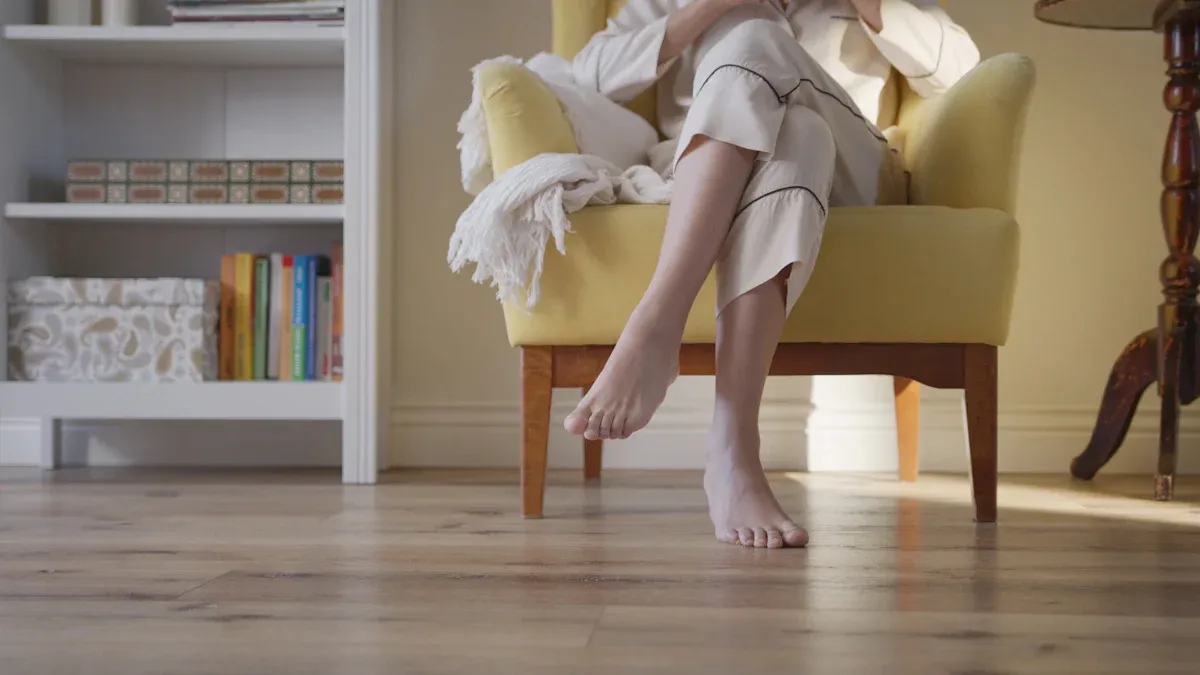
You may have noticed more people choosing SPC flooring for their homes. SPC stands for Stone Plastic Composite. This type of flooring uses a strong core that resists dents and water. Many homeowners like SPC because it looks like real wood or stone, but costs less.
- SPC offers:
- Durability for busy spaces
- Water resistance for kitchens or bathrooms
- Easy installation with click-lock systems
- Simple cleaning and low maintenance
People often pick SPC over other options because it handles spills, stays strong, and fits many styles. You get a floor that lasts and looks great in any room.
Benefits of SPC Flooring
Durability and Stability
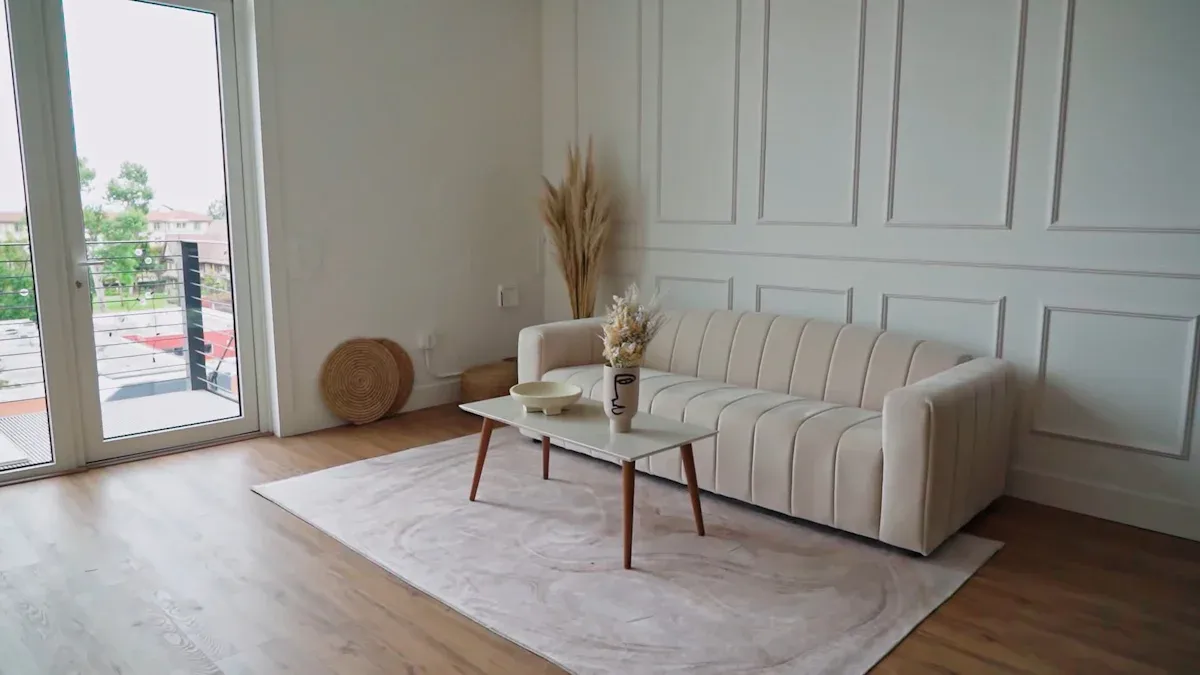
When you choose spc vinyl flooring, you invest in a surface built to last. The rigid core in spc flooring gives it outstanding durability. You can place this flooring in high traffic areas like hallways, kitchens, or living rooms. It resists dents, scratches, and daily wear better than traditional vinyl or laminate. You do not need to worry about cracks because the flexible yet sturdy composition keeps the floor strong.
Tip: If you have pets or kids, spc vinyl flooring stands up to claws, toys, and heavy foot traffic.
You can see how spc flooring compares to other types in terms of longevity:
| Flooring Type | Average Lifespan |
|---|---|
| SPC Flooring | 20+ years |
| Vinyl Flooring | 10-15 years |
| Laminate | 10-15 years |
- spc vinyl flooring has a life expectancy of 10 to 25 years.
- Well-maintained spc flooring can last up to 25 years or longer.
- The wear layer thickness and installation quality affect the actual longevity.
You get durability and longevity that add value to your home. The benefits of spc vinyl flooring include a rigid core that keeps your floor looking new for years.
Water Resistance
You want a floor that handles spills and moisture. spc vinyl flooring is 100% waterproof. The stone plastic composite core and PVC composition make it ideal for kitchens, bathrooms, and basements. You do not need to worry about water damage or swelling, unlike laminate or engineered wood.
- spc flooring is recommended for moisture-prone areas due to its waterproof properties.
- Laminated flooring is not waterproof and should not be installed in wet areas.
- spc vinyl flooring offers superior durability compared to laminate flooring.
Manufacturers test spc flooring for water resistance using several methods:
| Test Type | Description |
|---|---|
| Water Test | Evaluates click joints and surface for water resistance. |
| Marker Test | Assesses stain resistance using substances like ink and food. |
| Cleanability Evaluation | Tests surface cleanability with a mild cloth and detergent. |
- 7-day submersion test (ASTM D570)
- Thickness swelling measurement (<0.5%)
- Delamination check after wet/dry cycling
You benefit from the waterproof nature of spc vinyl flooring. The waterproof properties protect your investment and keep your floors looking great in high-traffic areas.
Style and Design Choices
You do not have to sacrifice style for durability. spc vinyl flooring comes in a wide range of colors, textures, and finishes. You can choose wood-look textures, stone and marble patterns, or bold and neutral tones. The luxury top layer adds visual appeal and fits many interior design styles.
| Design Option/Finish | Description |
|---|---|
| Luxury Top Layer | Various designs for aesthetic appeal |
| Neutral Tones | Greys, beiges, whites for versatility |
| Bold and Dark Shades | Deep browns, charcoals for sophistication |
| Wood-Look Textures | Mimics natural wood for a classic look |
| Stone and Marble Patterns | Adds a luxurious touch |
- Warm, earthy color schemes and natural tones are available.
- You can pick low sheen, matte, wood grain, or stone appearance.
- Patterned flooring includes geometric, chevron, and herringbone designs.
spc vinyl flooring uses advanced imaging and textured finishes to replicate the look of hardwood or tile. You get the benefits of style and value at a lower cost. The adaptability of spc flooring makes it easy to match your taste and room decor.
Comfort and Sound Insulation
You want your home to feel peaceful and comfortable. spc flooring helps you achieve both. The dense core layer in spc absorbs and dampens impact sounds. You notice less noise when people walk or drop objects. This feature makes spc a smart choice for apartments and multi-story homes. Many users report that spc flooring reduces noise transmission in busy spaces.
- spc flooring offers better sound insulation than hardwood because of its multi-layer structure.
- You find that spc outperforms ceramic tile in sound absorption, making rooms quieter.
- Carpet also insulates sound, but spc is easier to clean and waterproof.
Note: If you want a quiet environment, spc flooring helps reduce everyday noise.
Comfort matters when you spend time at home. You may wonder how spc compares to other flooring types. User surveys show that spc flooring feels firm underfoot. It provides a stable surface for walking and standing. The rigid core adds to the durability and comfort.
| Feature | SPC Flooring | WPC Flooring | Best Use |
|---|---|---|---|
| Comfort Level | Firm (5/10) | Soft (8/10) | WPC: Living Areas |
You get a floor that balances comfort and durability. While WPC flooring feels softer, spc gives you a solid surface that lasts. You can add area rugs for extra softness if you want more cushion.
Eco-Friendly Qualities
You care about the environment when choosing new flooring. spc flooring supports eco-friendly living in several ways. Manufacturers use recycled materials to produce spc, which helps reduce waste. In 2023, over 35% of spc products contained recycled materials. Recycled PVC-based spc flooring made up 38% of the total market share that year. By 2026, experts expect spc flooring to include up to 70% recycled content.
- spc flooring often carries certifications like FloorScore®, ISO 14001, and CE standards.
- Many products are GREENGUARD certified, which means they meet strict indoor air quality standards.
Tip: Look for eco-friendly certifications when you shop for spc flooring. These labels show that the product meets high environmental and health standards.
You help protect the planet by choosing spc flooring with recycled content and certifications. The production process uses fewer resources and creates less pollution. You also benefit from the durability of spc, which means you replace your floors less often. This reduces waste and saves money over time.
SPC Flooring Installation Guide
Preparing the Subfloor for Installation
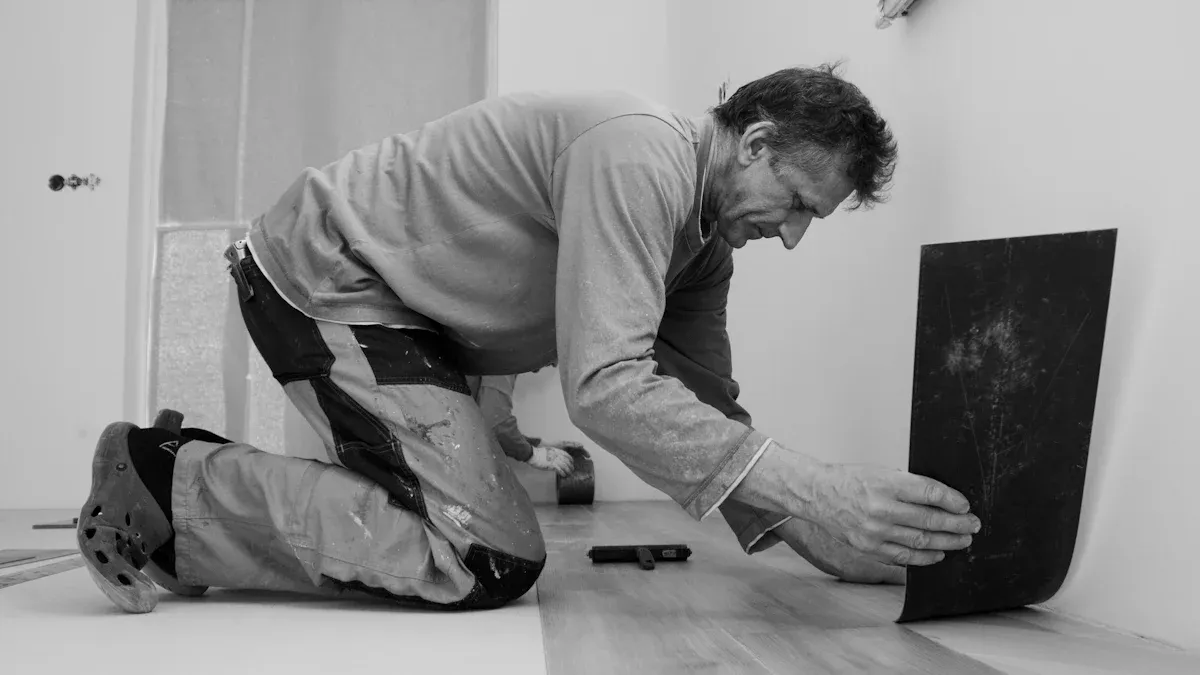
You set the stage for a successful installation by preparing your subfloor. A well-prepared subfloor helps your spc flooring last longer and look better. Follow these steps to get your subfloor ready:
- Inspect the subfloor for damage, uneven spots, or moisture.
- Clean the surface. Remove dust, dirt, and debris with a broom or vacuum.
- Level the subfloor. Fill in low spots and sand down high areas to create a flat surface.
- Prime the subfloor if needed. This step improves adhesion and stability.
- Install a moisture barrier, especially in basements or areas prone to dampness.
- Lay down underlayment if your spc product requires it.
Tip: Never skip subfloor preparation. Neglecting this step can cause problems like uneven flooring, gaps, or even damage over time.
Common subfloor issues can ruin your installation. Watch out for these problems:
- Laying spc over uneven surfaces or damp areas can cause planks to shift or buckle.
- Skipping moisture barriers may lead to water damage.
- Failing to check for flatness, debris, or dampness can shorten the life of your flooring.
A smooth, dry, and clean subfloor gives you the best foundation for your new spc.
Essential Tools and Materials
You need the right tools and materials for a smooth installation process. Gather these items before you start:
- Tape measure
- Pencil
- Straight edge
- SPC cutting knife or utility knife
- Good pair of scissors or Stanley knife
- Bolster chisel
- Circular saw or hand saw
- Pull bar
- 1/4” spacers
- Moisture meter (for wood or concrete)
- Broom
- Lining paper
- Homemade scribing gauge
- SPC adhesive (if your product requires glue)
- Safety equipment (goggles and mask)
Note: Always wear safety gear when cutting or handling flooring materials.
Having these tools ready makes the easy installation of spc much faster. You avoid delays and mistakes by preparing your workspace and equipment in advance.
Step-by-Step SPC Installation Process
You can achieve a professional look by following a step-by-step installation guide. The process works for both click-lock installation and glue-down methods, but most homeowners prefer click-lock installation for its easy installation and clean finish.
Here is a step-by-step installation guide for spc:
- Choose the right direction for your planks. Decide if you want them to run parallel to the longest wall or toward a main light source.
- Establish a reference line using a chalk line or straight edge. This helps you keep your rows straight.
- Cut the first plank to the correct length. Measure carefully to avoid waste.
- Install the first plank along the reference line. Tap it gently into place.
- Align and interlock the next plank using the click-lock installation system. Make sure the edges fit tightly.
- Use tapping blocks and a rubber mallet to secure connections. Listen for a “click” sound to confirm a tight fit.
- Cut and fit planks around doorways and irregular shapes. Use a scribing gauge for tricky spots.
- Handle corners and trim areas by using leftover pieces. Trim them to fit snugly.
- Complete the last row. You may need to cut planks lengthwise for a perfect fit.
- Check for gaps. Make adjustments as needed to ensure a seamless look.
Pro Tip: The average installation time for a standard 12×12 foot room is about 4 to 6 hours if you have some experience.
A careful installation process helps your spc floor look great and last for years. Take your time with each step, and you will enjoy a beautiful, durable floor.
Common Installation Mistakes
You want your spc flooring to look great and last for years. Avoiding common mistakes during installation helps you achieve the best results. Many homeowners make errors that lead to problems like buckling, gaps, and uneven surfaces. Professional installers see these issues often.
- Placing heavy kitchen cabinets or fixtures on top of spc flooring causes buckling. Always install cabinets before laying the flooring. This allows the floor to move naturally.
- Skipping proper subfloor preparation leads to uneven surfaces and dents. Clean and level your subfloor before starting the installation.
- Failing to acclimate spc planks to the room’s temperature and humidity can result in expansion or contraction. Let your flooring sit in the room for at least 24 hours before installation.
- Not leaving enough expansion gaps around the edges causes warping and buckling. Expansion gaps let the flooring adjust to changes in temperature and humidity.
- Using the wrong tapping or locking technique damages the planks. Follow the manufacturer’s instructions for connecting each piece.
- Cutting and fitting planks without precision creates gaps and misalignments. Take your time with measurements and cuts.
- Rushing through the installation process leads to mistakes and poor results. Work carefully and check your progress often.
- Ignoring finishing touches like trims and molding leaves the floor looking unfinished. These details give your spc flooring a polished look.
- Overlooking environmental factors such as moisture or temperature changes can cause gaps and damage over time.
Note: Loose or gapping planks often happen when you do not lock them properly during installation. Dents and indentations may appear if you do not prepare the surface well. Buckling and warping can result from skipping acclimation or expansion gaps.
Here is a quick table showing the consequences of improper spc installation:
| Mistake | Possible Problem |
|---|---|
| No subfloor prep | Uneven flooring, dents |
| No acclimation | Buckling, warping |
| No expansion gap | Warping, gaps |
| Heavy fixtures on flooring | Buckling |
| Poor alignment | Gaps, instability |
| Rushed finishing touches | Unprofessional appearance |
You can avoid these issues by following best practices and taking your time during installation.
DIY Installation Tips
You can install spc flooring yourself with the right approach and tools. Experts recommend several tips to help you succeed and avoid common pitfalls.
- Lay a piece of scrap spc flooring before installation to check for moisture in the subfloor. This step helps you spot hidden problems.
- Acclimate your spc planks and the room before installation. Let the flooring sit for at least 24 hours so it adjusts to the environment.
- Leave an expansion gap around the edges for click-lock spc flooring. This gap prevents buckling and allows for natural movement.
- Check your subfloor with a level. A flat surface ensures a smooth installation and prevents future issues.
- Read your manufacturer’s instructions carefully. Each spc product may have unique requirements for installation.
- Use non-staining doormats at entryways. These mats protect your spc flooring from dirt and moisture.
- Clean up spills immediately. Quick action keeps your flooring looking new and prevents damage.
- Watch for floor height differences between rooms. Plan transitions to avoid tripping hazards.
- Do not hammer planks during installation. Use a tapping block and rubber mallet for a secure fit.
- Avoid using a beater bar when vacuuming spc flooring. This prevents scratches and wear.
- Do not slide heavy furniture over your spc flooring. Lift items to avoid dents and scratches.
- Only use adhesive approved for spc tile installation. The wrong glue can damage your flooring and void the warranty.
Tip: Take your time with each step. Careful planning and attention to detail help you achieve a professional finish.
You can enjoy a smooth installation and a beautiful spc floor by following these expert tips. Remember to check your work often and address any issues right away.
SPC Flooring Maintenance and Care
Daily Cleaning for SPC Vinyl Flooring
You can keep your spc flooring looking new with a simple daily routine. Most manufacturers recommend dry mopping or sweeping every day. This removes dust and grit that can scratch the surface. Use a soft-bristle broom or a vacuum designed for hard floors. For a deeper clean, use a damp microfiber mop. Make sure the mop is well-wrung to avoid too much water. You can use a pH-balanced cleaner or a mild soap solution for regular cleaning.
Here is a quick guide for your daily and weekly cleaning:
| Cleaning Frequency | Method | Products/Tools |
|---|---|---|
| Daily | Dry mop or sweep | Soft-bristle broom, vacuum |
| Weekly | Damp mop | Microfiber mop, spray cleaner |
| Monthly | Mild cleaner | pH-neutral cleaner |
Tip: Avoid harsh chemicals like ammonia, bleach, or vinegar. These can damage your flooring and reduce its shine.
Preventing Damage to SPC
You can protect your spc from scratches and dents by following a few easy steps. Place area rugs or mats in high-traffic spots. This helps prevent wear and tear. Try a “no shoes” rule in your home to keep dirt and grit away. Clean your floors often to remove debris that can scratch the surface. Attach soft felt pads to the legs of your furniture. This stops scratches when you move chairs or tables.
Follow these maintenance tips to keep your flooring in top shape:
- Use rugs and mats in busy areas.
- Ask family and guests to remove shoes indoors.
- Sweep or dust daily to remove dirt.
- Add felt pads to all furniture legs.
- Manage room temperature and humidity.
- Protect your spc from direct sunlight to avoid fading.
- Use only pH-balanced cleaners for regular maintenance.
Note: Avoid using too much water when cleaning. Excess moisture can harm the subfloor and reduce the long-term value of your spc flooring.
Handling Spills and Stains
You should act fast when spills happen. Wipe up liquids right away with a microfiber cloth or paper towel. This stops water from seeping into the seams. For sticky or tough stains, use a soft cloth and a mild cleaner. Do not use abrasive scrubbers or harsh chemicals. These can scratch or dull your spc.
- Clean spills as soon as they occur.
- Use gentle, absorbent materials for cleanup.
- For stubborn stains, apply a pH-neutral cleaner with a soft cloth.
Tip: Quick action and gentle cleaning keep your spc looking its best and make maintenance easy. This low maintenance routine helps your flooring last longer.
Long-Term Maintenance Advice
You want your SPC flooring to last for many years. Good habits and a regular schedule help you protect your investment. Start by following a simple routine that keeps your floors looking new and strong.
- Mop your floors with warm water and a mild detergent. This removes dirt and stains without harming the surface.
- Clean up spills right away. Acidic substances like juice or vinegar can stain if left too long.
- Place furniture pads under chairs, tables, and sofas. These pads stop scratches when you move furniture.
- Avoid walking on your floors with high heels or heavy shoes. These can cause dents and marks.
- Put doormats at every entrance. Mats trap dirt and debris before they reach your floors.
- Trim your pets’ nails often. Sharp claws can leave scratches on the surface.
- Protect your floors from direct sunlight. Use curtains or blinds to prevent fading over time.
- Think about applying a protective coating. This adds an extra layer of durability.
- Follow a maintenance schedule:
- Sweep or vacuum daily.
- Mop weekly.
- Deep clean every three months.
- Have a professional inspect your floors once a year.
Tip: Consistent care makes a big difference. You save money and avoid repairs by sticking to your routine.
Here is a quick table to help you remember your maintenance tasks:
| Task | Frequency |
|---|---|
| Sweep/Vacuum | Daily |
| Mop | Weekly |
| Deep Clean | Quarterly |
| Professional Checkup | Annually |
You can enjoy beautiful, long-lasting SPC flooring by making these steps part of your home care routine.
You gain many advantages when you choose spc flooring for your home. The table below shows why spc stands out:
| Key Takeaways | Description |
|---|---|
| Durability | Handles heavy foot traffic and resists scratches. |
| Waterproof Properties | Works well in kitchens and bathrooms. |
| Stability | The limestone core keeps spc steady in any climate. |
| Ease of Maintenance | Simple sweeping and mopping keep your flooring clean. |
| Aesthetic Versatility | Matches many styles and mimics natural materials. |
Experts suggest you look for these features when picking spc:
- Thickness and wear layer for strength
- Color and texture to match your space
- Easy installation methods
- Quality and budget
You make a smart choice with spc. Regular care and proper installation help your flooring last for years.
FAQ
How do you clean SPC flooring every day?
You should sweep or vacuum your floor daily. Use a soft-bristle broom or a vacuum for hard floors. For sticky spots, wipe with a damp microfiber mop. Avoid harsh chemicals or too much water.
Can you install SPC flooring in a bathroom?
Yes, you can install SPC flooring in bathrooms. The waterproof core keeps water from damaging the planks. Make sure the subfloor is dry and level before you start.
Does SPC flooring need underlayment?
Some SPC flooring comes with attached underlayment. If yours does not, you may need to add a thin underlayment for extra comfort and sound reduction. Always check the manufacturer’s instructions.
Can you repair scratches on SPC flooring?
You can fix small scratches with a repair kit or a color-matched marker. For deeper damage, you may need to replace the plank. Always keep extra planks after installation for repairs.




