
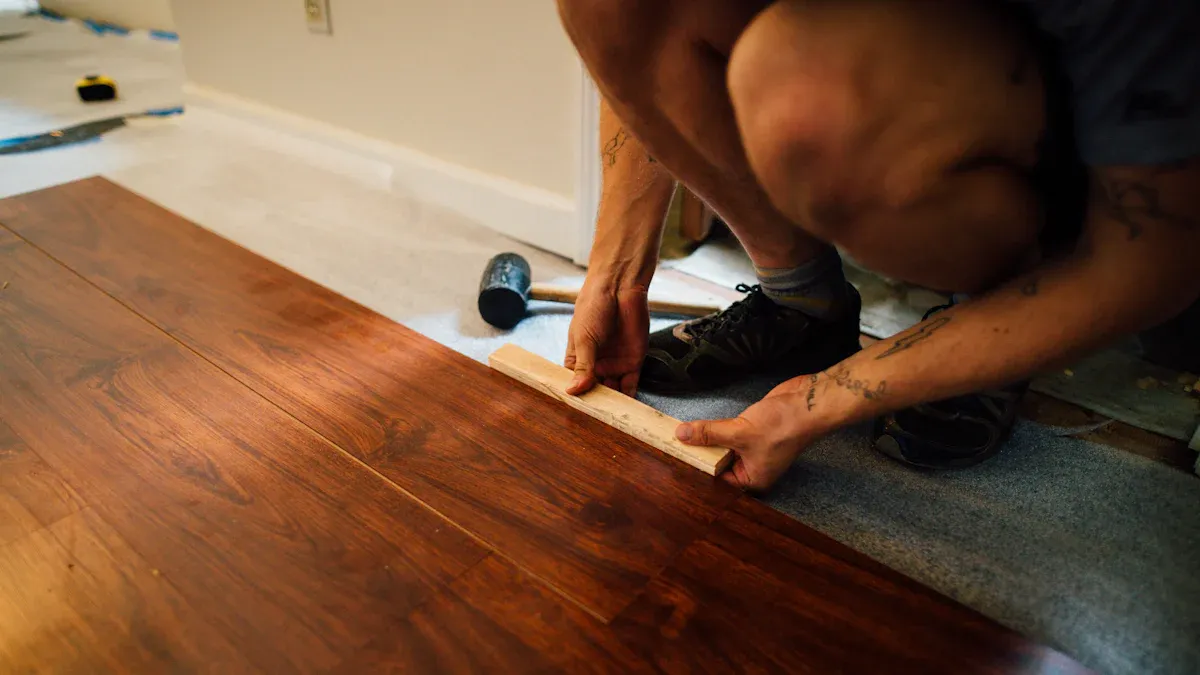
When you compare spc flooring vs lvp, you want to know which works best for your home. The primary differences between spc flooring and lvp flooring come down to durability, water resistance, and how each feels underfoot. Many people think lvp looks fake or needs a lot of care, but modern lvp mimics wood and stone, resists scratches, and needs only simple cleaning. You should consider these key differences and match spc or lvp to your lifestyle and space.
- LVP flooring stands up to heavy traffic.
- LVP uses recycled materials, making it eco-friendly.
- LVP offers easy installation for most DIY projects.
SPC Flooring vs LVP: Quick Comparison Table
At-a-Glance Differences
You want to see the main differences between SPC and LVP flooring quickly. Here is a simple list to help you:
- SPC flooring uses a stone-plastic composite core. This makes it harder and more rigid.
- LVP flooring uses a flexible vinyl core. It feels softer under your feet.
- SPC resists dents and heavy impacts better than LVP.
- LVP offers more comfort and warmth.
- Both types resist water, but SPC handles moisture and spills better.
- You can install both in kitchens, bathrooms, and basements.
Tip: If you have pets or kids, SPC may last longer in busy areas.
Key Features Side-by-Side
You can use this table to compare the key features of SPC and LVP flooring:
| Feature | SPC Flooring | LVP Flooring |
|---|---|---|
| Core Material | Stone-plastic composite | Flexible vinyl |
| Durability | Very high, resists dents and wear | High, but softer than SPC |
| Water Resistance | 100% waterproof | Highly water-resistant |
| Comfort | Hard underfoot | Softer and warmer |
| Installation | Click-lock, easy for DIY | Click-lock or glue-down, DIY-friendly |
| Appearance | Realistic wood and stone looks | Wide range of styles and textures |
| Best For | High-traffic, wet areas | Living rooms, bedrooms, light traffic |
| Price Range | $$-$$$ | $-$$ |
Note: Both options offer easy cleaning. You only need to sweep and mop to keep them looking new.
You can now see which flooring matches your needs. If you want strength and water resistance, choose SPC. If you want comfort and style, LVP may fit your home better.
Key Differences in Durability and Performance
Wear and Scratch Resistance
When you look at spc flooring vs lvp, you notice that durability stands out as a primary difference. SPC flooring uses a rigid stone-plastic composite core. This core gives spc vinyl flooring exceptional strength. You can drop heavy objects or move furniture without worrying about dents. SPC resists scratches and wear from shoes, pets, and toys. Many commercial spaces choose spc for this reason.
LVP flooring uses a flexible vinyl core. You get good resilience against dents and scratches, especially in homes with kids or pets. LVP vinyl flooring works well in living rooms and bedrooms. It feels softer underfoot, which helps reduce marks from daily use.
Consumer reports show that spc flooring handles heavy foot traffic and impacts better than lvp. LVP flooring offers reliable scratch resistance for most homes, but spc outperforms it in busy areas.
Here is a table that highlights the most significant durability differences based on lab testing:
| Feature | SPC Flooring | LVP Flooring |
|---|---|---|
| Core Structure | Rigid core, exceptional durability | Softer structure, may wear faster |
| Water Resistance | 100% waterproof | Water-resistant, may swell with moisture |
| Scratch/Dent Resistance | Highly resistant due to rigid core | More susceptible to indentation |
| Ideal Use | High-traffic and commercial areas | Residential areas with moderate traffic |
Water Resistance
Water resistance is another key factor when you compare spc flooring vs lvp. SPC flooring is highly waterproof. You can install it in kitchens, bathrooms, and basements without worry. Spills and moisture do not damage spc. The rigid core blocks water from seeping in.
LVP flooring is water-resistant. You can mop up spills easily, but standing water may cause swelling over time. LVP vinyl flooring works well in most rooms, but you should avoid leaving water on the surface for long periods.
Here is a quick comparison of water resistance ratings:
| Feature | SPC Flooring | LVP/Vinyl Plank Flooring |
|---|---|---|
| Water Resistance | Highly Waterproof | Water Resistant |
Tip: If you want flooring for laundry rooms or bathrooms, spc flooring gives you peace of mind.
Lifespan and Long-Term Value
You want your floors to last. SPC flooring offers a long lifespan because of its rigid core and high durability. You spend more upfront, but you save money on repairs and maintenance. Homeowner surveys show that spc flooring costs less to maintain over time. You sweep and mop to keep it looking new.
LVP flooring costs less at first. You may need to repair or replace sections after years of use, especially in high-traffic areas. LVP vinyl flooring needs more care to prevent scratches and dents. Luxury vinyl flooring brands offer warranties that show their commitment to quality and style.
Here is a table comparing costs and warranties:
| Flooring Type | Upfront Cost | Long-term Maintenance Cost |
|---|---|---|
| SPC | Higher | Lower due to durability |
| LVP | Lower | Higher due to more care |
| Flooring Type | Warranty Description |
|---|---|
| SPC Flooring | Built to withstand the test of time, assuring quality and durability. |
| LVP Flooring | Demonstrates commitment to quality, durability, and style. |
SPC flooring is recognized for its durability and lower environmental footprint due to its long lifespan and evolving recycling infrastructure. In contrast, LVP flooring has made strides in reducing its ecological impact through technological advancements and sustainable practices, including the reduction of VOC emissions and the incorporation of recycled content.
You also help the environment when you choose wisely. SPC flooring benefits from a long lifespan and low maintenance needs, making it a sustainable choice. LVP manufacturers are adopting eco-friendly formulations and production processes, reducing VOC emissions. Both flooring types are seeing improvements in recycling initiatives, contributing to a circular economy.
SPC Flooring vs LVP Flooring: Cost Breakdown
Material Costs
You want to know how much you will spend on flooring materials before you start your project. The price per square foot can help you compare spc flooring and lvp flooring. Most homeowners see a small difference in the average price. You pay a bit more for spc because of its stone-plastic composite core and higher durability. Lvp flooring gives you a wider price range, which means you can find options for almost any budget.
Here is a quick look at the average price per square foot in the United States:
| Flooring Type | Average Price per Square Foot |
|---|---|
| LVP | $2 – $7 |
| SPC | $3.55 – $3.95 |
You see that spc rigid core flooring costs more upfront, but you get extra strength and water resistance. Lvp vinyl flooring offers more choices in style and price. If you want luxury vinyl flooring with advanced features, you may pay at the higher end of the range.
Tip: If you want the best durability for busy spaces, spc vinyl flooring gives you peace of mind, even if the initial cost is higher.
Installation Costs
You need to think about the cost of installation when you choose between spc and lvp. Many homeowners want to save money by installing floors themselves. Spc flooring often uses click-lock systems, which make installation easier and faster. You spend less on labor because you can do it yourself or hire professionals for a quick job.
Lvp flooring gives you two main installation methods: click-lock and glue-down. Glue-down lvp costs more because it takes longer and needs special adhesives. Professional flooring contractors say that installation costs for spc are usually lower than for lvp, especially if you pick glue-down lvp.
Here are some points to consider:
- Installation costs for spc flooring are generally lower.
- Spc flooring features easier installation methods, like click-lock systems.
- Lvp installation costs can vary, with glue-down methods being more expensive.
If you want to keep costs down, choose spc for simple installation. If you want more design flexibility, lvp gives you options, but you may pay more for labor.
Note: Always ask for a detailed quote before you start. The cost of installation can change based on your room size and the method you choose.
Maintenance and Repair Expenses
You want your floors to last without spending too much on repairs. Over ten years, spc flooring costs less to maintain. You sweep and mop to keep it clean. The rigid core resists dents and scratches, so you rarely need to replace planks. Lvp flooring needs more care, especially in busy areas. You may need to replace planks or refinish the surface if it gets damaged.
Here is a table showing typical maintenance and repair expenses over a 10-year period:
| Flooring Type | Total 10-Year Cost |
|---|---|
| SPC | $2.75/sq.ft. |
| LVP | Higher due to plank replacements and refinishing |
You see that spc gives you better long-term value. Lvp vinyl flooring may cost less at first, but you spend more on repairs if you have pets, kids, or heavy traffic. If you want a floor that stays strong and looks new, spc flooring is a smart choice.
Tip: Regular cleaning helps both spc and lvp last longer. Avoid harsh chemicals and use gentle cleaners for the best results.
You now have a clear cost comparison between spc and lvp. Material costs, installation costs, and maintenance expenses all play a role in your decision. Choose the flooring that fits your budget and your lifestyle.
Installation Process: SPC Flooring vs LVP Flooring
Ease of Installation
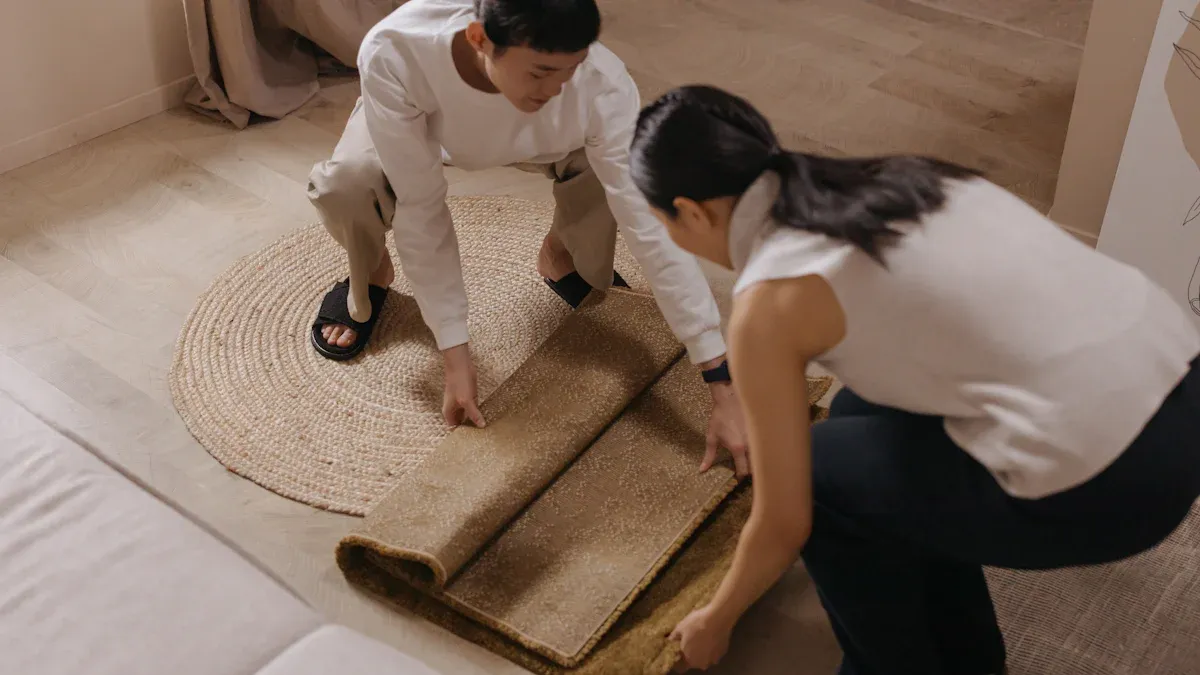
You want a flooring option that makes the installation process simple. SPC flooring uses a click-lock system. You snap the planks together without glue or nails. This method saves time and reduces mess. LVP flooring also offers click-lock planks, but some styles use glue-down methods. You may find the click-lock system easier if you have little experience. The installation comparison shows that SPC works best for quick projects. LVP gives you more choices, but glue-down planks take longer.
Tip: Always check the installation requirements before you start. Some floors need special underlayment or tools.
DIY vs Professional Installation
You can install SPC or LVP flooring yourself. Many homeowners choose DIY because it saves money. SPC flooring works well for beginners. The rigid planks fit together easily. You need basic tools like a tape measure, utility knife, and rubber mallet. LVP flooring lets you pick between click-lock and glue-down styles. Click-lock LVP is good for DIY, but glue-down LVP may need a professional. If you want perfect results, hire a flooring expert. Professionals know how to handle tricky corners and doorways.
| Installation Type | SPC | LVP |
|---|---|---|
| DIY Friendly | ✅ | ✅ |
| Professional Help | Optional | Recommended for glue-down |
Common Installation Mistakes
You want your new floor to look great. Avoid these common mistakes during installation:
- Not preparing the subfloor. Clean and level the surface before you start.
- Skipping acclimation. Let SPC and LVP planks sit in the room for 24-48 hours.
- Using the wrong tools. Follow the manufacturer’s instructions for best results.
- Forgetting expansion gaps. Leave space around the edges to prevent buckling.
Note: Careful planning helps you avoid costly repairs later.
You can install SPC flooring and LVP flooring with confidence. Follow the installation requirements and take your time. You will enjoy a beautiful, long-lasting floor.
Comfort and Underfoot Feel: Key Differences
Hardness and Cushioning
When you walk on spc flooring, you notice a firm and supportive surface. The stone-plastic composite core makes spc stiff and rigid. This gives your feet more support, which some people prefer in busy spaces. You may feel less give underfoot, especially if you stand for long periods.
Lvp flooring feels different. The flexible vinyl core creates a softer and more cushioned experience. You might enjoy this comfort in bedrooms or living rooms where you spend time relaxing. Many consumer testing panels highlight these differences:
- SPC flooring feels stiff and solid, offering strong support.
- LVP flooring feels flexible, giving you a softer and more comfortable step.
If you want a floor that feels gentle underfoot, lvp may suit your needs. If you prefer a sturdy base, spc works well in high-traffic areas.
Tip: Try walking on samples of both types before you decide. Your feet will tell you which feels best.
Noise and Warmth
Floors can change how your home sounds and feels. Lvp absorbs sound, making rooms quieter. You hear less noise from footsteps, pets, or moving furniture. Lvp also helps keep your home warm. The material holds heat, so your floors feel cozy in cooler months.
Spc offers sound insulation because of its rigid core. You get less echo and a stable base. However, spc does not retain warmth as well as lvp. Your floors may feel cooler, especially in winter.
Here is a table that shows how spc and lvp compare in noise reduction and warmth retention:
| Flooring Type | Noise Reduction | Warmth Retention |
|---|---|---|
| LVP | Absorbs sound, reducing noise in high-traffic areas | Helps maintain a comfortable temperature due to heat retention |
| SPC | Offers sound insulation due to rigid core | Provides a stable base but less warmth retention compared to LVP |
You can choose lvp flooring for quiet, warm rooms. Spc works well if you want a solid feel and less noise in busy spaces.
Design and Aesthetic Options: SPC Flooring vs LVP Flooring
Color and Pattern Choices
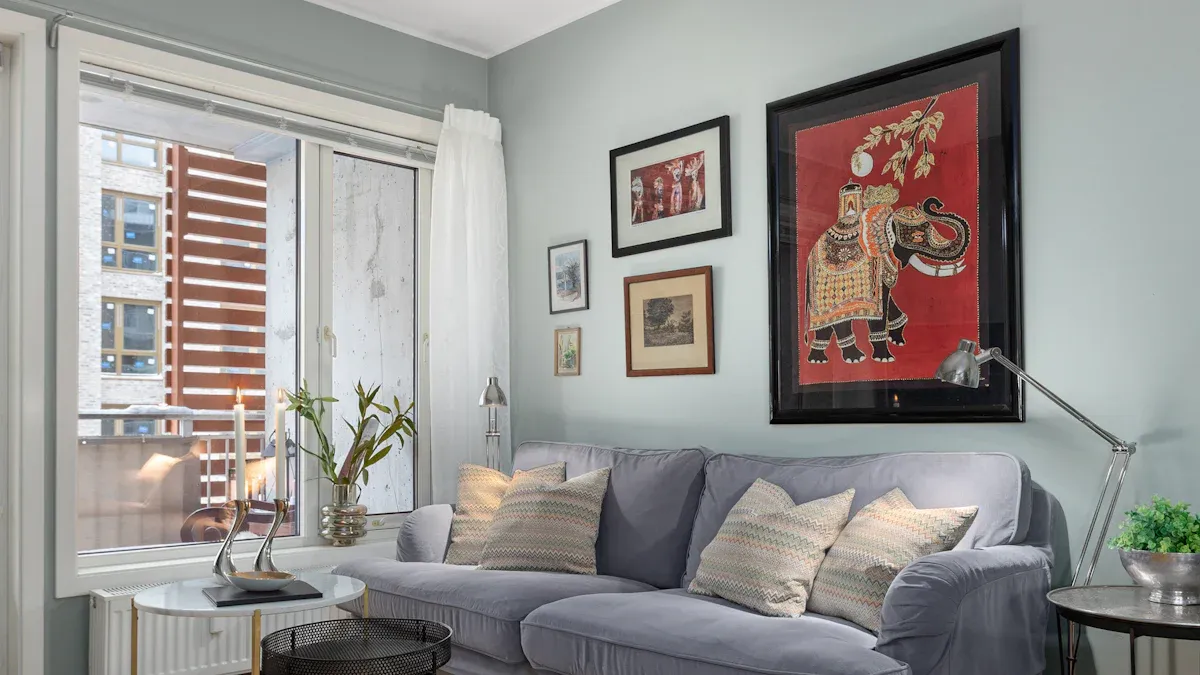
You want your floors to match your style and make your home feel inviting. In 2025, spc flooring offers a wide range of colors and patterns. You see soft grays and creamy beiges in many homes because they fit almost any decor. Deep charcoals and navy blues give rooms a bold look. Wood-look spc choices like weathered oak and rich walnut add rustic charm and elegance. These options help you create a modern or classic space.
Lvp flooring also gives you many choices. You find realistic wood and stone looks that appeal to traditional tastes. Lvp mimics real materials closely, so you get the beauty of natural surfaces with easy care. You can pick from light, medium, or dark tones to match your furniture and walls.
Here is a table that shows popular colors and patterns for both flooring types:
| Flooring Type | Popular Colors and Patterns | Description |
|---|---|---|
| SPC Flooring | Neutral tones, bold hues, wood-look | Versatile options including soft grays, creamy beiges, deep charcoals, and weathered oak. |
| LVP Flooring | Mimics real materials closely | Continues to offer realistic wood and stone looks, appealing to traditional aesthetics. |
Tip: Try samples in your room before you decide. Lighting can change how colors look.
Realism and Texture
You want your floors to look and feel like real wood or stone. Spc flooring uses high-resolution imaging and textured finishes. You see grains, knots, and natural patterns that make each plank unique. The variety in colors, textures, and finishes lets you match spc flooring to many design styles.
Lvp flooring also focuses on realism. You notice that lvp planks often have embossed surfaces. These textures feel like real wood or stone under your feet. You get a natural look with easy maintenance.
- SPC flooring replicates natural materials such as wood and stone.
- High-resolution images and textured finishes enhance the look.
- LVP flooring offers embossed surfaces for a realistic feel.
- Both types fit modern and traditional interiors.
You can choose spc or lvp flooring to create the look you want. Both options give you realistic visuals and textures that improve your home’s style.
Suitability for Different Rooms and Lifestyles
Kitchens, Bathrooms, and Basements
You want flooring that stands up to moisture and daily messes in kitchens, bathrooms, and basements. SPC flooring works well in these rooms because it handles spills and humidity. The dense core keeps water out and prevents warping or swelling. You do not have to worry about mold or shape changes when you choose SPC for basements. The rigid core resists water damage better than many other options.
- SPC flooring is ideal for kitchens because it is waterproof and dense.
- In bathrooms, SPC prevents warping and mold.
- Basements benefit from SPC’s limestone core, which resists humidity and temperature changes.
- The rigid core of SPC stands up to water damage and frequent spills.
You can install SPC flooring in moisture-prone areas with confidence. The installation process is simple, and you get peace of mind knowing your floors will last.
Living Areas and Bedrooms
You spend a lot of time in living rooms and bedrooms, so comfort and durability matter. LVP flooring gives you a soft feel underfoot and comes in many styles. You can choose LVP for its sound insulation and warmth. Both SPC and LVP flooring include built-in underlayment, which makes rooms quieter and more comfortable.
- SPC flooring offers strong durability and dent resistance, perfect for high-traffic spaces.
- LVP flooring lasts for decades, especially with thicker wear layers.
- You get water resistance and longevity with both options.
- Installation is easy, so you can update your living areas or bedrooms quickly.
You can select LVP for bedrooms if you want a cozy feel. SPC works well in busy living rooms where you need extra strength.
Pet and Kid-Friendly Considerations
You want floors that handle the messes and energy of pets and children. SPC flooring is engineered for strength and stability. The limestone and PVC core makes it tough and waterproof. You do not have to worry about scratches or spills.
- SPC flooring is robust and water-resistant, ideal for homes with pets and kids.
- The flooring resists warping and stands up to high-traffic areas.
- LVP flooring also provides durability and easy cleaning.
- Both options make installation simple, so you can keep your home safe and stylish.
You can trust SPC and LVP flooring to protect your home from daily wear. Choose the one that fits your lifestyle and enjoy worry-free floors.
Pros and Cons Summary: SPC Flooring vs LVP Flooring
SPC Flooring Pros and Cons
When you compare spc flooring vs lvp, you see clear strengths and weaknesses for each option. SPC flooring stands out for its durability and water resistance. You can install it in kitchens, bathrooms, or basements without worry. Many homeowners like the easy installation process. You snap the planks together quickly, saving time and effort.
However, you may notice that SPC flooring feels hard underfoot. If you stand for long periods, you might want more cushioning. SPC can also transmit sound, making rooms noisier. Some people raise concerns about the environmental impact because SPC contains PVC. Difficult subfloor preparation can cause problems during installation. You do not get extra resale value compared to hardwood floors. VOC emissions may affect indoor air quality.
Tip: If you want strong, waterproof floors and easy installation, SPC works well. If you want a softer feel, you may prefer other options.
Pros of SPC Flooring:
- High durability
- Excellent water resistance
- Simple installation
Cons of SPC Flooring:
- Hardness underfoot
- Sound transmission
- Environmental concerns
- Challenging subfloor preparation
- No added resale value
- Possible VOC emissions
LVP Flooring Pros and Cons
LVP flooring gives you many benefits for your home. You get very durable floors that handle daily wear. Maintenance and repair are easy. You can clean spills or replace damaged planks without much trouble. LVP flooring offers intricate texture patterns, so your floors look realistic and stylish.
You may face some drawbacks with LVP. Quality can vary between brands, so you need to choose carefully. Removing LVP can be hard if you want to change your floors later. LVP might not do well in direct sunlight, which can cause fading or warping.
| Pros of LVP Flooring | Cons of LVP Flooring |
|---|---|
| Very durable | Inconsistent quality |
| Easy maintenance and repair | Hard to remove |
| Intricate texture patterns | Might not do well in sunlight |
Note: LVP works best in living areas and bedrooms where you want comfort and style. Always check product reviews before you buy.
You can use this summary to decide which flooring fits your needs. When you compare spc flooring vs lvp, think about durability, cost, and installation. Both SPC and LVP offer strong choices for modern homes.
When you choose between spc flooring and lvp flooring, focus on your needs, budget, and room use. The table below shows important features to compare:
| Feature | SPC | LVP |
|---|---|---|
| Textural Variety | High | Moderate |
| Customisation | Limited | Higher |
Think about design, installation, and long-term care.
- Review your lifestyle and budget.
- Match the style to your home.
- Check if you need more durability or comfort.
Flooring experts recommend talking to a consultant. The right choice between spc or lvp can give you years of satisfaction.
FAQ
What is the main difference between SPC and LVP flooring?
SPC flooring has a stone-plastic composite core. This makes it harder and more durable. LVP flooring uses a flexible vinyl core. You get a softer feel underfoot with LVP.
Can you install these floors in bathrooms or basements?
Yes, you can install both types in bathrooms or basements. SPC flooring works best in wet areas because it is 100% waterproof. LVP also resists water but may swell if water sits too long.
How do you clean and maintain these floors?
You can sweep or vacuum both floors. Use a damp mop for deeper cleaning. Avoid harsh chemicals. Both floors need little maintenance. Quick cleaning keeps them looking new.
Which flooring is better for homes with pets?
You get strong scratch resistance from both options. SPC flooring handles heavy use and pet messes well. LVP also resists scratches but may dent more easily. Both are easy to clean after accidents.




