
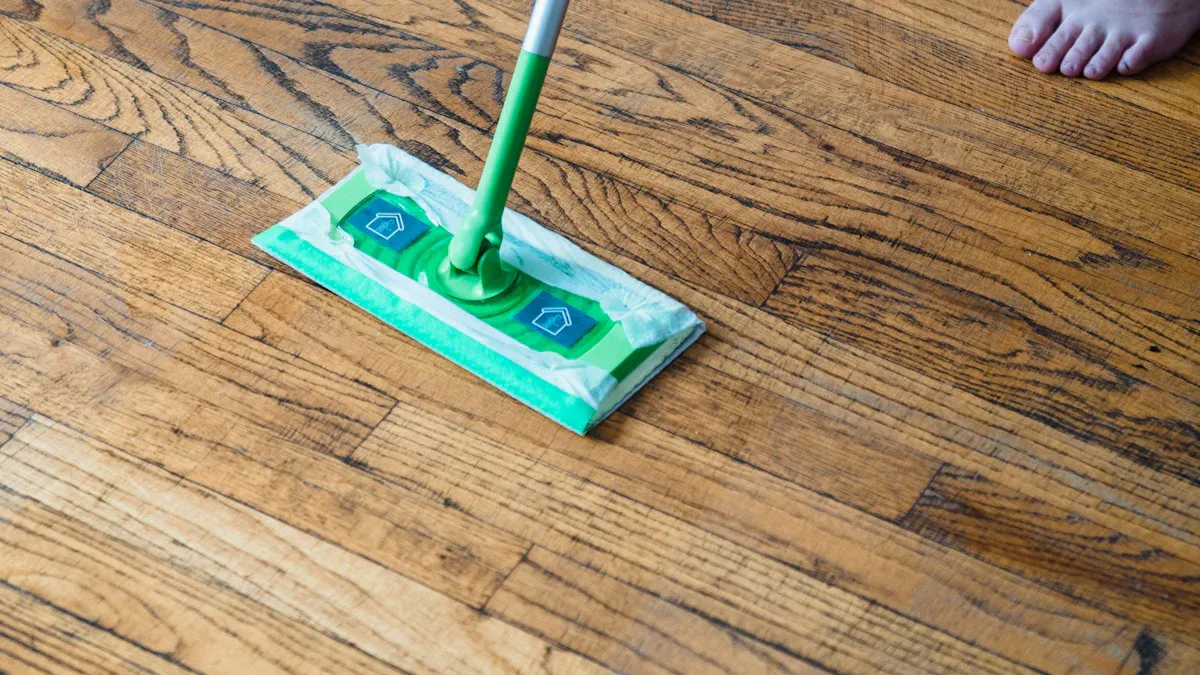
Buffing vinyl floors plays a crucial role in maintaining their appearance and longevity, especially when you know how to buff vinyl floors effectively. A shiny finish not only enhances the aesthetics of your home but also protects the flooring from scratches and wear. According to flooring professionals, luxury vinyl flooring is popular for its durability and cost-effectiveness. It mimics the look of hardwood or stone while being waterproof and easy to maintain. To achieve that perfect shine, you will need a few essential tools, including a buffing machine, floor cleaner, and microfiber mop.
Necessary Tools for Buffing Vinyl Floors
Buffing Machine
A buffing machine is essential for achieving a high-gloss finish on your vinyl flooring. This tool uses rotating pads to polish the surface, removing scuffs and scratches. When selecting a buffing machine, consider the following:
- Size and Weight: Choose a machine that is easy for you to maneuver. A lightweight model can help you reach tight corners without straining.
- Pad Compatibility: Ensure the machine is compatible with the pads designed for vinyl flooring. Using the wrong pad can damage your floors.
- Speed Settings: Look for a machine with adjustable speed settings. This feature allows you to customize the buffing process based on your flooring’s condition.
Floor Cleaner
Using the right floor cleaner is crucial for preparing your vinyl flooring before buffing. A good cleaner removes dirt and grime without damaging the surface. According to laboratory tests, the Better Life Multi-Surface Floor Cleaner is effective on vinyl flooring. Here are some tips for choosing a cleaner:
- pH Neutral: Opt for a pH-neutral cleaner to avoid harming the vinyl.
- No Harsh Chemicals: Avoid cleaners with ammonia or wax, as these can dull the finish over time.
- Easy Application: Choose a cleaner that is easy to apply and rinse off, ensuring a clean surface for buffing.
Microfiber Mop
A microfiber mop is an excellent tool for cleaning vinyl flooring before you buff. These mops offer several advantages over traditional mops:
- Lightweight and Flexible: Microfiber mops are easy to handle, allowing you to clean efficiently without fatigue.
- Access to Tight Spaces: Their design helps you reach corners and under furniture, ensuring a thorough clean.
- Reduced Water Usage: Microfiber mops require less water and cleaning solution, making them a more sustainable choice.
Additionally, microfiber mops provide better cleaning efficiency. They trap finer dust and germs effectively, which helps maintain the integrity of your vinyl flooring. Regular cleaning with a microfiber mop prevents structural disfiguration and keeps your floors shiny.
By using these essential tools, you can ensure that your vinyl flooring remains in top condition and looks its best.
Floor Polish
Choosing the right floor polish is essential for maintaining the shine of your vinyl flooring. A good polish not only enhances the appearance but also provides a protective layer against scratches and scuffs. Here are some key points to consider when selecting a floor polish:
- Type of Polish: Look for a polish specifically designed for vinyl flooring. These products often contain ingredients that enhance shine without damaging the surface.
- Water-Based vs. Solvent-Based: Water-based polishes are generally safer and easier to apply. They dry quickly and have less odor. Solvent-based polishes may offer a longer-lasting shine but can be harsher on the environment.
- Application Method: Some polishes come in spray bottles, while others require a mop or applicator. Choose a product that fits your preferred method of application.
When applying floor polish, follow the manufacturer’s instructions carefully. This ensures you achieve the best results without damaging your vinyl flooring.
Safety Gear
Safety should always be a priority when buffing vinyl flooring. Using the right safety gear protects you from potential hazards during the process. Here are some essential items to consider:
- Gloves: Wear rubber or latex gloves to protect your hands from chemicals in cleaners and polishes.
- Knee Pads: If you need to kneel while working, knee pads can provide comfort and prevent injury.
- Safety Goggles: Protect your eyes from splashes of cleaning solutions or polish. This is especially important if you are using a buffing machine.
- Mask: If you are sensitive to fumes, consider wearing a mask. This helps filter out any harmful particles in the air.
By using safety gear, you can work confidently and efficiently while buffing your vinyl flooring. Always remember that a little preparation goes a long way in ensuring a safe and successful buffing session.
Preparing Vinyl Flooring for Buffing
Cleaning the Surface
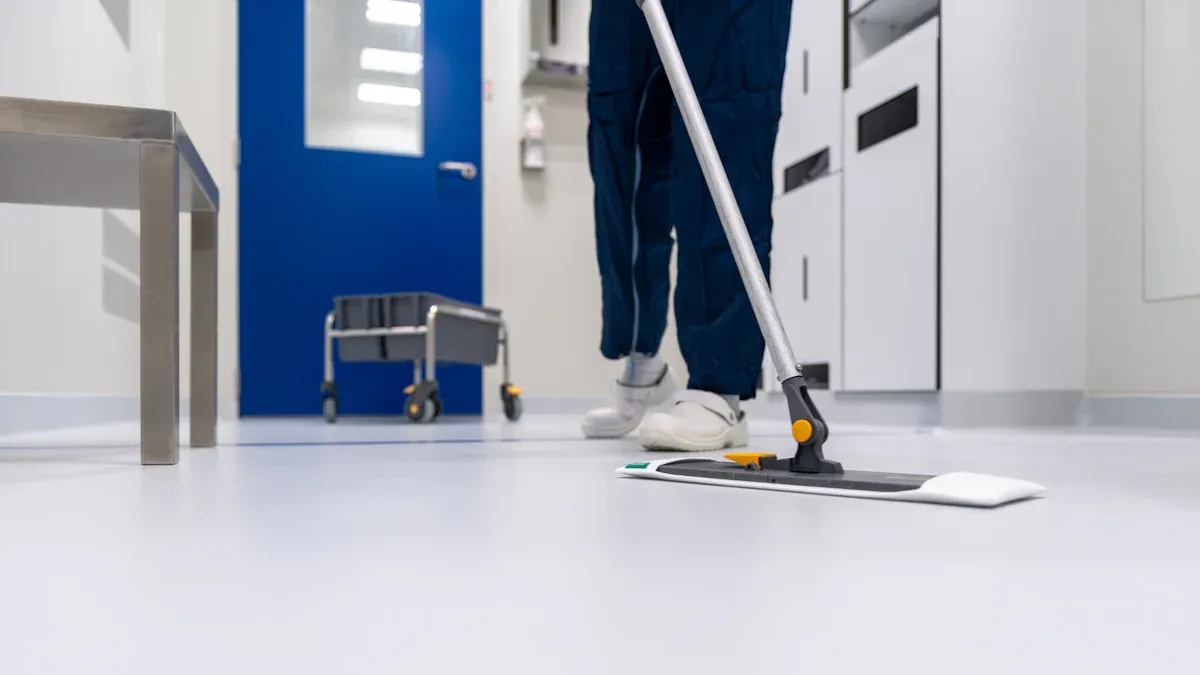
Before you buff your vinyl flooring, you must clean the surface thoroughly. Start by removing loose dirt and debris. You can do this by vacuuming or sweeping daily. Cleaning experts recommend avoiding detergents and abrasive powders. These can leave a filmy residue that dulls the shine. Instead, mop with a mild, vinyl-friendly cleaning solution regularly. Remember to avoid excessive water use, as it can damage the flooring. For deep cleaning, use a low-speed single-disc buffer with a white scrubbing pad. Always work in sections when buffing, and use a pH-neutral cleaner to maintain the integrity of your vinyl flooring.
Inspecting for Damage
After cleaning, inspect your vinyl flooring for any damage. Look for deep scratches, dents, or warped areas. These imperfections can affect the buffing process and the final appearance of your floors. If you find any damage, consider repairing it before proceeding. Addressing these issues ensures that your buffing efforts yield the best results.
Removing Furniture
Before you start buffing, remove any furniture from the area. Always lift furniture instead of dragging it to prevent scratches on your vinyl floors. If lifting is not feasible, use furniture sliders designed for vinyl floors. These sliders help distribute weight evenly and protect your flooring from damage. Taking these precautions will make your buffing process smoother and more effective.
Step-by-Step Process on How to Buff Vinyl Floors
Applying Floor Cleaner
Start by applying the floor cleaner to your vinyl flooring. This step is crucial for removing dirt and grime before you begin buffing. Follow these steps for effective application:
- Dilute the Cleaner: Mix the floor cleaner with water according to the manufacturer’s instructions. This ensures you use the right concentration for optimal cleaning.
- Use a Microfiber Mop: Dip your microfiber mop into the cleaning solution. Wring it out to avoid excess water on the floor.
- Mop the Floor: Begin mopping from one corner of the room and work your way toward the exit. This method prevents you from stepping on the freshly cleaned area.
- Allow to Dry: Let the floor dry completely before moving on to the next step. This usually takes about 30 minutes under normal conditions.
Tip: Always remove dust and debris before applying the cleaner. This helps prevent scratches during the buffing process.
Using the Buffing Machine
Once the floor is clean and dry, it’s time to use the buffing machine. This tool will help you achieve that shiny finish you desire. Here’s how to use it effectively:
- Prepare the Machine: Attach the appropriate buffing pad to your machine. For vinyl flooring, a white or red pad works best.
- Start Buffing: Turn on the machine and begin buffing in a slow, steady motion. Move in a figure-eight pattern to cover the entire area evenly.
- Work in Sections: Divide the floor into manageable sections. This approach allows you to focus on one area at a time, ensuring thorough buffing.
- Check for Scuff Marks: As you buff, keep an eye out for any remaining scuff marks. If you notice any, go over those spots again until they disappear.
Note: Using the right buffing technique is essential. Avoid pressing down too hard, as this can cause scuff marks on your vinyl flooring.
Applying Floor Polish
After buffing, it’s time to apply the floor polish. This step adds a protective layer and enhances the shine of your vinyl flooring. Follow these steps for the best results:
- Choose the Right Polish: Select a buffing product specifically designed for vinyl flooring. This ensures compatibility and prevents damage.
- Apply the Polish: Pour a small amount of polish onto the floor or onto a clean mop. Spread it evenly across the surface, working in sections.
- Allow to Dry: Let the polish dry completely before walking on it. This usually takes about 45 minutes. For best results, avoid walking on the floor until it’s fully dry. If you apply multiple coats, allow a minimum of 30 minutes between each coat.
Tip: On humid days, drying times may increase. Be patient and allow the polish to dry thoroughly for the best finish.
By following these steps, you can effectively buff your vinyl floors and achieve a beautiful, shiny finish that lasts.
Tips for Achieving the Best Buffing Results
Choosing the Right Polish
Selecting the right polish is vital for achieving a brilliant finish on your vinyl floors. Look for a polish specifically designed for vinyl. This ensures compatibility and prevents damage. Water-based polishes are often the best choice. They dry quickly and have less odor. When you apply polish, follow the manufacturer’s instructions closely. This helps you restore the shine effectively.
Buffing Technique
Your buffing technique significantly impacts the final look of your floors. Here are some tips to enhance your results:
- Use Jojoba Oil: Buffing with jojoba oil can enhance shine and add a natural luster. It does this without leaving a slippery residue.
- Regular Buffing: Make buffing a regular part of your cleaning routine. This practice helps maintain the sheen of your vinyl floors.
- Gentle Pressure: Apply gentle pressure while buffing. Too much force can cause scuff marks and damage the surface.
By following these techniques, you can achieve a high-gloss finish that lasts.
Working in Sections
When buffing, work in sections to ensure thorough coverage. This method allows you to focus on one area at a time, leading to better results. Here’s how to do it effectively:
- Divide the Room: Mentally divide the room into smaller sections. This makes the task feel less overwhelming.
- Complete One Section at a Time: Start at one corner and move systematically across the floor. This approach prevents you from stepping on freshly polished areas.
- Check Your Progress: After completing each section, step back and assess your work. This helps you identify any spots that may need extra attention.
By using these tips, you can achieve the best buffing results and keep your vinyl floors looking their best.
Maintenance Tips for Long-Lasting Shine on Vinyl Flooring
Regular Cleaning Routine
To keep your vinyl floors looking their best, establish a regular cleaning routine. This routine helps prevent dirt buildup and maintains the shine. Here’s a suggested schedule:
| Frequency | Action |
|---|---|
| Daily | Sweep or vacuum to avoid buildup that can scratch the surface. |
| Weekly/Biweekly | Mop using a vinyl floor cleaner or a gentle solution. |
| Monthly/Quarterly | Perform a deep clean to restore shine and remove grime. |
By following this schedule, you can ensure your floors remain clean and shiny.
Avoiding Harsh Chemicals
When cleaning your vinyl floors, avoid using harsh chemicals. These can damage the surface and dull the finish. Here are some cleaning agents to steer clear of:
- Wax-Based Cleaners or Floor Polishes: Can create a dull, sticky film.
- Oil-Based Soaps or Cleaners: Leave a residue that dulls the finish.
- Ammonia-Based Cleaners: Strip the protective wear layer, leading to dullness.
- Bleach: Discolors vinyl and breaks down the wear layer.
- Abrasive Cleaners: Scratch the wear layer, causing permanent damage.
- Steam Mops: Can weaken adhesive and cause irreversible damage.
Using gentle, vinyl-friendly cleaners will help maintain the integrity of your flooring.
Scheduling Buffing Sessions
Regular buffing is essential for keeping your vinyl floors shiny. The frequency of buffing depends on the setting. Here’s a helpful guide:
| Setting | Buffing Frequency |
|---|---|
| Homes | Every 4–6 months |
| High-traffic businesses | Every 2–3 months |
| Healthcare settings | Monthly |
Look for signs that indicate it’s time to buff your floors, such as visible scratches, dullness, or increased effort to clean. Regular buffing preserves the floor finish, prevents surface damage, and saves you money on costly repairs.
By following these maintenance tips, you can enjoy long-lasting shine and beauty in your vinyl flooring.
Buffing your vinyl floors involves several key steps: cleaning, buffing, and applying polish. By following these steps, you can achieve a beautiful shine that enhances your home.
To maintain that shine, consider these expert recommendations:
- Deep clean to remove residue and grime.
- Use a mixture of vinegar and warm water for stubborn spots.
- Rinse thoroughly and dry completely with a microfiber cloth.
- Address deeper scratches with a tennis ball or jojoba oil.
Regular maintenance not only keeps your floors looking great but also contributes to a healthier environment. Eco-friendly cleaning solutions, like vinegar and water, help reduce chemical runoff and waste. Enjoy the benefits of well-maintained vinyl floors, including their durability and aesthetic appeal! 🌟
FAQ
How often should I buff my vinyl floors?
You should buff your vinyl floors every 4 to 6 months for homes. High-traffic areas may require buffing every 2 to 3 months. Regular buffing maintains shine and prevents damage.
Can I use a steam mop on vinyl floors?
No, avoid using steam mops on vinyl floors. The heat and moisture can weaken the adhesive and damage the flooring. Stick to a microfiber mop with a gentle cleaner instead.
What should I do if my vinyl floor has deep scratches?
For deep scratches, consider using a vinyl repair kit. These kits often include fillers that match your floor color. Follow the instructions carefully for the best results.
Is it safe to use vinegar on vinyl floors?
Yes, you can use a mixture of vinegar and water for cleaning vinyl floors. This solution helps remove stains without damaging the surface. Always rinse with clean water afterward.
What type of polish is best for vinyl floors?
Choose a water-based polish specifically designed for vinyl flooring. These polishes enhance shine and protect the surface without causing damage. Always follow the manufacturer’s instructions for application.




