
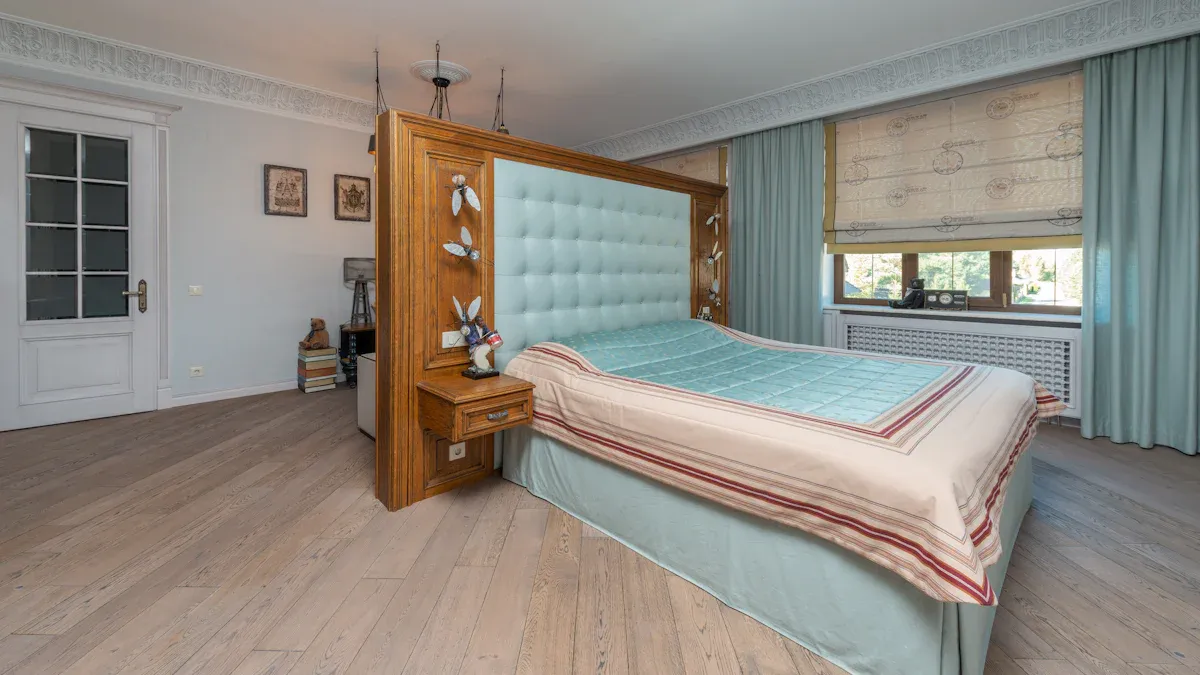
You want flooring that lasts and looks great. Shaw, Karndean, COREtec, and Mohawk stand out as the top loose lay vinyl plank flooring brands. These brands offer waterproof floors with strong cores, scratch resistance, and a wide range of styles. Many homeowners choose loose-lay vinyl because it is easy to install and easy to maintain. True loose lay installation works best for DIY projects, while perimeter glue holds up well in busy areas. Loose-lay vinyl gives you durable flooring that handles daily life with ease.
What Is Loose Lay Vinyl Plank Flooring?
How Loose Lay Works
Loose-lay vinyl uses a special design to stay in place without glue or locking systems. Each plank has a heavy, thick backing that grips the subfloor. This backing creates friction and weight, so the planks do not slide around. You press the planks tightly against each other and the walls. Some brands add a non-slip layer to improve grip. In busy rooms, you can use double-sided tape or glue along the edges for extra hold. Loose-lay vinyl works best on smooth, clean, and dry subfloors.
| Feature | Loose Lay Vinyl Plank Flooring | Traditional Glue Down LVP | Rigid Core LVP |
|---|---|---|---|
| Installation Method | No adhesive; heavy backing provides friction and weight | Requires adhesive for permanent bond | Click-lock system; no adhesive |
| Backing | Heavy backing for friction, sound absorption, stability | No special backing; relies on adhesive | Solid core with rubber or cork backing for soundproofing |
| Thickness | Thicker, eliminates need for transition strips | Standard thickness | Solid, dense core for durability |
| Moisture Stability | Does not expand or contract due to moisture | May be affected by moisture | Resistant to temperature and moisture changes |
| Ease of Replacement | Easy to lift and replace individual planks | Difficult; requires adhesive removal | Moderate; click-lock allows plank removal |
| Sound Absorption | Enhanced due to heavy backing | Minimal sound absorption | Good sound abatement due to backing |
Key Benefits for Homeowners
Loose-lay vinyl plank flooring gives you many advantages. You can install it yourself because it is easy to install and does not need glue or special tools. The planks are waterproof, so spills and moisture will not damage your floor. Complete waterproofing means you can use this flooring in kitchens, bathrooms, and basements. The material resists expansion and contraction, so your floor stays flat and smooth.
Loose-lay vinyl offers durability. It stands up to heavy foot traffic and lasts for years with proper care. The surface is pet-friendly and resists scratches from claws. You will also notice that this flooring absorbs sound, making your home quieter. Many homeowners like the wide range of styles and colors. You can choose wood-look or stone-look planks to match your taste.
Loose-lay vinyl is easy to maintain. You only need to sweep and mop to keep it clean. The water-resistant properties protect against stains and spills. Complete waterproofing and durability make this flooring a smart choice for busy families. You can even move and reinstall the planks if you want to change rooms or take them to a new home.
Top Loose Lay Vinyl Plank Flooring Brands
When you look for the best loose lay vinyl plank flooring, you want brands that offer quality, style, and long-lasting performance. Here are three top choices that stand out in the world of luxury vinyl flooring.
Shaw
Shaw is one of the most trusted brands for loose lay vinyl plank flooring. You can count on Shaw for strong, waterproof planks that resist scratches and dents. Their products come in many wood and stone looks, so you can match any room style. Shaw’s loose lay planks are easy to install and remove, making them a favorite for DIY projects. You will also find that Shaw floors are easy to clean and maintain, which helps keep your home looking fresh.
Tip: Shaw offers a wide range of colors and textures, so you can find the perfect match for your space.
Karndean
Karndean stands out for its high durability and design variety. You get planks with a 20mil wear layer and a special K-Guard+ PU coating that protects against scratches and scuffs. Karndean’s flooring is waterproof and environmentally friendly. The friction grip backing keeps planks in place without glue in most cases, even over damp subfloors or existing hard floors. You can choose from hundreds of nature-inspired patterns, colors, and textures. Karndean uses advanced printing to create realistic wood and stone looks. The brand backs its products with a lifetime residential warranty, showing confidence in long-term performance.
- Realistic wood and stone designs
- High resistance to scratches and stains
- Easy installation and low maintenance
COREtec
COREtec is another leader among loose lay vinyl plank flooring brands. You get 100% waterproof planks that resist stains and impacts. COREtec uses a wood-polymer composite core, which makes the floor comfortable and soft underfoot. The thick wear layer (20 to 30 mils) protects against scratches and dents, making it a smart choice for high-traffic areas. Many COREtec floors include a cork underlayment for extra warmth and sound dampening. You can install COREtec over radiant heat, and the brand offers a limited lifetime warranty for most residential options. Customers praise COREtec for its comfort, durability, and easy cleaning.
Note: COREtec’s wide range of colors, textures, and patterns lets you find a style that fits your home.
Mohawk
Mohawk gives you a trusted name in the world of flooring. This brand offers loose lay vinyl planks that work well in homes with kids and pets. You get waterproof planks that resist stains and scratches. Mohawk uses a thick wear layer to protect your floors from daily wear. You can choose from many wood and stone looks to match your style. Mohawk’s loose lay planks install quickly, so you can finish your project fast. Many homeowners like the comfort and quiet feel underfoot.
Tip: Mohawk’s loose lay vinyl planks make a great choice if you want easy installation and strong protection for busy rooms.
Armstrong
Armstrong stands out among flooring brands for its wide range of loose lay vinyl plank options. You can explore the Luxe Plank line, which gives you realistic visuals and unique designs. These planks are waterproof and resist scratches and scuffs. Luxe Plank uses an angle tap locking system for easy installation. If you want a floating floor, the Luxe Fastak line uses an adhesive backing that lets you reposition planks during installation. Armstrong also offers the Vivero Series, which comes in many colors and styles. This series works well in bathrooms and kitchens because it resists moisture. You can find options for different budgets and project types.
- Luxe Plank: Realistic looks, waterproof, scratch resistant
- Luxe Fastak: Loose lay, easy to reposition
- Vivero Series: Many styles, moisture resistant
You get flexibility and style with Armstrong’s luxury vinyl flooring. The brand makes it easy to find the right fit for your home.
Mannington
Mannington gives you another strong choice for loose lay vinyl plank flooring. This brand focuses on durability and style. You can pick from a variety of wood and stone designs. Mannington’s planks use a thick wear layer to protect against scratches and dents. The floors stay stable and flat, even in rooms with heavy traffic. Mannington’s loose lay system lets you install planks without glue or nails. You can lift and replace planks if you ever need to. Many homeowners trust Mannington for its long-lasting performance and easy care.
Note: Mannington’s loose lay vinyl planks help you create a stylish space that stands up to daily life.
LifeProof
You can trust LifeProof for reliable loose lay vinyl plank flooring in your home. This brand gives you 100% waterproof planks, so you do not have to worry about spills or moisture in kitchens, bathrooms, or basements. LifeProof flooring uses a strong wear layer that resists scratches, stains, and fading. The 22-mil wear layer stands up to busy households and keeps your floors looking new.
You will find that LifeProof flooring is easy to install. The click-lock system lets you lay planks without glue or nails. You can do the job yourself and save money on installation. LifeProof planks work over most existing floors, which makes them flexible for many projects.
Here are some key advantages of LifeProof loose lay vinyl plank flooring:
- 100% waterproof, perfect for moisture-prone rooms
- Durable wear layer resists scratches, stains, and dents
- Click-lock system for easy DIY installation
- UV protection keeps colors from fading
- Low-VOC and safe for families with kids and pets
- Simple cleaning and maintenance
- Mold and mildew resistant
- Budget-friendly, usually under $4 per square foot
LifeProof gives you a cost-effective way to enjoy stylish, durable flooring without the high price of hardwood.
Proximity Mills
Proximity Mills stands out among flooring brands for its focus on eco-friendly design and realistic looks. You get vinyl plank flooring that mimics natural wood, stone, and tile with high-resolution textures. The wide variety of colors and patterns helps you match any room style.
You can feel good about choosing Proximity Mills because the flooring meets strict indoor air quality standards. The planks have certifications like FloorScore and GreenGuard, which means they emit low or zero VOCs. This makes your home healthier for your family. The flooring is mold-resistant, easy to sanitize, and free from harmful chemicals like phthalates.
Proximity Mills also cares about the environment. You can recycle the planks at the end of their life, which is rare in the flooring industry. The company uses ethical production practices and sells only through local stores. This ensures you get quality flooring and support your community.
- Realistic wood, stone, and tile designs
- Wide range of colors and patterns
- Low-VOC, recyclable, and mold-resistant
- Ethical sourcing and local sales
You get a balance of style, performance, and sustainability with Proximity Mills vinyl plank flooring.
CALI
CALI offers loose lay vinyl plank flooring that is both durable and environmentally friendly. You get 100% waterproof planks, which makes them ideal for homes with pets or frequent spills. CALI uses renewable bamboo in the core of its flooring, making it a sustainable choice. Bamboo grows quickly and does not harm the environment when harvested.
You will notice that CALI flooring emits low levels of VOCs, which helps keep your indoor air clean. Some versions include cork underlayment, which improves comfort and reduces noise. The click-lock system allows for easy installation, even if you want to do it yourself.
CALI’s vinyl plank flooring comes in many styles and sizes. The company uses advanced imaging to create realistic wood looks. You get a pet-friendly, long-lasting floor that supports green building practices.
- 100% waterproof and pet-friendly
- Low-VOC emissions for healthier air
- Bamboo core for sustainability
- Cork underlayment for comfort and sound insulation
- Easy installation with click-lock planks
- Wide range of styles and sizes
CALI gives you a smart choice if you want eco-friendly, stylish, and strong flooring for your home.
Comparing Leading Loose-Lay Vinyl Brands
Durability and Wear Layer
You want flooring that stands up to daily life. Leading loose lay vinyl plank brands focus on durability and premium quality. Most top brands, like Karndean, COREtec, Shaw, Mannington, and Mohawk, offer a 20 mil wear layer. This thickness gives you high performance in both homes and busy commercial spaces. Thicker wear layers protect against scratches, dents, and stains. You get waterproof protection, so spills do not damage your floor. The table below shows how wear layer thickness matches different uses:
| Wear Layer Thickness | Recommended Use |
|---|---|
| 8-12 mil | Light residential use |
| 12-20 mil | Most homes and small businesses |
| 20+ mil | High-traffic areas and commercial use |
You also need to look at the core type. WPC cores feel softer and quieter underfoot. SPC cores give you better scratch resistance and more durability. The table below compares top brands:
| Brand | Wear Layer Thickness | Scratch Resistance & Durability Features |
|---|---|---|
| Karndean | 20 mil | Waterproof, scratch-resistant; Korlok, Art Select ranges |
| COREtec | 20 mil | Waterproof, dent-resistant, stable under foot traffic |
| Shaw | 20 mil | Resists heavy traffic, spills, stains; Floorte, Pro Series lines |
| Mannington | 20 mil | Durable for residential & commercial use; waterproof, scratch-resistant |
| Mohawk | 20 mil | Extreme durability; scratch-resistant, pet and child friendly |
| Armstrong | ~20 mil (varies) | High durability; lifetime residential and 10-year commercial warranties |
Style and Color Options
You want flooring that matches your style. COREtec offers one of the widest ranges of styles and colors. You can choose from hundreds of wood and tile visuals. Their website lets you filter by color, shade, and room type. This makes it easy to find the perfect look for your home. Other brands, like Shaw and Karndean, also give you many vinyl flooring options. You can click through collections to see different textures and finishes. With so many choices, you can create a space that feels unique and modern.
Price and Value
Loose lay vinyl plank flooring gives you great value for your money. You pay more than you would for traditional vinyl, but you get better durability, waterproof features, and a premium quality look. Most loose lay vinyl costs between $2.00 and $4.00 per square foot. Specialty store options can reach up to $7.00 per square foot. Traditional vinyl flooring costs less, but it does not offer the same high performance or style. The chart below shows how price compares across flooring types:
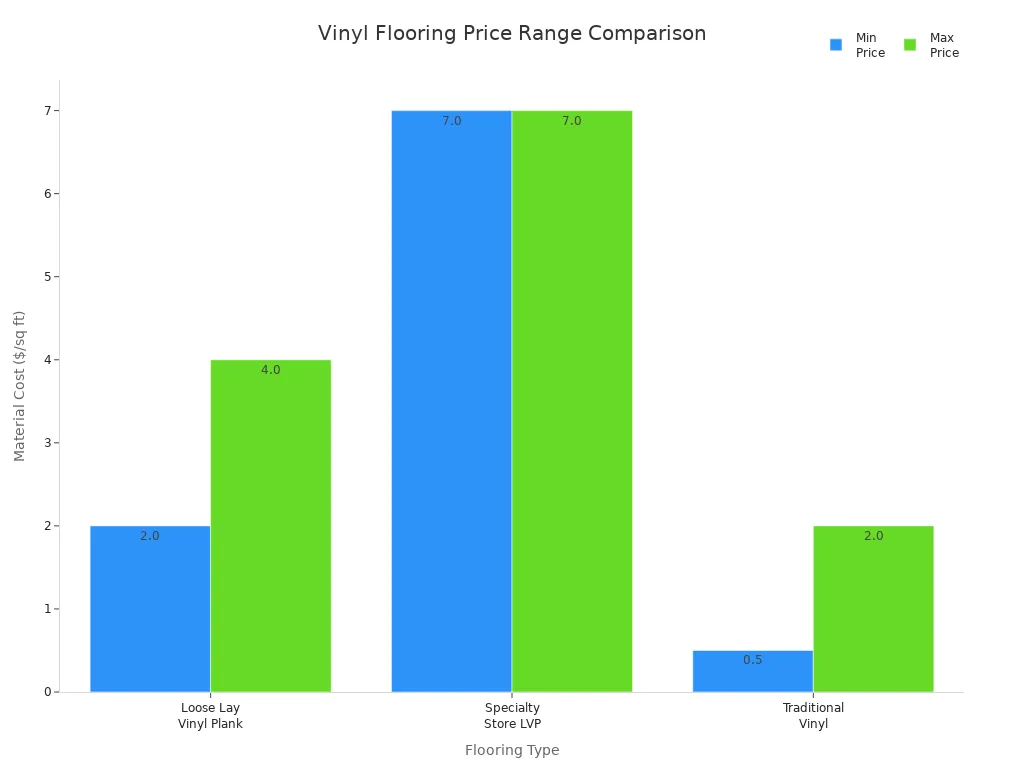
You save money on installation because you can click the planks together yourself. Many brands design click vinyl floors for easy DIY projects. You get competitive pricing, long-lasting quality, and a floor that looks and feels like real wood or stone.
Warranty and Customer Support
When you choose loose lay vinyl plank flooring, you want to feel confident in your investment. A strong warranty and helpful customer support show that a brand stands behind the quality and durability of its products. You should always check what each brand offers before you buy.
Some brands give you better protection than others. Ferma Flooring stands out for its comprehensive warranty and support. You can see the details in the table below:
| Aspect | Ferma Flooring Loose Lay Vinyl Plank Flooring |
|---|---|
| Warranty Duration | 35 years residential limited warranty; 10 years commercial warranty |
| Warranty Coverage | Manufacturing defects, wear through, delamination, loss of original pattern under specified conditions |
| Warranty Limitations | Excludes incidental damages, labor costs, and consequential damages; replacement or prorated refund only |
| Conditions | Installation and maintenance guidelines must be followed; controlled interior temperature and humidity required |
| Customer Support | Q&A section, photo galleries, maintenance guides, installation instructions, direct phone contact (877) 337 6228 |
| Additional Resources | E-catalogue, floor finder, where to buy information |
You get long-term coverage for both homes and businesses. Ferma Flooring covers many issues, including loss of pattern and delamination. You must follow the installation and care instructions to keep your warranty valid. If you have questions, you can reach out by phone or use their online guides. This level of support helps you protect the quality and durability of your floor.
Other brands, like MSI Surfaces, offer loose lay vinyl plank flooring with easy installation and good durability. However, you may not find the same level of warranty coverage or customer support. You should always compare these details when you want high performance and peace of mind.
A good warranty shows that a brand trusts the quality of its flooring. Strong customer support helps you solve problems quickly. When you pick a brand with both, you get more value and better durability for your home.
Popular Loose Lay Vinyl Plank Flooring Styles
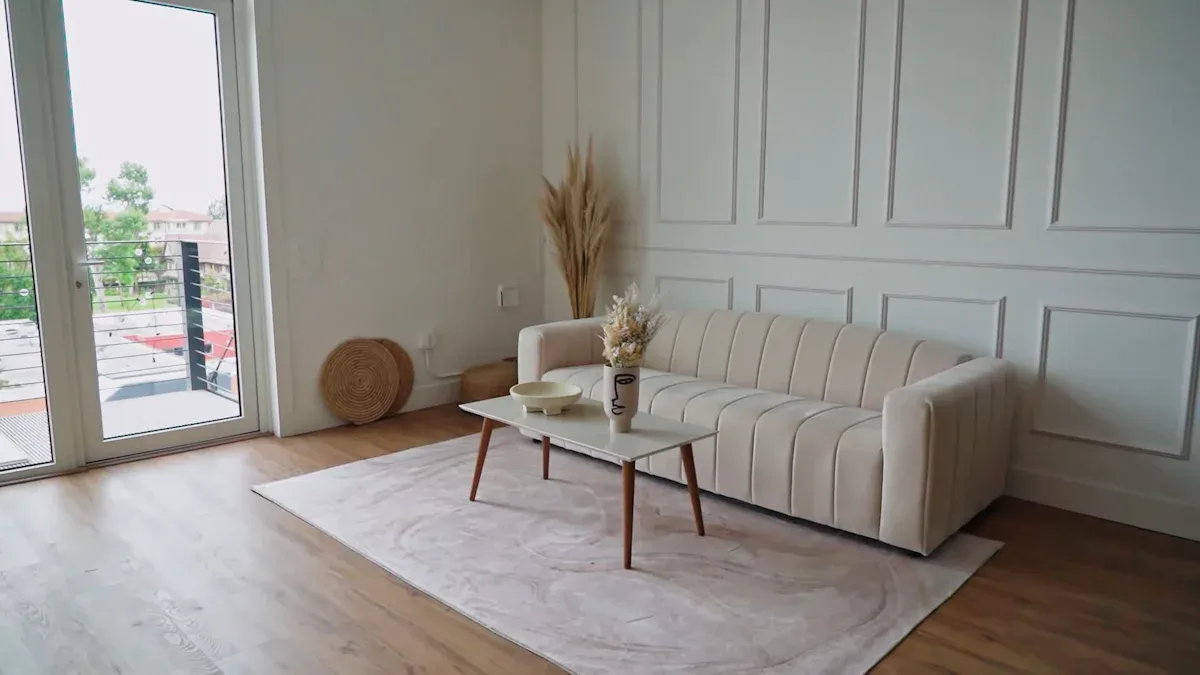
Wood-Look Planks
You can choose from many wood-look styles in loose lay vinyl plank flooring. These planks give your home the warmth and beauty of real wood without the upkeep. Here are some popular options:
- Laurel Reserve Hyde Haven™: Modern and rustic with honey and sandy hues, chestnut hints, and lifelike wood grain.
- Laurel Reserve Cabana™: Soft amber tones and gentle graining create a breezy, coastal feel.
- Laurel Reserve Scandi™: Scandinavian-inspired with neutral walnut and toffee browns and subtle wood grain.
- Prescott® Sandino®: Soft cashew brown shades and delicate wood details bring a calm, inviting look.
- Prescott® Chester Hills: Neutral blonde tones with darker grains and knots for a timeless, refined texture.
- Studio™ Roswell: Blonde hues with subtle knots and grains add warmth and character to any room.
- Studio™ Tifton: Modern rustic style with authentic grain patterns and earthy undertones for extra depth.
These styles let you match your floor to any décor, from classic to modern.
Stone and Tile Looks
Loose lay vinyl plank flooring also offers stone and tile visuals that look like the real thing. You get the beauty of natural stone with the comfort and easy care of vinyl. Many homeowners pick these popular stone-look options:
- Slate
- Travertine
- Marble
- Quartz
- Limestone
Brands like Armstrong Flooring create collections that mimic natural stone using premium materials. Stone-look vinyl flooring options work well in kitchens, bathrooms, and entryways. You enjoy the look of stone without the cold feel or high cost.
Trending Colors and Textures
Design experts see a shift from cool gray tones to warm wood colors such as oak, walnut, honey, chestnut, and caramel. These warm hues make your space feel cozy and blend with many interior styles. Realistic textures are also trending. You will find finishes like Embossed in Register (EIR), wire-brushed, micro-bevels, and hand-scraped looks. These textures make your floor look and feel like real wood or stone. Wider and longer planks are popular because they create a sense of openness and elegance. Patterns like herringbone and chevron add a bold, stylish touch to statement areas. You can choose from many vinyl flooring options to match your favorite styles and keep your home looking fresh.
Loose Lay Vinyl Plank Flooring Installation Methods
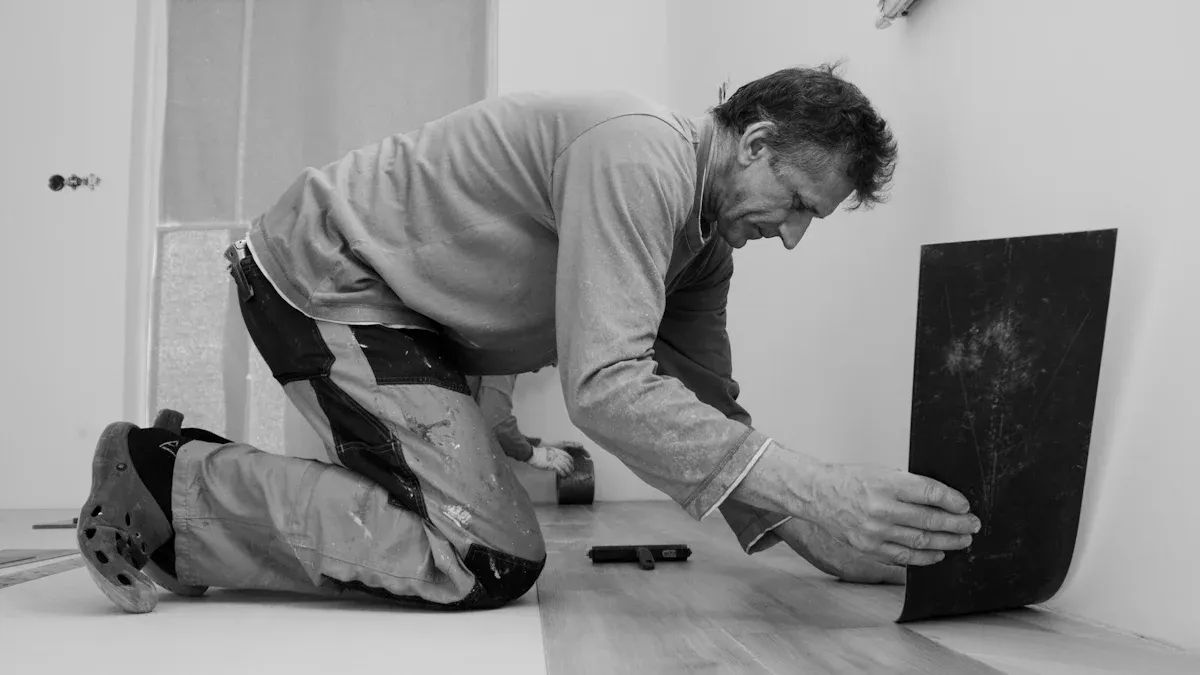
True Loose Lay Installation
You can install loose lay vinyl plank flooring with a simple process. This method works well for most DIY projects. You do not need glue-down vinyl or a click-and-lock system. The planks stay in place because of their heavy backing and friction. Here is a step-by-step guide for this installation:
- Prepare your subfloor. Make sure it is clean, dry, and level within 3/16-inch over 10 feet. Use a self-leveler for low spots. Sand down any high spots.
- Plan your layout. Mark the center of each wall and snap chalk lines to create a straight starting line. Leave space for expansion gaps.
- Cut the first row of planks. Score and remove the tongue side. Place the first row along the starting line with the cut side facing the wall.
- Stagger the joints by at least six inches in each new row. This gives your floor stability and a natural look.
- Continue laying planks row by row. Keep expansion gaps and staggered joints.
- After you finish, reinstall or add baseboards and trim. Use construction adhesive and finish with caulk.
Loose-lay vinyl flooring installation gives you complete waterproofing and easy repairs. You can lift and replace planks if needed.
Perimeter Glue Method
For high-traffic areas, you may want extra stability. The perimeter glue method uses adhesive only around the edges of the room. This keeps the planks from shifting but saves time and glue compared to full glue-down vinyl. You still get the benefits of loose-lay installation, such as easy replacement and complete waterproofing. This method works well in commercial spaces or busy homes. You do not need to glue every plank, so you finish faster than with a full glue-down vinyl flooring installation.
Tip: Use perimeter glue in entryways, kitchens, or other rooms with heavy use for added peace of mind.
Floating Floor Alternatives
You have other options besides loose-lay and glue-down vinyl. Floating floors, like click vinyl, use a click-and-lock system. You snap planks together without glue. This method is easy for DIY projects, but repairs can be harder. You may need to remove several planks to fix one. Loose-lay vinyl offers easier repairs and better stability with perimeter glue. The table below compares the main installation methods:
| Installation Method | Stability | Ease of Installation | Ease of Replacement |
|---|---|---|---|
| Glue-down | Superior for heavy traffic | Most demanding, needs adhesive | Replace individual planks easily |
| Floating (Loose-lay) | Good, especially with perimeter glue | Very easy, little or no adhesive | Replace planks without much effort |
| Floating (Click vinyl) | Less stable under heavy use | Easy with click system | Repairs can be more involved |
Loose-lay vinyl plank flooring gives you a waterproof and flexible solution. You can choose the installation method that fits your needs, whether you want complete waterproofing, easy repairs, or fast installation.
Choosing the Right Loose-Lay Installation Method
Best for DIY Projects
Loose-lay vinyl plank flooring makes installation easy for most homeowners. You do not need special tools or skills to get started. You can finish your project quickly and enjoy a new floor without hiring a professional. Before you begin, review the table below to see what you should consider:
| Factor | Explanation |
|---|---|
| Type of Vinyl Plank | Each type—loose-lay, glue-down, or click—needs a different installation method. |
| Acclimation | Let your flooring adjust to room temperature and humidity for at least 48 hours. |
| Layout Planning | Plan plank direction and seams for a smooth look. |
| Tools | Use a utility knife, tapping block, spacers, and pull bar. |
| Manufacturer Instructions | Always follow brand guidelines for installation and warranty. |
| Professional Installation | Choose this if you feel unsure about doing it yourself. |
You should also check your skill level and time. Get samples to see how the floor looks in your space. Test for moisture to avoid problems later. Always follow the manufacturer’s instructions for the best results.
Tip: A clean, level subfloor helps your loose-lay installation last longer and look better.
Best for High-Traffic Areas
High-traffic spaces need extra stability. Loose-lay flooring works well in small or low-traffic rooms, but it may shift in busy areas. For offices, stores, or busy hallways, glue-down or glue-down vinyl methods give you a stronger bond. You can also use full-spread adhesive with loose-lay planks for better performance. The table below compares your options:
| Installation Method | Advantages | Disadvantages | Best Uses |
|---|---|---|---|
| Glue-down | Very stable, long lifespan | More time and prep needed | High-traffic commercial areas |
| Loose-lay (no adhesive) | Quick, easy, simple repairs | May shift in heavy traffic | Low-traffic or temporary spaces |
| Loose-lay with adhesive | Improved stability, easy repairs | Needs adhesive application | Busy homes, commercial spaces |
You should prepare your subfloor carefully and use the right adhesive for glue-down vinyl. This ensures your floor stays in place and lasts longer.
- Loose-lay is best for DIY or low-traffic rooms.
- Glue-down or adhesive methods work better for busy spaces.
Best for Moisture-Prone Rooms
Bathrooms and basements need floors that can handle water. Loose-lay vinyl plank flooring is waterproof, but you should take extra steps for these rooms. Use an underlayment with high moisture resistance, such as rubber. Acclimate your planks for 48-72 hours before installation. Seal seams and edges with silicone caulk to keep water out. Regularly check for trapped moisture or damage.
- Use waterproof luxury vinyl plank with a rigid core for the best results.
- Make sure your subfloor is flat, clean, and dry.
- Test for moisture, especially on concrete.
- Avoid installing over carpet to keep your warranty valid.
- Follow all manufacturer guidelines for installation and care.
Note: Luxury vinyl flooring gives you style, durability, and water resistance at an affordable lvp price. You get competitive pricing and long-lasting value for your home.
Budget-Friendly Options
You want a new floor that looks great but does not break the bank. Many homeowners search for budget-friendly options when choosing loose lay vinyl plank flooring. You can find products that balance cost and performance, especially if you know what to look for.
Start by thinking about the type of vinyl plank. Good vinyl planks cost less because they are thinner and less rigid. These work well in low-traffic rooms or for temporary flooring. Better vinyl planks cost a bit more, but they have a thicker wear layer. This means they last longer and handle more foot traffic. Both types often use a click-lock system, which makes installation easy for most DIYers.
The method you choose for installation also affects your budget. Glueless floating floors are popular because you do not need to buy adhesive or hire a professional. You can lay the planks yourself, which saves money. These floors may need an underlayment for extra comfort and sound control. Glueless floating floors give you the best balance of cost and performance if you want to save money.
Here is a quick comparison to help you decide:
| Installation Method | Pros | Cons | Best For |
|---|---|---|---|
| Glueless (Floating) | Easy DIY, no adhesive, removable | May need underlayment, less stable on uneven floors | Budget-conscious projects |
| Glue-down | Very stable, secure bond | Harder to install, often needs a pro, tough to remove | High-traffic or commercial spaces |
Tip: If you want to save money, choose glueless floating floors for bedrooms, guest rooms, or rental units. Use glue-down only in areas where you need extra stability.
You can find many budget-friendly options that still look stylish and last for years. Always check the product details and match the installation method to your needs.
How to Choose the Best Loose Lay Vinyl Plank Flooring Brand and Installation Method
Room Type and Usage
You need to match your flooring choice to the room’s purpose. Each space in your home has different needs. For example, basements often have moisture problems. Loose lay vinyl plank flooring works well here because it is affordable, water-resistant, and comfortable underfoot. Mudrooms see a lot of dirt and water. You want a floor that is waterproof and durable. Bathrooms need complete waterproofing and resistance to steam. Kitchens require flooring that stands up to spills, stains, and long hours of standing.
Here is a table to help you decide which features matter most for each room:
| Room Type | Key Needs | Best Features to Look For |
|---|---|---|
| Basement | Moisture, comfort | Water-resistant, warm underfoot, easy to maintain |
| Mudroom | High traffic, dirt, water | Waterproof, durable, easy to clean |
| Bathroom | Water, steam, humidity | Complete waterproofing, slip resistance |
| Kitchen | Spills, stains, long standing | Waterproof, stain resistance, comfort |
| Living Room | Style, comfort, sound absorption | Quality visuals, acoustic layers, durability |
You should also think about who uses the room. If you have pets or kids, look for scratch resistance and a thick wear layer. For high-traffic areas, choose a product with high performance and a wear layer of at least 12 mil. Bedrooms and living rooms benefit from floors with warmth and sound absorption.
Tip: Always check the manufacturer’s instructions for installation and care. This helps you keep your warranty and get the best quality.
Subfloor Considerations
Your subfloor affects how well your new flooring performs. A smooth, level, and clean subfloor is critical for a successful installation. Loose-lay vinyl works best on flat surfaces. If your subfloor has bumps or dips, the planks may not stay in place. You should fix any uneven spots before you start.
Different types of subfloors need different preparation:
- Concrete: Make sure it is dry and free of cracks. Test for moisture before installing waterproof flooring.
- Wood: Check for squeaks or loose boards. Sand down high spots and fill gaps.
- Existing Flooring: You can install loose-lay over some old floors if they are smooth and secure.
Here are some important points to remember:
- Proper subfloor prep helps your floor last longer and look better.
- Imperfections show more with flexible vinyl planks.
- Floating and loose-lay installation methods need a level base for best results.
| Subfloor Type | Preparation Steps | Suitability for Loose-Lay |
|---|---|---|
| Concrete | Dry, level, moisture test | Excellent with waterproof LVP |
| Plywood/Wood | Secure, sand, fill gaps | Good if smooth and stable |
| Existing Vinyl | Clean, check for damage | Possible if flat and secure |
Note: Always follow the product’s installation guide. This ensures you get the full quality and durability from your new floor.
Maintenance and Cleaning Needs
You want a floor that is easy to maintain and keeps its quality over time. Loose-lay vinyl plank flooring stands out because it resists stains and moisture. You only need to sweep and mop to keep it looking new. For busy families, this means less time cleaning and more time enjoying your home.
Look for these features when choosing your flooring:
- Waterproof or complete waterproofing for kitchens, bathrooms, and basements.
- Scratch and dent resistance for homes with pets or heavy furniture.
- A thick wear layer for high-traffic areas.
Some products include a pre-attached underlayment. This makes cleaning easier and adds comfort. Always use gentle cleaners and avoid harsh chemicals. Follow the manufacturer’s care instructions to protect your warranty and keep your floor in top condition.
Tip: Regular cleaning and quick spill cleanup help your floor keep its high performance and quality for years.
Balancing Cost and Quality
You want a floor that looks great and lasts for years. You also want to stay within your budget. Balancing cost and quality helps you make the best choice for your home. Many homeowners think the highest price always means the best quality. This is not always true. You can find excellent loose lay vinyl plank flooring at a fair price if you know what to look for.
Start by setting your budget. Decide how much you want to spend per square foot. Most loose lay vinyl plank flooring falls between $2 and $4 per square foot. Some brands offer higher-end options with extra features. These may cost more, but you get added benefits like thicker wear layers or advanced waterproofing.
Next, compare the quality of different brands. Look at the wear layer thickness, core construction, and warranty. A thicker wear layer means better protection against scratches and dents. Brands that offer a strong warranty show confidence in their product’s quality. You should also check customer reviews. Real-life feedback gives you a clear picture of how the flooring performs over time.
Here is a simple table to help you weigh your options:
| Feature | Lower Price Options | Higher Price Options |
|---|---|---|
| Wear Layer Thickness | 8-12 mil | 20+ mil |
| Warranty | 10-15 years | 20+ years or lifetime |
| Visual Realism | Basic wood/stone looks | High-definition textures |
| Comfort | Standard backing | Added cork or foam layers |
| Quality | Good for light use | Best for busy homes |
You do not need to pick the most expensive floor to get good quality. Many mid-range products offer a balance of durability, style, and value. Focus on the features that matter most for your space. For example, if you have pets or kids, invest in a thicker wear layer. If you want a luxury look in a guest room, you can choose a lower price option with a nice finish.
Tip: Always ask for samples before you buy. Place them in your room to see how they look in different lights. This helps you judge both the quality and the style.
Remember, the right floor gives you peace of mind. You get a product that fits your budget and stands up to daily life. By comparing price and quality, you make a smart investment in your home.
You now know the best loose lay vinyl plank flooring brands: Shaw, Karndean, COREtec, and Mohawk. True loose lay works well for DIY, while perimeter glue suits busy spaces.
Tip: Match your brand and installation method to your room’s needs.
Check the room type, how much traffic it gets, and your budget before you buy. This helps you pick a floor that lasts and looks great in your home.
FAQ
How do you clean loose lay vinyl plank flooring?
You can sweep or vacuum your floor regularly. Use a damp mop with mild soap for deeper cleaning. Avoid harsh chemicals or abrasive scrubbers. Quick cleanup of spills helps prevent stains.
Can you install loose lay vinyl over existing floors?
Yes, you can install loose lay vinyl over many existing floors. Make sure the surface is smooth, clean, and dry. Remove any loose tiles or debris before starting.
Does loose lay vinyl plank flooring need underlayment?
Most loose lay vinyl planks have a built-in backing. You do not need extra underlayment for most rooms. Use a moisture barrier if you install over concrete.
How long does loose lay vinyl plank flooring last?
High-quality loose lay vinyl can last 15 to 25 years. The lifespan depends on the brand, wear layer thickness, and how well you care for your floor.
Is loose lay vinyl plank flooring safe for pets?
Loose lay vinyl plank flooring resists scratches and moisture. You can use it in homes with pets. The surface cleans easily and does not trap pet hair or odors.




