
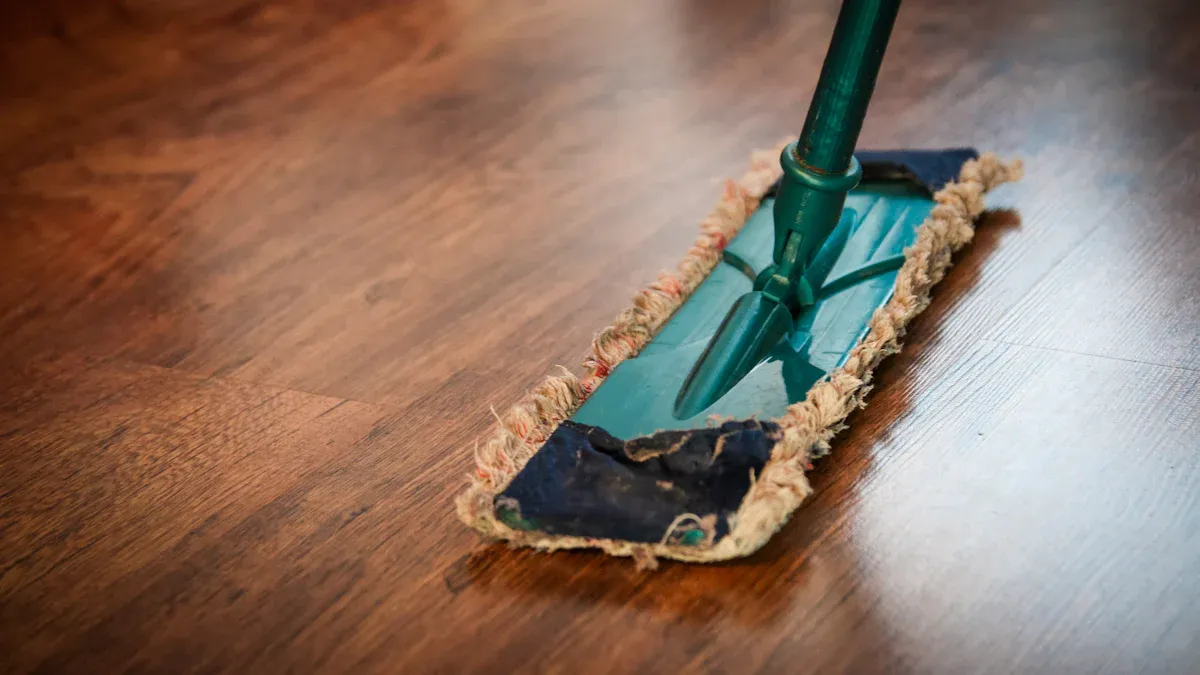
You can achieve brilliant vinyl floors with the right cleaning methods. Experts recommend a pH-neutral cleaner and a microfiber mop to safely remove dirt. Scientific studies show that pH-neutral products protect vinyl floors from damage and discoloration. After cleaning, apply a professional-grade polish or no-wax finish for a lasting shine.
- Professionals choose pH-neutral cleaners to avoid harsh chemicals that erode finishes.
- Microfiber tools lift grime without scratching.
- Polishes restore gloss and shield floors from future stains.
Learning how to make vinyl floors shine keeps your space looking fresh.
Essential Tools and Products for How to Make Vinyl Floors Shine
Must-Have Cleaning Supplies for Vinyl Floors
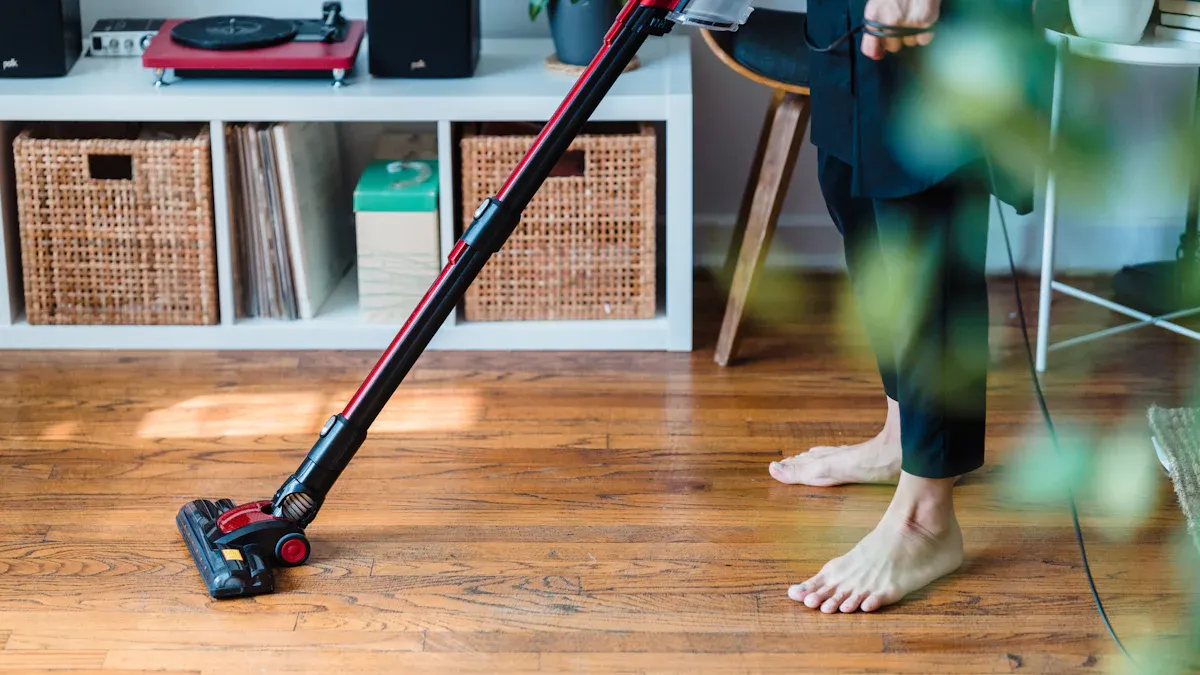
You need the right supplies to keep your vinyl floors looking their best. Microfiber mops work better than cotton mops because they trap dirt, dust, and bacteria with less water. They dry quickly and help prevent streaks. You can clean up to 500 square feet before rinsing, which saves time. Microfiber mops are gentle on vinyl and help protect the floor’s finish. Flooring professionals also recommend using clean microfiber pads and switching them out as needed.
Here are some essential cleaning tools and products:
- Microfiber mop (such as Bona Premium Mop or Woca Spray Mop)
- Soft-bristle broom or vacuum with a hard floor setting
- Specialized vinyl floor cleaner (like Bona Hard-Surface Floor Cleaner or COREtec Clean Spray)
- Soft cloths for spot cleaning and polishing
Tip: Always avoid abrasive scrubbers or harsh chemicals. These can scratch or dull your floors.
Best Cleaners and Polishes for a Lasting Shine
Choosing the right cleaner makes a big difference in how to make vinyl floors shine. pH-neutral cleaners protect your floors and the environment. They do not cause brittleness or discoloration. Commercial products like Quick Shine Multi-Surface Floor Cleaner and Rejuvenate All Floors Cleaner receive high ratings for removing tough stains and adding shine. For polishing, Mop and Glo 3 in 1 and 3M™ Scotchgard™ Resilient Floor Protector stand out for their durability and gloss retention. These products help your floors stay shiny even in busy homes.
| Product Name | Best For | Key Features |
|---|---|---|
| Quick Shine Multi-Surface Cleaner | Overall Cleaning | Plant-based, safe, removes tough stains |
| Rejuvenate All Floors Cleaner | Shine | Shine booster, quick drying |
| Mop and Glo 3 in 1 | Polishing | Lasting shine, no sticky buildup |
| 3M™ Scotchgard™ Floor Protector | Durability | Superior gloss retention, resists marks |
Safe and Effective Homemade Solutions
You can make safe cleaning solutions at home for vinyl floors. Mix white vinegar with warm water for a gentle cleaner, but always dilute it to protect the finish. Add a few drops of mild dish soap for extra cleaning power. Rubbing alcohol helps remove tough stains and dries quickly, leaving no streaks. Essential oils like lemon or lavender add a fresh scent and natural antiseptic properties. For polishing, try baby oil mixed with vinegar to restore shine.
- Baking soda paste lifts stains like pasta sauce or wine without harming vinyl.
- Rubbing alcohol works well on grease, ink, or marker stains.
- Window cleaner diluted with water gives a streak-free shine on sealed vinyl.
Note: Do not use vinegar on unsealed or waxed floors. It can damage the finish, especially on luxury vinyl plank flooring.
Step-by-Step Process: How to Make Vinyl Floors Shine
Preparation and Floor Inspection
Before you start cleaning, you need to prepare your vinyl floors. Good preparation helps you get the best shine and keeps your floors looking new for longer. Follow these steps to get ready:
- Remove all furniture, rugs, and small items from the area. This gives you a clear space to work.
- Sweep or vacuum the floor. Use a soft-bristle broom or a vacuum with the beater bar turned off. This prevents scratches and removes loose dirt.
- Check the floor for any stains, scuffs, or damaged spots. Make a note of areas that need special attention.
- If you clean a large area or a commercial space, place safety signs to keep people and pets away during cleaning.
- Make sure the room has good airflow. Open windows or turn on fans if you plan to use any polish or finish.
Tip: Always secure pets and let family members know you will be cleaning. This helps prevent accidents and keeps your floors safe.
Routine Cleaning for Everyday Shine
Regular cleaning keeps your vinyl floors bright and shiny. You do not need harsh chemicals or heavy scrubbing. Instead, use gentle tools and the right products.
- Sweep or dry mop your floors every day. This removes dust and dirt before it can scratch the surface.
- Use a microfiber mop with a pH-neutral cleaner once or twice a week. Spray the cleaner lightly and mop in small sections.
- Wipe up spills right away. Liquids can stain or damage vinyl if left too long.
- For sticky spots, use a soft cloth dampened with warm water and a drop of mild dish soap. Rinse the area with clean water and dry it with a towel.
A simple routine like this helps you maintain shine and prevents buildup. You will notice your floors look cleaner and brighter with less effort.
Deep Cleaning for Dull or Heavily Soiled Floors
Sometimes, your vinyl floors may look dull or have heavy soil that regular cleaning cannot remove. Deep cleaning restores the original shine and removes stubborn dirt.
Follow these steps for deep cleaning:
- Start by sweeping or vacuuming the floor to remove loose dirt.
- Mix 8 cups of water with 1/2 cup of white vinegar in a bucket. For extra cleaning power, add a few drops of mild dish soap.
- Dampen a microfiber mop in the solution. Do not soak the mop, as too much water can damage vinyl floors.
- Mop the floor carefully, working in small sections. Avoid letting water pool on the surface.
- Rinse the floor with clean, hot water from a separate bucket. This removes any soap or vinegar residue.
- Dry the floor with a clean microfiber cloth or dry mop. Buffing helps prevent water spots and brings out the shine.
- For tough stains, make a paste with baking soda and warm water. Apply it to the stain, let it sit for 15 minutes, then gently scrub with a soft-bristle brush. Spray vinegar over the area and wipe clean with a wet sponge.
- Repeat deep cleaning once or twice a year to keep your floors in top condition.
Note: Always avoid abrasive tools like steel wool. These can scratch and dull your vinyl floors.
Deep cleaning not only restores shine but also helps your floors last longer. Flooring experts recommend following manufacturer guidelines and using water-based, pH-neutral cleaners for the best results.
Applying Polish or No-Wax Finish for Extra Shine
You can give your vinyl floors a professional look by applying polish or a no-wax finish. This step adds a layer of protection and boosts the shine, making your floors look new again. Before you start, always check if your vinyl has a factory-applied no-wax finish. Many modern vinyl floors come with this protective layer. If your floor has it, you should avoid using traditional wax or polish. These products can build up and make the surface look dull over time. Professional cleaner Jacqueline Stein explains that using polish on no-wax floors may even damage the surface and shorten the floor’s life.
If your vinyl does not have a no-wax finish, polishing can help you maintain a glossy appearance. Experts recommend applying polish every 3 to 6 months. This schedule keeps your floors looking their best without too much effort. Polish creates a barrier that resists scratches and scuffs. It also makes cleaning easier in the future.
Follow these steps to apply polish or a no-wax finish:
- Clean and dry the floor completely. Any dirt or moisture left behind can get trapped under the polish.
- Choose a polish made for vinyl floors. Avoid acrylic sealers that need stripping. Modern coatings like nano or urethane sealers work better and last longer.
- Pour a small amount of polish onto the floor. Use a clean microfiber mop or applicator pad to spread it in a thin, even layer.
- Work in small sections. Overlap each pass to avoid streaks or missed spots.
- Let the polish dry fully. Most products need at least 30 minutes. Keep pets and people off the floor until it is dry.
- For extra shine, apply a second coat after the first one dries.
Tip: Always read the label on your polish or finish. Some products do not need buffing, while others may require it for maximum shine.
You do not need to strip off the old layer before reapplying most modern finishes. This makes maintenance easy and helps you keep your floors looking bright. If you want to know how to make vinyl floors shine, regular polishing with the right product is the answer.
Polishing your vinyl floors not only improves their appearance but also protects them from daily wear. You will notice fewer scuffs and less dirt sticking to the surface. With the right care, your floors will keep their shine for years.
Removing Stains and Scuffs from Vinyl Floors
How to Remove Common Stains Safely
You will likely see food, grease, or pet stains on your vinyl floors. These stains can make your floors look dirty and old. You can remove most stains with simple cleaning methods. Try these safe options:
- Food stains like coffee, wine, or sauce: Make a paste with baking soda and water. Spread it on the stain, wait 10-15 minutes, then gently scrub and rinse.
- Grease stains from cooking: Mix a few drops of dish soap in warm water. Use a soft cloth to clean the spot, then rinse with clean water.
- Pet stains: Spray a solution of equal parts white vinegar and water on the stain. Wipe it up and rinse the area.
Tip: Always rinse the floor after cleaning to remove any leftover cleaner. This helps keep your vinyl shiny and safe for everyone.
Erasing Scuff Marks and Light Scratches
Scuff marks and scratches can make your vinyl floors look dull. You can fix most of these with easy steps. Use the table below to find the best method for your problem:
| Scratch Severity | Recommended Method | Notes |
|---|---|---|
| Minor scratches | Clean with warm water and mild soap using a soft cloth in circles | Rinse and dry well |
| Medium-depth scratches | Apply baking soda paste, rub gently, then rinse | Good for deeper marks |
| Stubborn scratches | Use a commercial vinyl scratch repair kit | Test in a hidden spot first |
| Deep scratches | Ask a flooring professional for help | Needed for severe damage |
You can also try beeswax for scuffs. Rub beeswax on the mark, warm it with a heat gun for a few seconds, then buff with a soft cloth. This fills in scratches and brings back shine.
When to Use Specialty Products
Sometimes, regular cleaning does not remove tough stains or heavy grease. Specialty products work best in these cases, especially in busy areas or commercial spaces. These cleaners break down built-up oils and sticky messes without harming your vinyl. Standard cleaners like vinegar or dish soap may not work on these tough spots. Specialty products protect your floors and keep them looking new, even with lots of foot traffic. Always follow the instructions on the label for the best results.
Expert Maintenance Tips to Keep Vinyl Floors Shiny
Daily and Weekly Care Routines
You can keep your vinyl floors looking bright with a simple routine. Experts recommend a mix of daily and weekly tasks. The table below shows what you should do:
| Care Frequency | Recommended Actions |
|---|---|
| Daily | – Sweep or vacuum with a soft-bristle broom or vacuum set for hard floors. – Spot clean spills right away using a pH-neutral cleaner. – Use felt floor protectors under heavy furniture. |
| Weekly | – Mop with a damp microfiber mop and a pH-neutral cleaner made for vinyl. – Place walk-off mats at entrances to catch dirt and moisture. – Clean mats often and avoid those with rubber or latex backing. |
These steps help prevent dirt buildup and protect the shine on your floors.
Preventing Dullness and Damage
You can stop dullness and damage before it starts. Place doormats at every entry to trap dirt. Use furniture pads to avoid scratches. Keep curtains or blinds closed during the sunniest parts of the day. This prevents fading. Sweep or vacuum often to remove grit that can scratch the surface. Clean up spills right away to stop stains. Stick to a regular cleaning schedule with gentle products. Reapply vinyl floor polish every six months for extra protection. Avoid too much water, harsh chemicals, and abrasive pads. Always use a microfiber mop or cloth to keep your floors smooth.
Tip: Always lift furniture instead of dragging it. This keeps your vinyl safe from tears and scuffs.
Quick Fixes for Everyday Issues
You may face small problems with your vinyl floors. Quick action can save the shine. If you see moisture, use fans or open windows to dry the area. Place rugs at entrances to catch dirt. Dry mop or vacuum every day or two to remove dust. Clean up spills right away to prevent stains. Never use bleach or harsh cleaners. For shine, use a commercial sealant instead of wax. When moving heavy furniture, put plywood underneath to avoid damage.
Professional cleaning once a year can remove deep dirt and keep your floors in top shape. Experts use special tools and safe products to protect your vinyl and extend its life.
Dos and Don’ts for How to Make Vinyl Floors Shine
Essential Dos for Shiny Vinyl Floors
You can keep your vinyl looking bright and new by following these important steps:
- Sweep or vacuum your vinyl every day. Dirt and grit can scratch the surface if left too long.
- Use a microfiber mop or a vacuum without a beater bar. These tools clean gently and do not damage the finish.
- Clean up spills right away. Quick action stops stains from setting in.
- Choose mild cleaners like dish soap, diluted vinegar, or pH-neutral solutions. These products clean well and protect your vinyl.
- Place doormats at every entrance. Mats catch dirt before it reaches your floors and help prevent scratches.
- Protect your vinyl from sunlight. Close blinds or curtains during the brightest part of the day to avoid fading.
- Add felt pads under furniture legs. These pads stop marks and scratches when you move chairs or tables.
- For tough stains, use rubbing alcohol with care. Always rinse the area with a damp cloth after cleaning.
Tip: Always dry your vinyl after mopping to prevent streaks and water spots.
Common Mistakes to Avoid
Some cleaning habits can harm your vinyl and make it lose its shine. Watch out for these common mistakes:
- Do not use cleaners with ammonia or strong chemicals. These can break down the protective layer.
- Avoid mop-and-shine products that leave sticky residue. They can make your vinyl look cloudy.
- Never use wax on modern vinyl. Most vinyl already has a built-in coating, and wax can cause dullness.
- Stay away from abrasive tools like steel wool, stiff brushes, or rough sponges. These can scratch the surface.
- Do not use rubber-backed mats. Rubber can stain vinyl and leave marks.
- Never drag heavy furniture across your floors. Always lift or use a mat underneath to protect the surface.
| Mistake | Why to Avoid It |
|---|---|
| Ammonia cleaners | Damages the wear layer |
| Waxing vinyl | Causes cloudiness and dullness |
| Abrasive tools | Scratches and ruins the finish |
| Rubber-backed mats | Can stain and discolor the vinyl |
Note: Following these dos and don’ts helps your vinyl stay shiny and last longer.
You can keep your vinyl floors sparkling by following expert cleaning methods and using gentle products. Regular sweeping and mopping with pH-neutral cleaners help your floors stay bright and strong. Flooring experts and manufacturers agree on these key points:
- Frequent cleaning prevents scratches and keeps the shine.
- pH-neutral cleaners protect the finish and stop dullness.
- Avoid harsh chemicals and abrasive tools to prevent damage.
- Use soft mops and place pads under furniture for extra protection.
Consistent care gives your vinyl floors a lasting, beautiful look.
FAQ
How often should you clean vinyl floors?
You should sweep or vacuum your vinyl floors every day. Mop them once a week with a pH-neutral cleaner. This routine keeps your floors shiny and free from dirt.
Can you use steam mops on vinyl floors?
No, you should not use steam mops on vinyl floors. The heat and moisture can damage the adhesive and cause the vinyl to warp or peel.
What is the best way to remove sticky residue?
Mix a few drops of mild dish soap with warm water. Use a soft cloth to wipe the sticky area. Rinse with clean water and dry with a towel.
Do you need to wax modern vinyl floors?
You do not need to wax most modern vinyl floors. Many have a built-in no-wax finish. Wax can cause buildup and make the surface look dull.
How can you prevent scratches on vinyl flooring?
- Place felt pads under furniture legs.
- Use doormats at entrances.
- Sweep often to remove grit.
- Always lift furniture instead of dragging it.
These steps help protect your vinyl from scratches and keep it looking new.




