
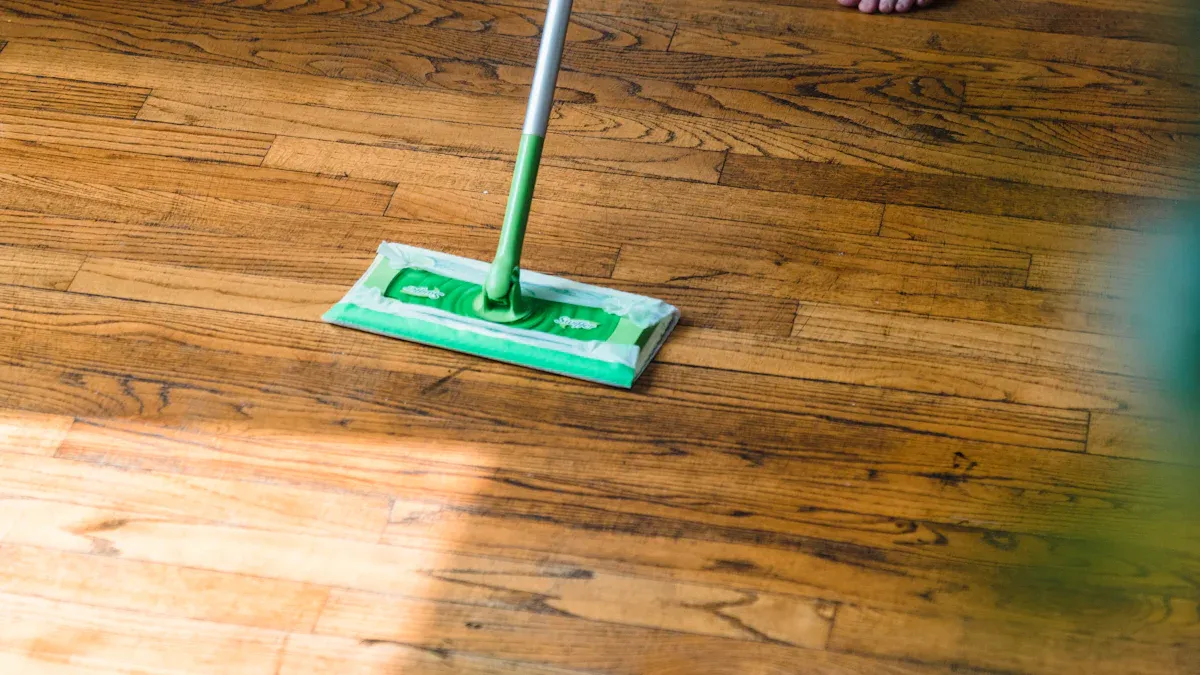
You can easily discover how to make your vinyl floors shine with natural ingredients you already have at home. Vinegar works as one of the best natural cleaning solutions for vinyl. Mix vinegar with water to remove dirt and boost shine. Baking soda, lemon juice, and olive oil also help your vinyl floors shine without harsh chemicals. These eco-friendly methods protect your floors and keep them looking bright. Baby oil can add extra shine for a polished look. Choose natural cleaning solutions for a safe and effective shine.
Best Natural Ways to Make Your Vinyl Floors Shine
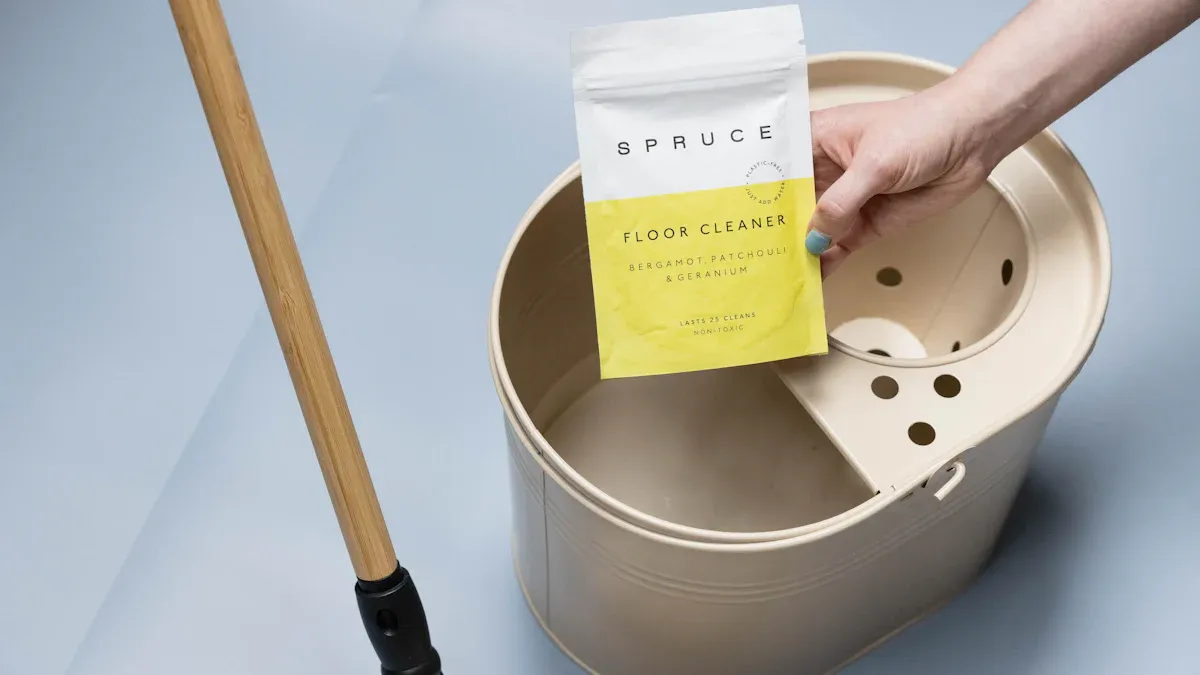
White Vinegar and Water Solution for Shine
You can use a vinegar and water mix as one of the best ways to clean vinyl floors and boost their shine. Cleaning experts recommend mixing one cup of diluted distilled white vinegar with one gallon of warm water. This solution works well for vinyl plank flooring because the gentle acidity of vinegar lifts dirt and neutralizes residue without harming the finish. You can mop your vinyl flooring with a microfiber mop dampened in this solution. For extra shine, add a few drops of baby oil or olive oil. If you want a fresh scent, add a few drops of essential oil. Vinegar and water mix not only cleans but also helps maintain the shine of your floors. Always dry the floor after mopping to prevent water spots.
Tip: Avoid harsh chemicals or ammonia-based cleaners. These can damage vinyl plank flooring and dull the shine.
Baking Soda Paste for Stubborn Stains
Sometimes, stains on vinyl flooring need more than a simple mop. Baking soda paste is a natural and gentle way to tackle tough spots. Mix baking soda with water until you get a toothpaste-like consistency. Apply the paste directly to the stain and let it sit for 10-15 minutes. Gently rub the area with a soft cloth using circular motions. Wipe clean with a damp cloth and dry the spot. Baking soda works well for food stains, rust, or metal marks. Always test the paste on a hidden area first to make sure it does not affect the finish. Baking soda paste is safe for vinyl plank flooring when used gently.
Mild Dish Soap and Warm Water to Clean Vinyl Floors
For everyday cleaning, mild dish soap and warm water make a great team. Add just a few drops of dish soap to a bucket of warm water. Use a damp mop to clean vinyl flooring, starting from the farthest corner and moving toward the exit. Rinse the floor with clean water to remove any soap residue. This method removes grease and grime without harming the shine or finish of your vinyl plank flooring. Mild dish soap is a simple, natural choice and is often considered the best cleaner for vinyl plank floors if you want to avoid harsh chemicals. You can use this method as part of your regular cleaning routine or for deep cleaning.
Note: Always avoid soaking your vinyl floors. Too much water can seep into seams and damage the flooring.
Lemon Juice and Olive Oil for Extra Shine
You can use lemon juice and olive oil to help your vinyl floors look bright and clean. Lemon juice acts as a natural degreaser and gives your home a fresh citrus scent. Olive oil can add a gentle shine, but you should use it with care on vinyl flooring. Most experts recommend this mix for wood floors, but you can still use lemon juice safely on vinyl plank flooring. Olive oil may not suit all vinyl types, so always test a small area first.
Here is a simple way to try this method:
- Mix half a cup of lemon juice with three-quarters of a cup of olive oil in a gallon of hot water.
- Dip a mop into the solution and wring it out well.
- Mop your vinyl flooring gently, making sure not to leave puddles.
- Dry the floor with a clean towel to prevent slipping.
Note: Lemon juice works well on vinyl plank flooring because it removes grease and leaves a pleasant smell. Olive oil can add shine, but it is best to use it sparingly.
| Ingredient | Benefits for Vinyl Flooring | Caution |
|---|---|---|
| Lemon Juice | Removes grease, fresh scent, mild cleaner | Safe for vinyl plank flooring |
| Olive Oil | Adds shine, conditions surface | Test first, use sparingly |
You can enjoy a natural shine on your vinyl floors with this method. Always check your vinyl plank flooring for any changes after using olive oil.
Baby Oil and Natural Buffing Techniques
Baby oil can help you restore shine to dull vinyl floors. After you clean your vinyl flooring, add a few drops of baby oil to a dry mop or soft cloth. Rub the oil gently across the vinyl plank flooring. This step brings out a high-gloss finish and makes your floors look new.
You can also mix baby oil with vinegar and hot water for a natural cleaning solution. This mix cleans and polishes your vinyl flooring at the same time. Always dry your floors before you buff them with baby oil. This prevents streaks and helps the shine last longer.
Tip: Avoid using harsh chemicals or abrasive tools on vinyl plank flooring. These can damage the surface and reduce shine.
Manufacturers do not always say if baby oil is safe for every type of vinyl flooring. You should test a small spot before using it on the whole floor. Regular cleaning and gentle buffing with baby oil keep your vinyl floors looking bright and shiny without wax buildup.
A simple routine for natural shine:
- Clean vinyl plank flooring with mild soap and water.
- Dry the floors completely.
- Apply a few drops of baby oil to a mop or cloth.
- Buff the vinyl flooring in small sections for even shine.
You can keep your vinyl floors looking their best with these natural methods. Baby oil and gentle buffing bring out the natural shine in vinyl plank flooring and help protect your floors.
Step-by-Step Guide: How to Make Your Vinyl Floors Shine Naturally
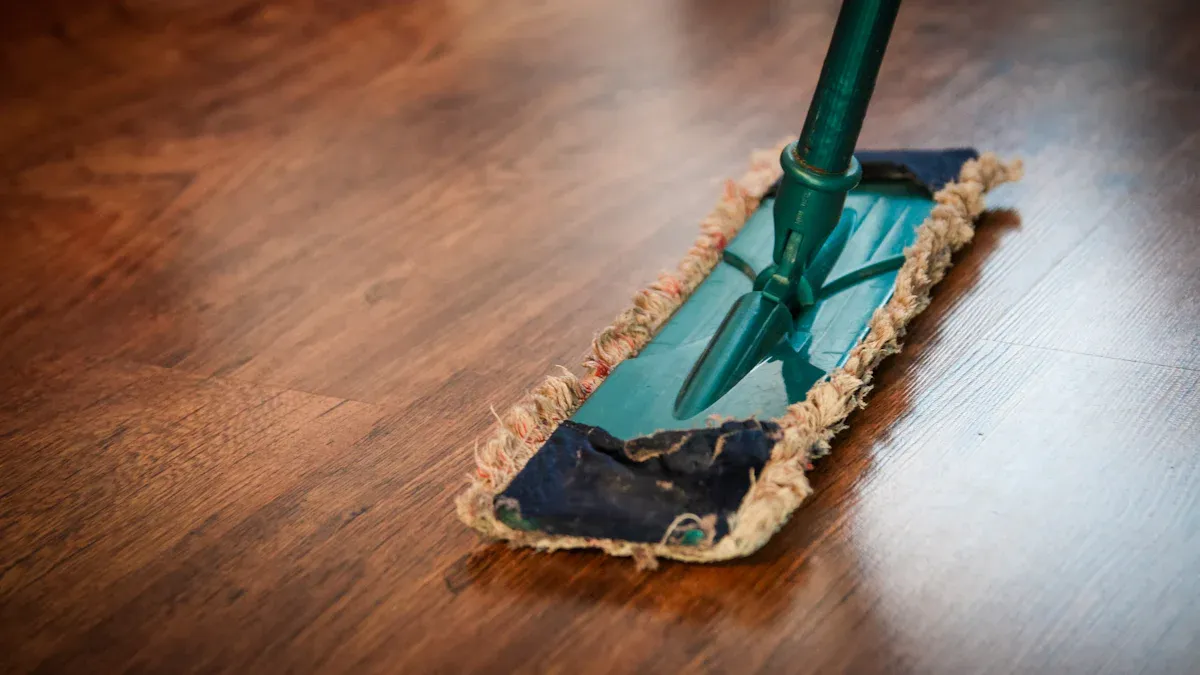
Gather Natural Cleaning Supplies for Vinyl Floors
You need the right supplies to start the process of how to make your vinyl floors shine. Gather these natural ingredients and tools before you begin:
- White vinegar
- Baking soda
- Mild dish soap
- Lemon juice
- Olive oil
- Baby oil
- Microfiber mop or soft cloth
- Bucket
- Soft-bristle broom or vacuum
- Clean towels
Choose natural products to protect your vinyl plank flooring. Avoid harsh chemicals, ammonia, bleach, or petroleum-based substances. These can damage the surface and reduce shine. Use only soft tools. Abrasive brushes or pads can scratch vinyl and make it look dull.
Tip: Always check the manufacturer’s care instructions for your vinyl plank flooring before using any new cleaning solution.
Sweep or Vacuum to Prepare for Shine
You must remove all dust and dirt before you clean and shine your vinyl floors. Start by taking out all furniture and objects from the area. This step lets you reach every spot on your vinyl plank flooring.
Use a soft-bristle broom or a vacuum with a hard floor setting. Sweep or vacuum the entire floor. Pay special attention to corners and edges where dirt collects. Loose dirt can scratch vinyl if left behind during cleaning.
Here is a simple checklist to prepare your vinyl floors:
- Remove all furniture and rugs.
- Sweep or vacuum the entire floor.
- Check for sticky spots or debris and pick them up by hand.
Keeping your vinyl plank flooring free from dust and grit helps you achieve a better shine. Clean floors also last longer and look brighter.
Mop with a Natural Solution to Clean and Shine
Now you are ready to clean and shine your vinyl floors. Choose a natural solution that matches your needs. For general cleaning, mix one cup of white vinegar with one gallon of warm water. For extra shine, add a few drops of baby oil or olive oil. If you want a fresh scent, squeeze in some lemon juice.
Dip a microfiber mop or soft cloth into the solution. Wring it out well so it is damp, not soaking wet. Mop the vinyl plank flooring in small sections. Start at the farthest corner and work toward the exit. Cover every area to remove dirt and bring out the shine.
After mopping, rinse the floor with clean water to remove any leftover solution. Use a clean towel to dry the floor completely. This step prevents water spots and keeps your vinyl looking bright.
Note: Never let water pool on your vinyl plank flooring. Excess moisture can seep into seams and cause damage.
You can repeat this process as part of your regular cleaning routine. Natural solutions keep your vinyl floors clean and shiny without harsh chemicals. If you see stubborn stains, use a baking soda paste on those spots before mopping. Always dry the floor after cleaning to protect the shine.
A clean and well-prepared surface helps you get the best results when you want to know how to make your vinyl floors shine. Regular care and the right cleaning steps keep your vinyl plank flooring looking its best.
Buff Dry for a Lasting Vinyl Floors Shine
Buffing your vinyl floors helps you achieve a lasting shine and keeps your home looking bright. After you clean and dry your floors, you can use a soft microfiber cloth or mop to buff the surface. Move the cloth in small, circular motions. This technique smooths out minor scratches and brings out the natural shine in your vinyl.
You do not need a machine for buffing at home, but if you have access to a specialized buffing machine, you can use it with a vinyl-safe polishing compound. This method works well for restoring shine and removing light scuffs. Always use gentle pressure to avoid damaging the surface.
Here are some best practices for buffing vinyl floors:
- Sweep or vacuum your floors regularly to remove dirt and grit that can dull the shine.
- Use a damp microfiber mop with a vinyl-safe cleaner to keep the glossy finish.
- Avoid wax-based products. These can cause buildup and make your floors slippery.
- Protect your floors from scratches by using felt pads under furniture.
- Manage moisture carefully. Wipe up spills right away to prevent damage.
Tip: Only use cleaners that are safe for vinyl. Harsh chemicals can degrade the appearance and reduce shine.
Buffing your floors after each cleaning session helps you maintain a beautiful, long-lasting shine. This step is key if you want to know how to make your vinyl floors shine and keep them looking new.
Treat Stains and Scuffs to Make LVP Floors Shine
Stains and scuffs can make LVP floors look dull, but you can treat them with simple, natural methods. You do not need harsh chemicals to make LVP floors shine again. Start by identifying the type of stain or scuff you see.
For most stains, follow these steps:
- Mix equal parts white vinegar and water in a spray bottle.
- Spray the solution directly on the stain.
- Let it sit for a few minutes.
- Wipe the area gently with a damp cloth or sponge.
- Rinse with clean water and dry the spot.
For general stains, you can use diluted dish soap in warm water. Gently scrub the area in a circular motion, then rinse and dry. For stubborn stains like ketchup or fruit juice, make a baking soda paste. Apply the paste, cover with a soft cloth, let it sit, then wipe clean with a vinegar and water mix.
Scuff marks often come from shoes or furniture. You can remove them by rubbing a small amount of WD-40 on a towel and gently buffing the mark. Clean any residue with a vinegar and water solution. For stains like lipstick or crayon, use a little rubbing alcohol on a soft cloth. Blot and scrub gently, but avoid abrasive tools.
| Natural Method | Application/Effectiveness | Precautions/Notes |
|---|---|---|
| Vinegar | Removes organic stains without damaging LVP surface | Use diluted vinegar; rinse after use |
| Baking Soda Paste | Effective on stubborn stains; absorbs and bleaches | Apply, let sit, then wipe clean; safe for LVP floors |
| Diluted Dish Soap | Gentle cleaning for various stains | Use mild soap; avoid abrasive cleaners |
| WD-40 + Vinegar/Water | Removes scuff marks; cleans residue | Use soft cloth; avoid abrasive tools |
| Rubbing Alcohol | Removes lipstick or crayon stains | Use sparingly; avoid dulling floor; do not use abrasive scrubbing tools |
| Avoid | Steam cleaners, abrasive cleaners, vacuum beater bars, solvent-based polishes, ammonia solutions | These can damage or dull LVP flooring |
Note: Always sweep your floors daily to prevent scratches from dirt and sand. Wipe up spills right away to stop stains from setting.
When you treat stains and scuffs quickly, you help make LVP floors shine and keep them looking their best. Use these natural methods as part of your regular routine to maintain a bright, clean appearance. If you want to make LVP floors shine, focus on gentle cleaning and avoid products that can harm the surface.
Maintenance Tips to Keep Vinyl Floors Shine
Establish a Regular Cleaning Routine
You keep your vinyl flooring looking bright when you follow a regular cleaning routine. Sweep or vacuum your floors every day to remove dust and dirt. This step prevents scratches and keeps the shine. Use a soft-bristle broom or a vacuum without a beater bar. Clean the floors weekly with a damp mop and a neutral pH cleaner. If you want to use natural solutions, choose mild dish soap or a vinegar and water mix. Wipe up spills right away with a clean cloth. Spot cleaning helps you avoid stains and keeps your floors glossy. For high-traffic areas, you may need to clean more often.
Tip: Always dry your floors after mopping. This step prevents water spots and helps maintain a glossy finish.
Preventative Measures to Protect Shine
You can protect the shine of your vinyl flooring by taking a few simple steps. Place mats or rugs at entryways to trap dirt and moisture. Choose mats without rubber or latex backing to avoid discoloration. Use felt pads or coasters under furniture legs to prevent scratches and dents. Encourage everyone to remove shoes before walking on your floors. Limit direct sunlight by closing curtains or blinds during peak hours. Rearrange rugs and furniture from time to time to spread out wear. Inspect your floors regularly and repair any damage quickly.
| Preventative Tips | Why It Helps Your Floors Shine |
|---|---|
| Use felt pads under furniture | Prevents scratches and dents |
| Place mats at entryways | Reduces dirt and moisture |
| Remove shoes indoors | Minimizes floor damage |
| Limit sunlight exposure | Prevents fading and dullness |
What to Avoid to Maintain Shine on Vinyl Floors
You need to avoid certain cleaning mistakes to keep your vinyl flooring shiny. Do not use abrasive tools like steel wool or stiff brushes. These can scratch the surface and dull the shine. Avoid harsh chemicals such as bleach, ammonia, or acetone. These products damage the finish and make your floors look dull. Never use steam cleaners or string mops, as they leave too much water behind. Too much soap or dirty mop water can leave a sticky residue and reduce shine. Always lift heavy furniture instead of dragging it across the floor.
Tip: Avoid harsh chemicals and wax-based products. These can harm your vinyl flooring and make maintaining glossy finish harder.
By following these tips, you can clean and care for vinyl plank flooring and keep your floors looking shiny and beautiful for years.
Troubleshooting: When Your Vinyl Floors Lose Their Shine
Dealing with Dull or Cloudy Vinyl Floors
You may notice your vinyl floors look dull or cloudy over time. This can happen for several reasons. Many people use the wrong cleaning products or tools, which can damage the surface and reduce shine. Here are some common causes:
- Using abrasive cleaners or scrubbers that scratch the floor.
- Applying ammonia-based or vinegar-based products, which can harm the finish.
- Cleaning with harsh chemicals that strip away the protective layer.
- Using steam mops, which can warp the vinyl and damage the adhesive.
- Letting detergent or oil build up, which leaves a sticky, hazy film.
- Grinding dirt into the surface by not sweeping first.
To avoid these problems, always use gentle, pH-neutral cleaners and soft tools. Sweep or vacuum before mopping. Never use wax or polish, as these can create buildup and cloudiness. If you want to brighten dull vinyl flooring, start by removing any residue with a damp microfiber cloth.
Tip: If your floors still look cloudy, you may need to deep clean and restore dull vinyl flooring by gently scrubbing with a soft brush and a mild solution.
Removing Scuff Marks and Sticky Residue Naturally
Scuff marks and sticky spots can make your floors look less shiny. You can remove these with natural remedies. Follow these steps:
- Sweep or vacuum the area to remove dust.
- Mix equal parts baking soda and warm water to make a paste.
- Apply the paste to the scuff or sticky spot and let it sit for 15 minutes.
- Gently scrub with a soft brush or microfiber cloth.
- Spray the area with a little vinegar, then wipe clean with a damp sponge.
- For oil-based stains, use warm water and a drop of dish soap, then rinse well.
- To remove minor scuffs, rub a small amount of olive oil on a microfiber towel and buff the mark. Wipe away any oily residue.
Always dry your floors with a clean towel after cleaning. This helps prevent water spots and keeps the shine.
Restoring Shine to Make LVP Floors Shine Again
You can restore shine and make your LVP floors look new again with a few simple steps. Regular care helps you maintain a bright, glossy finish.
- Dust your floors every few days with a microfiber mop to prevent dirt buildup.
- Mop once a week with warm water and a pH-neutral cleaner. Keep the mop damp, not wet.
- After cleaning, mop again with plain warm water to remove any leftover cleaner.
- Buff the floor dry using a microfiber cloth in gentle, circular motions. This step helps restore shine and brighten dull vinyl flooring.
- Avoid waxes or polishes, as these can cause a hazy buildup.
- For stubborn spots, dab a diluted vinegar solution (one part vinegar to four parts water), then rinse with a damp cloth.
- Place felt pads under furniture and use rugs in high-traffic areas to protect your floors.
- Limit direct sunlight to prevent fading and keep your floors looking their best.
By following these steps, you can restore dull vinyl flooring and keep your floors shiny and beautiful. Consistent care and the right cleaning habits help you maintain the shine for years.
You can keep your vinyl floors looking bright and beautiful by choosing natural ingredients. These gentle cleaners, like vinegar and baking soda, help protect the surface and keep the shine. Regular use of eco-friendly solutions prevents damage and extends the life of your floors. Avoid harsh chemicals, too much water, and dragging furniture. Always sweep up dirt and wipe spills quickly. When you follow these steps, your floors will stay shiny and last longer.
FAQ
Can you use vinegar on all types of vinyl flooring?
You can use diluted white vinegar on most vinyl floors. Always check your floor’s care guide first. Test a small area before cleaning the whole floor. Vinegar helps remove dirt and keeps your vinyl shiny.
How often should you clean vinyl floors to keep them shiny?
You should sweep or vacuum daily. Mop with a natural solution once a week. Clean spills right away. Regular cleaning keeps your vinyl floors bright and prevents dullness.
Will olive oil make vinyl floors slippery?
Olive oil can add shine, but it may leave the floor slippery if you use too much. Use only a few drops. Buff the floor well with a dry cloth to remove any extra oil.
What should you avoid when cleaning vinyl floors?
Avoid harsh chemicals, steam cleaners, and abrasive tools. These can damage the surface and dull the shine. Never use wax or polish on vinyl plank flooring.
Can you remove scuff marks from vinyl floors naturally?
Yes, you can. Use a baking soda paste or a small amount of olive oil on a microfiber cloth. Rub the mark gently. Wipe the area clean and dry it to restore shine.




