
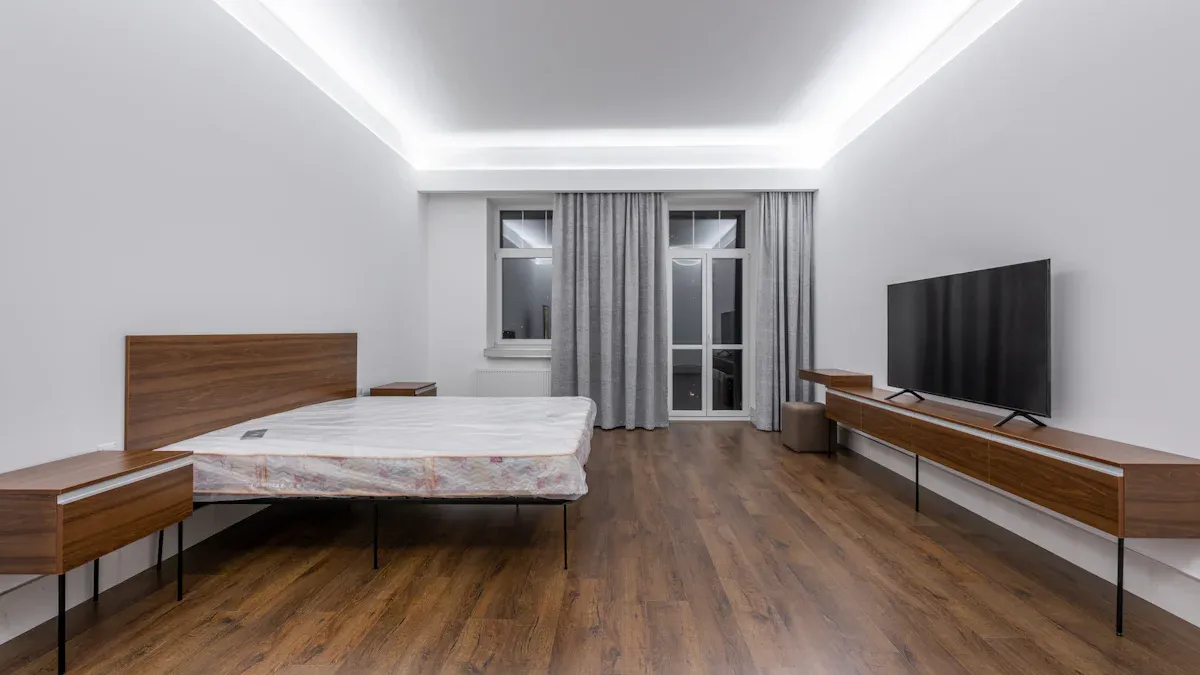
You may notice spc flooring feels much stronger than standard vinyl flooring. The secret lies in the spc core, which gives spc vinyl flooring superior durability. When you install spc flooring in high-traffic areas, you get excellent resistance to dents and scratches. Many homeowners choose spc vinyl flooring for bathrooms, kitchens, and basements because it handles water so well. If you compare spc flooring vs vinyl flooring, spc vinyl flooring stands out in high-traffic areas. You pay more for spc flooring, but you gain better performance. Vinyl flooring works best in rooms with less foot traffic. Spc vinyl flooring remains a smart choice for high-traffic areas where you want strong, stable floors. You can trust spc vinyl flooring to last longer than regular vinyl flooring. When you want floors that look good and stay tough, spc flooring delivers.
spc flooring vs vinyl flooring: Primary Differences
What Sets SPC Flooring Apart
When you look at the primary differences between spc flooring vs vinyl flooring, you notice that spc flooring stands out because of its rigid core. The core in spc vinyl flooring uses a mix of limestone, plasticizers, and PVC. This makes spc vinyl flooring much stronger and more stable than regular vinyl flooring. You get a floor that resists dents, scratches, and heavy impacts. If you have a busy home or commercial space, spc flooring gives you the durability you need.
You can see the main difference between vinyl and spc flooring in how they handle daily wear. SPC vinyl flooring keeps its shape and size even when temperatures change or when you place heavy furniture on it. You do not have to worry about warping or swelling. The click-lock system in spc vinyl flooring makes installation quick and easy, but you need to fit the pieces precisely.
Here is a table that shows the difference between vinyl and spc flooring in key areas:
| Aspect | SPC Flooring | Vinyl Flooring |
|---|---|---|
| Core Composition | Rigid core made from limestone, plasticizers, and PVC; highly durable and stable | Softer, flexible PVC core; more comfortable but prone to dents from heavy furniture |
| Durability | Highly resistant to dents, scratches, and heavy furniture; suitable for high-traffic areas | Durable but softer; can show indentations under heavy furniture |
| Installation | Primarily click-lock floating system; DIY-friendly but requires precise fitting | Multiple methods: glue-down, loose lay, click-lock; easier and more flexible installation |
| Comfort | Harder and cooler underfoot; better for warmer climates | Softer, warmer, and more comfortable for prolonged standing and joint comfort |
| Aesthetic Qualities | Allows for more realistic textures and sharper designs due to rigid core | Realistic designs with good digital imaging but less texture depth |
| Cost | Generally more expensive upfront but offers longer lifespan and better stability | More affordable initially; easier installation; good value for budget-conscious buyers |
| Water Resistance | Both are water-resistant and low maintenance | Both are water-resistant and low maintenance |
| Resale Value | Often perceived as more modern and durable, potentially increasing home resale value | Comfortable and cost-effective but less impact on resale unless high quality |
SPC vinyl flooring also gives you peace of mind in wet areas. Bathrooms, kitchens, and basements benefit from the waterproof qualities of spc flooring. You can clean up spills easily, and you do not need to worry about mold or swelling. The difference between vinyl and spc flooring becomes clear when you want a floor that lasts longer and looks sharp for years.
Tip: Choose spc vinyl flooring if you want a modern look, high durability, and easy maintenance in busy or wet spaces.
How Standard Vinyl Flooring Compares
Standard vinyl flooring offers a different set of benefits. The main difference between vinyl and spc flooring is the core. Vinyl flooring uses a softer, flexible PVC core. This makes vinyl flooring feel warmer and more comfortable under your feet. If you spend a lot of time standing in the kitchen or living room, you may prefer the comfort of vinyl flooring.
Vinyl flooring is easier to install in many ways. You can use glue-down, loose lay, or click-lock methods. This flexibility helps if you want to do the job yourself or if your subfloor is not perfect. The difference between vinyl and spc flooring also shows in cost. Vinyl flooring costs less upfront, so it works well for budget projects or rooms with less foot traffic.
You should know that vinyl flooring can show dents or marks from heavy furniture. It does not have the same dent resistance as spc vinyl flooring. Over time, you may see more signs of wear in busy areas. Still, vinyl flooring remains water-resistant and easy to clean, making it a good choice for many homes.
Here are some key points about the difference between vinyl and spc flooring:
- Vinyl flooring feels softer and warmer underfoot, which helps with joint comfort.
- You can install vinyl flooring in more ways, making it easier for DIY projects.
- Vinyl flooring costs less than spc vinyl flooring, so it fits smaller budgets.
- Vinyl flooring can show dents from heavy furniture, while spc vinyl flooring resists these marks.
- Both types resist water, but spc flooring offers better stability in changing temperatures.
When you compare spc flooring vs vinyl flooring, you see that spc vinyl flooring wins in durability and stability. Vinyl flooring gives you comfort and savings. The difference between vinyl and spc flooring helps you decide which floor fits your needs best.
Core Material Differences and Impact on Durability
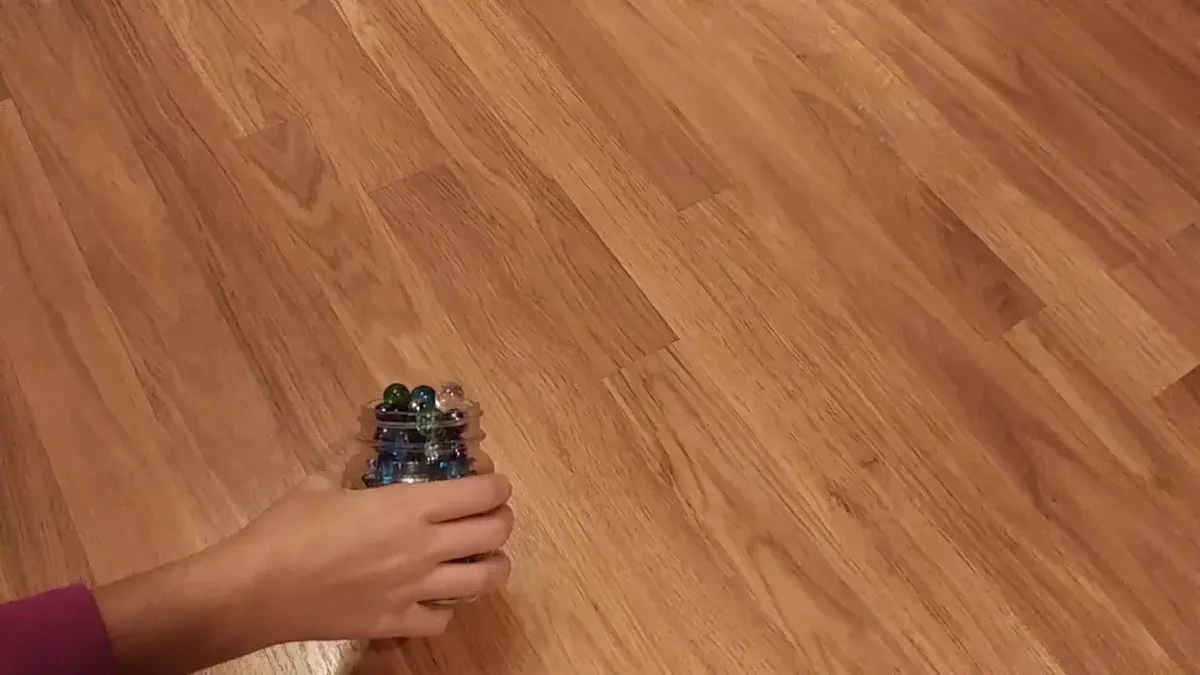
SPC Flooring Core Structure
You get impressive durability from SPC flooring because of its unique core. The core combines limestone powder, PVC resin, and stabilizers. This mix creates a rigid, dense layer that stands up to heavy use. The stone crystal structure inside the SPC core gives it outstanding stability. You can trust SPC flooring to stay strong in busy homes or commercial spaces. The waterproof core keeps water from seeping in, so you do not have to worry about swelling or warping.
SPC vinyl flooring goes through strict testing. Manufacturers use physical performance tests, chemical analysis, and advanced inspections to check quality. Certifications like FloorScore and GreenGuard Gold show that SPC flooring meets high standards for safety and indoor air quality. These certifications also confirm that the core is safe and environmentally friendly.
- SPC flooring core is rigid and waterproof.
- The core uses about 60% limestone, making it dense and tough.
- Strict quality control and certifications ensure high durability.
Vinyl Flooring Core Structure
Vinyl flooring has a softer, flexible core made mostly of PVC. This core feels warmer and more comfortable under your feet. Some luxury vinyl flooring adds a thin stone layer, but most standard vinyl flooring does not. The difference between vinyl and SPC flooring comes from this core. Vinyl flooring can move or expand more, especially in rooms with big temperature swings.
Material science studies show that vinyl flooring with a higher stone content in the core performs better. A core with less stone can shift or expand, which lowers durability. Most vinyl flooring has a 1mm to 1.5mm pad under the core for extra comfort.
- Vinyl flooring core is mostly PVC, making it flexible.
- Some luxury vinyl flooring adds stone for better durability.
- Lower stone content means more movement and less durability.
Why Core Composition Matters for Durability
The core material in your flooring decides how long it will last. SPC flooring stands out in any durability comparison because of its dense, rigid core. You get floors that resist dents, scratches, and water damage. The thickness of the core and the wear layer also matter. Thicker cores and wear layers give you greater stability and protection from daily wear.
Vinyl flooring offers comfort, but its softer core makes it less durable in high-traffic areas. SPC vinyl flooring, with its stone-plastic composite core, gives you better overall durability. You can install SPC in kitchens, bathrooms, and basements without worry.
Note: If you want floors that last longer and handle heavy use, choose SPC flooring for the best durability comparison.
The core composition affects not just how your floor feels, but also how it performs over time. SPC flooring gives you peace of mind with its strength and stability, while vinyl flooring works best in low-traffic, comfort-focused spaces.
spc vs. lvt flooring: Performance and Durability
Scratch and Dent Resistance
When you compare spc vs. lvt flooring, you see big differences in scratch and dent resistance. spc flooring uses a rigid stone-plastic composite core. This core gives you high impact resistance and helps your floor stand up to heavy use. lvp flooring, which many people call luxury vinyl plank, has a softer, flexible core. This makes it more likely to show dents from furniture or dropped objects.
You can look at the results from industry tests to see how spc flooring and lvp flooring perform. The table below shows how each type handles pressure, scratches, and wear:
| Durability Factor | SPC Flooring Performance | LVT Flooring Performance | Test Method | Commercial Recommendation |
|---|---|---|---|---|
| Dent Resistance | Excellent, withstands up to 1500 psi | Good, withstands up to 800 psi | ASTM F1914 | Warehouses, retail spaces |
| Scratch Resistance | Rated 4H pencil hardness | Rated 3H pencil hardness | EN 16094 | Lobbies, corridors |
| Indentation Recovery | 100% recovery after 24 hours | 85-95% recovery after 24 hours | 24-hour test | Office spaces |
| Wear Layer Durability | 20+ mil wear layer options | 12-28 mil wear layer options | Taber abrasion | High-traffic retail environments |
| Expected Lifespan | 15-25 years | 10-15 years | Commercial use | Long-term installations |
spc flooring stands out in every durability comparison. The rigid core lets it handle more pressure and resist scratches better than lvp flooring. You will notice fewer dents and marks, even in busy areas. lvp flooring still offers good durability, but it cannot match the performance of spc flooring in high-traffic spaces. If you want a floor that keeps looking new, spc flooring gives you the best results.
Note: spc vs. lvt flooring tests show that spc flooring lasts longer and resists scratches and dents better, making it a top choice for homes and businesses.
Water and Moisture Resistance
spc vs. lvt flooring also shows clear differences in water and moisture resistance. spc flooring has a dense, waterproof core made from limestone and polymers. This core blocks water from getting into the floor. You can use spc flooring in kitchens, bathrooms, and basements without worry. Spills and splashes will not cause swelling or warping.
lvp flooring, or luxury vinyl plank, also resists water well. The flexible PVC layers keep most moisture out. However, lvp flooring can let water seep through the seams if you do not install it correctly. Over time, this can lead to damage in very wet areas. spc flooring gives you extra protection because of its rigid, waterproof core.
Both spc flooring and lvp flooring are easy to clean. You can mop up spills and keep your floors looking great. If you want the highest level of moisture resistance, spc flooring is the better choice. It gives you peace of mind in rooms where water is a daily problem.
Stability in Temperature Changes
Temperature changes can cause some floors to expand or contract. spc vs. lvt flooring shows that spc flooring handles these changes better. The stone-plastic composite core in spc flooring gives it strong thermal stability. You can install spc flooring in sunrooms, near windows, or in places with big temperature swings. The floor will not warp or curl.
lvp flooring, which is another name for luxury vinyl plank, uses a flexible core. This core can expand or shrink more when temperatures change. You might see gaps or slight curling at the edges if the room gets very hot or cold. spc flooring keeps its shape and size, even in tough conditions.
A recent lab test heated both types of flooring to 80°C for six hours. spc flooring curled about 1.03 cm, while a special balanced version called ESPC curled only 0.2 cm. This shows that spc flooring already has good stability, and new designs make it even better. You can trust spc flooring to stay flat and strong, no matter the weather.
Tip: If you live in a place with big temperature swings, spc flooring gives you the best durability and performance.
spc vs. lvt flooring gives you clear answers when you look at durability, water resistance, and stability. spc flooring wins in every category. lvp flooring still works well in many homes, but spc flooring gives you the highest level of protection and long-lasting beauty. When you want a floor that stands up to scratches, dents, water, and heat, spc flooring is the smart choice.
Comfort and Sound Underfoot
When you walk on different floors, you notice how they feel and sound. The comfort and sound underfoot can change your experience at home or work. In the spc vs. lvt flooring debate, you find clear differences in these areas.
SPC flooring has a rigid stone-plastic core. This core makes the floor feel firm and stable. You get less give when you step on it. Some people like this solid feeling, especially in busy spaces. However, the hard core can feel cooler and less cushioned. If you stand for long periods, you might want to add area rugs or use thicker underlayment for extra comfort.
LVP flooring, also known as luxury vinyl plank, feels softer underfoot. The flexible vinyl core gives you more cushion and warmth. You notice this comfort in bedrooms and living rooms, where you often walk barefoot or sit on the floor. LVP also absorbs sound better than SPC. You hear fewer footsteps and less echo, which helps in quiet spaces.
Tip: If you want a softer, quieter floor, lvp flooring offers more comfort and sound absorption. For a solid, stable feel, spc flooring works best.
You can use underlayment with both spc and lvp to improve comfort and reduce noise. Some products come with attached pads, making installation easier and boosting sound control. When you compare spc vs. lvt flooring, think about how much comfort and quiet you need in each room.
Best Applications by Room
Choosing the right floor depends on where you plan to install it. The spc vs. lvt flooring comparison shows that each type has strengths for different rooms. You want to match the floor’s durability and comfort to the room’s needs.
Here is a table to help you see the suitability for different rooms:
| Room Type | Recommended Flooring | Reasoning |
|---|---|---|
| High-traffic areas | SPC Flooring | Rigid stone-plastic core offers superior durability, scratch and dent resistance. |
| Moisture-prone rooms | SPC Flooring | 100% waterproof core ideal for bathrooms, kitchens, and basements. |
| Living rooms | LVT Flooring | Flexible vinyl core provides comfort and design variety, suitable for moderate traffic. |
| Bedrooms | LVT Flooring | Softer underfoot and versatile style, fitting for comfort-focused areas. |
| Entrances, Hallways | SPC Flooring | High foot traffic demands maximum durability and dimensional stability. |
| Hybrid applications | Combination | SPC in wet/high-traffic zones; LVT in comfort or design-prioritized spaces. |
You see that spc flooring works best in places with lots of activity or water. Bathrooms, kitchens, and entryways need floors that resist dents, scratches, and moisture. SPC gives you that protection. Its rigid core keeps the floor stable and safe from water damage. You can trust spc to last in busy homes, offices, or stores.
Lvp flooring fits well in rooms where comfort matters most. Bedrooms and living rooms benefit from the softer, warmer feel. You get more design choices and a cozy surface for relaxing. Lvp also works in spaces with moderate foot traffic, where you want both style and comfort.
Some people use both types in one home. You might install spc in the kitchen and bathrooms for water resistance, then use lvp flooring in bedrooms for extra comfort. This hybrid approach lets you balance performance, cost, and comfort.
Note: Always consider the suitability for different rooms before you choose your floor. Think about how much traffic, moisture, and comfort you need in each space.
The spc vs. lvt flooring comparison helps you match each product to the right room. You get the best performance and value when you choose based on the room’s needs. Whether you want durability, comfort, or a mix of both, you can find the right solution for every part of your home.
Cost Breakdown: spc flooring vs vinyl flooring
Material Costs Comparison
You want to know how much you will spend on each type of floor. The cost of SPC flooring is higher than standard vinyl, but you get more durability for your investment. Vinyl flooring is the most economical choice if you have a tight budget. SPC flooring sits in the mid-range price bracket, making it a smart investment for areas that need strength and stability.
Here is a table to help you compare the average cost per square foot:
| Flooring Type | Average Price per sq.ft |
|---|---|
| SPC | $1.50 – $3.00+ |
| LVT/LVP | $0.50 – $2.00 |
You see that the costs associated with SPC flooring are higher upfront. However, you get a longer lifespan and better performance. Vinyl flooring keeps your initial cost low, but you may need to replace it sooner in busy areas.
Installation Expenses and Methods
When you look at the cost of installation, you find differences in both price and process. Vinyl flooring offers many installation methods, such as glue-down, loose lay, and click-lock. These options make it easy for you to handle the job yourself, which can lower labor costs. SPC flooring uses a click-lock floating system. This method is also DIY-friendly, but the rigid planks need careful fitting.
| Aspect | Vinyl Flooring | SPC Flooring |
|---|---|---|
| Cost | Most economical, ideal for budget-sensitive projects | More expensive than vinyl but offers better longevity and strength |
| Installation Methods | Various, easy installation methods available | Click-lock floating installation, easy to install |
| Labor Costs | Can be reduced with DIY; professional recommended for complex layouts | DIY possible; professional recommended for complex layouts |
SPC flooring tolerates uneven subfloors better, which can save you time and money on preparation. The costs associated with installation may be higher for SPC, but you gain a more stable floor.
Maintenance and Long-Term Value
You want your investment to last. The lifespan of SPC flooring often reaches 15 to 25 years, while vinyl flooring usually lasts 10 to 15 years. Both types need regular cleaning, such as sweeping and damp mopping. Preventive steps, like using mats and furniture pads, help reduce long-term maintenance costs.
- Daily cleaning and simple care can extend the lifespan of vinyl floors by up to 50%.
- SPC flooring resists dents and water, so you spend less on repairs.
- Vinyl flooring’s multilayer structure gives good durability, but SPC’s rigid core offers better value in high-traffic spaces.
If you invest in high-quality flooring and follow a good maintenance routine, you save money over time. Your investment in SPC flooring pays off with fewer replacements and repairs. Vinyl flooring gives you a lower upfront cost, but you may face higher costs associated with replacement if you have heavy use.
Tip: Think about the total cost, not just the price per square foot. A smart investment in durable flooring can save you money over the lifespan of your home.
Example Cost Comparison Table
You want to see how the cost of SPC flooring compares to vinyl flooring in a real-world example. This table gives you a clear look at what you might pay for a typical 200-square-foot room. You can use these numbers to plan your budget and decide which flooring fits your needs best.
| Item | SPC Flooring | Vinyl Flooring |
|---|---|---|
| Average Material Cost | $2.25/sq.ft | $1.25/sq.ft |
| Total Material Cost (200 sq.ft) | $450 | $250 |
| Average Installation Cost | $2.00/sq.ft | $1.50/sq.ft |
| Total Installation Cost (200 sq.ft) | $400 | $300 |
| Estimated Total Cost | $850 | $550 |
| Expected Lifespan | 15-25 years | 10-15 years |
Note: These numbers show average prices. Your actual cost may change based on your location, the brand you choose, and the installer’s rates.
You see that SPC flooring has a higher upfront cost. You pay more for both the material and the installation. Vinyl flooring keeps your initial cost lower, which helps if you have a tight budget. Over time, the longer lifespan of SPC flooring can make up for the higher cost. You may not need to replace it as soon as you would with vinyl flooring.
When you plan your project, always think about the total cost. Look at both the price per square foot and the years of use you will get. If you want a floor that lasts longer and stands up to heavy use, the higher cost of SPC flooring can be a smart investment. If you need to keep your cost low, vinyl flooring gives you a good-looking floor at a lower price.
Tip: Always ask for a detailed cost estimate before you start your flooring project. This helps you avoid surprises and stick to your budget.
Design, Style, and Installation Differences
Appearance and Style Options
You have many choices when it comes to the look of your floor. Both SPC and vinyl flooring come in a wide range of shapes, colors, and textures. You can find planks that look like real wood or tiles that look like stone. SPC flooring often gives you a more realistic look and feel. The surface has a natural texture, and the colors look rich and deep. This makes SPC a good choice if you want your floor to look like real hardwood or stone.
Luxury vinyl plank (LVP) and luxury vinyl tile (LVT) also offer many styles. You can pick from classic oak, trendy gray, or even marble designs. SPC flooring uses advanced technology to create sharp images and textures. This means your floor can match almost any style you want for your home.
Tip: If you want a floor that looks and feels like real wood or stone, SPC flooring gives you the most authentic appearance.
Installation Methods and Ease
You can install both SPC and vinyl flooring using several methods. The most common are click-lock, glue-down, and loose-lay. SPC flooring has a rigid core, which helps the planks snap together easily in a click-lock system. This makes the installation process smooth and fast. You can often install SPC flooring over small bumps in the subfloor without much trouble.
Vinyl flooring is more flexible. It also comes in click-lock form, but it needs a smoother subfloor. If the subfloor has bumps or dents, they might show through the vinyl. Both types need the right underlayment and a moisture barrier if you install them in wet areas. You can do the job yourself, but SPC’s weight and stiffness may make professional help a good idea for some people.
Here is a quick installation comparison:
- SPC flooring: Rigid, easy to align, handles minor subfloor issues, click-lock is popular.
- Vinyl flooring: Flexible, needs smooth subfloor, also offers click-lock, glue-down, and loose-lay options.
Subfloor and Preparation Requirements
You need to prepare your subfloor before installing either type of flooring. The subfloor must be clean, dry, and level. For wood subfloors, make sure they are nailed or screwed down every six inches and sanded flat. For concrete, check that it is fully cured and dry. You may need a moisture barrier to protect your new floor.
Here is a table to help you see the main requirements:
| Subfloor Type | Preparation Steps |
|---|---|
| Wood Subfloor | Test for moisture, secure boards, sand seams, level with compound |
| Concrete Subfloor | Cure for at least 60 days, test for moisture, use moisture barrier, check pH |
| Existing Floor Covering | Only one layer allowed, must be secure, fill grout lines, remove cushion-backed or loose flooring |
| Environmental Controls | Keep temperature 55°-85°F, humidity 35%-55%, HVAC running |
| Radiant Heat | Use only with embedded systems, preheat before and after installation, max surface temp 85°F |
Note: Good subfloor preparation helps your floor last longer and look better.
Which Flooring Is Right for You? Durability and Practical Considerations
When to Choose SPC Flooring
You should choose spc flooring when you need the highest durability and stability in your home or business. If you have high-traffic areas, such as entryways, kitchens, or commercial spaces, spc flooring stands up to heavy use. The rigid core, made from limestone and PVC, gives spc flooring superior impact resistance and keeps it from warping or swelling. You will notice that spc flooring resists scratches, dents, and stains, even when you move heavy furniture or drop objects.
Spc flooring works well in places with temperature changes or moisture, like basements and bathrooms. The waterproof core blocks water, so you do not have to worry about damage from spills or humidity. Many experts recommend spc flooring for high-traffic areas because it meets strict standards for slip resistance, chemical resistance, and indoor air quality. You can trust spc flooring to keep its shape and color, even in sunlight or under cleaning agents.
Here are some reasons to pick spc flooring:
- You want long-term durability and a longer lifespan.
- You need flooring for high-traffic areas or rooms with moisture.
- You value easy cleaning and low maintenance.
- You want a floor that stays stable in heat, cold, or humidity.
Tip: If you want peace of mind in busy or wet spaces, spc flooring offers the best suitability and performance.
When Vinyl Flooring Makes Sense
Vinyl flooring makes sense when you want a balance of durability, comfort, and affordability. If you have a tight budget but still need a floor that handles daily wear, vinyl flooring gives you good value. You can use vinyl flooring in any room, but it works best in living rooms, bedrooms, or spaces with moderate foot traffic.
Vinyl flooring offers many design choices. You can find styles that look like wood or stone. The flexible core feels softer and warmer underfoot, which adds comfort for your family. Vinyl flooring is easy to install, especially with click-lock systems, and you can clean it with simple sweeping and mopping.
Vinyl flooring is popular in homes, hospitals, and hotels because it resists water, scratches, and stains. The low cost and easy care make it a smart choice for large projects or DIY upgrades. If you want a floor that looks great and fits your budget, vinyl flooring provides strong suitability for many spaces.
| Flooring Type | Best For | Key Benefits |
|---|---|---|
| SPC Flooring | High-traffic areas, wet rooms | Maximum durability, stability |
| Vinyl Flooring | Moderate-traffic, comfort-focused rooms | Affordability, design variety |
Note: Always match the flooring to your room’s needs. Think about traffic, moisture, and your budget before you decide.
You want floors that last and look great. SPC flooring gives you unmatched durability, stability, and water resistance. The rigid stone-polymer core helps SPC handle heavy traffic and moisture better than standard vinyl. Experts say SPC’s thicker, denser build and 100% waterproof design make it a smart long-term choice. Vinyl flooring costs less and feels softer, which works well for low-traffic or budget projects. Check the table below to see how SPC outperforms vinyl in key areas:
| Feature | SPC Flooring | Vinyl (LVT) Flooring |
|---|---|---|
| Dent Resistance | Excellent (1500 psi) | Good (800 psi) |
| Scratch Resistance | 4H pencil hardness | 3H pencil hardness |
| Indentation Recovery | 100% recovery | 85-95% recovery |
| Lifespan | 15-25 years | 10-15 years |
| Water Resistance | 100% waterproof | Highly water-resistant |
Choose SPC for high-traffic or wet rooms. Pick vinyl for comfort and savings in quieter spaces. Always match your flooring to your room’s needs and your budget.
FAQ
What makes SPC flooring more durable than regular vinyl?
SPC flooring uses a stone-plastic composite core. This core gives your floor extra strength. You get better resistance to dents and scratches. You can use SPC in busy areas without worrying about damage.
Can you install SPC or vinyl flooring over existing floors?
You can install both types over many existing floors. Make sure the old floor is clean, dry, and level. Remove loose or soft coverings. Always check the manufacturer’s instructions before you start.
Is SPC flooring safe for homes with pets?
Yes, SPC flooring works well for homes with pets. The rigid core resists scratches from claws. You can clean up spills and accidents easily. Your floor stays looking good even with active animals.
How do you clean and maintain SPC and vinyl flooring?
You should sweep or vacuum your floor often. Use a damp mop for deeper cleaning. Avoid harsh chemicals. Place mats at doors to catch dirt. > Tip: Quick cleaning helps your floor last longer and look new.
Does SPC flooring feel cold or hard underfoot?
SPC flooring feels firmer and cooler than vinyl. You can add area rugs or underlayment for extra comfort. If you want a softer feel, vinyl flooring may suit you better.




