
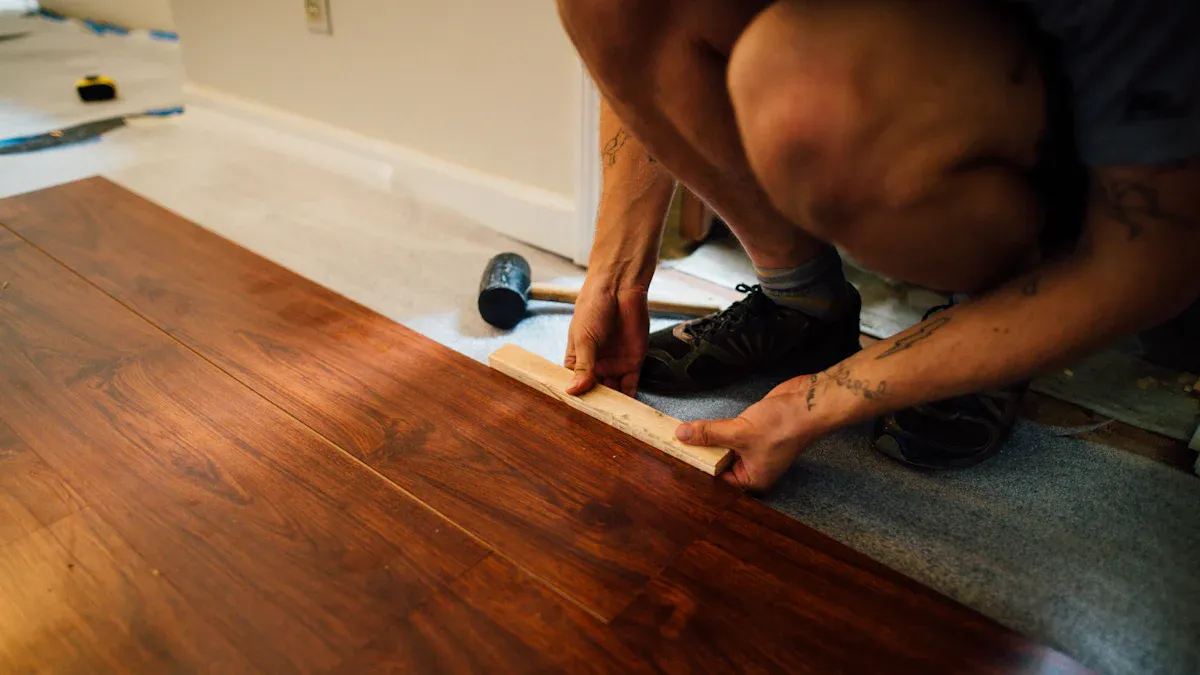
You can give your vinyl floors a fresh look without buying new ones. Many homeowners choose luxury vinyl tile because it lasts and looks great. You may notice dull spots or small scratches on your luxury vinyl tile over time. Simple cleaning and easy repairs help restore your floor’s shine. Learning how to refurbish vinyl flooring saves you money and keeps your luxury vinyl tile looking new.
Tip: Regular care makes your luxury vinyl tile stay beautiful for years.
Why Does Vinyl Flooring Become Dull?
Causes of Dull Vinyl Flooring
You may notice that your vinyl floor loses its shine after some time. Many factors can cause dull vinyl flooring. When you clean your floor, leftover cleaning solution can leave a sticky film. This residue makes the surface look cloudy. Dirt and grit from shoes or pets can scratch the floor. These tiny scratches scatter light and reduce the shine. Using harsh cleaners can strip away the protective layer. Without this layer, your floor looks flat and lifeless. If you do not clean your floor often, dirt builds up and dulls the finish. Over the years, the wear layer on your vinyl floor can become thin. This change makes it hard for the floor to reflect light.
- Residue from cleaning products can build up and make the floor look dull.
- Dirt and grit cause micro-scratches that reduce shine.
- Harsh cleaners damage the protective layer.
- Skipping regular cleaning lets dirt collect and dull the surface.
- The wear layer can erode over time, making the floor less shiny.
Note: Always use a pH-neutral cleaner and rinse well to avoid residue.
Everyday Wear and Tear
Daily life can take a toll on your vinyl flooring. Dragging heavy furniture across the floor can leave scratches or even tears. Pets with long nails may scratch the surface. Dirt and grit from outside can act like sandpaper. If you sweep or vacuum often, you remove these particles before they cause damage. Using a damp mop with a gentle cleaner once a week helps keep the finish bright. Simple habits protect your floor from becoming dull vinyl flooring.
- Avoid dragging heavy objects to prevent scratches.
- Trim your pet’s nails to reduce the risk of marks.
- Sweep or vacuum regularly to remove dirt and grit.
- Mop weekly with a pH-neutral cleaner to maintain shine.
If you follow these steps, you can slow down the process that leads to dull vinyl flooring. Your floor will stay bright and attractive for much longer.
How to Refurbish Vinyl Flooring: Deep Cleaning Steps
Sweeping and Vacuuming for Best Results
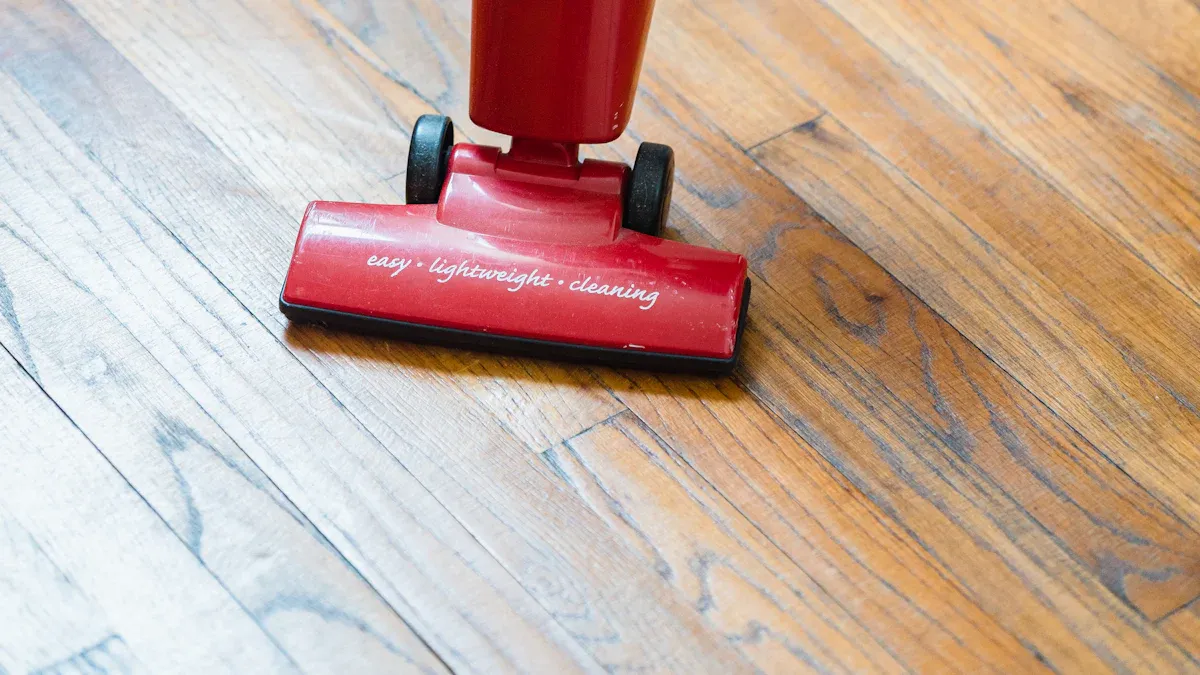
You want your vinyl floors to look fresh and clean. The first step in how to refurbish vinyl flooring is to remove dust and debris. Use a soft-bristle broom or a microfiber dust mop. These tools pick up dirt without scratching the surface. Sweep in one direction to gather dust into a pile. You can use a vacuum with a hard floor setting for deeper cleaning. Make sure the vacuum does not have a beater bar, or turn it off if possible. This prevents damage to the floor.
Many people clean their floors biweekly. If you have pets or children, you may need to sweep or vacuum more often. The Shark Navigator Lift-Away and Dyson V15 Detect are two vacuum models that work well for vinyl floors. These vacuums offer adjustable suction and special tools for hard floors. You can use them to reach corners and edges where dust collects.
Tip: Sweep or vacuum at least once a week to keep your floor looking new.
Effective sweeping techniques:
- Use a soft-bristle broom or microfiber dust mop.
- Vacuum with a hard floor vacuum at least once a week.
You can also use a dry mop or clean, soft microfiber towels to catch fine dust. Regular cleaning helps prevent scratches and keeps your floor shiny.
Removing Stubborn Residue and Stains
Sometimes, regular cleaning does not remove all stains. You may see sticky spots or marks that need extra care. The next step in how to refurbish vinyl flooring is to tackle these stubborn stains. Start by using a mild cleaning solution. Mix water with a pH-neutral cleaner like Forbo Monel. This cleaning solution dissolves stains and leaves a protective film on the floor.
If you find tough stains, you can use special products. For heel marks, try isopropyl alcohol. For rust stains, oxalic acid works well. Bleach mixed with water removes fruit juice stains. Always check the label before using any chemical. Vinegar and baking soda are safe options for most stains. Apply the cleaning solution with a soft cloth and rub gently.
| Solution | Description |
|---|---|
| Forbo Monel | A pH-neutral cleaning agent that dissolves stains without damaging vinyl, leaving a protective film. |
| Oxalic Acid | Effective for stubborn rust stains; check labels for purity. |
| Isopropyl Alcohol | A mild solvent ideal for heel marks and other tough stains; flammable, handle with care. |
| Bleach | Works on stains from liquids like fruit juices; mix with water and apply with a rag. |
You should deep clean your floor after heavy foot traffic, spills, or before and after special events. Use a wet mop and a medium-sized bucket for rinsing. Water-based finishes made for vinyl floors, such as Bona or Black Diamond, help restore shine after cleaning.
Note: Avoid using harsh chemicals or abrasive pads. These can damage the protective layer and make your floor look dull.
Common mistakes to avoid when you refurbish vinyl flooring include skipping the acclimation process and ignoring subfloor preparation. Always plan your cleaning steps and use the right products. This keeps your floor strong and beautiful.
If you follow these steps, you will know how to refurbish vinyl flooring and keep it looking its best. Regular cleaning and careful stain removal protect your investment and make your home feel fresh.
Fixing Minor Damage on Vinyl Floors
Repairing Small Scratches and Scuffs
Small scratches and scuffs can make your floor look worn, but you can fix them with the right tools and steps. Start by cleaning the area with warm water and mild soap. Dry the spot completely before you begin repairs. Use a scratch remover like Bona Scratch Remover for Vinyl or Rejuvenate Vinyl Floor Restorer. These products help blend scratches into the rest of the floor.
Here are the basic steps you should follow:
- Clean the area that needs repair and dry it thoroughly.
- Apply the scratch remover or concealer to the damaged spot.
- Use a soft cloth to remove any extra product.
- Gently buff the area in small circles until the scratch blends in.
- Let the area dry before walking on it.
For deeper scratches, you may need a filler compound. Apply the filler with a putty knife, smooth it out, and let it cure. After it dries, lightly sand the area and seal it with a clear finish.
| Tool/Product | Purpose |
|---|---|
| Buffing Pad | Gently polish and blend scratched area |
| Filler Compound | Fill in deep gouges |
| Clear Sealant | Protect and finish the surface |
Tip: Always test repair products on a hidden area first to check for color match.
Handling Tears and Gouges
Tears and gouges need a different approach. You will need a vinyl repair kit, adhesive, seam sealer, a utility knife, and a putty knife. Begin by cleaning the damaged area to remove dirt and dust. Cut away any loose or jagged edges with a utility knife. Apply vinyl seam sealer into the gouge and let it dry completely. Buff the area gently to make it smooth. If you want to hide the repair, use a vinyl stain pen that matches your floor.
Materials you may need:
- Vinyl repair kit
- Adhesive
- Seam sealer
- Utility knife
- Putty knife
Follow these steps for best results:
- Clean the area to remove dirt and debris.
- Trim away any loose pieces around the tear or gouge.
- Apply seam sealer and let it dry.
- Buff the area so it is smooth.
- Use a stain pen if needed to match the color.
You can keep your vinyl floors looking great by repairing small damage as soon as you notice it. Quick action prevents bigger problems and helps your floor last longer.
Restoring Shine to Dull Vinyl Flooring
Choosing and Applying a Vinyl Floor Restorer
You can restore shine to dull vinyl flooring by choosing the right floor restorer. Many high-shine cleaning solutions use polymers or acrylics. These ingredients form a strong film on your floor. This film helps protect against scratches and scuffs. You should always check the label to make sure the product works for your type of vinyl floors.
High-shine cleaning solutions contain polymers or acrylics that form a durable film on well-prepped flooring, enhancing resistance to wear, scratches, and scuffs.
Before you restore shine, make sure your floor is clean and dry. Follow these steps to get the best results:
- Use a high-quality, high-gloss polish made for vinyl floors.
- Clean and dry the floor before you start.
- Apply the polish evenly with a mop or applicator pad.
- Let the floor dry completely before walking on it.
- For the best shine, apply several thin layers instead of one thick layer.
You can use this method to restore lvt flooring in most homes. If your floor has only minor wear, a simple cut and polish works well. For heavy damage, you may need to strip and seal the floor. The table below helps you choose the right method:
| Criteria | Cut & Polish | Strip & Seal |
|---|---|---|
| Floor Condition | Suitable for minor wear and tear | Necessary for heavily damaged floors |
| Location | Ideal for residential or low-traffic | Best for commercial or high-traffic areas |
| Budget | More budget-friendly | Higher upfront costs due to labor |
| Maintenance | Requires frequent touch-ups | Provides longer-lasting protection |
DIY Methods for Bringing Back Shine
You can restore shine to dull vinyl flooring with simple DIY methods. Try mixing a few drops of baby oil into a gallon of warm water. Mop the floor with this solution to restore shine. Another way to restore lvt flooring is to use a mixture of vinegar and water. Vinegar helps remove residue that makes your floor look dull. After mopping, dry the floor with a clean towel to prevent streaks.
Baking soda also helps restore shine. Sprinkle a small amount on a damp sponge and gently rub dull spots. Rinse the area with water and dry it well. You can repeat these steps every month to keep your floor looking bright.
Tip: Always avoid wax or oil-based products unless the manufacturer recommends them. These can leave a sticky film and make dull vinyl flooring worse.
You can restore shine to your floors by using these easy methods. Regular care and the right products help you restore the look of your vinyl floors without replacement.
Maintenance Tips to Keep Vinyl Flooring Looking New
Regular Cleaning Habits
You can keep your vinyl floors looking fresh with regular cleaning. Daily sweeping or dusting removes dirt before it scratches the surface. Use a soft-bristle broom or a vacuum designed for hard floors. Microfiber mops trap dust and pet hair without causing damage. Try a no-shoes policy indoors to reduce grit and dirt. Wipe up spills as soon as they happen to prevent stains. A damp mop with a gentle, pH-neutral cleaner works well for weekly cleaning. Avoid soaking the floor with water, which can damage seams. Place entrance mats at doors to catch debris before it reaches your vinyl flooring.
Here are some vinyl care tips for your routine:
- Sweep or dry mop daily.
- Use microfiber mops for gentle cleaning.
- Avoid steam mops and abrasive cleaners.
- Stick to manufacturer-approved cleaning products.
- Clean spills immediately.
- Place mats at entrances and exits.
- Use felt pads under furniture legs.
Tip: Regular maintenance and cleaning help restore the shine and extend the life of your vinyl floors.
Preventing Future Dullness and Damage
You can prevent dullness and damage by following smart habits. Protect your floors with furniture pads and avoid dragging heavy items. Keep pet nails trimmed to reduce scuff marks. Use area rugs in high-traffic spots to preserve shine. Install curtains or blinds to block direct sunlight and prevent fading. Test new cleaning products on a small area first. Avoid harsh chemicals like bleach or ammonia. Move furniture and rugs occasionally to ensure even wear.
The table below shows simple ways to restore and protect your vinyl flooring:
| Preventive Measure | Description |
|---|---|
| Use Doormats | Trap dirt and moisture at entryways. |
| Sweep or Vacuum Daily | Prevent scratches and dullness. |
| Mop Weekly | Maintain shine with a damp mop and mild cleaner. |
| Use Furniture Pads | Prevent scratches and dents from heavy furniture. |
| Install Window Treatments | Reduce sun exposure and fading. |
| Handle Spills Immediately | Prevent stains and water damage. |
| Regular Inspections | Spot damage early and restore the floor quickly. |
You can restore your vinyl floors and keep them looking new by following these habits. Consistent care makes a big difference in the appearance and durability of your flooring.
You do not need to replace your vinyl flooring to make it look great again. Deep cleaning, minor repairs, and shine restoration work well for most types of vinyl floors. Common challenges include:
- Bubbling
- Scratching
- Indentation
- Dents
- Fading
Buffing restores shine, while VCT needs regular waxing and stripping for best results. Experts recommend:
- Reseal LVT every few years.
- Wipe spills quickly.
- Sweep or vacuum often.
Renewing your floor also helps the environment by reducing waste and saving energy. Keep up with simple care to enjoy beautiful vinyl floors for years.
FAQ
Can you use a steam mop on vinyl flooring?
You should not use a steam mop on vinyl flooring. High heat and moisture can damage the adhesive and cause the floor to warp or peel. Use a damp mop with a gentle cleaner instead.
How often should you reseal luxury vinyl tile?
You should reseal luxury vinyl tile every two to three years. Resealing protects the surface and keeps the shine. Check with your flooring manufacturer for specific recommendations.
What is the best way to remove scuff marks from vinyl floors?
Try rubbing scuff marks with a soft cloth and a small amount of isopropyl alcohol. You can also use a pencil eraser for light marks. Always test on a hidden spot first.
Can you repair deep gouges in vinyl flooring yourself?
You can fix deep gouges with a vinyl repair kit. Clean the area, apply the filler, and smooth it out. Use a stain pen to match the color. For large damage, call a professional.
Do you need special products to clean vinyl flooring?
You do not need special products. Use a pH-neutral cleaner and a soft mop. Avoid harsh chemicals, wax, and abrasive pads. These can damage the protective layer and dull the finish.




