
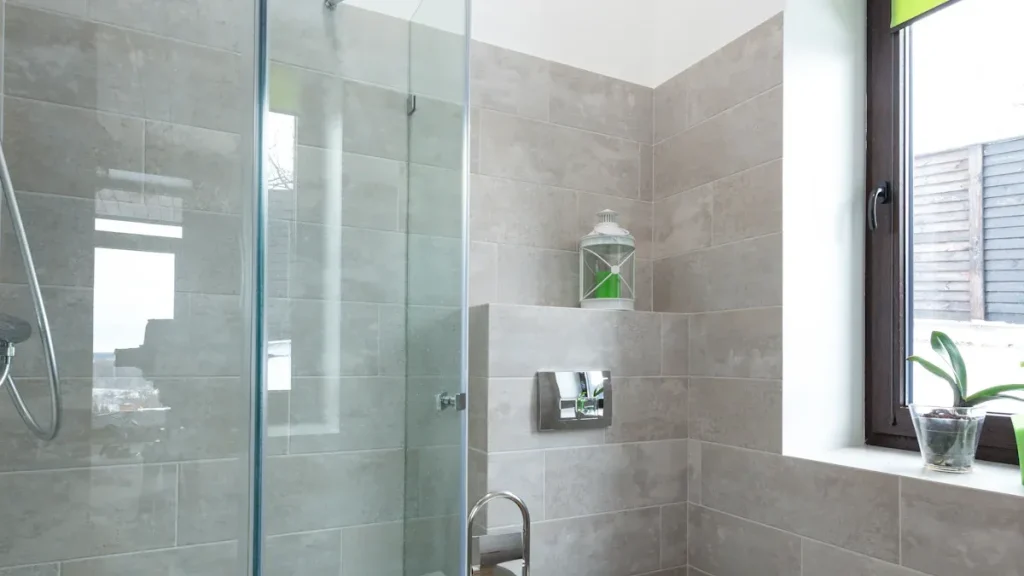
When you’re choosing bathroom flooring, you want something that can handle water, humidity, and daily wear. SPC flooring checks all those boxes. Its waterproof design keeps it from warping or swelling, even in steamy conditions. Plus, it’s tough enough to resist scratches and impacts, making it perfect for busy bathrooms. Cleaning? A quick wipe does the trick.
Key Takeaways
- SPC flooring is fully waterproof, so it works great in bathrooms with spills and moisture.
- It is strong and doesn’t scratch or dent easily, staying nice even in busy areas.
- SPC flooring is easy to care for; just mop it quickly to keep it clean and neat.
Why SPC Flooring Is Ideal Bathroom Flooring
Waterproof Properties of SPC Flooring
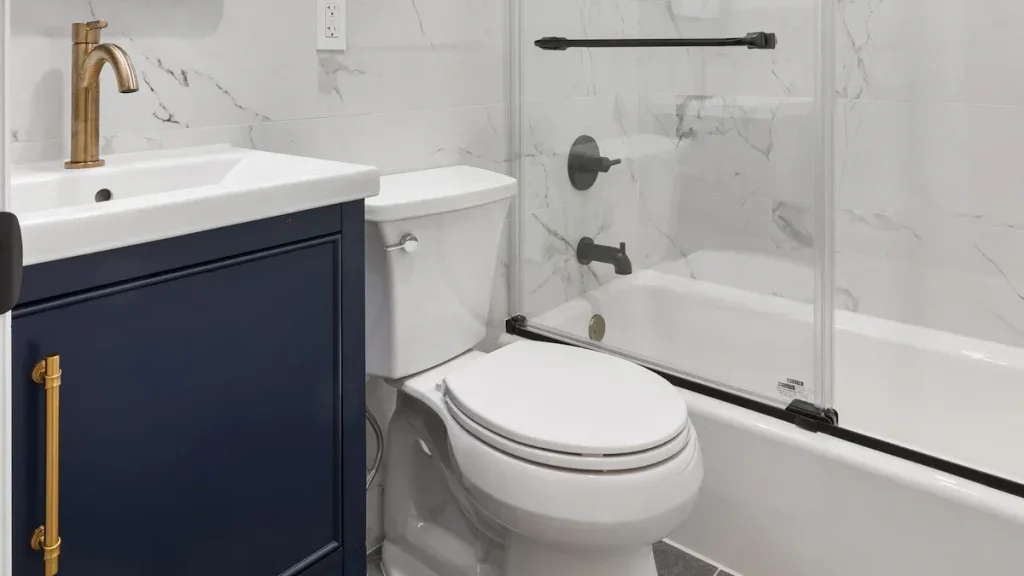
When it comes to waterproof flooring, SPC flooring stands out as a top choice. Its core layer is designed to block water completely, making it ideal for bathrooms where spills and splashes are common. Unlike traditional wood or laminate flooring, SPC flooring doesn’t warp or swell when exposed to moisture. It’s completely waterproof, so you don’t have to worry about water damage. This feature ensures long-lasting protection against moisture, even in the most humid environments.
SPC flooring also meets international standards like EN14372 and EN649-2011, proving its water resistance. Whether it’s a steamy shower or an accidental spill, this flooring handles it all with ease.
Durability in High-Moisture Areas
Bathrooms are high-traffic areas, and you need flooring that can handle daily wear and tear. SPC flooring is incredibly durable, thanks to its blend of stone and plastic. It resists scratches, dents, and impacts, making it perfect for busy households. The wear layer adds extra protection, ensuring the flooring maintains its appearance over time.
This durability and longevity make SPC flooring a smart investment. It’s not just tough—it’s also stylish, offering a luxurious look without the high maintenance of other materials.
Resistance to Mold and Mildew
Moisture can lead to mold and mildew, but SPC flooring provides excellent protection. Its waterproof nature prevents water from seeping into the material, reducing the risk of mold growth. This feature promotes a healthier indoor environment, especially in bathrooms where moisture levels are high.
Unlike porous materials, SPC flooring doesn’t trap moisture, making it a hygienic choice. You’ll enjoy peace of mind knowing your bathroom is free from harmful mold and mildew.
Low Maintenance and Easy Cleaning
Keeping your bathroom clean shouldn’t be a hassle. SPC flooring makes it simple. A quick sweep or mop is all it takes to maintain its shine. You don’t need harsh chemicals or special treatments—just a damp mop and mild detergent will do the trick.
This low-maintenance flooring doesn’t require sanding, sealing, or other time-consuming upkeep. Its stain resistance ensures that spills don’t leave lasting marks, saving you time and effort. For busy households, SPC flooring is a practical and convenient option.
Practical Considerations When You Use SPC Flooring in Bathrooms
Installation Process for SPC Flooring
Installing SPC flooring in your bathroom is straightforward, even if you’re not a professional. The process starts with preparing the subfloor. Make sure it’s clean, flat, and dry to ensure the planks lay evenly. Once that’s done, let the unopened boxes of SPC flooring acclimate in the room for about 48 hours. This step helps the material adjust to the room’s temperature and humidity.
When you’re ready to install, begin in the left corner of the room and work your way to the right. The click-lock system makes it easy to secure each plank without needing nails or glue. Simply angle the long side of the plank into the previous row and click it into place. If you want extra security, you can use adhesive, but it’s not always necessary. This simple process saves time and effort, making SPC flooring a great DIY option.
Cost-Effectiveness of SPC Flooring
SPC flooring is a budget-friendly choice for bathroom renovations. Compared to ceramic tiles, it’s more affordable upfront and easier to install, which reduces labor costs. The click-lock system eliminates the need for expensive tools or professional help. Over time, its durability and waterproof properties provide excellent value. You won’t have to worry about water damage or frequent replacements, which saves money in the long run.
Here’s a quick comparison:
| Feature | SPC Flooring | Ceramic Tile |
|---|---|---|
| Installation Cost | Lower due to click-lock | Higher due to mortar and grout |
| Maintenance | Minimal effort required | Requires regular grout cleaning |
| Price | More affordable overall | Higher upfront cost |
With SPC flooring, you get a stylish, durable, and cost-effective solution for your bathroom.
Compatibility with Bathroom Fixtures and Subfloors
SPC flooring works well with most bathroom fixtures and subfloors. Its rigid core resists water and prevents warping, even in high-moisture areas. This makes it compatible with toilets, sinks, and bathtubs, where water exposure is common. The textured surface also provides good slip resistance, enhancing safety in wet conditions.
You can install SPC flooring over various subfloors, including concrete, plywood, or even existing tiles. Its design minimizes seams, reducing the risk of water damage and mold growth. This versatility makes it a practical choice for any bathroom renovation.
Comparing SPC Flooring to Other Waterproof Flooring Options
SPC Flooring vs. Vinyl Flooring
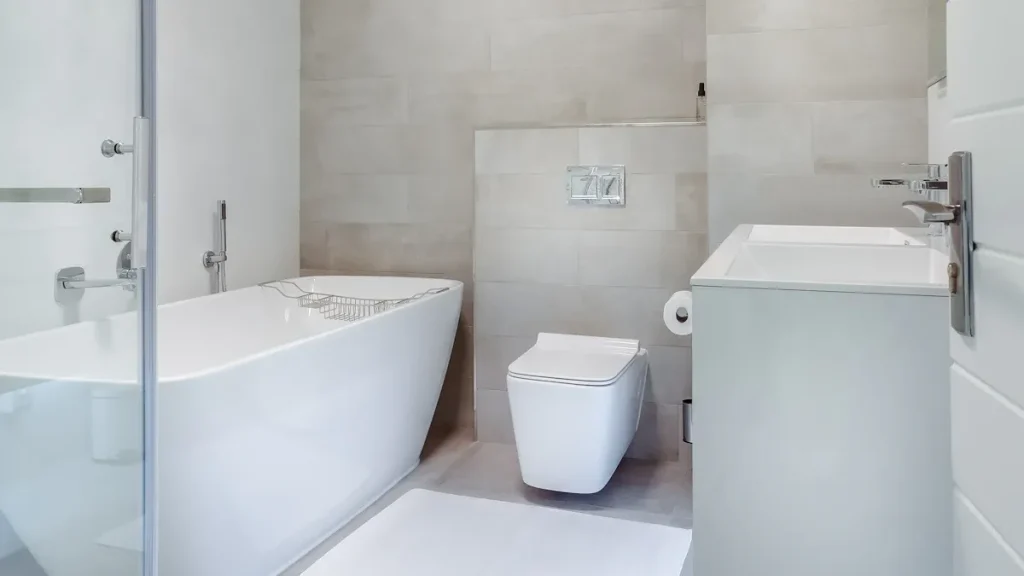
You might wonder how SPC flooring stacks up against vinyl flooring. Both are waterproof, but SPC flooring takes durability to the next level. Its rigid core makes it tougher and more resistant to dents and scratches. Vinyl flooring, while durable, doesn’t match SPC’s ability to handle heavy foot traffic or furniture.
When it comes to lifespan, SPC flooring outshines vinyl. It can last over 20 years, while vinyl typically lasts 10 to 15 years. If you’re looking for flooring that can handle moisture, spills, and daily wear, SPC flooring is the better choice. Plus, its robust wear layer ensures it stays looking great for years.
| Flooring Type | Average Lifespan |
|---|---|
| SPC Flooring | 20+ years |
| Vinyl Flooring | 10-15 years |
SPC Flooring vs. Ceramic Tiles
Ceramic tiles are a classic bathroom choice, but SPC flooring offers some clear advantages. Both are 100% waterproof, but SPC flooring is much easier to install. You don’t need grout or mortar, which saves time and money. Ceramic tiles, on the other hand, require professional installation, adding to the cost.
SPC flooring is also more affordable overall. While ceramic tiles can be pricey, SPC gives you a stylish and durable option without breaking the bank. If you want a cost-effective and hassle-free solution, SPC flooring is hard to beat.
| Feature | SPC Flooring | Ceramic Tile |
|---|---|---|
| Water Resistance | 100% Waterproof | 100% Waterproof |
| Installation | Easy and low cost | Higher cost and effort |
| Cost | Cheaper price | Relatively high |
SPC Flooring vs. Laminate Flooring
Laminate flooring might seem like a good option, but it falls short in moisture-prone areas like bathrooms. Unlike SPC flooring, laminate can swell and warp when exposed to water. SPC flooring is 100% waterproof, making it the better choice for bathrooms, kitchens, and basements.
Durability is another area where SPC flooring shines. It doesn’t just resist water—it also handles heavy use without showing wear. Laminate flooring, while budget-friendly, doesn’t offer the same level of performance. If you want the best spc flooring for your bathroom, it’s clear which option stands out.
- SPC flooring is completely waterproof, while laminate is not.
- Laminate can swell and warp in wet conditions, but SPC remains unaffected.
- SPC flooring is more durable, making it ideal for high-traffic and moisture-prone areas.
SPC flooring is a fantastic choice for bathroom flooring. Its 100% waterproof design protects against spills and standing water. You’ll love its durability, as it resists scratches and dents even in high-traffic areas. Plus, cleaning is a breeze—just a quick mop keeps it looking fresh.
Here’s why it stands out:
| Benefit | Description |
|---|---|
| Water Resistance | Handles spills and moisture without damage. |
| Durability | Rigid core resists scratches, dents, and fading. |
| Low Maintenance | Easy to clean with a damp mop, no special treatments needed. |
| Slip Resistance | Textured surface enhances safety in wet conditions. |
If you’re looking for a stylish, cost-effective, and practical solution, SPC flooring is the way to go. It’s a smart investment for any bathroom renovation.
FAQ
What makes SPC flooring better than traditional bathroom flooring?
SPC flooring is 100% waterproof, durable, and easy to clean. It resists mold, mildew, and scratches, making it a superior choice for bathrooms.
Can you install SPC flooring over existing tiles?
Yes, you can install SPC flooring over tiles. Its rigid core and click-lock system make it compatible with most subfloors, including tiled surfaces.
Is SPC flooring safe for wet bathroom conditions?
Absolutely! SPC flooring has a textured surface that provides slip resistance, ensuring safety even in wet conditions. It’s perfect for bathrooms and other moisture-prone areas.




