
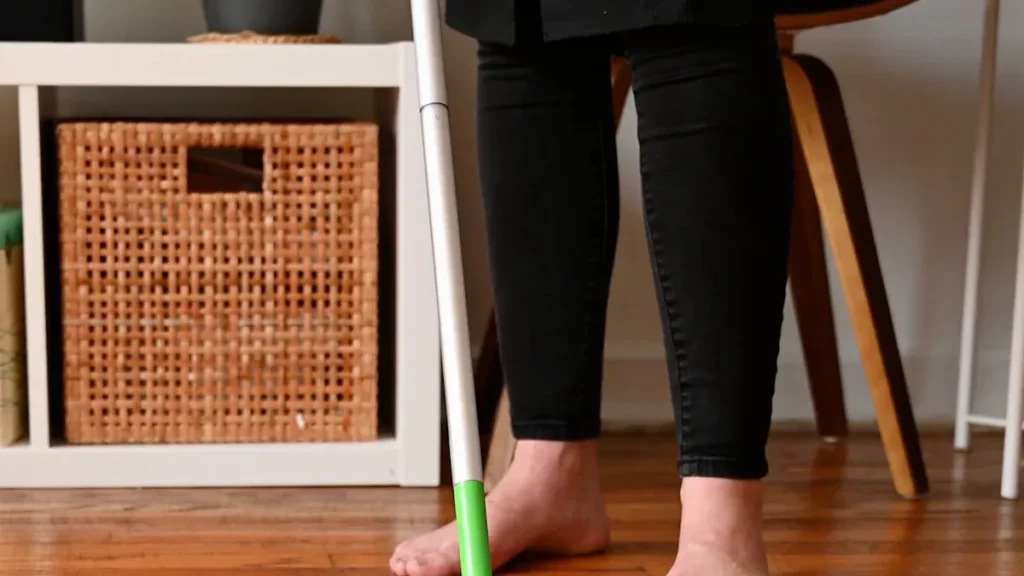
Keeping your clean manufactured wood flooring clean doesn’t just make it look great—it also helps it last longer. Improper cleaning can lead to issues like moisture damage, gaps, or even a dull haze on the surface. Using the right methods protects your clean manufactured wood floors from scratches, splinters, and permanent finish damage.
Key Takeaways
- Use a soft broom or microfiber mop to clean dirt often. This stops scratches and keeps the floors looking nice.
- Pick gentle cleaners made for engineered wood floors. Stay away from strong chemicals like bleach or ammonia to avoid damage or fading.
- Clean regularly. Sweep or vacuum every day in busy spots. Mop once a week to keep floors shiny and lasting longer.
Tools and Materials to Clean Manufactured Wood
Essential Cleaning Supplies for Engineered Wood Floors
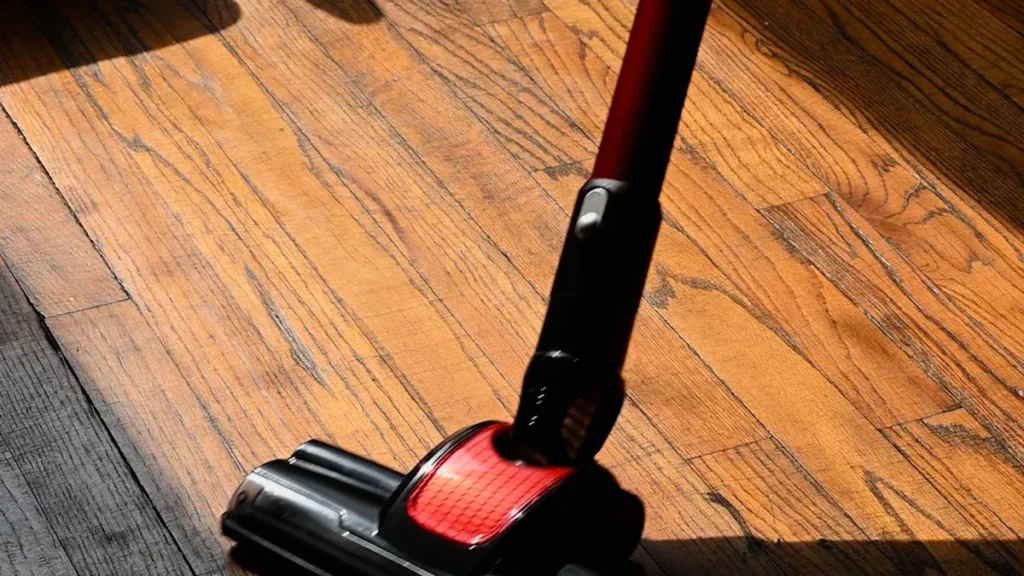
To keep your engineered wood flooring in top shape, you’ll need a few basic cleaning supplies. Start with a soft-bristle broom or a microfiber dust mop. These tools are gentle on the surface and effectively remove dirt and debris without scratching. A vacuum cleaner with a hardwood floor setting is also a great option for picking up dust in hard-to-reach areas.
For deeper cleaning, use a specialized engineered wood floor cleaner. These cleaners are designed to protect the finish while removing grime. Always have a few microfiber cloths on hand for spot cleaning and drying spills quickly. They’re soft, absorbent, and won’t leave streaks behind.
Recommended Products to Clean Engineered Hardwood
When it comes to cleaning engineered wood floors, choosing the right products is crucial. Look for pH-neutral cleaners specifically formulated for wood flooring. These products clean effectively without damaging the finish. Avoid harsh chemicals like bleach or ammonia, as they can strip the protective layer and cause discoloration.
Some recommended products to clean engineered hardwood include Bona Hardwood Floor Cleaner and Simple Green Multi-Surface Floor Care. Both are gentle yet effective, leaving no residue behind. If you prefer a natural cleaner for engineered hardwood, consider a mix of water and a small amount of white vinegar. Just be sure to use it sparingly to avoid over-saturating the floor.
Tools to Avoid When Cleaning Engineered Wood Floors
Certain tools can harm your engineered wood flooring, so it’s best to steer clear of them. Steam mops, for instance, can cause moisture to seep into the wood, leading to swelling and warping. Abrasive tools like steel wool or scouring pads can scratch the surface and remove the protective coating.
Harsh chemical cleaners, including those with bleach or ammonia, should also be avoided. They can dull the finish and even cause discoloration over time. Stick to gentle tools and products to keep your floors looking their best.
How to Clean Engineered Hardwood Floors
Sweeping and Dusting Techniques
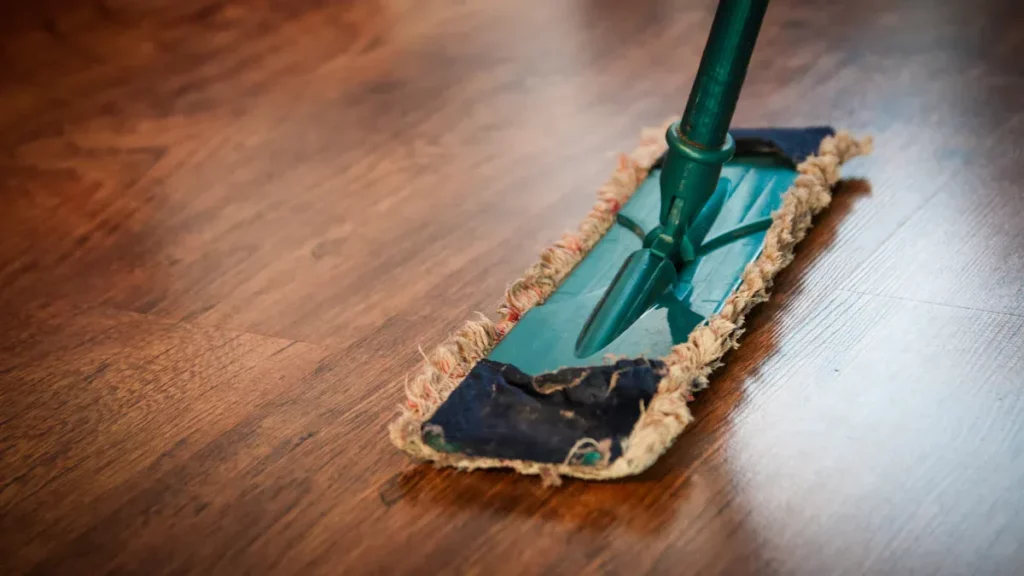
Keeping your engineered wood flooring free of dirt and debris is the first step to maintaining its beauty. Regular sweeping or vacuuming is essential, especially in high-traffic areas. Use a soft-bristle broom or a microfiber dust mop to gently remove dust without scratching the surface. For those hard-to-reach spots, like under furniture or along baseboards, a vacuum with a soft-bristle brush attachment works wonders.
Here’s a quick routine to follow:
- Sweep or vacuum daily in busy areas to prevent dirt buildup.
- Pay extra attention to corners and edges where dust tends to collect.
- For a deeper clean, lightly mop with a damp microfiber cloth and a suitable cleaner. Avoid soaking the floor to protect the wood.
Tip: Adjust your cleaning frequency based on how much foot traffic your floors get. High-traffic zones may need daily attention, while less-used areas can be cleaned weekly.
Vacuuming Without Scratching the Surface
Vacuuming is a great way to clean engineered hardwood floors, but you need to be cautious. Always use a vacuum designed for hardwood floors. These vacuums typically have a soft-bristle brush attachment that won’t damage the finish. Avoid vacuums with rotating brushes or beater bars, as they can leave scratches.
When vacuuming:
- Set your vacuum to the hardwood floor setting.
- Move the vacuum gently across the surface to pick up dirt and dust.
- Focus on areas where dirt tends to accumulate, like entryways or under rugs.
Note: If your vacuum doesn’t have a hardwood setting, stick to sweeping or dusting to avoid accidental damage.
Mopping with Minimal Water for Engineered Wood
Engineered wood flooring doesn’t handle excess moisture well, so mopping requires extra care. Use a microfiber mop and a small amount of water mixed with a pH-neutral cleaner. Wring out the mop thoroughly before using it to ensure it’s just damp, not wet.
Steps for safe mopping:
- Sweep or vacuum the floor first to remove loose dirt.
- Lightly mop the surface, working in small sections.
- Dry the floor immediately with a clean microfiber cloth to prevent water from seeping into the wood.
Pro Tip: Avoid steam mops or overly wet mops. They can cause the layers of your engineered wood flooring to warp or swell.
Polishing to Restore Shine
Over time, your floors might lose their shine. Polishing can help restore their luster and keep them looking new. Use a polish specifically designed for engineered wood floors. These products are formulated to enhance the finish without causing damage.
To polish your floors:
- Clean the surface thoroughly by sweeping or vacuuming.
- Apply the polish evenly using a microfiber cloth or mop.
- Let it dry completely before walking on the floor.
Reminder: Always test the polish on a small, inconspicuous area first to ensure it’s compatible with your flooring.
Common Mistakes to Avoid When Cleaning Engineered Wood Floors
Using Excessive Water or Oversaturated Mops
Water is one of the biggest enemies of engineered wood flooring. Using too much water or an overly wet mop can cause the layers of your flooring to warp or delaminate. Always wring out your mop thoroughly before using it. A damp mop, not a wet one, is all you need. Avoid wet-mopping with water entirely if you can. Instead, stick to a microfiber mop paired with a pH-neutral cleaner. This method keeps your floors clean without risking water damage.
Tip: Wipe spills immediately to prevent moisture from seeping into the wood and causing hard-to-remove stains.
Applying Harsh or Non-pH-Neutral Chemicals
Harsh chemicals like bleach or ammonia might seem effective, but they can damage the finish of your floors. These products strip away the protective coating, leaving the surface dull and prone to discoloration. Stick to pH-neutral cleaners specifically designed for engineered wood flooring. They’re gentle yet effective, ensuring your floors stay beautiful and protected.
Delaying Prompt Spill Cleanup
Spills happen, but delaying their cleanup can lead to stains or even permanent damage. Liquids can seep into the seams of your flooring, causing swelling or discoloration. Prompt spill cleanup is essential. Keep a microfiber cloth handy to tackle spills as soon as they occur. Quick action prevents stains and keeps your floors looking their best.
Skipping Regular Cleaning and Maintenance
Neglecting regular cleaning and maintenance can lead to long-term issues. Dirt and debris act like sandpaper, scratching the surface of your floors over time. Allergens and bacteria can also build up, posing health risks. To avoid these problems, sweep or vacuum at least three times a week and mop weekly. Consistent maintenance not only preserves the appearance of your floors but also extends their lifespan.
Reminder: Preventative measures like using rugs and mats can reduce the amount of dirt and debris that reaches your floors, making maintenance easier.
Tips for Maintaining Clean Engineered Wood Floors
Use Rugs, Mats, and Furniture Pads
Protecting your clean manufactured wood floors starts with prevention. Rugs and mats are your best friends when it comes to keeping dirt and debris off the surface. Place them in high-traffic areas like entryways and hallways to catch dirt before it reaches your floors. Furniture pads are another must-have. They prevent scratches by creating a buffer between heavy furniture and your engineered wood flooring.
Tip: Choose rugs with non-slip backings to avoid accidental slips and ensure they don’t trap moisture underneath, which could harm the wood.
Protect Floors from Sunlight Exposure
Sunlight can be surprisingly harsh on engineered wood flooring. Over time, UV rays can cause fading and discoloration, especially in areas exposed to direct sunlight. Different wood types react differently, but all can suffer damage without proper care.
Here’s how you can protect your floors:
- Use curtains or blinds to block sunlight during peak hours.
- Rearrange furniture occasionally to ensure even exposure.
- Apply UV-protective finishes to shield the surface.
Reminder: Preventing moisture and sunlight damage is key to maintaining the beauty of your floors for years.
Establish a Consistent Cleaning Routine
A regular cleaning schedule is essential for keeping your floors in top shape. Daily cleaning routines, like sweeping or vacuuming, help remove dirt and prevent scratches. Mop weekly with a damp microfiber mop and a pH-neutral cleaner to maintain the finish. Specialized products designed for engineered wood flooring enhance cleaning effectiveness while protecting the surface.
Pro Tip: Consistency is key. Regular cleaning prevents dirt buildup and keeps your floors looking their best.
Taking care of your engineered wood flooring doesn’t have to be complicated. Regular cleaning, gentle mopping, and prompt spill cleanup go a long way in keeping your floors looking their best. Don’t forget to schedule professional maintenance when needed. With consistent care, your floors will stay beautiful and durable for years.
Reminder: A little effort now saves you from costly repairs later. Treat your floors with care, and they’ll reward you with lasting elegance.
FAQ
How often should you clean engineered wood floors?
Clean your floors weekly to remove dirt and debris. High-traffic areas may need daily sweeping or vacuuming to prevent scratches and maintain their appearance.
Can you use vinegar to clean engineered wood floors?
Yes, but dilute it with water. Use it sparingly to avoid over-saturating the surface. A pH-neutral cleaner is a safer option for regular cleaning.
What’s the best way to handle scratches on engineered wood floors?
Use a wood repair kit or a color-matching marker to fix minor scratches. For deeper damage, consult a professional to restore the floor’s finish.




