
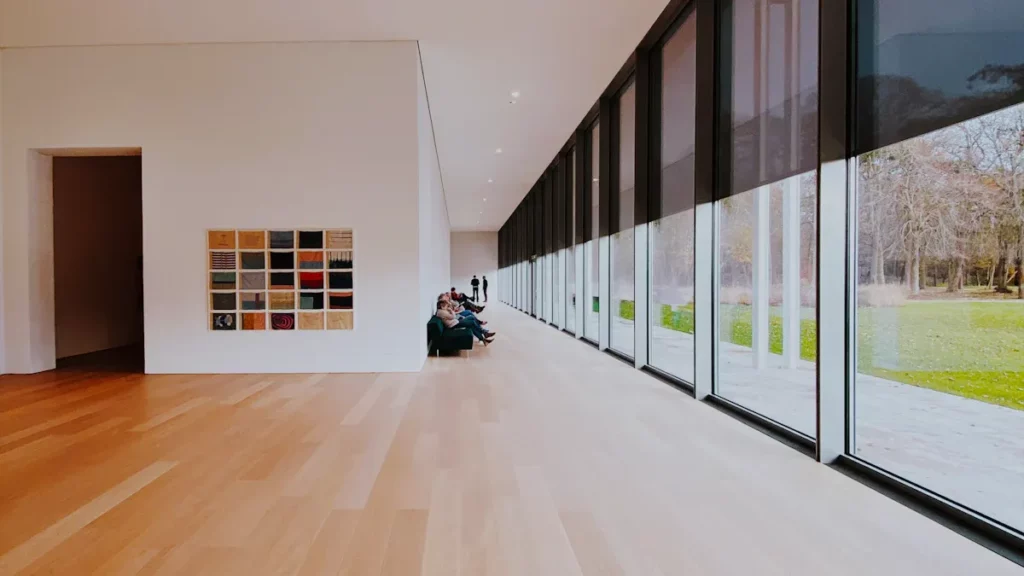
If you’re wondering what’s SPC flooring, it’s short for Stone Plastic Composite flooring. This type of rigid core vinyl flooring is making waves in homes and businesses alike. Why? Its unique composition combines a solid stone-plastic core with layers that offer durability, water resistance, and stunning designs.
SPC flooring is gaining popularity worldwide. In 2022, North America led the market with over 30% share, while Europe followed closely with 25%. The Asia Pacific region is the fastest-growing, with a projected CAGR of over 20%. Its ability to handle heavy foot traffic, resist moisture, and mimic natural materials like wood or stone makes it a favorite for both residential and commercial spaces.
Key Takeaways
- SPC flooring stands for Stone Plastic Composite flooring. It is strong and water-resistant, great for homes and businesses.
- It has many layers, including a stone-plastic core, a protective wear layer, and a top layer that looks like real wood or stone.
- SPC flooring is fully waterproof, so it works well in wet places like kitchens and bathrooms.
- You can install it easily using click-lock systems. This makes it simple for people to do it themselves and still get great results.
- Picking SPC flooring helps the environment because many types follow strict eco-friendly and safety rules.
What is SPC Flooring?
Definition and Overview
SPC flooring, or Stone Plastic Composite flooring, is a modern type of rigid core vinyl flooring. It combines advanced technology with practical design to create a durable and versatile option for homes and businesses. You might hear it referred to as stone polymer composite flooring, which highlights its unique core material. This flooring is known for its ability to mimic natural materials like wood or stone while offering superior performance.
What sets SPC flooring apart is its multi-layered construction. Each layer plays a specific role in ensuring durability, comfort, and style. Whether you’re looking for something that can handle heavy foot traffic or resist water damage, SPC flooring has you covered.
Composition and Layers
SPC flooring is made up of several layers, each contributing to its overall performance. Here’s a closer look at what makes up the lines of SPC flooring:
Core Layer: Stone Plastic Composite
The core layer is the heart of SPC flooring. It’s made from a mix of limestone powder, polyvinyl chloride (PVC), and stabilizers. This combination creates a dense, stable, and waterproof center. Thanks to this core, SPC flooring resists temperature changes and stays dimensionally stable.
Wear Layer: Scratch and Stain Protection
The wear layer is like a shield for your flooring. It protects against scratches, stains, and everyday wear and tear. Many SPC floors enhance this layer with aluminum oxide, making it even tougher.
Decorative Layer: Realistic Designs
This layer is where the magic happens. High-resolution prints replicate the look of natural materials like wood or stone. Whether you prefer a rustic oak finish or sleek marble, SPC flooring offers endless design possibilities.
Backing Layer: Stability and Comfort
The backing layer adds the finishing touch. It provides sound insulation, making your space quieter. It also resists mold and mildew, ensuring long-lasting performance. Plus, it adds a bit of cushioning for extra comfort underfoot.
| Layer | Contribution |
|---|---|
| Wear Layer | Provides protection against scratches and stains. |
| Design Layer | Offers aesthetic appearance, mimicking natural materials like wood or stone. |
| SPC Core | Delivers structural integrity through a stone plastic composite. |
| Backing Layer | Adds comfort and sound absorption, enhancing user experience. |
With its thoughtful construction, SPC flooring stands out as a reliable and stylish choice. Whether you’re exploring homecrest spc product lines or other options, you’ll find something that fits your needs.
Benefits of SPC Flooring
Durability and Longevity
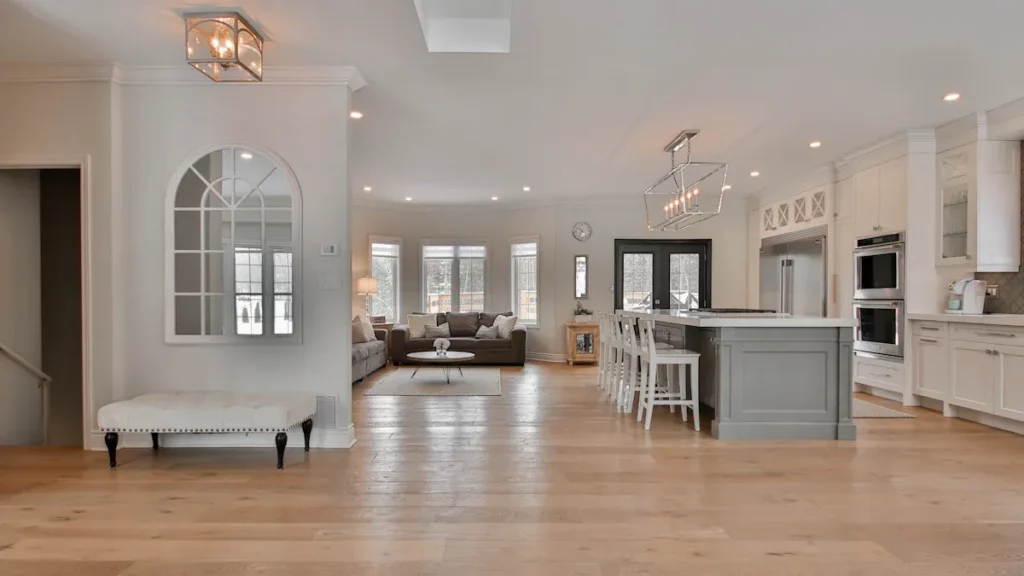
When it comes to durability, SPC flooring is in a league of its own. Its stone plastic composite core is built to handle heavy foot traffic, making it perfect for busy households or commercial spaces. You won’t have to worry about scratches from pet claws, office chair wheels, or even kids’ toys. The wear layer, often enhanced with PU protection, acts like armor, keeping your floor looking new for years.
Unlike traditional wood or laminate flooring, SPC flooring doesn’t expand or contract with temperature changes. This means no gaps, no buckling, and no headaches. Whether it’s a bustling office or a cozy living room, SPC flooring delivers incredible value by standing up to life’s daily challenges.
100% Water Resistance
One of the standout features of SPC flooring is its water resistance. It’s completely waterproof, making it a game-changer for areas like kitchens, bathrooms, and basements. You can spill, splash, or even flood it, and it won’t warp or swell like wood or laminate.
SPC flooring undergoes rigorous testing to meet global waterproofing standards. Its ability to resist water also helps prevent mold growth, which means a healthier home for you and your family. Whether you’re dealing with a leaky sink or a messy pet, this flooring has your back.
- Waterproof design ensures long-lasting performance in moisture-prone areas.
- Helps maintain a clean, mold-free environment.
- Perfect for spaces where spills are a daily occurrence.
Easy Maintenance
Keeping SPC flooring clean is a breeze. All you need is a broom or vacuum to remove dirt and dust. For deeper cleaning, a damp mop with mild detergent works wonders. Unlike hardwood, which needs sanding and refinishing, or tile, which requires grout scrubbing, SPC flooring saves you time and effort.
Here’s how you can keep your SPC flooring in top shape:
- Sweep or vacuum regularly to remove debris.
- Mop occasionally with a gentle cleaner.
- Use felt pads under furniture to avoid scratches.
- Place doormats at entrances to reduce dirt.
Its low-maintenance nature makes SPC flooring a practical choice for busy households. You’ll spend less time cleaning and more time enjoying your beautiful floors.
Comfort and Sound Insulation
When you walk across a floor, you want it to feel comfortable underfoot, right? SPC flooring delivers just that. Thanks to its dense core and backing layer, it provides a slight cushioning effect that feels great, especially if you’re standing for long periods. Whether you’re cooking in the kitchen or working in your home office, this flooring helps reduce fatigue.
But that’s not all. SPC flooring also excels at sound insulation. Its multi-layered construction absorbs noise, making your space quieter and more peaceful. This is especially useful in apartments or multi-story homes where sound can easily travel between floors. Imagine hosting a lively gathering in your living room without worrying about disturbing someone in the bedroom upstairs.
Tip: For even better soundproofing, look for SPC flooring with an attached underlayment. It adds an extra layer of noise reduction and comfort.
With SPC flooring, you get a combination of comfort and quiet that enhances your living experience.
Eco-Friendly and Safe Materials
If you’re concerned about the environment and indoor air quality, SPC flooring is a smart choice. Many options on the market meet strict environmental and safety standards. Look for certifications like FloorScore or Greenguard, which ensure the flooring is free from harmful chemicals and safe for indoor use.
SPC flooring also supports sustainable practices. Products certified under LEED-FS (Leadership in Energy and Environmental Design) or FSC (Forest Stewardship Council) demonstrate a commitment to eco-friendly manufacturing. These certifications mean you’re choosing a product that’s better for the planet and your home.
Note: Always check for these certifications when shopping for SPC flooring. They guarantee you’re getting a product that’s both safe and environmentally responsible.
By choosing SPC flooring, you’re not just investing in durability and style. You’re also making a choice that’s healthier for your family and kinder to the environment.
How to Install SPC Flooring
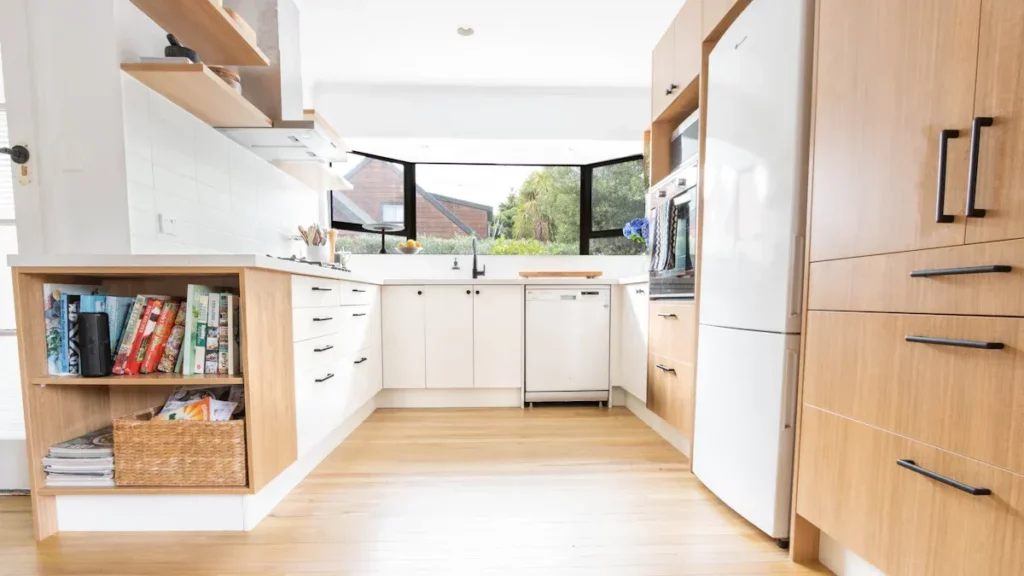
Installing SPC flooring is a straightforward process, even for beginners. With the right tools and preparation, you can achieve professional-looking results. Let’s dive into the methods and steps to get your new floor in place.
Installation Methods
Click-Lock System
The click-lock system is one of the easiest ways to install SPC flooring. It’s perfect for DIY enthusiasts because it doesn’t require glue or nails. You simply click the planks together. Start by placing the first plank in a corner with the slotted side facing the wall. Use spacers to maintain a 1/4-inch gap for expansion. Then, insert the tongue of the next plank into the groove at an angle and press down. A tapping block and mallet can help ensure a snug fit. This method is quick, clean, and ideal for floating floors.
Glue-Down Method
The glue-down method involves adhering the SPC flooring directly to the subfloor using a strong adhesive. This approach works well for high-traffic areas because it provides extra stability. Spread the adhesive evenly on the subfloor, then lay the planks one by one. Press them firmly into place to ensure a secure bond. While this method takes more time and effort, it offers long-lasting durability.
Tools and Preparation
Before you start, gather the essential tools:
- Measuring Tools: Tape measure, chalk, and pencil for accurate cuts.
- Cutting Tools: Utility knife or floor cutter for trimming planks.
- Installation Tools: Tapping block, rubber mallet, spacers, and pull bar for securing planks.
- Preparation Tools: Pry bar, vacuum cleaner, and moisture barrier to prep the subfloor.
Safety gear like knee pads and gloves will keep you comfortable during the process. Make sure the subfloor is clean, dry, and level. Acclimate the SPC planks to the room for at least 24 hours to prevent future issues.
Step-by-Step Installation Process
- Prepare the Room: Clear the space and ensure the subfloor is level, clean, and dry.
- Acclimate the Flooring: Let the SPC planks adjust to the room’s temperature and humidity for 24 hours.
- Plan the Layout: Measure the room and decide on the plank arrangement.
- Start Installing: Begin in a corner. Use the click-lock system or glue-down method, depending on your choice.
- Cut to Fit: Trim planks to fit around edges, corners, and obstacles.
- Finish Up: Remove spacers and install baseboards to cover expansion gaps.
By following these steps, you’ll enjoy the ease of installation and a flawless finish. Whether you’re tackling a small room or a large space, SPC flooring makes the process manageable and rewarding.
Tips for a Successful Installation
Installing SPC flooring can be a smooth process if you follow a few expert-recommended tips. Whether you’re a DIY enthusiast or a first-timer, these steps will help you achieve a professional finish.
- Prepare the subfloor: Start by ensuring the subfloor is clean, dry, and level. Remove any old flooring, debris, or adhesive residue. If the surface isn’t even, use a self-leveling compound to fix it. A smooth base is key to a flawless installation.
- Check moisture levels: Test the subfloor for moisture. If needed, apply a moisture barrier to prevent future issues like warping or mold. This step is especially important for areas like basements or kitchens.
- Control the environment: Keep the room temperature stable between 65°F and 85°F. Maintain indoor humidity levels between 35% and 55%. These conditions help the planks settle properly and prevent expansion or contraction later.
- Clear the space: Remove all furniture and obstacles from the installation area. This gives you a clean slate to work on and avoids unnecessary interruptions.
Once you’ve prepped the space, follow these steps for a seamless installation:
- Let the SPC planks acclimate to the room for at least 48 hours.
- Begin in a corner, placing the first plank with the tongue side facing out. Align it perpendicular to the longest wall.
- Click the second plank into the first. Use a tapping block and mallet to ensure a snug fit.
- Continue laying planks row by row. Stagger the seams by starting each new row with the leftover piece from the previous one.
- Leave a ¼-inch gap between the planks and the wall for expansion.
- Use a jigsaw or hole saw to cut planks around obstacles like pipes or vents.
- Finish by installing trim or molding to cover the expansion gaps and give your floor a polished look.
Pro Tip: Double-check the alignment of each plank as you go. Small adjustments early on can save you from big headaches later.
By following these tips, you’ll not only simplify the process but also ensure your SPC flooring looks stunning and lasts for years. Happy installing!
SPC Flooring vs. Other Flooring Types
SPC vs. LVP (Luxury Vinyl Plank)
Composition and Durability Differences
When comparing SPC flooring to luxury vinyl plank, the core material makes all the difference. SPC flooring has a rigid stone-plastic composite core, while LVP uses a flexible vinyl core. This gives SPC planks more thickness and rigidity, making them better at resisting impacts. On the other hand, LVP is softer and more flexible, which can feel more comfortable underfoot.
Here’s a quick breakdown of their differences:
| Feature | SPC Flooring | LVP Flooring |
|---|---|---|
| Core Material | Stone-plastic composite core (limestone, PVC) | Flexible vinyl core |
| Thickness and Rigidity | Thicker and more rigid, better impact resistance | Thinner and more flexible |
| Water Resistance | Highly water-resistant, suitable for damp areas | Water-resistant but less so than SPC |
| Sound Absorption | Better sound absorption due to dense core | May transmit more sound |
| Price | Generally more expensive due to durability | Often less expensive, budget-friendly |
Pros and Cons
Both SPC and LVP flooring have their strengths and weaknesses. Let’s break it down:
- SPC Flooring Advantages:
- Extremely durable, perfect for high-traffic areas.
- Completely waterproof, ideal for kitchens and bathrooms.
- Realistic designs that mimic natural materials.
- SPC Flooring Disadvantages:
- Less comfortable due to its rigid core.
- Higher cost compared to LVP.
- LVP Flooring Advantages:
- Softer and warmer underfoot, great for living spaces.
- Budget-friendly with plenty of design options.
- Reduces noise effectively.
- LVP Flooring Disadvantages:
- Less durable and prone to dents.
- Fades with prolonged sunlight exposure.
SPC vs. WPC (Wood Plastic Composite)
Core Material and Performance
SPC flooring and WPC flooring differ in their core materials. SPC uses a stone-infused composite, making it denser and more durable. WPC, on the other hand, combines wood fibers with thermoplastic polymers, resulting in a softer, more comfortable feel.
- SPC Flooring:
- Rigid core, ideal for high-traffic areas.
- Excellent resistance to dents and scratches.
- WPC Flooring:
- Softer core, better for comfort and sound absorption.
- Less durable than SPC.
Ideal Use Cases
Choosing between SPC and WPC flooring depends on where you plan to install it.
| Flooring Type | Ideal Use Cases |
|---|---|
| SPC | Commercial spaces, busy households, kitchens, and bathrooms |
| WPC | Residential spaces, multi-level homes, areas requiring comfort underfoot |
SPC vs. Traditional Hardwood
Cost and Maintenance Comparison
SPC flooring is a more affordable alternative to traditional hardwood. While hardwood flooring offers timeless beauty, it comes with a hefty price tag and requires regular maintenance like sanding and refinishing. SPC flooring, on the other hand, is budget-friendly and low-maintenance, making it a practical choice for busy households.
| Flooring Type | Cost (Per Square Foot) |
|---|---|
| SPC Flooring | Generally more affordable than hardwood, but can vary depending on design and quality. |
| Hardwood | Expensive, especially for high-quality wood species. |
Aesthetic and Practical Considerations
When it comes to aesthetics, hardwood flooring provides a classic, natural look that many homeowners love. However, SPC flooring offers modern versatility with designs that mimic wood or stone. It’s also more durable and resistant to scratches, making it a better choice for active families or commercial spaces.
Tip: If you’re looking for an eco-friendly option, consider engineered hardwood sourced from sustainable forests. SPC flooring is synthetic but is improving in environmental impact.
Is SPC Flooring Right for You?
Factors to Consider
Budget
Your budget plays a big role in deciding if SPC flooring is the right choice. While it’s generally more affordable than hardwood, it can cost more than standard vinyl plank flooring. However, its durability and low maintenance make it a cost-effective option in the long run. If you’re looking for a flooring solution that offers value for money, SPC flooring is worth considering.
Room Type and Usage
Think about where you plan to install the flooring. SPC flooring is waterproof, so it’s perfect for moisture-prone areas like kitchens, bathrooms, and basements. Its durability makes it ideal for high-traffic spaces such as living rooms or commercial areas. For quieter spaces like bedrooms, its sound insulation adds a layer of comfort.
Tip: Always assess the environment. Rooms with high humidity or heavy foot traffic benefit the most from SPC flooring.
Style Preferences
SPC flooring offers a wide range of designs, colors, and textures. Whether you love the rustic charm of wood or the sleek look of stone, there’s something for everyone. Lighter shades can make small rooms feel bigger, while darker tones add warmth to larger spaces. Thanks to advanced printing technology, you can enjoy realistic patterns that mimic natural materials.
Note: Choose a design that complements your décor and enhances the overall aesthetic of your space.
SPC flooring stands out as a modern, durable, and versatile option for any space. Its unique composition, featuring a rigid core made of limestone powder and PVC, ensures strength, waterproofing, and stability. You’ll love how it resists scratches, mold, and temperature changes, making it perfect for kitchens, bathrooms, and high-traffic areas. Plus, the click-lock system makes installation a breeze, even for DIY enthusiasts.
Compared to other flooring types, SPC flooring offers unmatched durability, eco-friendliness, and ease of maintenance. Whether you’re upgrading your home or outfitting a commercial space, it’s a practical and stylish choice. Why not explore what’s SPC flooring and see how it can transform your next project?
FAQ
What makes SPC flooring different from other vinyl flooring?
SPC flooring stands out because of its rigid stone-plastic composite core. This core makes it more durable, waterproof, and resistant to temperature changes compared to standard vinyl flooring. It’s a great choice for high-traffic or moisture-prone areas.
What types of designs are available with SPC flooring?
SPC flooring offers a wide variety of designs. You’ll find options that mimic natural wood, stone, or tile. Thanks to advanced printing technology, the patterns look incredibly realistic, giving you plenty of choices to match your style.
What rooms are best suited for SPC flooring?
SPC flooring works well in kitchens, bathrooms, basements, and living rooms. Its waterproof and durable nature makes it ideal for moisture-prone or high-traffic spaces. You can also use it in commercial areas like offices or retail stores.
What maintenance does SPC flooring require?
SPC flooring is low-maintenance. Sweep or vacuum regularly to remove dirt. Use a damp mop with mild detergent for deeper cleaning. Avoid harsh chemicals or abrasive tools. With these simple steps, your floor will stay beautiful for years.
What tools do I need to install SPC flooring?
For installation, you’ll need a tape measure, utility knife, tapping block, rubber mallet, and spacers. If you’re using the glue-down method, you’ll also need adhesive. A clean, level subfloor is essential for a smooth installation process.
Tip: Always let the planks acclimate to the room for 24-48 hours before installation.




