
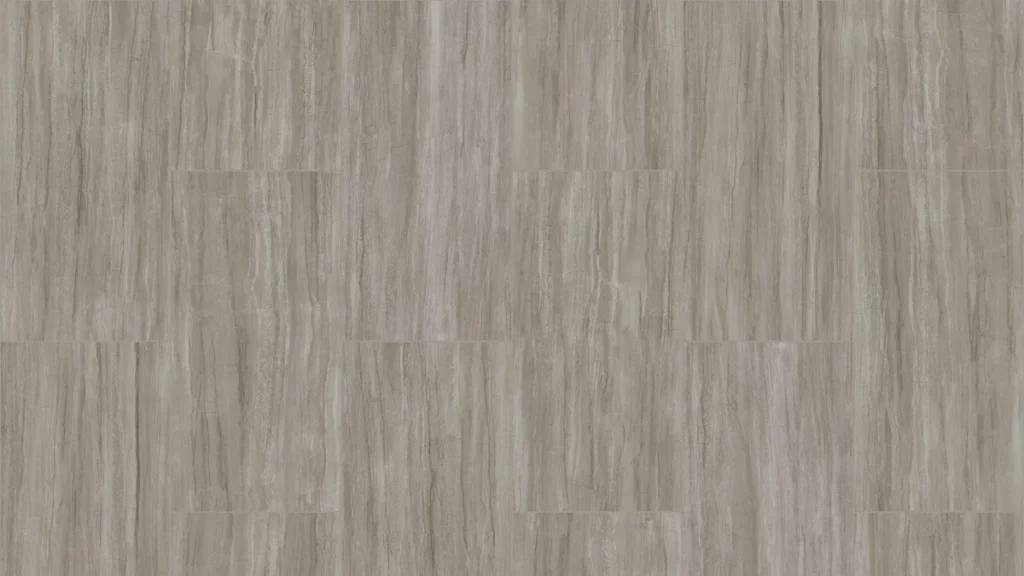
When choosing between LVT flooring and SPC flooring, understanding the difference between LVT and SPC is key. LVT, or luxury vinyl flooring, has a flexible PVC core that adapts to uneven surfaces, offering comfort underfoot. On the other hand, SPC flooring features a rigid stone-plastic composite core, making it denser and more durable. This difference between LVT and SPC impacts their performance. LVT is softer and more prone to dents from heavy furniture, while SPC resists impacts and handles high-traffic areas better. It’s no surprise that luxury vinyl flooring, including LVT, captures 23.9% of consumer interest among top flooring options.
Key Takeaways
- LVT flooring is comfy and stylish, great for living rooms.
- SPC flooring is super strong and waterproof, ideal for wet areas.
- Think about your room’s use and needs before picking LVT or SPC.
- LVT costs less, but SPC lasts longer and saves repair money.
- Both are easy to install, but SPC’s click-lock is simpler.
Definitions and Composition
What is LVT Flooring?
LVT flooring, or luxury vinyl flooring, is a versatile option that combines style and functionality. It’s made from several carefully crafted layers. At its core, you’ll find a sturdy foam layer that provides stability. Above that, a high-resolution photographic layer mimics the look of natural wood or stone, giving your floors a realistic and elegant appearance. To protect this design, two durable layers shield against wear and keep the colors vibrant over time.
The main ingredient in LVT is PVC, which is mixed with plasticizers and pigments. This combination makes the flooring flexible and durable. If you’re looking for something that balances comfort and design, LVT is a great choice. It’s especially popular in areas where you want the look of luxury vinyl plank without sacrificing softness underfoot.
What is SPC Flooring?
SPC flooring, short for stone polymer composite flooring, is known for its toughness and stability. Its core is a blend of plastic and crushed limestone powder, making it thicker and denser than LVT. This rigid core gives SPC flooring its signature durability, allowing it to withstand heavy impacts and resist scratches.
The top layer of SPC flooring is a wear-resistant coating that protects against daily wear and tear. Unlike LVT, SPC doesn’t flex as much, but that’s what makes it ideal for high-traffic areas or rooms prone to moisture. If you need flooring that can handle a busy household or commercial space, SPC is a reliable option.
Core Material Differences
The difference between LVT and SPC lies in their core materials. LVT has a flexible vinyl core, which feels softer underfoot and adapts to uneven surfaces. This makes it more comfortable but also more prone to dents from heavy furniture. On the other hand, SPC features a rigid stone-plastic composite core. This core is denser and more stable, offering better resistance to impacts and moisture.
These differences affect how each type of flooring performs. LVT is perfect for spaces where comfort and design are priorities, while SPC excels in durability and stability. Whether you choose LVT or SPC depends on your specific needs and the room where you plan to install it.
Durability and Moisture Resistance
Durability of LVT Flooring
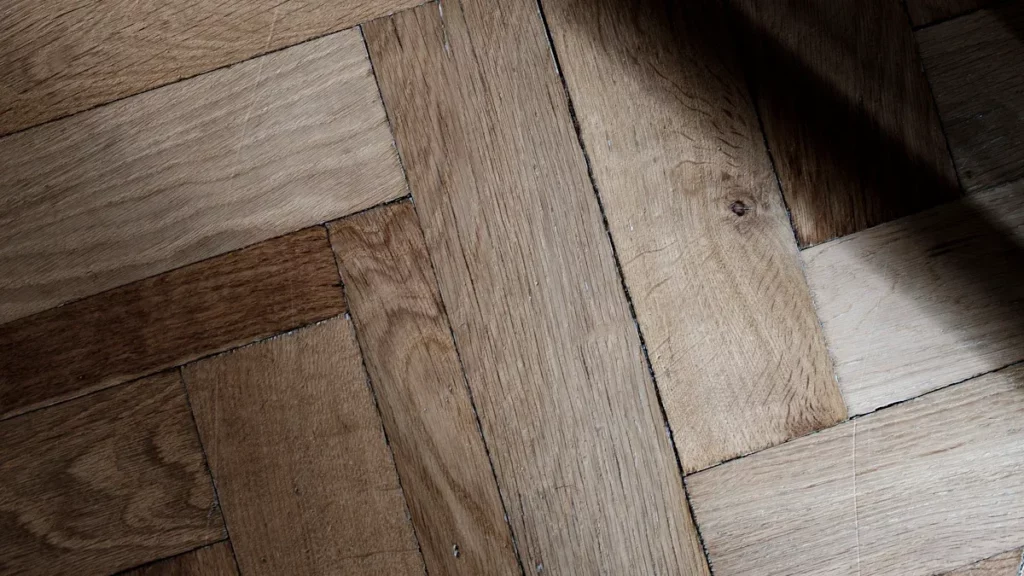
When it comes to durability, LVT flooring holds up well in most residential settings. Its flexible vinyl core provides a softer feel underfoot, but this flexibility makes it more prone to dents from heavy furniture or sharp objects. The wear layer on top protects against scratches and everyday wear, making it a reliable choice for moderate foot traffic. However, if you’re comparing durability between LVT and SPC, you’ll notice that LVT is better suited for areas with lighter use.
| Feature | LVT Flooring |
|---|---|
| Core Layer | Flexible vinyl core, softer feel |
| Wear Layer | Provides protection against wear and tear |
| Dent Resistance | Prone to dents from heavy furniture |
| Durability in Traffic | Suitable for moderate traffic |
Durability of SPC Flooring
SPC flooring takes durability to the next level. Its rigid stone-plastic composite core makes it highly resistant to impacts and heavy foot traffic. This sturdiness means SPC can handle the demands of busy households or commercial spaces without showing signs of wear. Unlike LVT, SPC resists dents and scratches more effectively, making it a great option for high-traffic areas. If you’re looking for flooring that can withstand the test of time, SPC is a solid choice.
| Feature | SPC Flooring |
|---|---|
| Core Layer | Rigid stone-plastic composite core, more stable |
| Wear Layer | Offers protection against scratches and stains |
| Dent Resistance | Superior dent resistance due to rigidity |
| Durability in Traffic | Excellent for high foot traffic and commercial use |
Moisture Resistance Comparison
When comparing durability, moisture resistance is another key factor. SPC flooring stands out as 100% waterproof, making it ideal for moisture-prone areas like bathrooms, kitchens, and basements. Its stone composite core prevents expansion or contraction caused by humidity changes, ensuring stability in wet environments.
LVT flooring, while water-resistant, doesn’t perform as well in extreme moisture conditions. It may expand or contract if exposed to excessive water, so proper installation is crucial. Adding a backing layer can help improve its performance in damp areas, but it still can’t match SPC’s waterproof capabilities.
- SPC flooring:
- 100% waterproof, perfect for wet environments like bathrooms and kitchens.
- Resists moisture-related expansion or contraction, making it suitable for basements.
- Stone composite core enhances water resistance and stability.
- LVT flooring:
- Water-resistant but not fully waterproof.
- May require additional precautions in high-moisture areas.
If you’re choosing between the two, SPC is the better option for spaces where water exposure is a concern.
Installation Process
Installing LVT Flooring
Installing LVT flooring can be straightforward if you follow the right steps. First, make sure your subfloor is clean, dry, and smooth. Any debris or unevenness can affect the final look. Once the surface is ready, acclimate the LVT to the room’s temperature for 24-48 hours. This step helps prevent expansion or contraction after installation.
Next, plan your layout. Decide the direction you want the planks or tiles to run, usually parallel to the longest wall. Measure the space carefully and leave a 1/4-inch gap along the walls for expansion. Depending on the type of LVT you choose, you’ll either use a glue-down method or a click-lock system. For glue-down, spread adhesive evenly and press each plank firmly into place. If you’re using click-lock, connect the edges tightly for a seamless finish. Finally, roll the floor with a 75-100 pound roller to ensure everything adheres properly.
Installing SPC Flooring
SPC flooring offers a simpler process, especially for DIY enthusiasts. Unlike LVT, SPC uses a floating click-lock system, so you don’t need glue or nails. Start by preparing the subfloor. It should be clean, level, and dry. Then, acclimate the SPC planks to the room for at least 24 hours.
Begin installation by snapping the tongue-and-groove edges together. Start in one corner of the room and work your way out. The click-lock system makes it easy to align the planks, even if you’re new to flooring projects. Like LVT, leave a small gap along the walls to allow for expansion. SPC’s rigid core ensures a stable and durable fit, even in high-traffic areas.
Ease of Installation
When comparing installing LVT vs SPC flooring, SPC has the edge in simplicity. Its floating click-lock system eliminates the need for adhesives, making it faster and less messy. LVT, while versatile, may require more preparation if you opt for the glue-down method. However, both options are manageable for homeowners with basic tools and a little patience.
If you’re looking for a quick and hassle-free project, SPC flooring might be your best bet. But if you prefer more flexibility in installation methods, LVT offers options like glue-down, loose lay, or click-lock. Either way, both types of vinyl flooring provide excellent results when installed correctly.
Comfort and Design
Comfort Underfoot
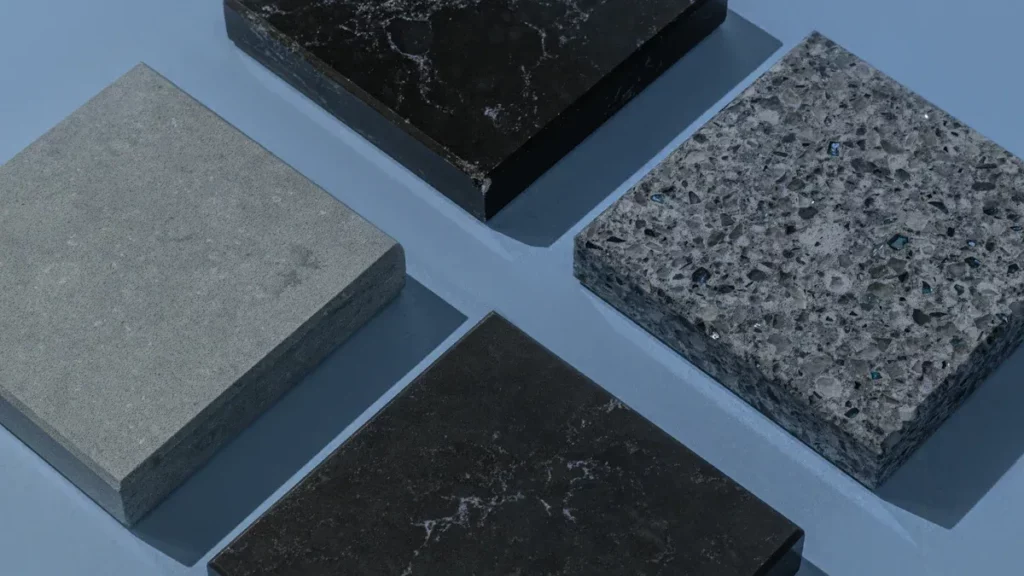
When it comes to comfort, luxury vinyl flooring, especially LVT, stands out. You’ll notice how soft it feels underfoot compared to harder materials like tile or SPC flooring. This softness reduces strain on your feet and legs, making it a great choice for areas where you spend a lot of time standing, like kitchens. LVT also has a slight give, meaning it absorbs impact and bounces back to its original shape. This flexibility adds to its overall comfort.
Another thing you’ll appreciate is how warm LVT feels. Unlike traditional tiles that can feel icy, LVT retains warmth, making it cozier during colder months. If comfort is a top priority, LVT flooring offers a cushiony and inviting surface that’s hard to beat.
Design Options
Both LVT and SPC flooring offer a wide variety of design options, but they shine in different ways. LVT excels in providing a vast range of colors, patterns, and textures. Thanks to advanced digital printing, it mimics natural materials like wood and stone with impressive realism. Whether you’re looking for a rustic oak finish or a sleek marble look, LVT has you covered.
SPC flooring also offers a broad selection of designs, but its denser construction gives it a slightly more realistic appearance in some cases. Here’s a quick comparison to help you decide:
| Feature | LVT | SPC |
|---|---|---|
| Design Options | Wide range of colors, patterns, textures | Broad range of colors, decors, patterns |
| Realism | Advanced digital printing for realism | Denser construction for a more realistic look |
| Comfort | Softer underfoot | Rigid structure provides support |
| Ideal Areas | Suitable for various areas | Excellent for high-moisture areas |
If you’re after versatility and style, LVT & SPC styles & effects offer plenty of choices to match your home’s aesthetic.
Noise and Temperature Factors
Flooring can affect how your home feels in terms of noise and temperature. SPC flooring, with its rigid stone-plastic composite core, provides better insulation and stability. It resists temperature fluctuations, making it a reliable option for rooms with extreme conditions. SPC also retains heat well, so it feels warmer underfoot.
LVT, on the other hand, may feel cooler and doesn’t insulate as effectively. While it’s water-resistant, it’s less stable in extreme temperature or moisture conditions. If you’re looking for a quieter and more temperature-stable option, SPC might be the better choice. However, LVT still offers a comfortable and stylish solution for most spaces.
Cost and Value
Cost of LVT Flooring
When considering LVT flooring, you’ll find that its cost varies based on several factors. On average, LVT ranges from $3.2 to $8.9 per square meter. Higher-quality options tend to cost more, but they also offer better durability and longevity. Here’s what influences the price:
- Material Quality: Premium luxury vinyl plank options are more expensive due to their enhanced durability.
- Thickness and Wear Layer: Thicker planks with a robust wear layer cost more but last longer.
- Brand Reputation: Well-known brands might charge a premium, but they often include better warranties.
- Installation Complexity: Glue-down LVT may require additional materials, increasing the overall cost.
- Location: Prices can differ depending on where you live, as labor and material availability vary.
If you’re on a budget, LVT offers affordable options without compromising on style. It’s a great choice for achieving a luxury look at a reasonable price.
Cost of SPC Flooring
SPC flooring typically costs between $3.50 and $7 per square foot. While it’s slightly more expensive than LVT, its durability and waterproof nature make it worth the investment. Factors that affect SPC pricing include:
- Area Size: Larger spaces require more material, increasing the total cost.
- Installation: SPC’s click-lock system simplifies installation, but additional costs like old flooring removal can add up.
- Warranty and Extras: Some brands include extended warranties or underlayment, which may raise the price.
If you need flooring for high-traffic or moisture-prone areas, SPC’s upfront cost pays off in the long run.
Long-Term Value
When comparing LVT and SPC, think about the long-term benefits. SPC flooring, with its rigid core, offers unmatched durability and water resistance. This means fewer repairs and replacements over time, saving you money. LVT, on the other hand, provides a softer, warmer surface, making it ideal for living spaces. While it’s less durable than SPC, its lower initial cost and wide design options make it a practical choice for many homes.
If you’re looking for flooring that lasts, SPC might be the better investment. But if comfort and affordability are your priorities, LVT delivers excellent value.
Room Suitability
Best Rooms for LVT Flooring
LVT flooring works well in spaces where durability and style matter. Its water-resistant nature makes it a smart choice for kitchens and bathrooms, where spills and moisture are common. You’ll also find it ideal for commercial areas or high-traffic rooms in your home. The ease of maintenance means you can keep it looking great without much effort.
If you’re on a budget but still want a professional look, LVT offers cost-effective options. It mimics the appearance of natural materials like wood or stone, giving your space a luxurious feel without breaking the bank. Whether it’s a living room, bedroom, or even a home office, LVT provides a balance of comfort and practicality.
Best Rooms for SPC Flooring
SPC flooring shines in areas where other types of flooring might struggle. Its waterproof properties make it perfect for moisture-prone spaces like:
- Bathrooms
- Utility rooms
- Kitchens
You’ll also love SPC in high-traffic areas like hallways or busy entryways. Its rigid core resists wear and tear, so it holds up well under heavy foot traffic. If you’re looking for something durable for a living room or bedroom, SPC can work there too, especially if you prioritize stability and longevity.
For homes with kids or pets, SPC’s toughness and resistance to scratches make it a practical option. It’s a reliable choice for spaces that need to handle daily life’s challenges.
Environmental Considerations
When choosing between LVT and SPC flooring, think about their environmental impact. LVT uses plasticizers in its composition, which can make it less eco-friendly. On the other hand, SPC doesn’t require glue in its installation, making it a safer option for homes with children or pets.
SPC flooring also stands out for its stability in areas with fluctuating temperatures or humidity. This makes it a better choice for environments where other flooring might expand or contract.
If you’re concerned about sustainability, SPC’s composition and durability make it a more environmentally friendly option compared to traditional vinyl flooring.
Choosing between LVT and SPC flooring depends on your specific needs and the conditions of your space. If you value comfort and design flexibility, LVT flooring is a great option for living areas or spaces with moderate foot traffic. Its soft surface and wide range of styles make it both practical and visually appealing. On the other hand, SPC flooring stands out for its durability and moisture resistance. Its rigid core and waterproof nature make it ideal for high-traffic areas or rooms prone to moisture, like kitchens and bathrooms.
Here’s a quick comparison to help you decide:
| Factor | LVT | SPC |
|---|---|---|
| Waterproof Capabilities | Good for moisture-prone areas with proper preparation | Excellent for wet environments, highly resistant to moisture |
| Comfort and Insulation | Softer and warmer underfoot, better for living areas | Less comfortable, not as warm as LVT |
| Room Suitability | Best for low moisture and low traffic areas | Ideal for high traffic and moisture-prone areas |
| Aesthetic Preferences | Wide range of styles, mimics natural materials | Limited styles compared to LVT |
| Budget | Generally more budget-friendly | Typically more expensive |
| Installation | Straightforward, can be DIY | Click system makes it easier for DIY |
Ultimately, consider your room’s conditions, how you’ll use the space, and your budget. Whether you choose LVT or SPC, both types of vinyl flooring offer excellent options to enhance your home.
FAQ
What is the main difference between LVT and SPC flooring?
The key difference lies in their cores. LVT has a flexible vinyl core, making it softer and more comfortable. SPC features a rigid stone-plastic composite core, offering superior durability and water resistance. Your choice depends on your room’s needs and your priorities.
What makes SPC flooring better for moisture-prone areas?
SPC flooring is 100% waterproof due to its stone-plastic composite core. It doesn’t expand or contract when exposed to water, making it ideal for bathrooms, kitchens, and basements. If you’re dealing with high humidity or frequent spills, SPC is the way to go.
Can you install LVT or SPC flooring yourself?
Yes, both are DIY-friendly! SPC’s click-lock system makes installation quick and easy. LVT offers more options, like glue-down or loose lay, but may require extra preparation. If you’re new to flooring projects, SPC might be simpler to handle.
Which flooring type is more budget-friendly?
LVT is generally more affordable, with prices starting lower than SPC. However, SPC’s durability and waterproof features can save you money in the long run by reducing repairs and replacements. Consider your budget and how long you plan to use the flooring.
Are LVT and SPC flooring environmentally friendly?
SPC is often considered more eco-friendly. It doesn’t require glue for installation, reducing harmful emissions. LVT contains plasticizers, which may impact its environmental footprint. If sustainability matters to you, SPC might be the better choice.




