
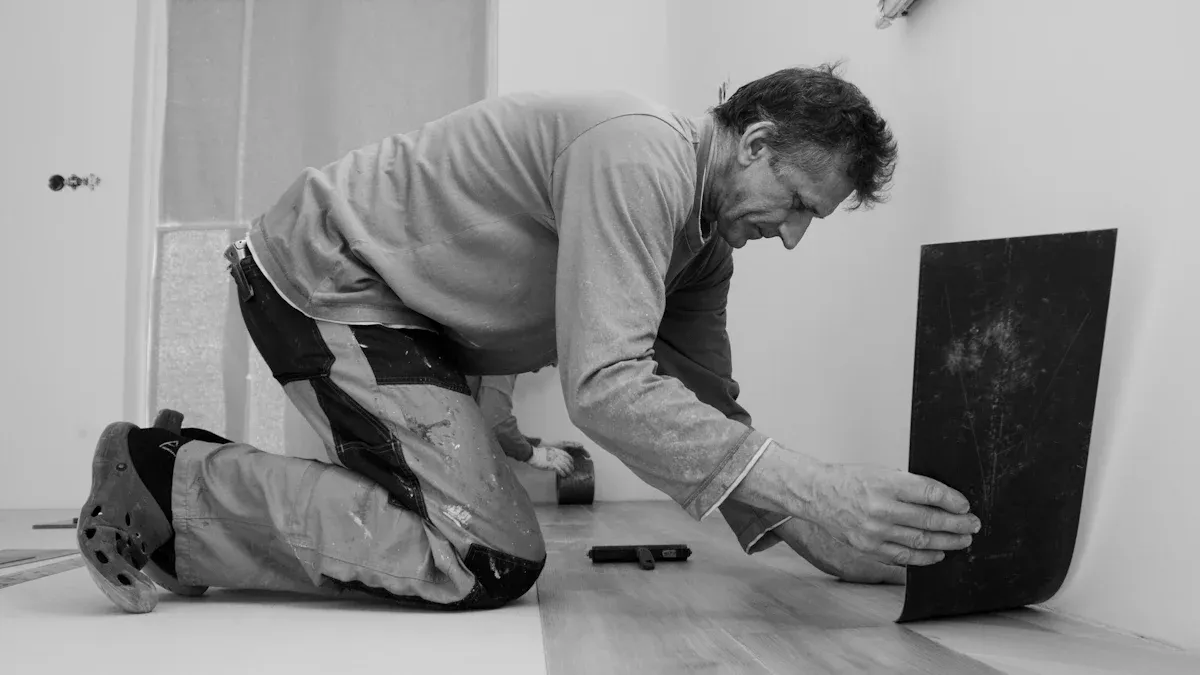
You notice a difference when you use a tool for cutting vinyl plank flooring. Clean, precise cuts help your vinyl flooring feel smooth underfoot. Specialized cutters make installation easier and reduce errors. When you cut vinyl plank with the right tool, you avoid chipping and gaps. Vinyl flooring offers flexibility, so your floor feels comfortable right after you finish.
- Cleaner cuts mean no sharp edges.
- Tighter seams give your vinyl flooring a better feel underfoot than laminate flooring.
How the Tool for Cutting Vinyl Plank Flooring Affects Edge Quality and Feel Underfoot

Clean Cuts Reduce Raised Edges and Improve Feel
You want your vinyl flooring to look smooth and feel soft underfoot. The tool for cutting vinyl plank flooring plays a big role in this. When you use a high-quality cutter, you get clean cuts that stop raised edges from forming. Raised edges can make your floor feel rough and uncomfortable. Many top brands add built-in underlayments to luxury vinyl flooring. These underlayments help cover small flaws in the subfloor and boost comfort. Clean cuts also help the plank sit flat on the subfloor, so you avoid bumps and uneven spots.
Flooring professionals recommend different tools for cutting vinyl plank flooring. Each tool offers unique benefits for edge quality and finishing. Here is a quick look:
| Tool Name | Benefit |
|---|---|
| Vinyl Floor Seam Cutting Tool | Ensures tight, seamless joints |
| Wall Trimmer – Edge Cutter | Perfect for clean edge finishing |
You can see that the right tool for cutting vinyl plank flooring helps you achieve a smooth, durable surface. Clean edges make your vinyl flooring feel better underfoot and improve the overall quality of your installation.
Tighter Seams Prevent Unevenness in Vinyl Flooring
Tight seams matter when you install vinyl flooring. You want your floor to feel comfortable and look neat. Tighter seams stop unevenness and gaps from appearing. Underlayment helps in several ways:
- Underlayment minimizes deflection at seams.
- Enhances comfort by providing cushioning and warmth.
- Protects against moisture and water damage.
You also need to stagger the seams when laying vinyl plank flooring. This method helps distribute weight and foot traffic evenly. It reduces the risk of damage or wear over time.
- Staggering prevents seams from lining up perfectly.
- Distributes weight and foot traffic evenly.
- Reduces the risk of damage or wear over time.
When you use the right tool for cutting vinyl plank flooring, you get tighter seams. Your vinyl flooring feels smooth and soft underfoot. The subfloor stays protected, and your floor remains durable. Laminate flooring often shows gaps and raised edges if you do not cut it properly. Vinyl plank flooring, with its flexibility and tight seams, gives you instant comfort and a better feel underfoot. You enjoy a floor that looks great and feels comfortable from day one.
Material Differences and the Impact on Feel Underfoot
Vinyl Flooring’s Flexibility and Cushioning Feel
You notice a difference when you step on vinyl flooring. The flexible PVC construction gives vinyl a soft and cushioned feel. Many luxury vinyl products include an integrated underlayment. This underlayment improves cushioning and sound dampening. You feel comfort during long periods of standing. The flexibility of vinyl absorbs impact, so you experience less fatigue. Vinyl flooring also helps reduce noise in your space.
- Vinyl plank’s flexible core makes it softer underfoot than laminate.
- The slight give in vinyl adds comfort and helps protect your joints.
- Vinyl flooring absorbs impact noise, creating a quieter environment.
You can see how vinyl flooring stands out when you compare it to other types. The smooth surface and slight give make your floor feel comfortable right after installation. You do not feel bumps or hard spots. The subfloor stays protected because vinyl flooring sits flat and absorbs pressure.
Here is a table showing how different flooring types feel underfoot:
| Flooring Type | Feel Underfoot | Texture Description |
|---|---|---|
| Vinyl Flooring | Smooth, slightly soft, with a cushioned feel | Typically smooth with a slight give; textured options available to mimic wood grain. |
| Laminate Flooring | Firmer and more rigid | Often features embossed textures that resemble real hardwood, enhancing realism. |
Vinyl flooring provides a softer, more flexible core compared to laminate and wood. You enjoy a comfortable surface that feels good every day. The cushioning effect makes vinyl flooring a popular choice for homes and commercial spaces.
Laminate and Wood’s Hardness and Edge Sensitivity
Laminate and wood flooring offer a different experience underfoot. You feel a firmer and more rigid surface. Laminate flooring often mimics natural materials, including wood. High-definition printing techniques enhance the realism. Designs penetrate through the wear layer, increasing durability. Laminate flooring features embossed textures that resemble real hardwood.
- Laminate flooring feels hard and less forgiving.
- You notice edge sensitivity, especially if the seams are not tight.
- Raised edges or gaps can make the floor feel uneven.
Wood flooring also feels firm. You sense every bump or imperfection in the subfloor. Laminate and wood require careful installation to avoid gaps and raised edges. You must avoid wet mopping laminate flooring because water can damage the core. Maintenance for laminate flooring is more demanding than vinyl flooring.
Here is a table comparing maintenance requirements:
| Flooring Type | Maintenance Requirements | Ease of Maintenance |
|---|---|---|
| Vinyl Flooring | Easy to clean; requires sweeping and damp mopping; no waxing or special products needed | Much easier to maintain |
| Laminate Flooring | Requires caution; wet mopping discouraged due to water damage risk | More demanding maintenance requirements |
You also need to consider environmental impacts. Vinyl flooring offers excellent waterproofing. Laminate flooring can resist water, but prolonged moisture exposure can damage the core. Both types have limited recycling options due to composite materials.
| Feature | Vinyl Flooring | Laminate Flooring |
|---|---|---|
| Carbon Footprint | Higher due to petrochemical and coal-powered manufacturing | Moderate, though energy-intensive production and transport add to emissions |
| Recycled Content | Newer products increasingly include recycled materials | Utilizes wood fiber by-products and some recycled content |
| VOC Emissions | Can release toxic substances like PFAS chemicals | Contains formaldehyde and other VOCs from resins |
| Water Resistance | Offers excellent waterproofing | Water-resistant options exist, but prolonged moisture exposure can damage the core |
| End-of-Life Recycling | Difficult to recycle due to composite materials, often ending up in landfills | Recycling is also limited by composite construction, leading to landfill disposal |
You feel the difference every time you walk across your floor. Vinyl flooring gives you a soft, cushioned feel. Laminate and wood flooring feel hard and sensitive to edges. The subfloor plays a big role in how your floor feels. Vinyl flooring protects the subfloor and absorbs impact. Laminate and wood flooring require a smooth subfloor to avoid bumps and unevenness.
Tip: If you want a comfortable floor that feels soft underfoot, choose vinyl flooring. You get instant comfort and easy maintenance. Laminate and wood flooring offer a firmer feel and require more care to keep the surface smooth.
Installation Experience and Immediate Feel Underfoot
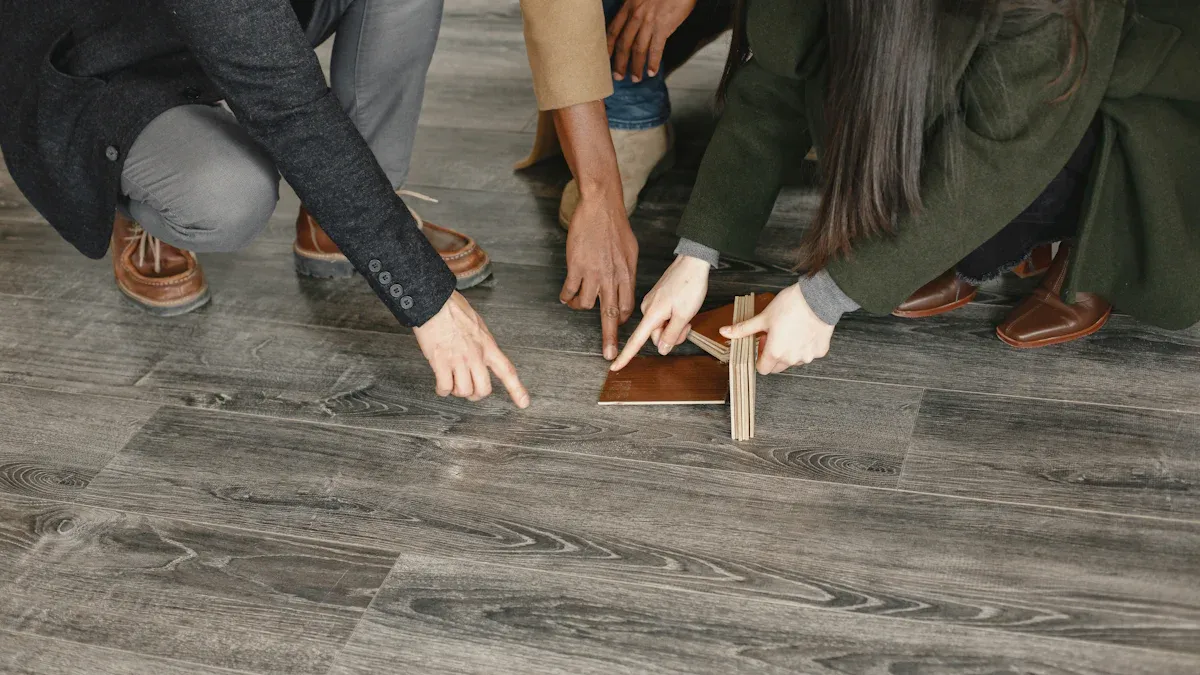
Fewer Gaps and Smoother Transitions with Vinyl Flooring
You want your new floor to look seamless and feel comfortable from the start. When you install vinyl flooring, you can achieve fewer gaps and smoother transitions by following a few important steps. Proper subfloor preparation is key. You need to make sure the subfloor is clean, dry, and level. This helps the planks sit flat and prevents bumps or uneven spots.
- Prepare the subfloor carefully to avoid gaps and create a smooth surface.
- Leave the right expansion gaps so the planks do not press against the walls.
- Make precise cuts to ensure each plank fits tightly.
If you skip these steps, you may notice problems later. For example, not using underlayment can make the floor less comfortable and noisy. Failing to prepare the subfloor can lead to uneven flooring and discomfort. The table below shows common mistakes and their impact on comfort:
| Common Installation Error | Impact on Comfort |
|---|---|
| Neglecting underlayment | Less cushioning and more noise |
| Inadequate expansion gaps | Planks may buckle or warp |
| Poor subfloor preparation | Unstable flooring and possible discomfort |
| Ignoring manufacturer guidelines | Improper installation and reduced performance |
When you use the right techniques, you get a floor that feels smooth and looks great. Vinyl flooring makes it easier to achieve tight seams and even transitions between rooms.
Instant Comfort After Installation
After you finish vinyl flooring installation, you notice the difference right away. Vinyl feels soft and textured underfoot. The cushioning effect makes standing or walking more pleasant. Many people say vinyl flooring feels more durable and comfortable than laminate. Vinyl also resists water, so you do not worry about spills or moisture in busy areas.
- Vinyl flooring feels substantial and supportive.
- Laminate may feel less solid and can absorb moisture.
- Vinyl works well in kitchens, bathrooms, and entryways.
You get instant comfort because vinyl flooring sits flat on the subfloor and absorbs impact. The right installation steps help you avoid gaps, bumps, and noise. You enjoy a floor that feels good underfoot from the very first day.
Choosing the Right Tool for Cutting Vinyl Plank Flooring with skspcflooring
Recommended Tools for a Comfortable Feel Underfoot
You want your vinyl flooring to feel comfortable and look great. Choosing the right tool for cutting vinyl plank flooring makes a big difference. Professional installers often use the Bullet Tools Magna Shear because it is durable and efficient. This tool helps you cut both vinyl and laminate flooring quickly. Many users say a shear reduces installation time and gives you clean edges.
You can also use other tools for precise cuts and smooth seams. Here is a table showing how different tools improve the quality and comfort of your luxury vinyl plank or luxury vinyl tile flooring:
| Tool Type | Benefit |
|---|---|
| Precision Cutter | Ensures accurate cuts for a seamless fit |
| Utility Knife | Allows for quick adjustments and reduces waste |
| Tile Cutter | Provides clean edges that enhance aesthetic appeal |
A precision cutter helps you achieve tight seams and a smooth surface. A utility knife lets you trim planks for a perfect fit. A tile cutter gives you clean edges, which improves the authentic wood-floor feel of your luxury vinyl flooring. You get a durable floor that feels soft underfoot and protects your subfloor.
Tip: Always acclimate your vinyl flooring before installation. Leave it in the room for at least 48 hours. This helps the planks adjust to the room’s temperature and humidity, preventing buckling or gaps.
Common Mistakes to Avoid for Best Vinyl Flooring Feel
You need to avoid mistakes during vinyl flooring installation to get the best feel underfoot. Using the wrong tool for cutting vinyl plank flooring can damage planks and create uneven seams. Essential tools include a rubber mallet, tapping block, pry bar, and a sharp utility knife. Rushing the job without these tools can cause sloppy seams and air bubbles.
Mistakes to avoid:
- Poor layout planning leads to uneven or narrow pieces at the walls.
- Failing to stagger seams weakens the floor and creates unwanted patterns.
- Improper cuts result in uneven or poorly fitting planks, which may need replacement.
- Incorrect cuts waste materials and make the finish look unprofessional.
- Neglecting subfloor preparation causes bumps and discomfort.
You should always check the subfloor for imperfections. Make sure it is clean and dry before you start. Follow skspcflooring guidelines for a successful installation. This ensures your vinyl flooring feels comfortable and lasts longer.
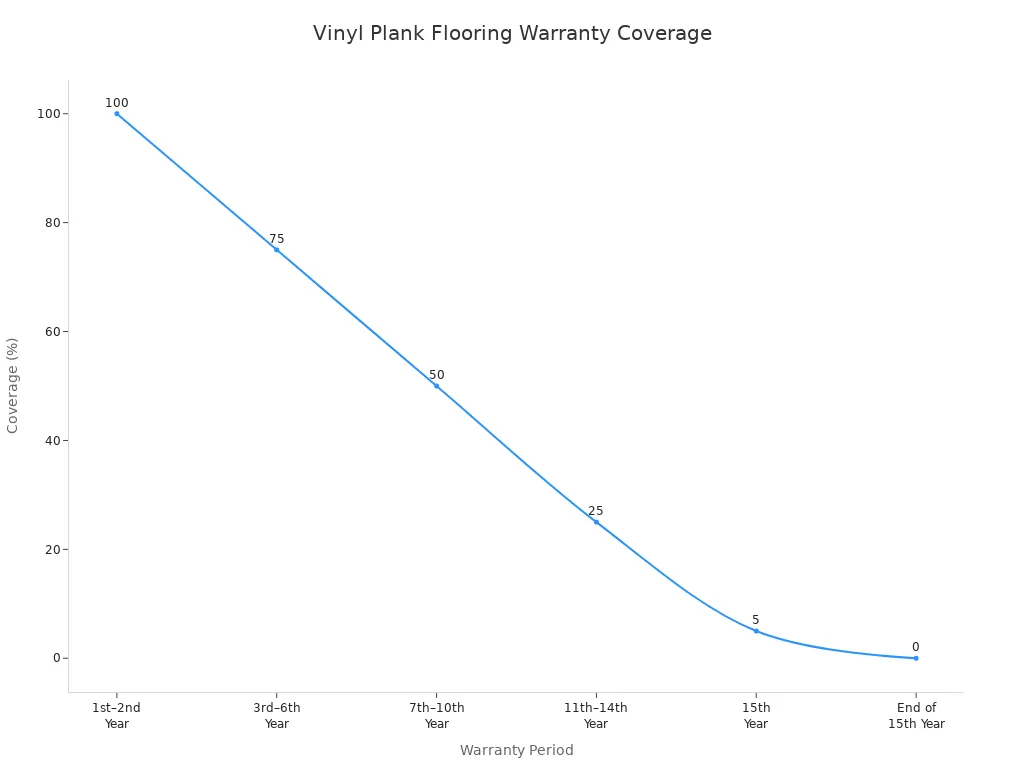
Warranty coverage protects your flooring investment. MSI offers a limited lifetime warranty on rigid core flooring. You get full coverage in the first two years, then coverage decreases over time.
| Warranty Duration | Coverage |
|---|---|
| 1st – 2nd Year | 100% |
| 3rd – 6th Year | 75% |
| 7th – 10th Year | 50% |
| 11th – 14th Year | 25% |
| 15th Year | 5% |
| End of 15th Year | 0% |
You get a comfortable, high-quality floor when you use the right tools and avoid common mistakes. Your vinyl flooring installation will protect your subfloor and give you a smooth, authentic wood-floor feel from day one.
You achieve a smooth and comfortable feel underfoot when you use the right tool for cutting vinyl plank flooring. Paying attention to edge quality and seam tightness prevents gaps and helps your vinyl flooring adapt to changes in temperature and humidity. This careful approach improves satisfaction with your installation. Trust skspcflooring for expert advice and quality products. You get reliable vinyl flooring solutions that make your space look and feel great.
- Tight seams protect your floor and keep it looking new.
- Clean edges create a seamless finish for lasting comfort.
FAQ
What tool works best for cutting vinyl plank flooring?
You get the best results with a precision cutter or a vinyl plank shear. These tools make clean cuts and help you avoid rough edges. You can also use a sharp utility knife for quick adjustments.
How do tight seams improve comfort underfoot?
Tight seams keep your floor smooth and prevent gaps. You feel fewer bumps when you walk. Tight seams also help your vinyl flooring stay flat and last longer.
Can I use laminate cutting tools for vinyl plank flooring?
You should use tools made for vinyl plank flooring. Laminate cutters may not give you clean edges. Vinyl plank cutters work better and help you achieve a comfortable floor.
Why does vinyl flooring feel softer than laminate?
Vinyl flooring uses flexible materials and often includes underlayment. You feel a cushioned surface when you walk. Laminate flooring feels harder and less forgiving.
What mistakes should I avoid during installation?
You should avoid skipping subfloor preparation, using dull blades, and failing to stagger seams. These mistakes cause uneven surfaces and discomfort. Always follow manufacturer instructions for best results.




