
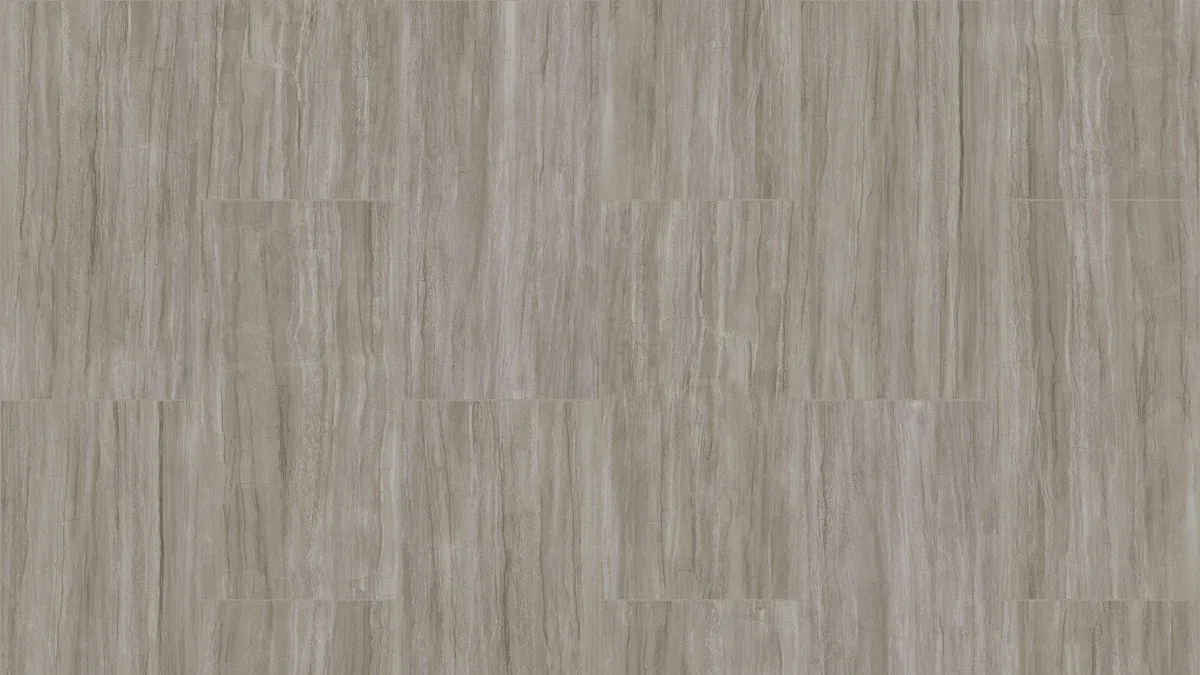
When you compare lvp vs spc flooring for high traffic areas in your home, SPC flooring stands out as the stronger choice. SPC offers greater dimensional stability and moisture resistance, which has led to its rapid growth in the luxury flooring market. You gain excellent value because experts highlight durability, low maintenance, comfort, and design flexibility.
Both LVP and SPC have strengths, but SPC’s rigid core makes it better suited for busy spaces where resilience matters most.
LVP vs SPC: Key Differences Between SPC and LVP Flooring
What is LVP Flooring?
You may see lvp flooring called luxury vinyl plank in stores. This type of flooring uses a soft PVC backing. Lvp vinyl flooring feels flexible and comfortable underfoot. You get realistic wood designs that make your space look stylish. Many homeowners choose lvp vinyl flooring because it is easy to install and offers a mild, natural feel. Lvp flooring works well in bedrooms, living rooms, and areas with moderate foot traffic. Luxury vinyl flooring gives you a good balance of comfort and style.
What is SPC Flooring?
Spc flooring stands for stone plastic composite. This flooring uses a hybrid core made from compressed limestone and plastic. Spc rigid core flooring feels stiff and strong. You get excellent durability and water resistance. Spc vinyl flooring works best in kitchens, bathrooms, and high traffic areas. Stone plastic composite floors resist dents and scratches. You can clean spc flooring with a simple sweep or mop. Many people choose spc flooring for busy homes because it stays stable and looks new for years.
Key Differences at a Glance
You may wonder about the primary differences between these two types. The key differences between spc and lvp flooring come from their materials and construction. The table below shows the main features:
| Feature | LVP (Luxury Vinyl Plank) | SPC (Stone Plastic Composite) |
|---|---|---|
| Material Composition | Soft PVC backing | Hybrid of compressed limestone and plastic |
| Flexibility | More flexible and softer | Stiff and rigid |
| Thickness | About 4 mm thick or less | Ranges from 4 mm to 6 mm |
| Installation Requirements | Requires a perfectly level subfloor | Can maintain shape regardless of subfloor condition |
| Comfort | Offers a milder, more comfortable feel | Provides more support to the foot |
You get more comfort with lvp vinyl flooring, but spc flooring offers better stability and water resistance. The primary differences between spc and lvp flooring help you decide which works best for your home. Stone plastic composite floors handle heavy use, while luxury vinyl plank floors give you a softer touch.
Durability and Stability in High Traffic Areas
Resistance to Scratches and Dents
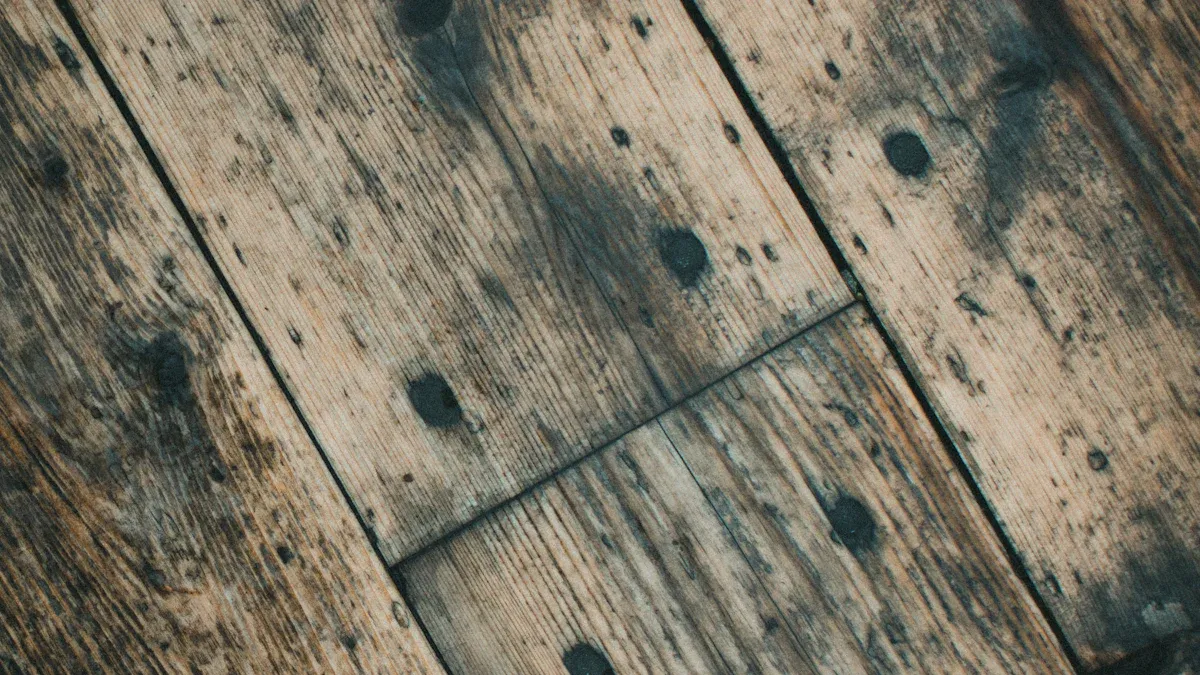
When you compare lvp vs spc in busy spaces, you want flooring that stands up to scratches and dents. Lvp flooring gives you good scratch resistance and moderate dent protection. Spc flooring offers excellent scratch resistance and high dent protection. You can see the difference in the table below:
| Flooring Type | Scratch Resistance | Dent Resistance |
|---|---|---|
| LVP | Good | Moderate |
| SPC | Excellent | High |
If you have pets or kids running around, spc flooring keeps its surface looking new longer. Lvp vinyl flooring works well in bedrooms or living rooms, but spc vinyl flooring handles heavy shoes, toys, and furniture better. You get maximum durability with spc, especially in high traffic areas.
Tip: Choose spc flooring for entryways, kitchens, and hallways where you expect more wear and tear.
Impact and Wear Over Time
You want your flooring to last for years, even with constant use. Both lvp and spc go through tough laboratory tests to measure impact and wear. These tests include dart impact, accelerated floor trafficking, and stair tread testing. The results show that spc flooring keeps its shape and finish after thousands of cycles. Lvp flooring performs well, but may show signs of wear sooner in busy zones.
| Test Name | Category |
|---|---|
| ASTM D1709 Dart Impact | Resilient |
| ASTM D6119 Accelerated Floor Trafficking (10,000 cycles) | Resilient |
| ASTM D6119 Accelerated Floor Trafficking (20,000 cycles) | Resilient |
| ASTM D6119 Accelerated Floor Trafficking (40,000 cycles) | Resilient |
| ASTM D6119 Stair Tread Testing 20,000 cycles | Resilient |
| ASTM D6119 Stair Tread Testing 40,000 cycles | Resilient |
| DIN EN 660 Abrasion Resistance of Coatings by Taber Abraser Grit Feeder (Frick Taber) | Resilient |
You may notice that luxury vinyl flooring brands with thin wear layers do not last as long. Many customers report rapid wear in high-traffic zones and poor durability with budget vinyl options. Warranty and customer service issues also come up often.
- Poor durability from thin wear layers
- Rapid wear in high-traffic zones
- Warranty and customer service issues
If you want quality and luxury, choose spc for the best results over time.
Stability Under Heavy Use
You need flooring that stays stable under heavy use. Spc flooring works best in commercial spaces and busy homes. Lvp flooring feels comfortable, but may wear faster in areas with lots of foot traffic. The tables below show how each type performs:
| Traffic Area | SPC Flooring | LVP Flooring |
|---|---|---|
| Commercial spaces | Best choice for high-traffic areas | Suitable but may wear quicker |
| Residential spaces | Durable for heavy foot traffic | Comfortable, but may wear faster |
| Flooring Choice | SPC Flooring | LVP Flooring |
|---|---|---|
| Best for durability | Yes, best for high-traffic areas | Good, but may wear faster |
| Durability for pets | SPC Flooring | LVP Flooring |
|---|---|---|
| Excellent | Good | |
| Waterproof | Yes, 100% waterproof |
Spc flooring stays stable in changing temperatures and humid conditions. You do not have to worry about warping or deformation. The table below shows how spc flooring performs in different environments:
| Environmental Factor | SPC Flooring Performance |
|---|---|
| Heat Resistance | Excellent, prevents warping and deformation |
| Moisture Resilience | High, suitable for humid conditions |
| Temperature Fluctuations | Stable, maintains integrity in varying temperatures |
You get peace of mind with spc flooring in busy homes. Lvp flooring gives you comfort, but spc offers the best durability and stability for high traffic areas.
Maintenance and Cleaning Value for Your Home
Ease of Daily Cleaning
You want your home to look fresh every day, especially in busy areas. Both lvp flooring and spc flooring make daily cleaning simple. You can sweep or vacuum to remove dust and dirt. For spot cleaning, use a neutral pH cleaner. This keeps your vinyl floors looking new and helps prevent scratches. You do not need special tools or harsh chemicals. The table below shows common maintenance tasks for high-traffic spaces:
| Frequency | Maintenance Task |
|---|---|
| Daily | Spot cleaning spills with a neutral pH cleaner and using floor protectors to prevent scratches. |
| Weekly | Cleaning the floors to prevent dirt buildup, especially in high-traffic areas. |
| Occasionally | Wet cleaning with a neutral pH cleaner and ensuring proper drying to maintain appearance. |
You can clean spc flooring twice a week in busy zones. Use a vacuum cleaner before mopping. Mop with a mild or pH-balanced solution to keep the shine. Protect the floor from heavy objects by using furniture pads.
Stain and Spill Resistance
You may worry about stains and spills in your home, especially with kids or pets. Both lvp vinyl flooring and spc flooring resist stains well. You can wipe up spills quickly without leaving marks. Spc flooring is waterproof, so you can mop up water or juice without damage. Lvp flooring supports damp mopping, but you should avoid soaking the floor to prevent moisture problems. Both types offer strong water resistance, but spc flooring gives you extra protection in kitchens and bathrooms.
Tip: Choose waterproof flooring like spc for areas where spills happen often. You get peace of mind and easy cleanup.
Long-Term Upkeep
You want flooring that keeps its quality and luxury look for years. Both lvp and spc need only basic care for long-term value. Regular sweeping and mopping help maintain durability and appearance. Avoid harsh chemicals to protect the finish. Spc flooring stays stable and water resistant, even with heavy use. Lvp vinyl flooring also offers good water resistance, but spc gives you better protection against moisture and wear. You get reliable performance and less worry about repairs or replacement.
- Sweep or vacuum regularly to prevent scratches.
- Mop with a mild cleaner for shine.
- Use furniture pads to protect from dents.
- Avoid soaking lvp flooring to keep it in top shape.
You get long-term value when you choose quality vinyl flooring for high-traffic areas. Spc flooring stands out for waterproof features and easy maintenance, making it a smart choice for busy homes.
Comfort and Noise in Busy Home Spaces
Underfoot Feel in High Traffic Areas
You want your home to feel comfortable, even in the busiest spots. When you walk on lvp, you notice a softer and warmer touch under your feet. This comfort comes from its flexible core and multi-layer design. Many people enjoy standing on lvp for long periods, especially in kitchens or playrooms. Spc flooring feels firmer because of its stone plastic core. You get strong support, but it may not feel as cushioned as lvp. If you prefer a softer step, lvp gives you that gentle feel. Both types of vinyl flooring help reduce foot fatigue, but lvp stands out for comfort in high-traffic areas.
Tip: Place area rugs or mats in entryways to add extra softness and protect your floors.
Sound Absorption
Busy homes can get noisy, especially with kids or pets. You want a floor that helps keep things quiet. Lvp flooring has sound-dampening qualities that minimize noise between rooms. Its multi-layer construction absorbs sound vibrations and reduces floor-to-floor sound transfer. When you combine lvp with an acoustic underlay, you make your space even quieter. This is helpful in bedrooms, living rooms, or any area where you want peace.
- Lvp provides a comfortable and quiet underfoot experience.
- Its layers help reduce noise compared to harder flooring materials.
- This sound absorption is especially useful in busy households.
Spc flooring also offers some noise control, but its rigid core does not absorb as much sound as lvp. If you want a quieter home, luxury vinyl plank is a smart choice. You also get the benefit of a hypoallergenic surface that does not trap dust or pet dander, making cleaning easy and keeping your indoor air fresh.
Installation Factors for Home Flooring
Suitability for DIY Projects
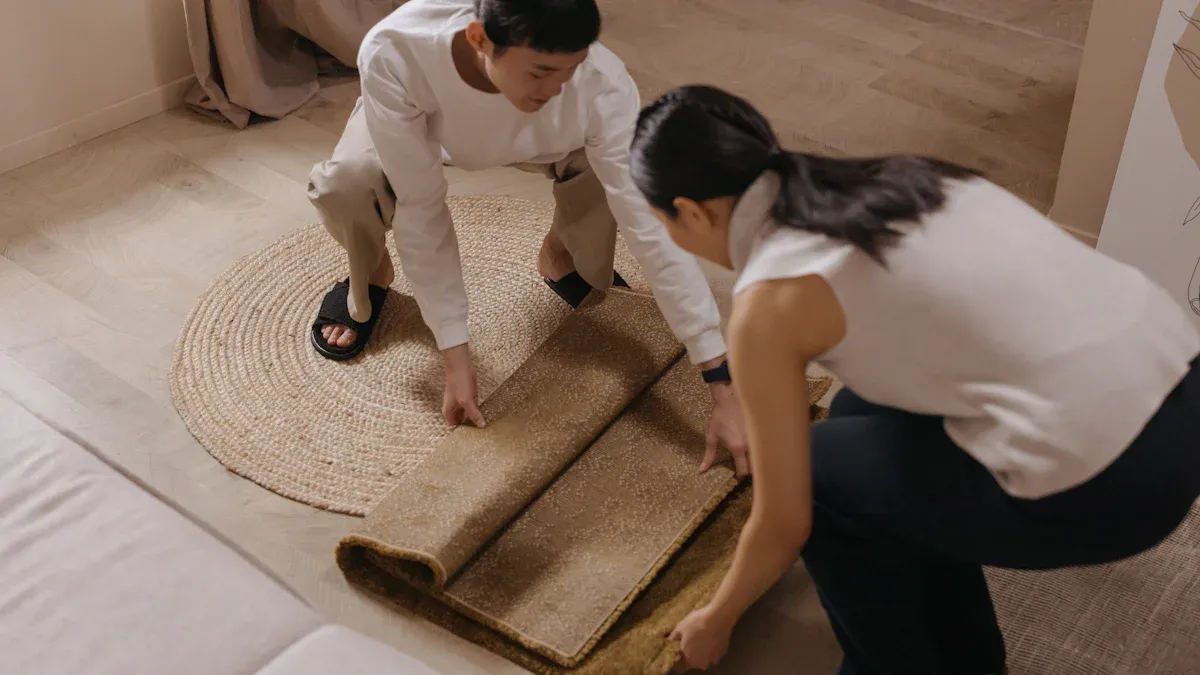
You may want to install new flooring yourself. Both lvp and spc make this possible. Lvp uses a click-lock system, so you do not need glue or nails. You can lay the planks down and snap them together. Many homeowners find this process simple and quick. Spc flooring also supports DIY installation. Its rigid core helps the planks stay straight and even. You can cut the planks with a utility knife and fit them into place.
Here are some main advantages and challenges for each type:
| Advantage | Description |
|---|---|
| Ease of Installation | SPC flooring is suitable for DIY installation, allowing homeowners to install it themselves. |
| Durability | SPC flooring offers exceptional durability and stability, making it ideal for various areas. |
| Waterproof | Its 100% waterproof construction makes it perfect for moisture-prone areas like kitchens and bathrooms. |
- Lvp can be installed without glue, using click-lock features for easy DIY installation.
- Lvp may not provide the same level of durability as spc flooring.
Note: The firmness of spc may feel less comfortable underfoot. You might want to add a premium underlayment for extra comfort.
Subfloor Requirements
Proper subfloor preparation is very important for a successful installation. Lvp can go over many surfaces, such as plywood, concrete, or even old vinyl, as long as the surface is clean and level. Spc needs a subfloor that is clean, flat, dry, and strong. If the subfloor is not perfect, spc planks can gap or buckle.
| Flooring Type | Subfloor Requirements | Moisture Considerations |
|---|---|---|
| LVP | Can be installed over plywood, concrete, and existing vinyl or tile, provided they are clean, level, and free of imperfections. | Generally more resilient to moisture, but moisture levels should be assessed to prevent warping or mold growth. |
| SPC | Requires a clean, flat, dry, and structurally sound subfloor. | Particularly sensitive to moisture levels; improper management can lead to warping or buckling. |
- Lvp works with many subfloors.
- Spc needs stricter conditions.
- Failure to prepare the subfloor can cause gapping, buckling, and even void your warranty.
Installation Time and Complexity
You want to know how long the process will take. Lvp and spc both offer fast installation compared to other flooring types. Lvp’s flexible planks make it easy to cut and fit around corners. Spc’s rigid planks may need more careful measuring, but the click-lock system speeds up the process. If you prepare the subfloor well, you can finish a room in a day.
When you look at the installation comparison, both lvp and spc save you time and effort. Spc may need extra steps if you add underlayment for comfort. Lvp usually goes down faster in rooms with many corners or odd shapes.
Tip: Always check the manufacturer’s instructions before starting your project. Good preparation leads to better results and longer-lasting floors.
Cost-Effectiveness and Value in High Traffic Areas
Initial Cost Comparison
When you look at the cost comparison between lvp flooring and spc flooring, you see clear differences. Lvp flooring gives you the most budget-friendly option for your home. You pay between $2 to $7 per square foot for lvp. Spc flooring usually costs more, ranging from $3 to $8 per square foot. You spend less on lvp at first, but spc offers more features for busy spaces.
- Lvp flooring: $2–$7 per sq. ft.
- Spc flooring: $3–$8 per sq. ft.
Spc costs more than lvp, but less than other luxury flooring types. You get waterproof protection and better durability with spc, which adds value for high traffic areas.
Longevity and Replacement Costs
You want flooring that lasts and keeps its quality. Spc flooring stands out for durability and long life. You can expect spc to last 20 to 25 years, and some high-end spc floors last up to 30 years. Lvp flooring usually lasts 10 to 20 years. You replace lvp more often, which increases the total cost over time.
- Spc flooring: lasts 20–25 years (up to 30 years for premium)
- Lvp flooring: lasts 10–20 years
Spc costs more at first, but you save money because you replace it less often. You get better quality and fewer worries about wear in busy areas. Spc flooring resists scratches and dents, so you keep your home looking fresh.
Tip: Choose spc flooring for entryways and kitchens if you want long-lasting value and fewer replacements.
Value for Money Over Time
You want the best value for your investment. Spc flooring gives you strong performance and long-term savings. You pay more at first, but you get better durability and lower replacement costs. Lvp flooring costs less, but you may need to replace it sooner in high traffic areas.
Warranty terms also show the quality you get. Here is a table with common warranty durations:
| Collection Name | Warranty Duration | Conditions |
|---|---|---|
| Hemingway Collection | 10 Years | Surface finish will not wear-through under commercial traffic conditions, excluding heavy traffic areas. |
| Cosmos Collection | 20 Years | Surface finish will not wear-through under commercial traffic conditions, excluding heavy traffic areas. |
| New World II Collection | 35 Years | Surface finish will not wear-through under commercial traffic conditions, excluding heavy traffic areas. |
You also care about eco-friendliness and recyclability. Here is a quick look:
| Flooring Type | Eco-Friendliness | Recyclability |
|---|---|---|
| Luxury Vinyl | High | Recyclable |
| SPC | Moderate | Some recyclable |
You get more value with spc flooring in high traffic areas because it lasts longer and needs fewer replacements. Lvp flooring works well for lower traffic zones and gives you good quality at a lower cost. Both options offer waterproof features and easy care, but spc stands out for durability and long-term value.
Best Home Applications for Each Flooring Type
Where LVP Flooring Excels
You want your home to feel warm and inviting. Lvp flooring works well in bedrooms, living rooms, and playrooms. You get a soft surface that feels comfortable underfoot. Many people choose lvp for spaces where you spend time relaxing or playing. You can install lvp flooring in areas with moderate foot traffic. Lvp gives you a stylish look with realistic wood patterns. You find it easy to clean and maintain. You can sweep or mop the surface without much effort. Lvp also helps reduce noise, which makes it a good choice for upstairs rooms or nurseries.
Tip: Place lvp flooring in rooms where comfort and quiet matter most. You get a gentle step and a peaceful atmosphere.
You may want to use lvp in spaces that do not see heavy use. Lvp works best for your home when you want a balance of style and comfort. You can install it yourself with simple tools. You save money and time with easy installation.
Where SPC Flooring Excels
Spc flooring stands out in busy areas. You get strong durability and water resistance. Experts recommend spc for kitchens, hallways, and entryways. You can use spc flooring in laundry rooms and bathrooms. Spc resists scratches and dents, so you do not worry about damage from shoes or pets. You find it easy to clean, even in high-traffic zones. Spc flooring stays stable in changing temperatures and humidity.
Here is a table showing key features for high-traffic flooring types:
| Flooring Type | Key Features |
|---|---|
| SPC Flooring | Durable, easy to maintain, elegant, comfortable, cost-effective for high-traffic areas |
| Luxury vinyl flooring | Stain and scratch-resistant, moisture-proof, comfortable, ideal for homes with pets or children |
You get the best for your home when you use spc in places with lots of movement. Spc flooring lasts longer and keeps its look. You spend less time on repairs and replacements. You make a smart choice for busy spaces.
Note: Use spc flooring in entryways and kitchens to protect your home from spills and heavy use.
When you compare lvp vs spc, you see that spc flooring performs better in high traffic areas because of its rigid core and strong wear layer. The table below highlights the most important factors:
| Factor | Why It Matters for High Traffic Areas |
|---|---|
| Wear Layer Thickness | Protects against wear and tear |
| Core Construction | SPC’s dense core adds stability |
| Water Resistance | Prevents damage from spills |
| Installation Method | Click-lock is easy, glue-down is more stable |
You should choose lvp vs spc based on your comfort needs and style, but spc gives you more long-term value. Always match your flooring to your home’s activity level and design.
FAQ
What makes SPC flooring better for high traffic areas?
SPC flooring uses a rigid core that resists dents and scratches. You get strong durability and waterproof protection. This makes SPC ideal for busy spaces like kitchens, hallways, and entryways.
Can you install LVP or SPC flooring yourself?
You can install both LVP and SPC flooring with a click-lock system. You do not need glue or nails. Most homeowners finish a room in one day. Always follow the manufacturer’s instructions for best results.
Does SPC flooring feel hard underfoot compared to LVP?
SPC flooring feels firmer because of its stone plastic core. You get strong support but less cushion. LVP flooring feels softer and warmer. You may add underlayment or rugs for extra comfort.
How do you clean and maintain SPC and LVP flooring?
You sweep or vacuum daily to remove dust. You mop with a mild cleaner for shine. Both types resist stains and spills. Avoid harsh chemicals to protect the finish. Use furniture pads to prevent dents.
Which flooring lasts longer in busy homes?
SPC flooring lasts up to 25 years or more. You get fewer replacements and lower long-term costs. LVP flooring lasts 10 to 20 years. SPC gives you better value for high-traffic areas.




