
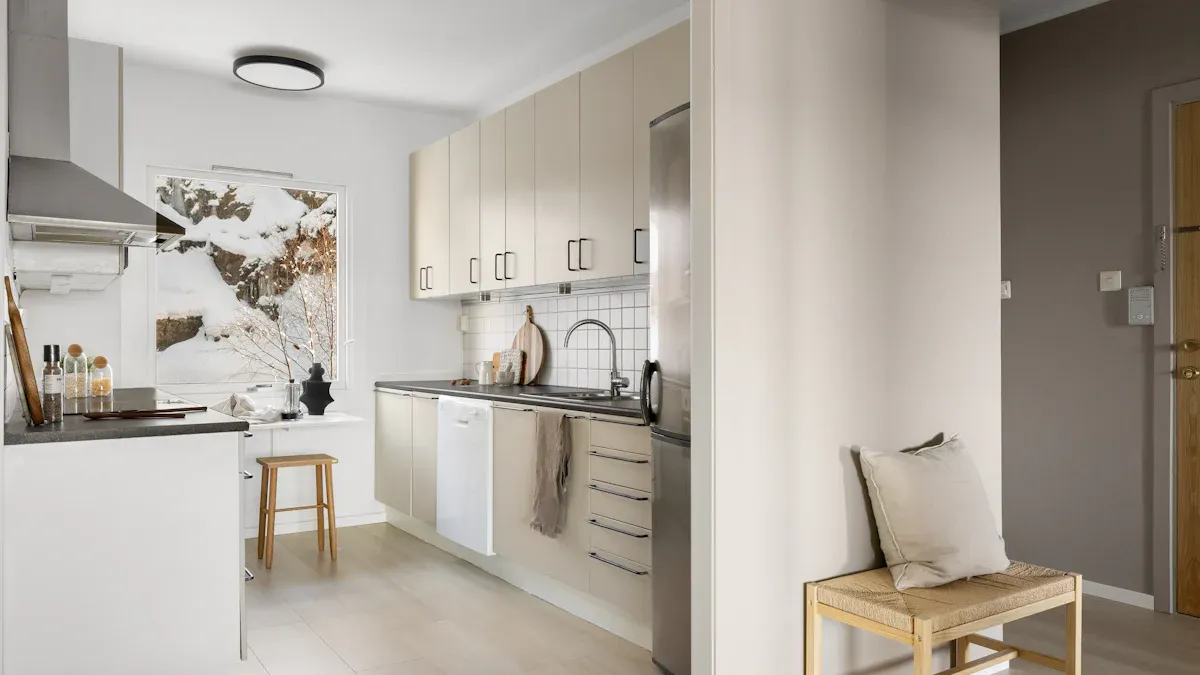
When you compare spc vs lvp for kitchens and bathrooms, you find that SPC gives you the best water resistance. LVP feels softer underfoot but does not block moisture as well as SPC. The primary differences come from how each type handles water and comfort.
For quick reference, see the table below:
| Flooring Type | Pros | Cons |
|---|---|---|
| SPC | Superior water resistance, durable | Heavier, less soft |
| LVP | Softer feel, water-resistant | Less water-resistant |
Water Resistance: spc vs lvp in Kitchens and Bathrooms
spc Water Resistance
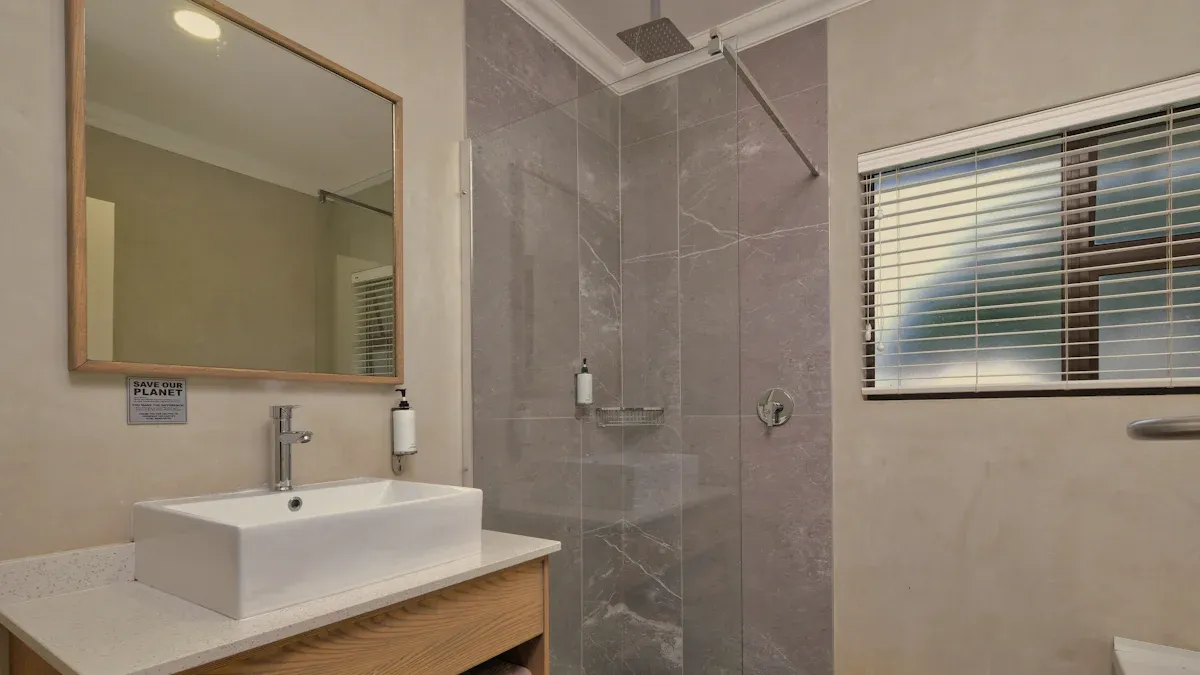
When you choose flooring for kitchens and bathrooms, you need to think about how well it handles water. SPC flooring stands out because it is engineered to be 100% waterproof. You can install SPC in places where spills, splashes, and even flooding might happen. The core of SPC does not absorb water, so you do not have to worry about swelling or warping.
SPC flooring gives you peace of mind in moisture-prone spaces. You can mop, wipe, or even let water sit for a while without damaging the floor.
Laboratory tests show that SPC absorbs almost no water. Here are some details from recent studies:
- The average water absorption rate for SPC flooring is ≤0.02%.
- SGS conducted these tests.
- The test standard followed was EN 15534-1:2014+A1:2017 Clause 8.3.1 & EN 317:1993.
- The method involved submerging the flooring in constant temperature water at 20°C for 48 hours.
You can see that SPC flooring performs better than laminate or engineered wood in flood or spill simulations. Laminate and wood floors can swell and get ruined when exposed to water. SPC flooring keeps its shape and strength, even after heavy spills or flooding. This makes SPC a top choice for kitchens and bathrooms.
lvp Water Resistance
LVP flooring also offers strong water resistance. You can use luxury vinyl flooring in kitchens and bathrooms without worrying about most spills. The surface blocks water, so you can clean up messes easily. LVP does not absorb water like wood or laminate, which helps it last longer in wet areas.
You might wonder how LVP compares to other flooring types in flood or spill situations. The table below shows how luxury vinyl flooring performs:
| Flooring Type | Waterproof Level | Flood Protection Duration | Reinstallation Capability |
|---|---|---|---|
| LVP | 100% waterproof | N/A | Yes (if ≥ 7.5mm thick) |
| Flood-rated Laminate | Not 100% waterproof | 72 – 100 hours | Yes (if < 3 days) |
You can see that LVP flooring is 100% waterproof. If you use thicker planks (at least 7.5mm), you can even reinstall them after a flood. This makes luxury vinyl flooring a smart choice for kitchens and bathrooms.
When you compare spc vs lvp, both types give you excellent waterproof protection. SPC offers a harder core and lower water absorption, while LVP gives you a softer feel and easy maintenance. You can trust both options to keep your kitchen and bathroom floors safe from water damage.
Durability: primary differences in High-Traffic Areas
spc Durability and Lifespan
When you look for flooring that stands up to busy kitchens and bathrooms, you want something durable. SPC flooring gives you a tough surface that resists scratches and dents. The stone composite core makes SPC more durable than many other options. You can drop heavy pots or walk with shoes, and the floor keeps its shape. Pets and kids can play without leaving marks.
SPC flooring handles high-traffic areas well. You do not need to worry about dents from furniture or scratches from daily use. The hard core protects your floor and keeps it looking new. You can mop and clean SPC flooring often, and it will not wear down quickly.
You might wonder how long SPC flooring lasts in busy spaces. Here is what you can expect:
- The average lifespan of SPC flooring in high-traffic kitchens and bathrooms is between 10 to 15 years.
- In some homes, SPC flooring lasts from 10 to 25 years.
- If you choose high-quality SPC and take care of it, you can extend its lifespan.
SPC flooring gives you a strong and durable choice for kitchens and bathrooms. You get a floor that resists damage and lasts for many years.
Tip: If you want a floor that handles heavy use and stays looking good, SPC flooring is a smart pick for durability and lifespan.
lvp Durability and Wear
LVP flooring also offers good durability for kitchens and bathrooms. You get a softer feel underfoot, but the vinyl core does not resist scratches and dents as well as SPC. If you have lots of foot traffic or pets, you may see more wear over time. Sharp objects or heavy furniture can leave marks on LVP flooring.
You can still use LVP flooring in busy spaces if you take care of it. Regular cleaning and gentle use help extend its lifespan. The surface layer protects against spills and stains, so you do not need to worry about water damage.
Here is what you can expect for LVP flooring lifespan:
- LVP flooring lasts between 15 to 25 years in high-traffic areas.
- Good installation and regular maintenance help your floor last longer.
- With proper care, vinyl floors can last from 10 to 25 years.
- The lifespan depends on the quality of the product and how you maintain it.
LVP flooring gives you a durable option for kitchens and bathrooms, but you need to watch for scratches and dents. You get a long lifespan if you choose a high-quality product and keep it clean.
Note: If you want a softer floor and do not mind taking extra care, LVP flooring offers durability and a long lifespan for busy kitchens and bathrooms.
Maintenance and Cleaning: spc vs lvp
Cleaning spc in Kitchens and Bathrooms
You want your kitchen and bathroom floors to look clean and fresh every day. With spc flooring, you get a surface that resists stains and dirt. You can keep your floors in top shape by following a simple cleaning routine. Start by sweeping or vacuuming to remove dust and crumbs. If you see a spill, blot it up quickly to prevent staining. Use a mild, pH-neutral vinyl cleaner for wet cleaning. Rinse with water after using any cleaner to avoid residue.
Manufacturers recommend these steps for cleaning spc:
- Mop twice a week with a mild or pH solution.
- Avoid multi-cleaners, detergents, or bleaching agents.
- Do not use steam cleaning because it can damage the floor.
- Establish a daily cleaning routine to prevent dirt buildup.
- Promptly deal with spills using a cleaner made for spc flooring.
You should deep clean spc every one to two months. Regular maintenance includes daily sweeping and weekly mopping. The table below shows how often you need to clean:
| Maintenance Type | Frequency |
|---|---|
| Deep Cleaning | Every 1-2 months |
| Regular Maintenance | Daily sweeping, weekly mopping |
If you follow these steps, you help your spc flooring keep its durability and shine. You do not need harsh chemicals or special tools.
Cleaning lvp in Kitchens and Bathrooms
Lvp flooring also makes cleaning easy. You can sweep or vacuum regularly to remove loose dirt. When you mop, use warm water and a non-abrasive, “no-rinse” cleaner. Avoid flooding the floor with water. If you see stains from food or cleaners, scrub with a full-strength vinyl cleaner or a diluted bleach solution. For paint or adhesives, gently peel off the dry substance and use a heavy-duty stripper if needed.
Here are some tips for cleaning lvp:
- Use an automatic scrubber, but avoid abrasive pads.
- Rinse the mop head often and change the solution when it gets dirty.
- Vacuum or dust mop before damp mopping with a microfiber mop.
- Consider using Hil-Sheen LV for extra shine and to minimize scratches.
You help your lvp flooring keep its durability by cleaning regularly and using gentle products. You do not need to deep clean as often if you keep up with daily care. Both spc and lvp flooring give you easy maintenance, but you must avoid harsh chemicals and steam cleaning to protect your floors.
Comfort Underfoot: spc vs lvp
spc Comfort and Feel
You want your kitchen and bathroom floors to feel comfortable when you walk or stand on them. SPC flooring gives you a sturdy surface with a cushioned feel. The thick, stable bottom layers add extra comfort, especially if you choose planks with more thickness. You notice that the floor feels quieter because the dense layers absorb sound. This makes your space more peaceful, even during busy mornings.
- SPC flooring is more cushioned than many other types of hard flooring.
- Thicker planks increase comfort and softness underfoot.
- Dense layers help reduce noise, so footsteps sound quieter.
If you spend a lot of time cooking or getting ready in the bathroom, you appreciate the support and stability that spc provides. The reinforced core resists dents and wear, so you get both comfort and durability. You can select thicker planks to make standing for long periods easier on your feet. The solid feel also helps prevent fatigue during daily routines.
Tip: For kitchens and bathrooms with high foot traffic, thicker spc flooring offers better comfort and sound absorption.
lvp Comfort and Feel
LVP flooring gives you a softer and more flexible feel underfoot. You notice the difference right away, especially if you choose thicker planks. The vinyl layers cushion your steps, making the floor gentle on your joints and feet. If you want extra comfort, look for lvp flooring with a thickness of at least 6mm and a 12-mil wear layer. This combination works well in kitchens and bathrooms.
| Thickness Range | Benefits |
|---|---|
| 6-8mm | Enhanced durability, scratch resistance, greater sound insulation, softer feel underfoot |
| 2-4mm | Less comfort and durability |
You get better sound insulation and a softer surface with thicker lvp. The flexible vinyl layers mask imperfections in the subfloor, so you feel fewer bumps. If you have kids or spend a lot of time standing, you appreciate the gentle support. Lvp flooring also helps reduce noise, making your kitchen and bathroom quieter.
Note: For the best comfort in kitchens and bathrooms, choose lvp flooring with a thickness of at least 6mm.
Design and Style Options: primary differences
spc Design Choices
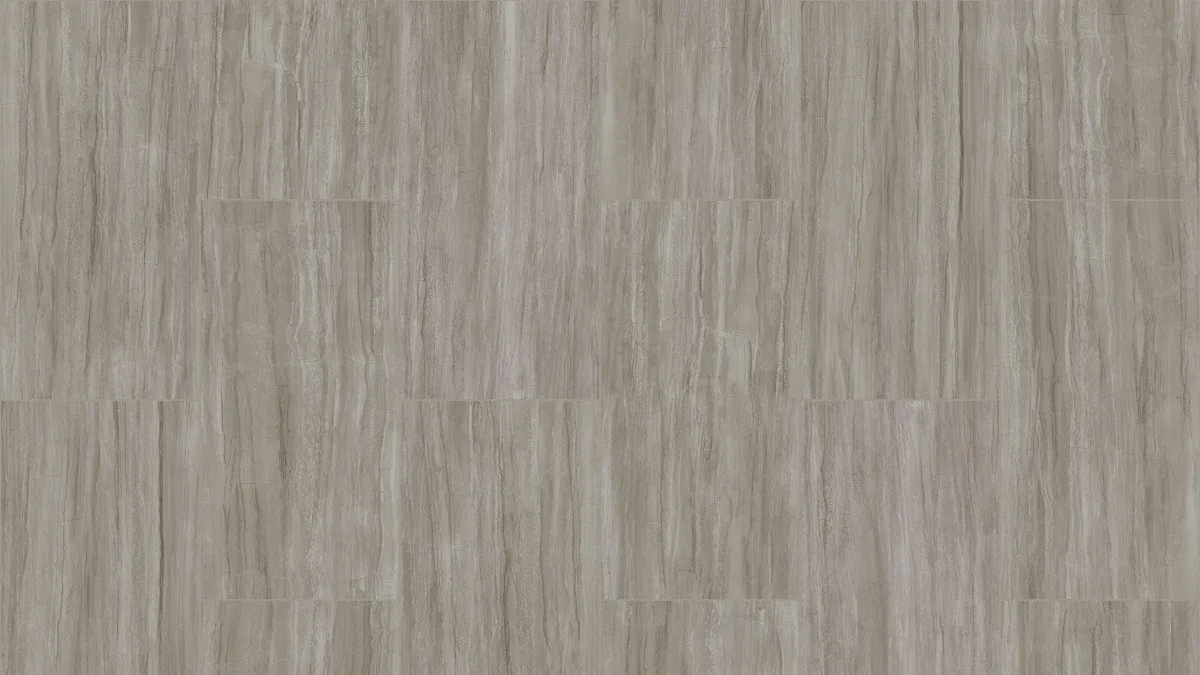
You have many design options when you choose spc flooring for your kitchen or bathroom. Major brands like Karndean create spc floors that combine luxury with practical features. These floors resist water and install easily. You also support eco-friendly manufacturing when you pick certain brands.
You can find spc flooring in a wide range of colors, textures, and finishes. Many designs look just like natural wood or stone. Some even show realistic details, so your floor looks high-end without the high cost. Here are some popular design trends for spc in kitchens and bathrooms:
- Distressed wood looks for a farmhouse style
- Ultra-modern shine for a sleek kitchen
- Contemporary gray for a modern feel
- Light and bright colors to open up small spaces
- Dark wood tones to match bold cabinets
- Warm gray for a cozy atmosphere
- Improved wood textures for a natural touch
- High-variation light colors for a unique look
- Timeless all-wood styles
- Dark wood with strong variation for drama
Tip: If you want a floor that matches your style, spc gives you choices for both classic and trendy looks.
lvp Design Choices
Lvp flooring also gives you a huge selection of styles. Top manufacturers like Mohawk, Shaw, and Mannington offer many options. You can pick from wood, stone, concrete, and even metal looks. The table below shows some popular brands and their design choices:
| Manufacturer | Design and Style Options |
|---|---|
| Mohawk | SolidTech with many styles |
| Shaw Industries | Floorte series with wood and stone looks |
| Mannington | Adura series with rustic wood and modern textures |
| Armstrong | Luxe Plank and Alterna with wood and stone designs |
| Karndean | Korlok and Van Gogh with unique wood and stone replicas |
| Forbo | Allura with wood, stone, and abstract designs |
| Proximity Mills | Rigid Core and SPC with wood and stone looks |
| NuCore | Budget-friendly wood and stone options |
| Flooret | Modin and Basecore with different wood and stone looks |
| Cali | Cali Vinyl Pro and Plus with various styles |
| Tarkett | iD Inspiration and Transcend with many designs |
You see that lvp can mimic hardwood with realistic grain and color. Many homeowners like lvp for its bold patterns, matte finishes, and beveled edges. These features add style and make your kitchen or bathroom feel modern. Lvp also works well if you want a budget-friendly floor that still looks great.
Note: Lvp flooring keeps up with the latest trends, so you can find a style that fits your taste and your home’s needs.
Installation Requirements: spc vs lvp
spc Installation Process
You can install spc flooring in kitchens and bathrooms with a click-lock system. This method does not need glue or nails. Many homeowners choose spc because of the ease of installation. You lay the planks over most subfloors, including concrete and plywood. The planks snap together, creating a tight seal that blocks water.
Before you start, you must prepare the subfloor. Sweep away dust and make sure the surface is level. Let the spc planks acclimate in the room for at least 24 hours. This step helps prevent gaps or warping later. Align the planks carefully to protect the locking edges.
Here is a table showing common installation challenges for spc flooring:
| Installation Challenge | Description |
|---|---|
| Improper subfloor preparation | Failing to level the surface or remove debris can lead to uneven flooring and future issues. |
| Inadequate acclimation | Not allowing sufficient time for the flooring to adjust can cause warping or gaps post-install. |
| Incorrect alignment of planks | Misalignment can damage locking mechanisms, leading to instability and movement of the floor. |
You avoid most problems by following the manufacturer’s instructions. Take your time with each step. You get a strong, waterproof floor that lasts for years.
Tip: Always check the subfloor for bumps or moisture before installing spc. This helps you achieve the best results and improves the ease of installation.
lvp Installation Process
You find that lvp flooring also offers ease of installation. You can use a floating floor method or glue-down technique. Most people prefer the floating method for kitchens and bathrooms. The planks lock together, and you do not need special tools.
You must clean, level, and dry the subfloor before you begin. If you skip this step, you may see warping or buckling later. Installing lvp over a wet or uneven subfloor can cause planks to lift, especially in moisture-prone areas.
Common installation challenges for lvp include:
- Neglecting proper subfloor preparation can lead to warping or buckling of lvp flooring.
- Failing to clean, level, and dry the subfloor can result in poor adhesion.
- Installing over an uneven or wet subfloor can cause planks to lift or buckle, especially in kitchens and bathrooms.
You get the best results by following each step carefully. The installation comparison between spc and lvp shows that both types offer simple methods, but you must pay attention to subfloor conditions. You enjoy a smooth process and a beautiful floor when you focus on ease of installation.
Cost Comparison: spc vs lvp for Kitchens and Bathrooms
spc Cost Factors
When you plan your kitchen or bathroom flooring, you want to know how much you will spend. spc flooring gives you a strong and waterproof surface, but you need to look at the price before you decide. Most homeowners pay between $2 and $6 per square foot for spc flooring. This price covers the material only. You may pay more if you choose premium designs or thicker planks.
| Average Cost | Details |
|---|---|
| SPC Flooring | $2 – $6 per square foot |
You also need to think about installation. Many spc floors use a click-lock system, so you can install them yourself and save money. If you hire a professional, you pay extra for labor. Some installers charge by the hour, while others charge by the square foot. You may also need to buy underlayment or pay for floor preparation. These costs add up, so make sure you include them in your budget.
Tip: If you want a durable floor and you can install it yourself, spc flooring helps you save on labor costs.
lvp Cost Factors
lvp flooring gives you many style choices and a soft feel, but you need to look at the total cost. The price for lvp material ranges from $2.50 to $5.00 per square foot. You also pay for labor and installation, which usually costs $1.50 to $3.50 per square foot. If your floor needs underlayment, you pay another $0.50 to $1.00 per square foot. Removing old flooring or preparing the surface adds $1.00 to $2.00 per square foot.
| Cost Component | Typical Range (per sq. ft.) |
|---|---|
| LVP Material (mid-range) | $2.50 – $5.00 |
| Labor & Installation | $1.50 – $3.50 |
| Underlayment (if needed) | $0.50 – $1.00 |
| Floor Prep/Removal | $1.00 – $2.00 |
| Total Installed Cost | $5.50 – $11.50 |
You see that lvp flooring costs more when you add installation and extra materials. The total installed cost for lvp ranges from $5.50 to $11.50 per square foot. If you want a budget-friendly option, you may choose thinner planks or install the floor yourself.
Note: Always check the total cost before you buy lvp flooring. This helps you avoid surprises and stay within your budget.
Choosing the Right Flooring: primary differences for Your Space
Factors to Consider for Kitchens
When you choose flooring for your kitchen, you want to think about the suitability of each option. Kitchens see spills, heavy foot traffic, and dropped items. You need a floor that can handle these challenges. The primary differences between spc and lvp flooring come from their material and water resistance. spc flooring uses a rigid core made from limestone powder and PVC. This makes it more durable and waterproof. lvp flooring uses flexible PVC, which feels softer but is less durable.
Here is a table to help you compare the suitability for different rooms:
| Factor | SPC Flooring | LVP Flooring |
|---|---|---|
| Material | Limestone powder and PVC, durable and waterproof | PVC, flexible but less durable |
| Thickness | Thicker due to rigid core | Thinner, more flexible |
| Water Resistance | More water-resistant | Water-resistant but less so than SPC |
| Installation | Easy over existing flooring | Adapts better to uneven subfloors |
| Design Options | Wide variety | Wide variety |
| Cost | More expensive | Less expensive |
You should look at the suitability for different rooms in your home. If you want maximum water resistance and durability, spc flooring works best for kitchens. If you prefer a softer feel and lower cost, lvp flooring offers good suitability.
Tip: Always check the thickness and water resistance before you decide. These features affect the suitability of your kitchen floor.
Factors to Consider for Bathrooms
Bathrooms need flooring with high suitability for moisture and humidity. You want a surface that resists water and does not warp. spc flooring gives you excellent suitability because it blocks water and stays strong. You can mop and clean without worrying about damage. lvp flooring also provides good suitability for bathrooms, but it does not match the waterproof strength of spc.
You should think about the suitability for different rooms when you choose bathroom flooring. Look at how each type handles water, cleaning, and comfort. spc flooring works well if you want a hard, waterproof surface. lvp flooring suits you if you want a softer feel and easy installation.
- spc flooring offers top suitability for bathrooms with frequent water exposure.
- lvp flooring gives you comfort and style, but you need to check the water resistance.
Note: Always consider the suitability of each flooring type for your bathroom. Water resistance and durability matter most in this space.
When you compare spc vs lvp for kitchens and bathrooms, you see clear differences. spc vs lvp shows that spc gives you better water resistance and durability. lvp feels softer and offers more comfort underfoot. You should think about your needs before you choose. If you want a tough, waterproof floor, spc works best. If comfort matters most, lvp is a good pick. Always look at your space and decide which spc vs lvp features fit your lifestyle.
FAQ
Can you install SPC or LVP flooring over existing tile?
You can install both SPC and LVP over existing tile if the surface is flat and clean. Check for loose tiles and fill gaps before starting. This saves you time and money on removal.
Does SPC flooring feel cold in bathrooms?
SPC flooring feels cooler than LVP because of its rigid core. You can add an underlayment or use area rugs to make the floor warmer and more comfortable.
Which flooring is better for homes with pets?
SPC flooring resists scratches and dents from pet claws. You get a tough surface that stands up to heavy use. LVP also works well, but SPC offers more durability for active pets.
How do you fix scratches on LVP flooring?
You can use a vinyl floor repair kit to fix small scratches. Clean the area first, then apply the repair solution. For deep scratches, replace the damaged plank.
Is LVP flooring safe for bathrooms with radiant heating?
You can use LVP flooring with radiant heating systems. Check the manufacturer’s guidelines for temperature limits. Most LVP products work well with heated floors and do not warp.




