
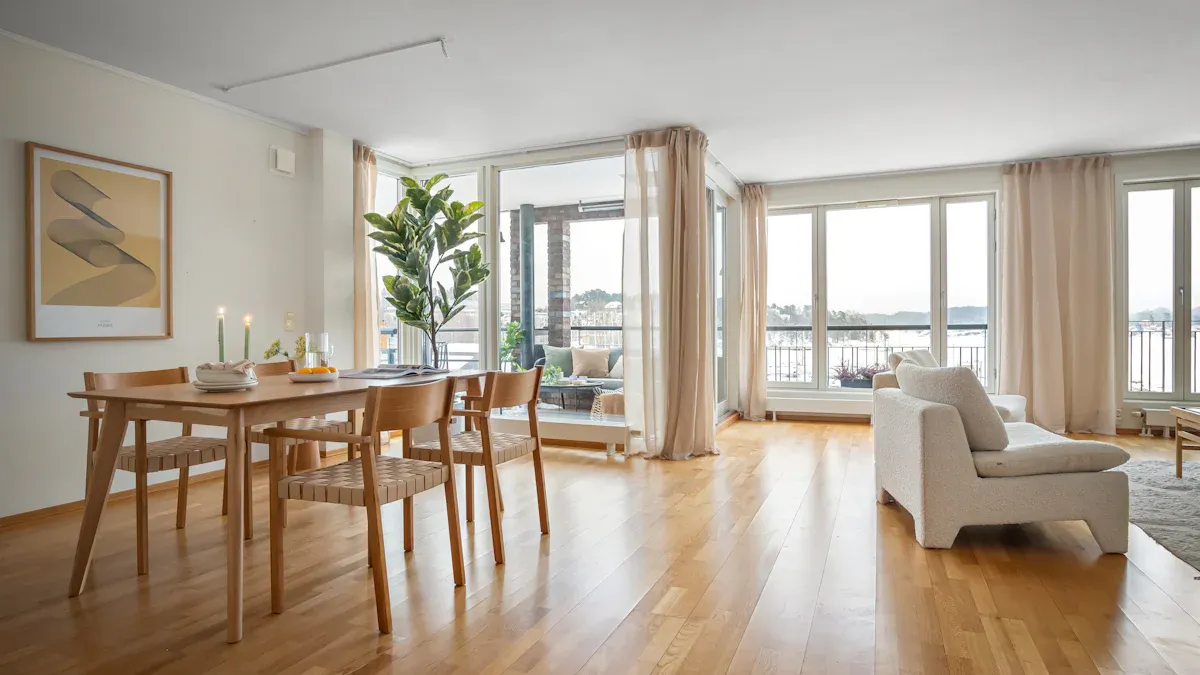
When you compare spc vs lvp, you want a floor that fits your life and style. Homeowners often choose flooring based on how it looks, how long it lasts, and how much it helps their home’s value.
- Many people pick flooring because it makes rooms look better.
- Durable options matter for busy families.
- A good floor can increase your home’s resale value.
You should think about durability, cost, appearance, comfort, installation, and maintenance before making your choice.
SPC vs LVP Flooring: Quick Comparison Table
When you look for new flooring, you want to see the facts side by side. A quick comparison helps you decide what fits your home best. Below, you will find a table that shows how SPC and LVP flooring stack up in three important areas: durability, cost, and appearance.
| Metric | SPC Flooring | LVP Flooring |
|---|---|---|
| Durability | More rigid and durable, suitable for high traffic | Flexible, excellent resilience against dents and scratches |
| Cost | Comparable, slight edge in long-term value due to durability | Comparable, initial costs vary based on style and installation |
| Appearance | Wide range of design options | Extensive design options, from rustic to modern styles |
Tip: Use this table as a starting point. Think about your daily life and which type of flooring matches your needs.
You will notice that SPC flooring stands out for its strength. It works well in busy areas where you expect a lot of foot traffic. The rigid core in SPC flooring gives it extra toughness. If you have pets or kids, you might want this extra layer of protection.
LVP flooring offers great flexibility. It handles dents and scratches with ease. Many homeowners choose LVP flooring for its soft feel underfoot. You can find LVP flooring in many styles, from rustic wood looks to sleek modern finishes.
Cost matters, too. Both types of flooring have similar prices. SPC flooring may save you money over time because it lasts longer in tough conditions. LVP flooring gives you many choices at different price points, so you can match your budget and style.
When you pick between SPC and LVP flooring, focus on what matters most to you. Do you want the hardest surface, or do you prefer a softer, more flexible floor? Each type of flooring brings something special to your home.
SPC Flooring Overview
Features of SPC Flooring
You will notice that SPC flooring stands out because of its strong core. SPC stands for stone polymer composite. Manufacturers use limestone, polyvinyl chloride, and special additives to create this rigid base. The core gives SPC vinyl flooring its stability and makes it resistant to moisture. You can install SPC flooring in kitchens, bathrooms, and basements without worrying about water damage. The wear layer on top protects against scratches and dents. The decorative layer gives you many design choices, so you can match your style.
Here is a quick look at the main materials in SPC flooring and how they affect performance:
| Material | Role in SPC Flooring | Impact on Performance |
|---|---|---|
| Limestone | Provides rigidity and stability to the core | High-purity limestone enhances durability and stability; impurities can weaken the core. |
| Polyvinyl Chloride (PVC) | Acts as a binder, providing flexibility and resilience | High-quality PVC contributes to a robust core; low-quality may lead to brittleness. |
| Stabilizers and Plasticizers | Enhance heat resistance and flexibility | High-quality additives ensure durability; poor-quality can cause brittleness and discoloration. |
| Wear Layer | Protects against scratches and wear | Thicker, high-quality wear layers offer better protection and reduce maintenance needs. |
| Decorative Layer | Provides aesthetic appeal | High-quality layers replicate natural materials, enhancing visual appeal. |
Pros of SPC Flooring
You get many benefits when you choose SPC flooring for your home. The rigid core makes it tough and long-lasting. You can expect SPC flooring to last between 10 and 25 years in most homes. If you take good care of it, it may last up to 30 years. Many brands offer warranties from 5 to 25 years, showing their confidence in the product. SPC vinyl flooring is waterproof, so you do not have to worry about moisture or spills. You can clean it easily with simple tools. The stone polymer composite core resists dents and scratches, making it a smart choice for busy families and pet owners.
- SPC flooring typically has a life expectancy of 10 to 25 years.
- Well-maintained SPC flooring can last up to 30 years.
- High-quality SPC flooring often comes with warranties ranging from 5 to 25 years for residential use.
Note: SPC flooring works well in areas with high moisture, such as laundry rooms and entryways.
Cons of SPC Flooring
You should know about some drawbacks before you decide on SPC flooring. The rigid core can feel hard underfoot, so it may not be as comfortable as softer floors. SPC vinyl flooring sometimes costs more upfront than other options. If you install it over an uneven surface, you may notice bumps or gaps. The stone polymer composite core does not absorb sound well, so rooms may feel louder. You may need extra underlayment to reduce noise. Some designs may look less natural than real wood or stone.
LVP Flooring Overview
Features of LVP Flooring
You will find that LVP flooring stands out for its realistic look and comfortable feel. LVP means luxury vinyl plank, and it uses advanced printing technology to mimic wood or stone. The multi-layer construction gives you a strong and stable floor. The top layer protects against scratches and stains. The core layer can be made from WPC or SPC. WPC gives you a softer feel and absorbs sound well. SPC makes the flooring more rigid and resistant to impacts. The backing layer adds stability and may include an underlayment for extra comfort and sound insulation.
Here are the main materials you will see in LVP flooring and how they affect performance:
| Layer | Material Used | Impact on Performance |
|---|---|---|
| Wear Layer | Vinyl | Protects against scratches and stains |
| Decorative Layer | Printed Vinyl | Creates realistic wood or stone look |
| Core Layer | WPC or SPC | WPC is softer; SPC is more durable |
| Backing Layer | Foam or Cork | Adds comfort and sound insulation |
Pros of LVP Flooring
You get many benefits when you choose LVP flooring for your home. The water-resistant surface makes it a good choice for kitchens and bathrooms. You can install luxury vinyl plank flooring in places where moisture is a concern. The soft feel underfoot helps you stay comfortable when you stand for long periods. LVP flooring absorbs sound, so your rooms stay quieter. You will find many styles, colors, and textures to match your taste. Cleaning is easy, and you do not need special products.
- LVP flooring can last between 10 to 25 years, depending on the wear layer and core material.
- High-quality luxury vinyl plank can last up to 25 years or more with proper care.
- Most residential-grade LVP flooring lasts 10 to 20 years, but you can extend its life with good maintenance.
Tip: Choose LVP flooring with a thicker wear layer if you want a longer-lasting floor.
Cons of LVP Flooring
You should know about some drawbacks before you decide on LVP flooring. The softer core in some LVP products may dent if you drop heavy objects. You might see fading if you place the flooring in direct sunlight for long periods. Some luxury vinyl plank flooring can emit odors when new, but these usually fade over time. You may need to replace damaged planks if deep scratches occur. LVP flooring does not add as much resale value as real hardwood, but it still improves the look and function of your home.
SPC vs LVP: Flooring Head-to-Head Comparison
Durability
When you compare spc vs lvp, durability stands out as one of the most important factors. You want a floor that can handle daily life, especially if you have kids or pets. SPC flooring uses a stone polymer composite core, which makes it tough and resistant to impacts. You can drop heavy objects, and the floor will not dent easily. LVP flooring also offers good durability, but it is more flexible and can be slightly more prone to scratches.
- SPC flooring is generally more durable and scratch-resistant than LVP flooring because of its rigid core.
- SPC resists impacts, stains, scratches, and wear and tear, making it ideal for busy households.
- LVP is flexible and resilient, but it may show dents if you drop something heavy.
Water resistance also affects durability. You want your flooring to stand up to spills and moisture, especially in kitchens and bathrooms. The table below shows how both types perform in high-moisture areas:
| Flooring Type | Performance in High-Moisture Areas |
|---|---|
| SPC | Generally better due to rigid core and superior waterproofing |
| LVP | Waterproof but may not perform as well in extreme moisture conditions |
You will notice that spc flooring works better in places with lots of water, like laundry rooms or basements. LVP flooring is waterproof, but it may not last as long in very wet spaces.
Cost
You want to know how much you will spend before you choose new flooring. The cost comparison between spc vs lvp helps you plan your budget. Both options offer a range of prices, but there are some differences.
| Flooring Type | Average Cost per Square Foot |
|---|---|
| SPC Flooring | $3.50 – $7.00 |
| LVP Flooring | $2.00 – $7.00 |
SPC flooring usually costs a bit more per square foot, but you may save money over time because it lasts longer in tough conditions. LVP flooring gives you more choices at lower prices, so you can match your budget and style.
Installation costs also matter. You want to know how much it will cost to put the flooring in your home. Professional installers report that:
- SPC flooring costs about $0.50 to $1.00 more per square foot than WPC options.
- SPC requires less subfloor preparation, which can save you money on labor.
- WPC flooring (a type of LVP) may need more work to prepare the floor, which can increase costs.
Tip: Always check if your floor is flat before installing. If you need to level it, cement-based self-leveling works best for wet areas.
When you look at maintenance, you want a floor that does not need expensive repairs. SPC flooring is preferred in high-traffic areas because it needs less cleaning and fewer repairs. Both spc and lvp require simple care, like sweeping and damp mopping. LVP is more likely to get scratched, which can mean higher repair costs over time.
Appearance and Style
You want your flooring to look great and match your home’s style. Both spc and lvp offer many design choices. You can pick from wood looks, stone patterns, and modern finishes. LVP flooring uses advanced printing to create realistic textures and colors. SPC flooring also gives you a wide range of options, but some designs may look less natural than real wood.
Comfort and sound matter, too. SPC flooring feels harder underfoot because of its dense core. LVP is softer and warmer, which makes it better for rooms where you stand a lot, like kitchens or living rooms.
- SPC flooring is harder underfoot, but you can add underlayment to make it more comfortable.
- LVP is more comfortable for standing and usually feels warmer.
- Both types can include underlayment or backing to improve sound absorption.
Sound absorption helps keep your home quiet. SPC flooring often comes with attached backing that reduces noise. LVP absorbs sound well because of its multi-layer construction. Some LVP varieties have extra padding for even better sound control.
- SPC flooring with underlayment creates a quieter environment.
- LVP absorbs sound and reduces noise from footsteps.
- Both types help minimize sound transmission between floors.
Note: If you want a floor that looks like real wood and feels soft, LVP flooring is a great choice. If you want a tough, waterproof floor for busy spaces, SPC flooring works best.
Comfort Underfoot
You want your flooring to feel good when you walk on it. Comfort underfoot matters, especially if you spend a lot of time standing or walking in your home. When you compare spc vs lvp, you notice differences in how each type feels.
SPC flooring has a rigid core. This makes it strong, but it can feel hard under your feet. You may notice this in kitchens or hallways where you stand for long periods. Some brands add a backing layer to improve comfort, but the floor still feels firm.
LVP flooring feels softer. The flexible core absorbs impact and makes walking easier. You get a warmer feeling, especially in living rooms and bedrooms. Many homeowners choose LVP for spaces where comfort is important.
Tip: If you want extra comfort, look for flooring with attached underlayment. This layer adds cushioning and helps reduce noise.
Here is a quick comparison:
| Feature | SPC Flooring | LVP Flooring |
|---|---|---|
| Feel Underfoot | Hard and firm | Soft and cushioned |
| Warmth | Cooler | Warmer |
| Sound Absorption | Moderate | Good |
Choose the flooring that matches your comfort needs. If you want a softer feel, LVP works best. If you need durability and do not mind a firmer surface, SPC is a good choice.
Installation Process
You want flooring that is easy to install. Both SPC and LVP offer simple installation methods. Most products use a click-lock system. You fit the planks together without glue or nails. This makes installation fast and clean.
SPC flooring is heavier because of its stone core. You need to make sure your subfloor is flat. If the surface is uneven, you may see gaps or bumps. Many people like SPC because it allows for easy installation over concrete or tile.
LVP flooring is lighter and more flexible. You can cut the planks with a utility knife. This makes installation easier in tight spaces. LVP works well in rooms with odd shapes or corners.
Note: Always check the manufacturer’s instructions before starting installation. Some flooring types need special tools or underlayment.
Here are steps for easy installation:
- Clean and level the subfloor.
- Lay down underlayment if needed.
- Start in one corner and click the planks together.
- Cut planks to fit edges and corners.
- Finish by installing trim and transitions.
You can install both SPC and LVP flooring yourself. Many homeowners save money by choosing easy installation. If you want professional results, you can hire an installer.
| Step | SPC Flooring | LVP Flooring |
|---|---|---|
| Subfloor Prep | Must be flat | Flexible, less strict |
| Cutting | Needs saw | Utility knife works |
| Installation Speed | Fast | Fast |
| DIY Friendly | Yes | Yes |
Choose the flooring that fits your skills and schedule. Both SPC and LVP offer easy installation, but LVP may be simpler for beginners.
Maintenance and Cleaning
You want flooring that stays clean with little effort. Both SPC and LVP make maintenance easy. You can sweep or vacuum daily to remove dust and dirt. Use a damp mop for deeper cleaning. Avoid harsh chemicals that can damage the surface.
SPC flooring resists stains and water. You do not need special cleaners. If you spill something, wipe it up quickly. The rigid core prevents water from soaking in.
LVP flooring also resists water and stains. The softer surface may scratch if you drag heavy furniture. Use felt pads under chairs and tables. Clean spills right away to keep your floor looking new.
Alert: Never use steam mops on SPC or LVP flooring. High heat can damage the planks.
Here is a simple cleaning routine:
- Sweep or vacuum daily.
- Mop with a damp cloth weekly.
- Wipe up spills immediately.
- Use gentle cleaners only.
Both SPC and LVP flooring offer easy maintenance. You spend less time cleaning and more time enjoying your home.
Environmental Impact
You want to know how your flooring choice affects the planet. Both SPC and LVP flooring use vinyl, which comes from plastic. Manufacturers use chemicals and energy to make these floors. You should think about how these materials impact the environment.
SPC flooring uses a stone polymer core. This core contains limestone, which is a natural material. The process to mine and transport limestone uses energy. The vinyl part of SPC flooring comes from oil. Making vinyl releases greenhouse gases. Some brands use recycled materials in SPC flooring. You can look for products with certifications like FloorScore or GreenGuard. These labels show that the flooring meets indoor air quality standards.
LVP flooring uses a vinyl core. Some LVP products use wood plastic composite (WPC). WPC contains wood fibers and plastic. The wood fibers come from trees. The plastic part comes from oil. Some LVP floors use recycled content. You can check for eco-friendly certifications. These certifications help you choose floors with lower emissions.
Here is a table to help you compare the environmental impact:
| Flooring Type | Main Materials | Recycled Content | Certifications Available | VOC Emissions |
|---|---|---|---|---|
| SPC | Limestone, Vinyl | Sometimes | FloorScore, GreenGuard | Low to Medium |
| LVP | Vinyl, WPC or SPC | Sometimes | FloorScore, GreenGuard | Low to Medium |
Tip: You can reduce your impact by choosing flooring with recycled content and low VOC emissions. Always check the product label for certifications.
When you install SPC or LVP flooring, you do not need glue. This helps lower chemical use in your home. Both types last many years, which means you do not replace them often. Long-lasting floors help reduce waste. When you remove old flooring, you should recycle it if possible. Some recycling centers accept vinyl flooring.
Resale Value
You want your home to keep its value. Flooring plays a big role in how buyers see your home. SPC and LVP flooring both improve the look of your rooms. Buyers like clean, modern floors. You can expect SPC flooring to add more value in high-traffic areas. The rigid core and waterproof features make SPC flooring a selling point. Buyers see SPC as durable and easy to care for.
LVP flooring also boosts resale value. The realistic wood and stone looks appeal to many buyers. LVP feels soft and warm, which makes bedrooms and living rooms more inviting. You can choose styles that match current trends. Buyers like homes with updated flooring.
Here are some points to consider:
- SPC flooring works best in kitchens, bathrooms, and entryways. Buyers want waterproof floors in these spaces.
- LVP flooring fits bedrooms, living rooms, and family rooms. Buyers like the comfort and style.
- Both SPC and LVP flooring last many years. Buyers see this as a good investment.
- Real hardwood floors add the most value, but SPC and LVP offer a budget-friendly upgrade.
Note: You can increase your home’s resale value by choosing high-quality flooring and keeping it in good condition. Clean floors and modern styles attract buyers.
You should pick the flooring that fits your home’s needs and style. Both SPC and LVP flooring help you create a space that buyers will love.
Best Use Cases for SPC vs LVP Flooring
Best Rooms for SPC Flooring
You want your flooring to handle tough conditions. SPC flooring works best in rooms where water and heavy use are common. Kitchens and bathrooms often have spills and splashes. SPC flooring is 100% waterproof, so you do not need to worry about water damage. You can also use it in laundry rooms and basements, where water leaks sometimes happen. Hotel lobbies and entryways see high foot traffic every day. The strong core in SPC flooring stands up to constant use without showing wear. If you want a floor that resists water and lasts in busy spaces, SPC flooring is a smart choice.
Note: SPC flooring is ideal for any area that faces water or lots of people walking through.
Best Rooms for LVP Flooring
You may want a floor that feels soft and looks stylish. LVP flooring gives you many design options and comfort underfoot. You can use LVP in living rooms to add the warmth of wood without worrying about scratches. Bedrooms feel cozy and easy to clean with LVP. Kitchens and bathrooms also benefit from LVP’s water resistance, so you get the look of hardwood without the risk of water damage. Basements often have humidity, but LVP flooring handles it well. Home offices stay professional and polished with LVP, and you spend less time on upkeep.
- Living rooms
- Bedrooms
- Kitchens
- Bathrooms
- Basements
- Home offices
LVP flooring fits almost any room where you want comfort, style, and protection from water.
Lifestyles and Family Considerations
Your family’s needs shape your flooring choice. If you have pets, you want a floor that resists stains and is easy to clean. LVP flooring stands out for homes with pets because it is softer underfoot and handles damage better than SPC. You can clean up water and messes quickly, and the floor keeps its good looks. Large families or homes with children also benefit from LVP’s durability and simple care. If you need flooring for high foot traffic and lots of water, SPC works well. For comfort and easy cleaning, LVP is often the better pick.
Decision Guide: Choosing the Right Flooring
How to Choose Based on Your Priorities
You want to make the best choice for your home. Start by thinking about what matters most to you. Some people care about durability. Others focus on comfort or style. Many homeowners look at their budget before picking new flooring.
Use this table to compare key features of spc and lvp flooring. It helps you see which type matches your needs and budget.
| Feature | SPC Flooring | LVP Flooring |
|---|---|---|
| Core Development | Rigid core made from stone-plastic composite | Flexible vinyl core |
| Strength | Tough and resistant to marks and scratches | Good wear resistance for residential use |
| Water Resistance | Completely waterproof | Water-resistant but less effective in constant exposure |
| Comfort Underfoot | Rigid, may feel harder underfoot | Softer and more comfortable |
| Installation | Easy click-lock system, but less adaptable | Easy click-lock system, more adaptable over flawed subfloors |
If you want a tough floor for busy rooms, spc flooring works well. You get strong protection against water and scratches. If you want a softer feel and more comfort, lvp flooring is a good choice. You can find styles that fit your taste and budget. Many families choose lvp as a budget-friendly option for bedrooms and living rooms. Always check the cost before you decide. Make sure your budget covers both the flooring and installation.
Tip: Write down your top priorities. Match them with the features in the table. This helps you pick the right flooring for your home and budget.
Common Mistakes to Avoid
You want your new flooring to last. Avoid these common mistakes when you install spc or lvp flooring:
- Not preparing the subfloor. Uneven surfaces can cause gaps and movement.
- Skipping the acclimation process. Let the flooring adjust to room temperature before installation.
- Using the wrong adhesive. If you use glue-down vinyl, pick the correct adhesive.
- Not leaving expansion gaps. Vinyl needs space to expand and contract.
- Ignoring manufacturer instructions. Always follow the guidelines for the best results.
You can save money and protect your budget by planning ahead. Take your time with each step. Read the instructions before you start. Ask a professional if you have questions. Careful planning helps you avoid extra cost and keeps your flooring looking great.
When you compare spc vs lvp, you see each flooring type has its strengths.
- SPC flooring works best in high-traffic areas because it resists dents and water.
- LVP flooring feels softer and fits well in bedrooms or apartments.
Here is a quick look at what experts say:
| Flooring Type | Pros | Cons |
|---|---|---|
| SPC Flooring | Waterproof, durable, easy to clean | Feels harder, costs more |
| LVP Flooring | Comfortable, easy to install | Less rigid, not fully waterproof |
Think about your daily life and which flooring matches your needs. If you feel unsure, talk to a flooring professional for guidance.
FAQ
What is the main difference between SPC and LVP flooring?
SPC flooring has a rigid stone-polymer core. LVP flooring uses a flexible vinyl or wood-plastic core. You get more durability and water resistance with SPC. LVP feels softer and offers more comfort underfoot.
Can you install SPC or LVP flooring over existing floors?
You can install both types over most existing floors. Make sure the surface is clean, dry, and level. Remove any loose tiles or planks before starting. Always check the manufacturer’s instructions for best results.
Is SPC or LVP flooring safe for homes with pets?
Both SPC and LVP flooring work well for homes with pets. SPC resists scratches and water better. LVP feels softer for pets to walk on. Clean up spills and accidents quickly to keep your floors looking new.
How do you clean and maintain SPC or LVP flooring?
Sweep or vacuum your floor daily. Use a damp mop for deeper cleaning. Avoid harsh chemicals and steam mops. Wipe up spills right away. Both flooring types need only simple care to stay in good shape.
Does SPC or LVP flooring fade in sunlight?
Both SPC and LVP flooring can fade if exposed to direct sunlight for long periods. Use curtains or blinds to protect your floors. Some products have UV protection layers. Always check product details before buying.




