
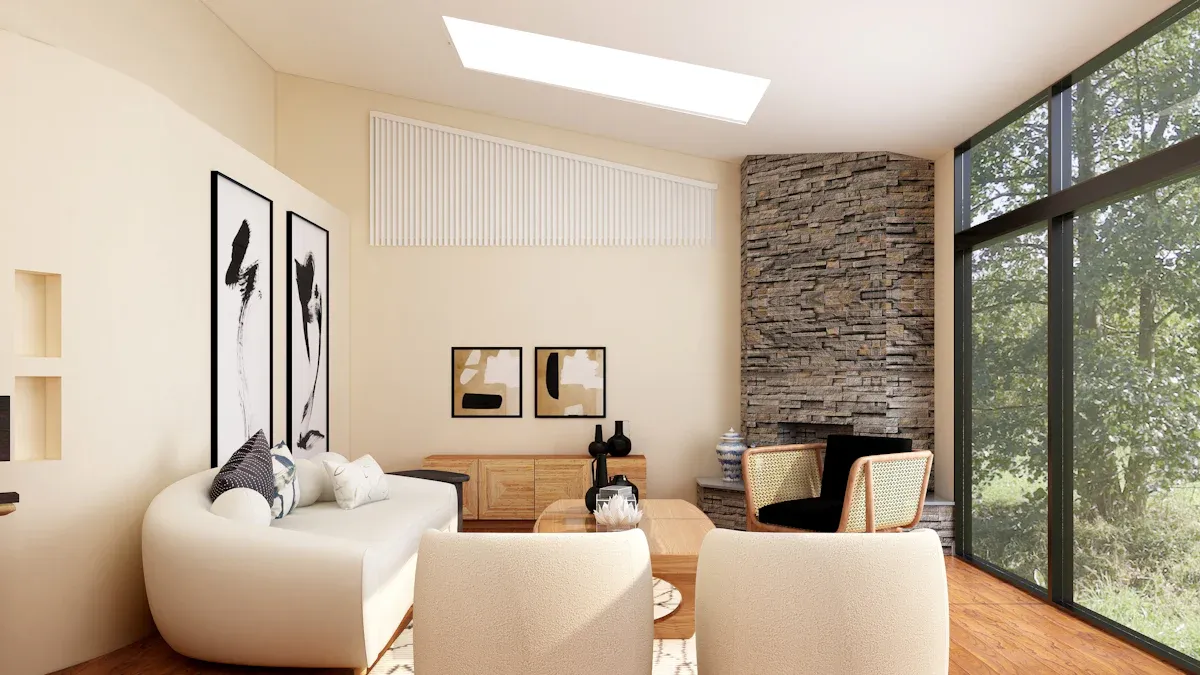
You want your home to look modern and feel comfortable. LVP floors help you reach that goal. Many people ask, what are lvp floors? These floors use advanced technology to create surfaces that look like real wood or stone. LVP offers you tough durability and strong water resistance. In the United States, lvp now holds about 75% of the market share for vinyl flooring.
| Region | Market Share | Key Growth Drivers and Features |
|---|---|---|
| United States | ~75% | Durable, cost-effective, stylish, and perfect for new homes and renovations. |
| Canada | ~15% | Focus on eco-friendly options, high home ownership, and government support for green building. |
LVP comes in many styles. You can pick extra-wide planks, bold patterns, or nature-inspired looks. LVP floors also work well with pets, resist scratches, and stay safe with textured finishes. You find smart features like antimicrobial coatings and underfloor heating compatibility. LVP floors bring you both beauty and function for any space.
What Are LVP Floors?
Definition of Luxury Vinyl Plank Flooring
When you ask, “what are lvp floors,” you discover a modern flooring solution that combines style and strength. Luxury vinyl plank flooring, often called LVP, gives you the look of real wood or stone without the high cost or maintenance. You get a floor that feels comfortable underfoot and stands up to daily life. LVP uses advanced printing technology to create ultra-realistic images on each plank. This means your floors can look like oak, maple, or even marble.
You find that luxury vinyl plank flooring is waterproof and resists scratches. It does not expand or contract like hardwood, so you avoid problems like warping or gapping. LVP also meets strict indoor air quality standards, making it a safe choice for your home. Many brands offer warranties up to 30 years, showing confidence in the product’s durability.
Tip: If you want a floor that looks beautiful and lasts for years, luxury vinyl plank flooring is a smart choice.
How Vinyl Plank Flooring Is Made
You might wonder how vinyl plank flooring gets its strength and realistic look. Manufacturers use several layers to build each plank. The process starts with a strong core, often made from stone polymer composite (SPC). This core gives the plank stability and makes it waterproof. On top of the core, you find a high-definition print layer. This layer uses advanced imaging to mimic wood or stone.
A clear wear layer covers the print. This layer protects against scratches, stains, and fading. Some LVP floors add a textured finish, so the surface feels like real wood grain. At the bottom, an acoustic underlayment absorbs sound and adds comfort. The result is a floor that looks great, feels good, and stands up to busy households.
The popularity of vinyl plank flooring keeps growing. The hard-surface flooring market is expected to reach $120 billion by 2033, with much of this growth driven by LVP. Homeowners choose LVP because it is affordable, easy to install, and offers many design options.
Materials and Construction of LVP
You see that the materials used in LVP make it both tough and attractive. Each plank has three main layers:
- Acoustic Underlayment: This bottom layer reduces noise and adds comfort.
- Rigid Waterproof Core: Usually made from SPC, this core keeps the plank stable and waterproof.
- Decorative Print and Wear Layer: The print layer shows the wood or stone design. The wear layer, often finished with aluminum oxide polyurethane, protects against scratches and stains.
Here is a table showing the key features of LVP and what recent research says about them:
| Key Feature | Market Research Insights |
|---|---|
| Durability | SPC LVP leads the market for its strength and stability. |
| Water Resistance | Waterproof surfaces make LVP ideal for kitchens and bathrooms. |
| Scratch Resistance | New LVP products resist scratches and keep their good looks longer. |
| Easy Maintenance | You can clean LVP easily with simple tools. |
| Realistic Textures | Textured and embossed surfaces look and feel like real wood or stone. |
| Affordability | LVP costs less than hardwood or stone but looks just as good. |
| Sustainability | Many LVP floors are recyclable and made with low-emission materials. |
| Popular Types | SPC and WPC types offer different levels of durability and comfort. |
You also find that vinyl plank flooring uses virgin vinyl to keep your indoor air safe. It avoids recycled materials that might contain harmful chemicals. LVP meets strict standards like FloorScore and CARB Phase 2, so you can trust its safety. Installation is simple, especially with click-lock systems that snap together without glue. You can cut planks with basic tools, making it a good choice for DIY projects.
Vinyl plank flooring stands out because it combines beauty, strength, and value. You get a floor that fits any room, from kitchens to bedrooms. The rise of luxury vinyl tile and lvt flooring shows that more people want floors that are both stylish and practical. As you explore what are lvp floors, you see why so many homeowners choose luxury vinyl flooring for their modern homes.
Benefits of Installing LVP Flooring
Durability and Scratch Resistance
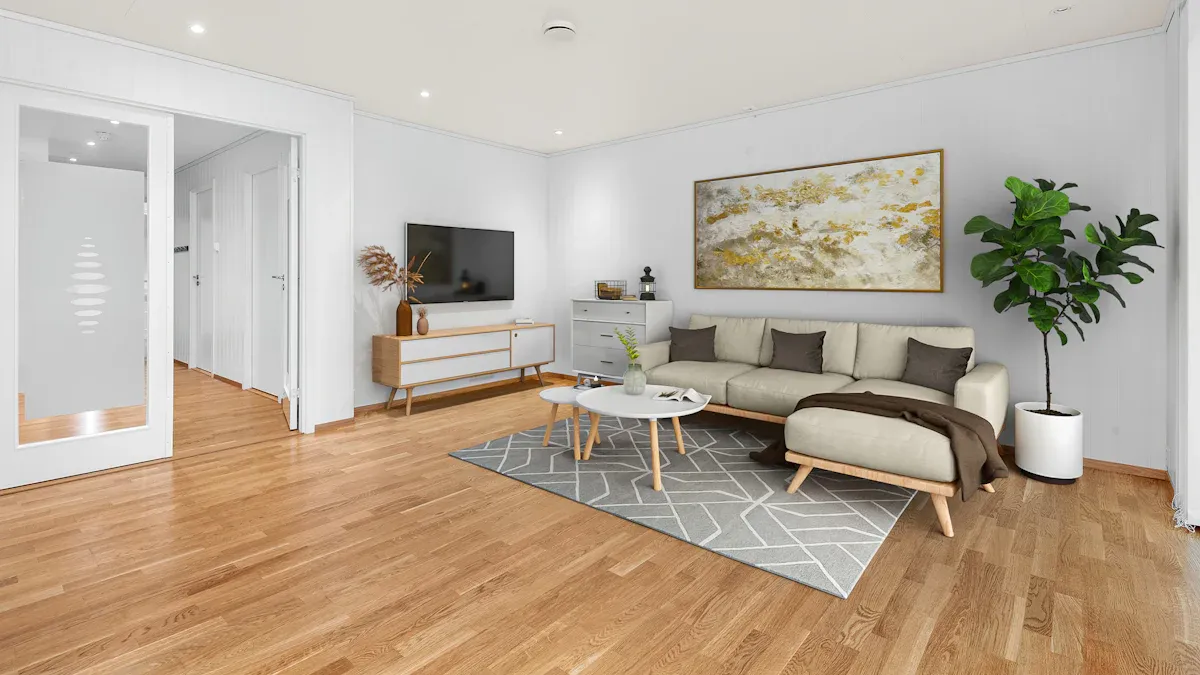
When you choose LVP for your home, you get a floor that stands up to daily life. The construction of vinyl plank flooring uses advanced materials that make it strong and long-lasting. Most LVP floors have a rigid core made from either Stone Plastic Composite (SPC) or Wood Plastic Composite (WPC). SPC cores use powdered limestone and PVC, which gives you a dense, impact-resistant, and stable plank. WPC cores combine recycled wood pulp and plastic, making the floor softer and warmer underfoot while still being waterproof.
The top layer of LVP, called the wear layer, protects your floor from scratches, dents, and stains. Manufacturers often use polyurethane mixed with aluminum oxide or ceramic bead technology. This combination helps your floor resist damage from pets, furniture, and heavy foot traffic. You can move chairs, drop toys, or walk with shoes without worrying about marks or scuffs.
Here is a table that shows how each layer of LVP adds to its durability:
| Layer | Material/Type | Construction Quality Contribution |
|---|---|---|
| Backing | Foam cushion, cork, iXPE, action back padding | Adds moisture protection, sound dampening, and stability |
| Core | SPC or WPC | SPC is denser and more impact-resistant; WPC offers warmth |
| Image Layer | Printed wood-like image, embossed in register | Gives realistic wood appearance and texture |
| Wear Layer | Polyurethane with aluminum oxide or ceramic bead | Enhances scratch, dent, and water resistance for durability |
You can trust that luxury vinyl plank flooring will keep its good looks for years. Many brands offer warranties that last up to a lifetime for residential use. This level of protection shows the confidence manufacturers have in the durability and longevity of LVP.
Tip: If you have kids or pets, LVP is a smart choice because it resists scratches and dents better than many other flooring types.
Water and Moisture Resistance
One of the biggest reasons people pick LVP is its waterproof design. Vinyl plank flooring does not absorb water, so you do not have to worry about spills or splashes. The core of LVP, whether SPC or WPC, keeps water from seeping in and causing damage. This makes LVP perfect for kitchens, bathrooms, laundry rooms, and even basements.
Manufacturers use special locking systems like WetProtect, SpillShield Plus, and i-Click4U to stop water from getting below the surface. These systems help protect both the floor and the subfloor. Some LVP products even come with lifetime waterproof warranties, which cover both surface and subfloor protection. You can mop, wipe up spills, or clean with a damp cloth without fear of swelling or warping.
Industry experts explain that waterproof means the floor can handle water exposure for a long time, while water-resistant features protect against spills for a shorter period, usually 24 to 72 hours. Most spills in homes get cleaned up quickly, so LVP’s water resistance is more than enough for daily life. You should always install LVP on a dry subfloor and follow the manufacturer’s instructions to keep your warranty valid.
Note: Always check for certifications and warranties when you buy LVP. These show that the product meets high standards for water and moisture resistance.
Affordability and Value
You want a floor that looks great but does not break your budget. LVP gives you the style of real wood or stone at a much lower price. Advances in HD printing let manufacturers create realistic designs, so you get the beauty of natural materials without the high cost. The Global Luxury Vinyl Flooring Market Outlook Report shows that LVP is becoming more affordable and cost-effective every year.
Vinyl plank flooring costs less to buy and install than hardwood, tile, or stone. You can choose from a wide range of options to fit your needs and budget. Some LVP collections use a locking system for easy DIY installation, while others use glue-down methods for a more permanent fit. Both types offer strong wear layers and long warranties.
Here is a table showing different LVP collections and their features:
| Collection | Type | Installation | Thickness | Wear Layer | Warranty | Avg. Price |
|---|---|---|---|---|---|---|
| Ashton | Rigid Core | Locking System | 4.4mm | 6 mil CrystaLuxTM | 25 Year Residential | $ |
| Cyrus | Rigid Core | Locking System | 5mm | 12 mil CrystaLuxTM | Lifetime Residential | $$ |
| XL Cyrus | Rigid Core | Locking System | 5mm | 12 mil CrystaLuxTM | Lifetime Residential | $$ |
| Andover | Rigid Core | Locking System | 5mm | 20 mil CrystaLuxTM | Lifetime Residential | $$ |
| Prescott | Rigid Core | Locking System | 6.5mm | 20 mil Commercial | Lifetime Residential | $$ |
| Trecento® | Rigid Core | Locking System | 5mm | 12 mil CrystaLuxTM | Lifetime Residential | $$ |
| Katavia | Dryback | Glue Down | 2mm | 6 mil CrystaLuxTM | 15 Year Residential | $ |
| Glenridge | Dryback | Glue Down | 2mm | 12 mil CrystaLuxTM | N/A | $ |
| Wilmont | Dryback | Glue Down | 2.5mm | 20 mil Commercial | Lifetime Residential | $$ |
You get a budget-friendly choice that lasts for years and needs little maintenance. LVP works well in both homes and businesses. The Rigid Core series offers waterproof planks with easy installation and long warranties. The Dryback series gives you more affordable glue-down options. Both types deliver value and performance.
Luxury vinyl flooring stands out as a low-maintenance, long-lasting, and affordable solution. You save money on cleaning and repairs over time. This makes LVP a smart investment for anyone who wants style, durability, and value in one package.
Callout: The benefits of installing LVP flooring include durability, waterproof protection, and real savings for your home.
Easy Installation and Maintenance
You want a floor that saves you time and effort. LVP gives you that advantage with its easy installation and simple maintenance. Many homeowners choose vinyl plank flooring because you can install it yourself or hire a professional for a quick job. Click-lock and loose lay planks let you snap pieces together without glue or nails. You can finish a room in a single day if you have basic tools and follow the instructions.
Here is a table that shows the typical costs for installing LVP in your home:
| Cost Component | Low Estimate (per sq.ft.) | High Estimate (per sq.ft.) |
|---|---|---|
| Professional Installation | $5.10 | $7.80 |
| Subfloor Preparation | $1.95 | $5.10 |
| Finishing Treatments | $1.95 | $5.10 |
You see that click-lock and loose lay vinyl plank flooring have labor costs between $1.50 and $3.00 per square foot. These types are designed for easy installation, so you can save money if you want to do it yourself. Glue-down LVP costs a bit more for labor, but it still offers a fast and reliable option.
Tip: You can often install LVP over your existing floor, which saves you time and reduces mess.
Maintenance is just as simple. You only need to sweep, vacuum, or use a damp mop to keep your floors clean. LVP resists stains and does not need waxing or polishing. Protective finishing treatments cost between $1.95 and $5.10 per square foot, but they help your floor stay beautiful with very little effort. You get low-maintenance cleaning that fits your busy lifestyle.
If you want a floor that looks great and stays that way, LVP makes it easy for you. You spend less time cleaning and more time enjoying your home.
Design Versatility and Style Options
You want your home to reflect your style. LVP gives you unmatched versatility in design and appearance. Modern vinyl plank flooring uses advanced printing and embossing technology. You see planks that look and feel like real wood, stone, or even ceramic tile. You can choose from hundreds of colors, patterns, and textures to match any room.
The global vinyl flooring market keeps growing because people want floors that are both beautiful and practical. In 2023, the market reached over $31 billion, and experts expect it to keep rising. You see this growth because LVP offers design versatility and durability at a price you can afford. Many homeowners and designers pick LVP for its ability to mimic natural materials without the high cost or upkeep.
You find options like wide planks, herringbone patterns, and rustic finishes. LVP comes in rigid core, flexible, and hybrid types, each with unique benefits for stability and style. You can install LVP in any room, from kitchens to bedrooms, and even in commercial spaces. The U.S. market shows that more people want cost-effective, low-maintenance, and stylish floors. Manufacturers now offer LVP with antimicrobial coatings, noise reduction, and eco-friendly materials, making it a smart choice for modern living.
Note: You can update your home’s look without a major renovation. LVP lets you change styles easily and keep up with the latest trends.
You get a floor that fits your taste and stands up to daily life. LVP’s versatility means you never have to compromise between style and function. Whether you want a classic oak look or a bold stone pattern, vinyl plank flooring gives you endless possibilities.
LVP vs. Other Flooring Options
LVP vs. Hardwood Flooring
You may wonder how LVP compares to hardwood. Hardwood gives you a classic look and can last for decades with care. However, it scratches and dents easily. Water can damage hardwood, causing it to swell or warp. You need to refinish hardwood floors to keep them looking good. LVP, especially spc flooring, stands up to scratches and dents. You do not need to refinish it. Spc flooring is 100% waterproof, so you can use it in kitchens, bathrooms, and basements. Cleaning is easy. You only need a damp mop. The table below shows the main differences:
| Feature | LVP Flooring (SPC Flooring) | Engineered Hardwood Flooring |
|---|---|---|
| Water Resistance | Highly water-resistant; ideal for wet areas | Some moisture resistance; not for damp spaces |
| Durability | Scratch- and dent-resistant; spc core | Can scratch or dent; needs refinishing |
| Maintenance | Easy; no sealing or refinishing | Needs special cleaners and refinishing |
| Installation | Simple click-lock system | More complex and costly |
| Suitability | Best for high-traffic, moisture-prone areas | Best for dry rooms; natural wood look |
Tip: If you want a floor for busy or wet spaces, spc flooring gives you better protection and less work.
LVP vs. Laminate Flooring
Laminate flooring looks like wood but uses a wood composite core. It can handle some wear, but water can cause swelling or damage. Spc flooring uses a stone-plastic composite core. This makes spc flooring 100% waterproof and very strong. You can use spc flooring in kitchens, bathrooms, and basements. Laminate works best in dry rooms. Both floors use a click-lock system, but spc flooring is easier for DIY projects. You also find spc flooring at a lower entry price. The table below helps you compare:
| Feature | SPC Flooring (LVP) | Laminate Flooring |
|---|---|---|
| Core | Stone-plastic composite (spc) | Wood composite |
| Water Resistance | 100% waterproof | Sensitive to moisture |
| Durability | High; scratch and dent resistant | Durable, but not for wet areas |
| Installation | DIY-friendly click-lock | Click-lock; sometimes needs a pro |
| Cost Range | Entry-level: $1-$3/sq ft | $3-$8/sq ft |
| Ideal Use Cases | Wet, high-traffic, budget spaces | Dry, high-traffic, budget spaces |
Note: Choose spc flooring if you want a waterproof, tough floor for any room.
LVP vs. SPC and Other Vinyl Types
You see many vinyl options. Spc flooring stands out because of its stone-plastic composite core. This core makes spc flooring rigid, stable, and waterproof. Other vinyl types, like WPC, use a wood-plastic composite core. WPC feels softer underfoot but is less dense than spc. Flexible vinyl planks bend more and may not last as long. Spc flooring resists dents and heavy impacts better than other vinyl. You can use spc flooring in busy homes, offices, or anywhere you need a strong, waterproof floor.
- Spc flooring gives you:
- Rigid, stable planks
- 100% waterproof protection
- High resistance to dents and scratches
- Easy installation with click-lock systems
- Great performance in high-traffic and wet areas
Callout: Spc flooring offers the best mix of strength, water resistance, and easy care among all vinyl plank options.
Where Vinyl Plank Flooring Works Best in the Home
Kitchens and Bathrooms
You want a floor that stands up to water and daily messes in kitchens and bathrooms. spc flooring gives you that peace of mind. The spc core makes each plank stable and strong, so you do not worry about spills or splashes. This type of flooring is waterproof, which means you can mop up without damage. Before you install spc flooring, you should test the subfloor for moisture. Experts recommend using the ASTM F2170 standard to check humidity levels in concrete. If you keep the subfloor between 75-80% relative humidity, your spc flooring will last longer and stay safe from warping or mildew. You get a floor that looks great and handles busy family life.
Living Areas and Bedrooms
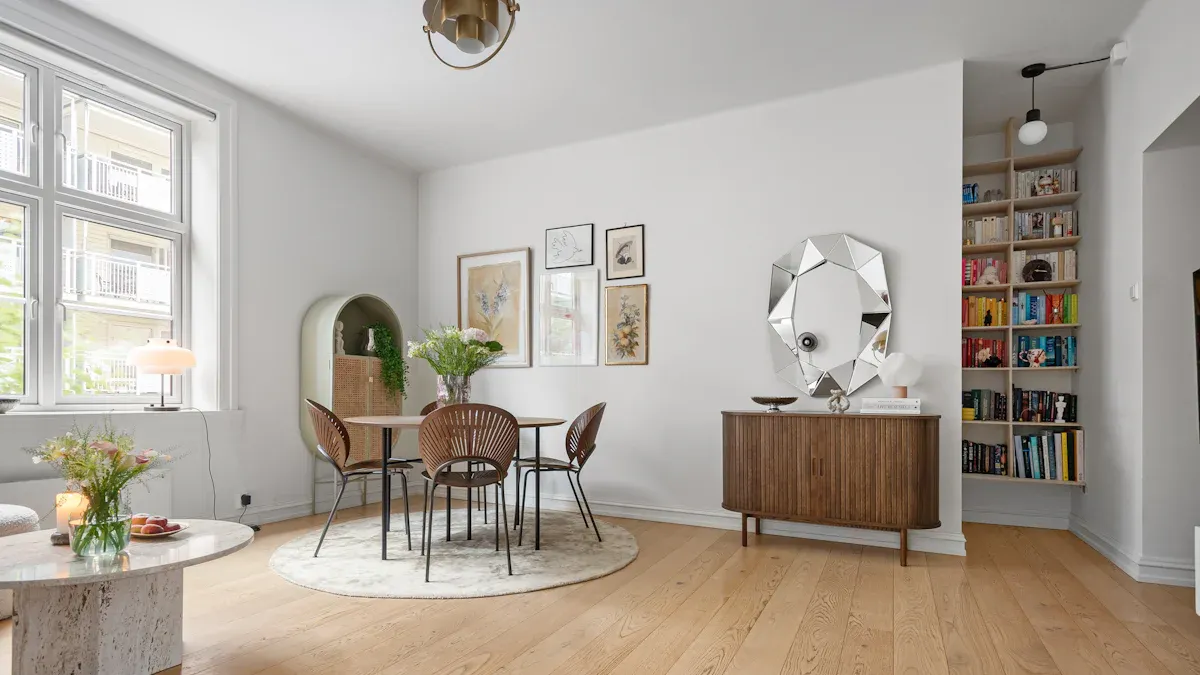
spc flooring works well in living rooms and bedrooms. You want a floor that looks stylish and feels comfortable. spc gives you many design choices, from wood looks to stone patterns. You can match your style and keep your space easy to clean. spc flooring resists scratches and dents, so it holds up in rooms where people gather. In bedrooms, spc feels smooth and warm underfoot. You can use spc as a modern alternative to carpet. Many homeowners choose spc flooring because it balances comfort, durability, and cost. Real estate experts say spc flooring helps your home appeal to more buyers.
- spc flooring is durable for living rooms.
- spc is a smart choice for bedrooms if you want style and easy care.
- You can clean spc with a broom or damp mop.
Basements and High-Traffic Spaces
Basements and busy areas need tough floors. spc flooring stands out in these spaces. The rigid spc core resists dents from heavy furniture and foot traffic. You can install spc flooring in basements because it does not absorb moisture. This keeps your floor safe from mold and mildew. In high-traffic areas like hallways or entryways, spc flooring keeps its shape and color. You get a floor that lasts for years, even in the busiest parts of your home.
| Area | Why spc flooring is Ideal |
|---|---|
| Kitchens & Bathrooms | Waterproof, resists spills, easy to clean |
| Living Areas & Bedrooms | Durable, stylish, low maintenance |
| Basements & High-Traffic | Rigid, moisture-resistant, long-lasting |
Tip: Choose spc flooring for any room where you want strength, style, and easy care.
You want a floor that looks like real wood but works better for your busy life. LVP floors give you that option. You get strong durability, water resistance, and easy care. In basements, LVP stands up to heavy foot traffic and high humidity. The tough surface resists scratches and keeps its shape. You can choose from many styles to match your home. Think about your needs and lifestyle before you decide.
FAQ
What is the difference between LVP and LVT flooring?
You see LVP as planks that look like wood. LVT comes in tiles that look like stone or ceramic. Both use similar materials and offer water resistance. You choose based on the look you want for your space.
Can you install LVP flooring over existing floors?
You can install LVP over many existing floors, such as tile, vinyl, or hardwood. Make sure the surface is clean, dry, and level. Always follow the manufacturer’s instructions for best results.
How do you clean and maintain LVP floors?
You sweep or vacuum LVP floors regularly. Use a damp mop for deeper cleaning. Avoid harsh chemicals or steam mops. LVP resists stains, so you spend less time worrying about spills.
Is LVP flooring safe for homes with pets?
Yes, LVP works well for homes with pets. The wear layer resists scratches from claws. The waterproof core protects against accidents. You get a floor that handles daily life with pets.
Does LVP flooring fade in sunlight?
Most LVP floors resist fading, but strong sunlight can affect color over time. Use curtains or blinds to protect your floors. Check the product warranty for details about sun exposure.




